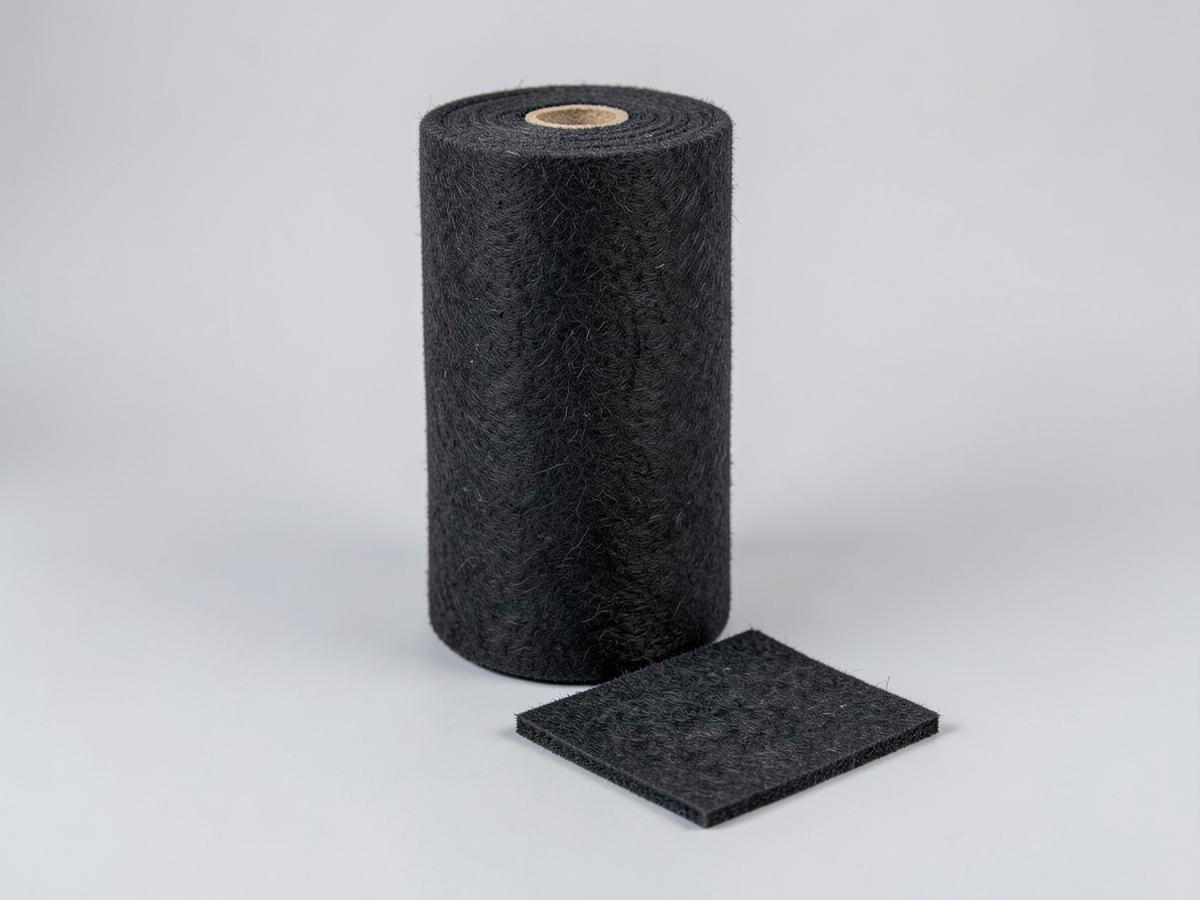
Chemical Bond Nonwoven Fabric — Resin-Bonded Roll Material
Allzone Trading supplies chemical bond nonwoven fabric to converters and manufacturers in Ontario, Quebec and across Canada. The web is held together by a chemical binder rather than by needling or heat, which is what gives this family its stiffness, surface sealing and dimensional behaviour. Binder chemistry, basis weight, width and finish are specified against the application and confirmed against supplier technical data at quotation.
At a glance
- Product
- Chemical Bond Nonwoven Fabric
- Grades
- Chemically bonded roll material
- Typical applications
- Automotive interior backing and trim substrate layers · Furniture and bedding construction layers · Filter media support and stiffened filter layers
- Packaging
- Supplied in rolls; roll dimensions and packaging confirmed at quotation

- • Certificate of Analysis is provided against the confirmed shipment, grade and batch.
- • Manufacturer TDS and SDS are subject to grade and supplier confirmation and are available on request.
- • Grades, packaging and origin above are indicative sourcing options and are confirmed at quotation.
Available grades from container-direct sourcing
Chemically bonded roll material
Binder type, binder loading, basis weight, width, roll length and colour confirmed against supplier technical data at quotation.
Typical applications
- Automotive interior backing and trim substrate layers
- Furniture and bedding construction layers
- Filter media support and stiffened filter layers
- Interlining, stiffening and reinforcement layers
- Abrasive, coating and laminating substrates
- Protective and separator layers in converted products
Why Canadian buyers choose us
- Enquiries handled against your application and converting process, not a fixed stock list
- Basis weight, width, finish and colour confirmed in writing before order confirmation
- Supplier technical data provided for the exact material offered
- LTL and FTL freight to converters and manufacturers across Ontario, Quebec and Western Canada
- Quantities reviewed per enquiry, from trial rolls to full production programmes
Typical industries served
Technical & procurement detail
What chemical bond nonwoven is+
A fibre web is formed and then saturated, sprayed, foamed or print-bonded with a chemical binder that cures and locks the fibres in place. Because the binder — not fibre entanglement or fibre melting — carries the bond, the finished fabric behaves more like a stiffened, sealed sheet than a soft felt. Binder chemistry therefore defines the product as much as the fibre does.
Binder systems+
Latex, SBR and neoprene binder systems are the common industrial choices. They differ in stiffness, resilience, solvent and heat behaviour, adhesion to coatings and cost. The binder is selected from what the converted part has to survive — a laminating substrate, a trim backing and a filter stiffener are not the same requirement — and the exact binder used is confirmed with the supplier before quotation.
Where it is used+
Automotive converters use it as backing and substrate under trim and interior surfaces. Furniture and bedding manufacturers use it in construction and separator layers. Filtration users apply it where a filter medium needs stiffness and edge stability rather than depth loft. It is also used as a substrate for coating, laminating and abrasive products, and as an interlining or reinforcement layer in converted goods.
How specifications vary+
Fibre type, web weight, binder chemistry and binder loading, stiffness, tensile strength, surface finish, colour and roll dimensions all vary by manufacturing specification. No fixed technical values are published on this page; a single chemical bond specification is not suitable for every application.
What to include in your enquiry+
Send the basis weight, roll width, roll length, colour and quantity you need, together with the application. Where relevant, state the required stiffness or handle, whether the fabric will be coated, laminated, printed or moulded, and any heat, solvent or ageing requirement the converted part must meet.
Documentation and specification+
Allzone confirms binder type, basis weight, width and composition with the supplier before quoting, and shares the technical data for the exact material offered. No performance value, approval or certification is assumed on this page.
Frequently asked questions
What is chemical bond nonwoven fabric used for?+
It is an intermediate roll material used for automotive backing and trim substrates, furniture and bedding layers, stiffened filter layers, interlinings and substrates for coating, laminating and abrasive products.
Which binder should I specify?+
Latex, SBR and neoprene binders behave differently in stiffness, heat and solvent exposure. The binder is chosen from the converted part's requirements and confirmed with supplier technical data before quotation.
How is it different from needlepunch nonwoven?+
Needlepunch bonds the web mechanically and stays felt-like; chemical bond uses a cured binder and gives a stiffer, more sealed sheet. They are different materials, not grades of one another.
Can it be supplied in specific widths and colours?+
Width, roll length and colour are specified per order and confirmed against supplier capability before quotation.
What quantities are quoted?+
Quantities are reviewed per enquiry, from trial rolls through to full production programmes.
Technical knowledge for Chemical Bond Nonwoven Fabric Supplier — Canada
Engineering and purchasing guidance written for this material — understand it, apply it, compare options, specify a grade, and fix production problems.
Foundation Articles
Application Guides
Comparison Articles
Related products
Materials commonly quoted alongside Chemical Bond Nonwoven Fabric by the same plants.
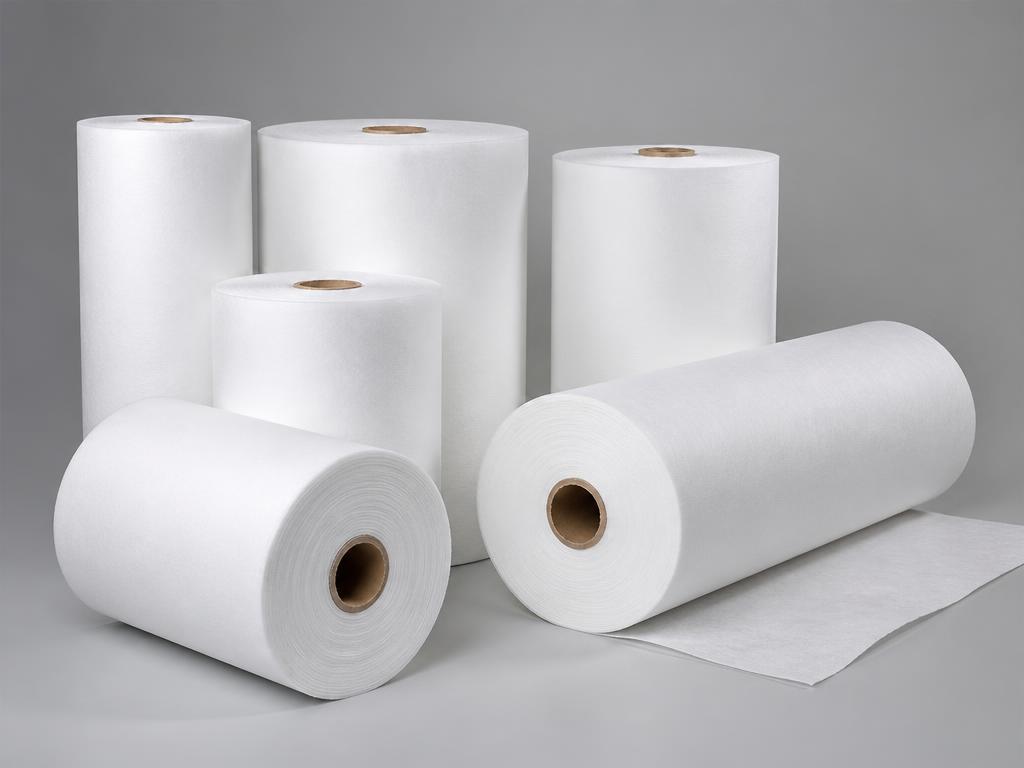
PP Spunbond Nonwoven Fabric
Mattress backing, dust covers and furniture support layers
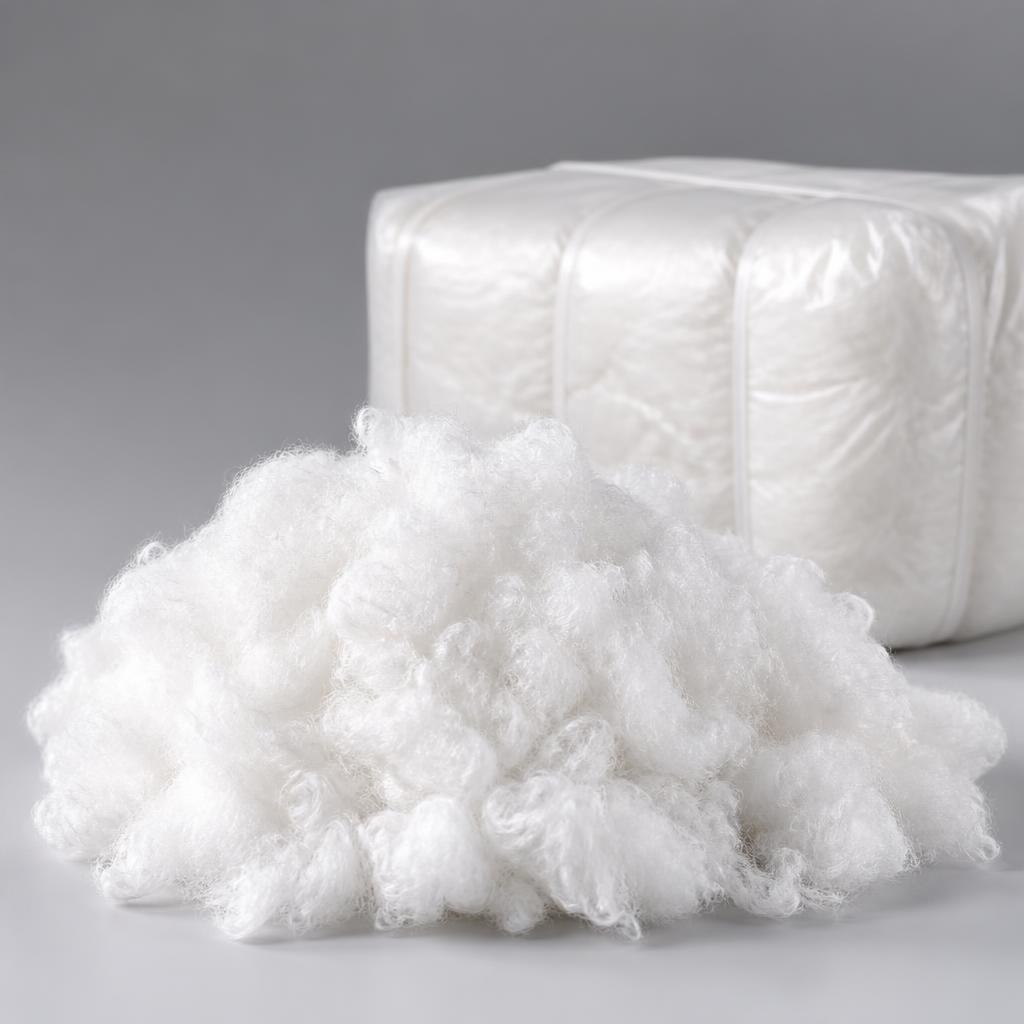
Polyester Staple Fiber
Pillow filling, pillow inserts and hospitality bedding
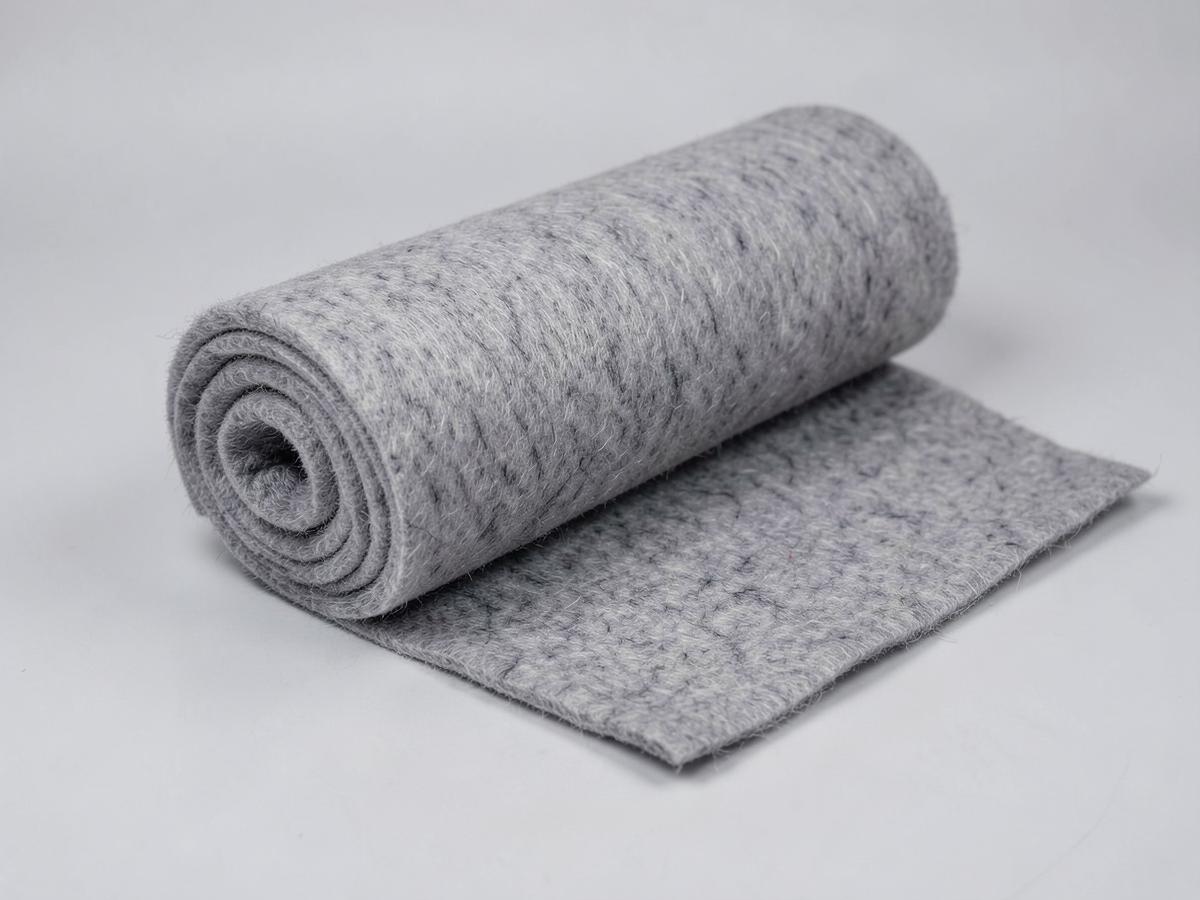
Needlepunch Polypropylene Nonwoven Fabric
Nonwoven geotextile separation, drainage and protection layers
Needlepunch Polyester Nonwoven Fabric
Automotive interior, trunk and acoustic insulation layers
Need a quote on Chemical Bond Nonwoven Fabric?
Request pricing, TDS/SDS and available documentation. We usually acknowledge enquiries within one business day; samples are subject to supplier availability and product classification.