
PP White Masterbatch 50% TiO2 — Grade F2145
High-opacity industrial grade with consistent dispersion. Engineered for PP injection molding, blow molding, automotive components, and rigid packaging applications.
Logistics & Documentation
Plastic-Pallet Option · Import Documentation Support
- Lead Time: Depends on supplier availability, production schedule, shipping route and destination. Lead time and dispatch are confirmed with each quotation rather than published as a fixed figure.
- Packaging Option: Injection-molded plastic pallets available on request as an alternative to wooden pallets, subject to supplier capability and order size.
- Documentation Support: Import documentation support available. Available documents may include TDS, SDS, COA, origin documents and compliance declarations where applicable.
Same mineral, other delivery form
You are looking at titanium dioxide supplied as a concentrate on a polymer carrier. If you compound in-house, the same mineral is available as a neat powder instead.
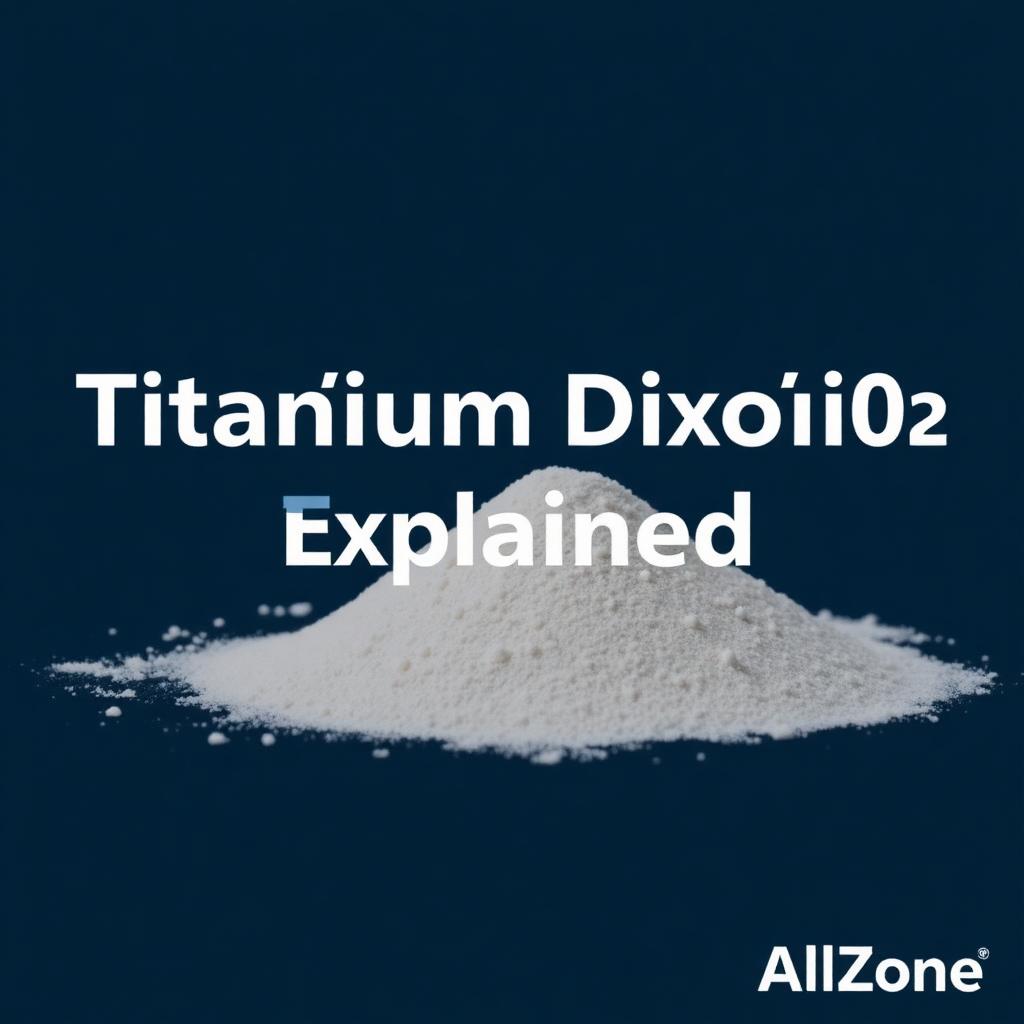
Titanium Dioxide (TiO2)
Pigment — plastic white masterbatch (PE / PP / PS / PET)
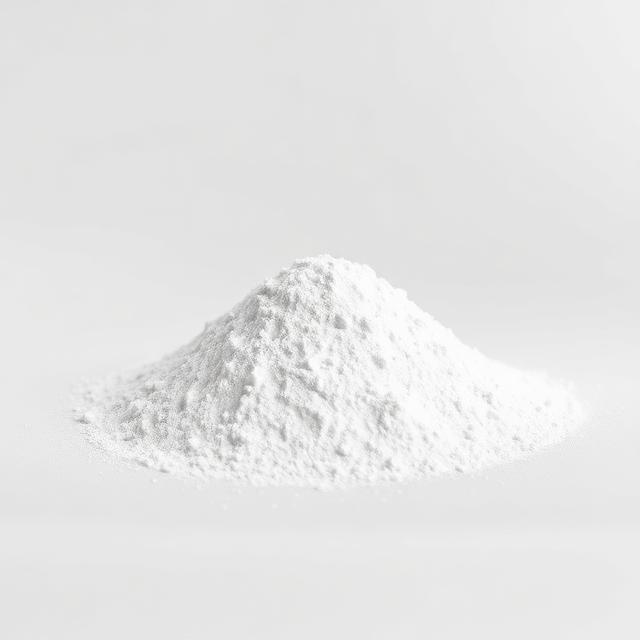
Rutile Titanium Dioxide (TiO2)
Pigment — alumina/silica surface-treated rutile titanium dioxide pigment designed for opacity, whiteness and outdoor UV chalking resistance in paints, coatin…
Verified data
Only values printed on the supplier technical documents or recorded against this product are shown. Anything absent is confirmed at quotation rather than estimated here.
An FDA food-contact reference is recorded for this product. Food-contact suitability is confirmed per grade and per shipment against the supplier declaration at quotation.
| Polymer | Stated as | Source |
|---|---|---|
| PP | Polymer Carrier | Technical Data Sheet — 50% White Masterbatch (F2145) |
Polymers not listed are not claimed. Compatibility with your own resin grade and line is confirmed on trial.
- • TDS: Verified product TDS available below.
- • SDS: Safety data is subject to grade and supplier confirmation. One SDS does not necessarily apply to every grade or supplier.
- • COA: Certificate of Analysis is provided against the confirmed shipment, grade and batch. No stock, lead-time or regulatory claim is implied without written confirmation.
Technical Data Sheet
TDS · W-F2145
Product form
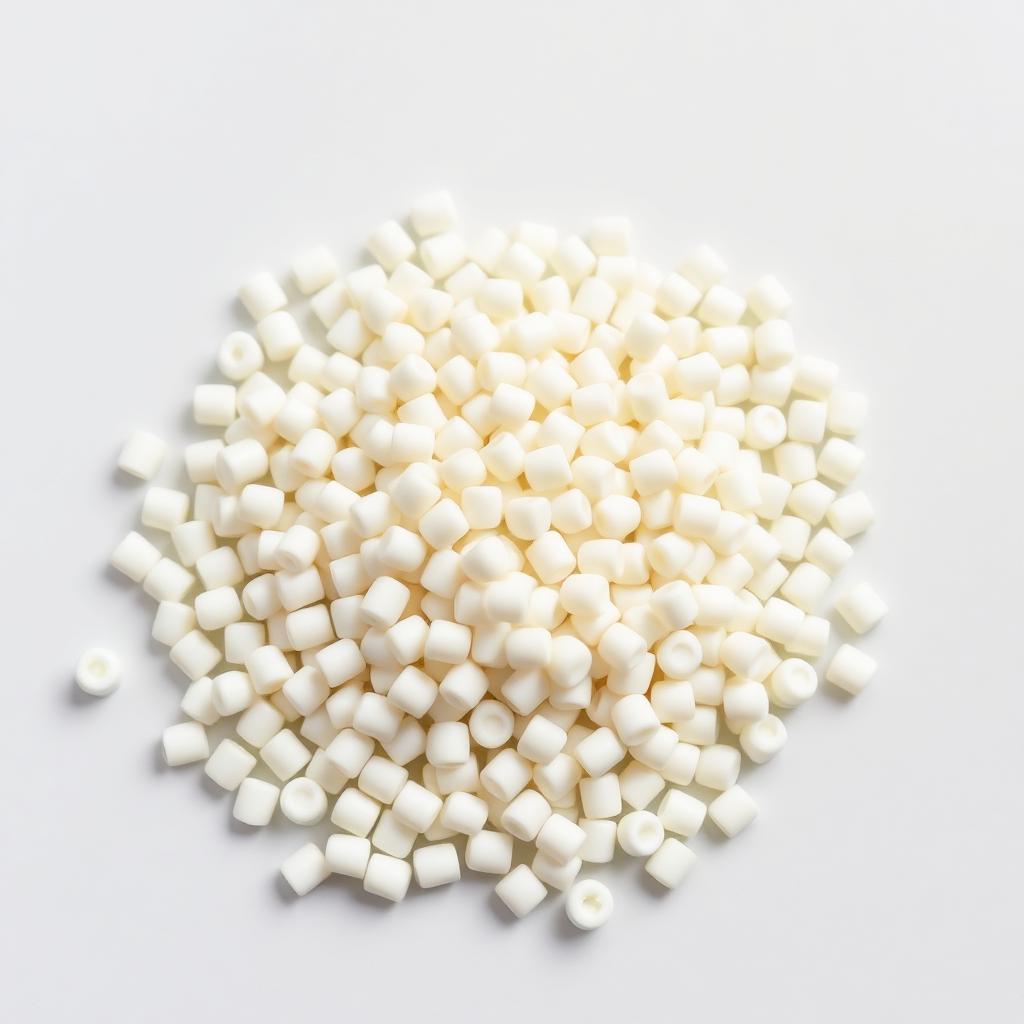
Pellets (cylindrical, 2–4 mm)
Appearance
Bright white, opaque pellets
Carrier / matrix
PP | 50% RUTILE TiO2
Key Physical & Chemical Properties
| TiO2 content | 50 ± 1 % (Rutile, surface treated) |
|---|---|
| Bulk density | 1.45 – 1.60 g/cm³ |
| Melt Flow Index (190 °C / 2.16 kg) | 8 – 14 g/10 min |
| Moisture content | ≤ 0.10 % |
| Dispersion (FOM, 30 μm filter) | ≤ 5 |
| Heavy metals (Pb+Cd+Hg+Cr⁶⁺) | < 100 ppm (RoHS / EN 71-3) |
Recommended dosage
1.0 – 5.0 % depending on opacity target and film thickness.
Processing temperature
180 – 250 °C (PE), 200 – 260 °C (PP)
Packaging
25 kg multi-wall poly-woven bag with PE inner liner, 1000 kg FIBC, or 25 MT FCL bulk.
Shelf life
24 months from production date in unopened original packaging.
Storage
Store dry below 35 °C, away from direct sunlight, ignition sources and incompatible chemicals.
Target Applications
- Blown & cast film for packaging and lamination
- Injection-molded rigid containers & closures
- Thermoformed sheets and food-contact trays
- Pipe and profile extrusion
Key Features
- High opacity and excellent whiteness (CIE L* > 96)
- Outstanding dispersion — zero specks on 30 μm filter test
- Low moisture absorption — no pre-drying required
- FDA 21 CFR 178.3297 compliant for food-contact applications
Sourcing Guidance
White Masterbatch — Grade Comparison
Grade Type
General Purpose
- Typical Application
- Injection molding, blow molding, general plastic products
- Key Specification Area
- TiO2 content, carrier resin, dispersion, whiteness
- Packaging Options
- 25 kg bags or supplier standard packaging
- Documents Available
- TDS, SDS, COA depending on supplier confirmation
- Buyer Notes
- Suitable for standard applications where high opacity is not critical
Grade Type
Film Grade
- Typical Application
- Film extrusion and packaging applications
- Key Specification Area
- Dispersion, filter pressure, carrier compatibility, opacity
- Packaging Options
- 25 kg bags or supplier standard packaging
- Documents Available
- TDS, SDS, COA depending on supplier confirmation
- Buyer Notes
- Buyer should confirm application, processing temperature, and required opacity level
Grade Type
High Opacity Grade
- Typical Application
- Premium packaging, molded products, applications requiring stronger whiteness
- Key Specification Area
- TiO2 level, whiteness, dispersion, compatibility
- Packaging Options
- 25 kg bags or supplier standard packaging
- Documents Available
- TDS, SDS, COA depending on supplier confirmation
- Buyer Notes
- Final suitability depends on buyer testing and supplier grade confirmation
The information above is for sourcing guidance only. Final grade selection must be confirmed by supplier documentation, buyer testing, and application requirements.
Safety Data Sheet · GHS / OSHA HazCom / WHMIS 2015
SDS · W-F2145
Signal word
Not classified
Not classified as hazardous under OSHA HazCom 2012 / GHS / WHMIS 2015.
§ 1Identification▾
- Product code
- W-F2145
- Product name
- PP White Masterbatch 50% TiO2
- Product use
- Industrial raw material — Automotive Moldings, Blown Film Packaging.
- Restrictions
- Industrial use only. Not for direct consumer sale unless explicitly labelled food/feed grade.
- Supplier
- Allzone Trading Corp.
- Address
- Ontario, Canada
- Technical contact
- technical@allzonetrading.ca · +1 (437) 297-6255
- Emergency
- CHEMTREC +1 800 424 9300 / CANUTEC +1 613 996 6666
§ 2Hazards Identification▾
- GHS classification
- Not classified as hazardous under OSHA HazCom 2012 / GHS / WHMIS 2015.
- Signal word
- Not classified
- Pictograms
- None required.
- Hazard statements
- No GHS hazard statements apply to this article in supplied form.
- Precautionary statements
- P210 Keep away from heat, sparks, open flames and hot surfaces.
§ 3Composition / Information on Ingredients▾
- Mixture
- Engineered polypropylene based pp white masterbatch 50% tio2.
- Carrier
- PP | 50% RUTILE TiO2
§ 4First Aid Measures▾
- Inhalation
- Move to fresh air. Get medical advice if discomfort persists.
- Skin contact
- Wash with soap and water. Get medical advice if irritation persists.
- Eye contact
- Rinse cautiously with water for several minutes. Remove contact lenses if present and easy to do.
- Ingestion
- Rinse mouth. Do not induce vomiting. Seek medical advice if discomfort persists.
- Hot melt burns
- For pellet-form products processed at melt temperature: cool affected area with cold water. Do NOT peel solidified polymer from skin — seek medical attention.
§ 5Fire-Fighting Measures▾
- Suitable extinguishing media
- Water spray, dry chemical, CO2, foam.
- Unsuitable media
- None known.
- Special hazards
- Combustion may produce CO, CO2 and dense black smoke. Polymer melt drips during fire.
- PPE for firefighters
- Self-contained breathing apparatus (SCBA) and full protective gear.
§ 6Accidental Release Measures▾
- Personal precautions
- Wear PPE per Section 8. Avoid generating dust. Ventilate area.
- Environmental precautions
- Prevent entry into drains, waterways or soil. Notify authorities if significant release.
- Cleanup
- Sweep or vacuum spilled material into labelled container for recycling or disposal.
§ 7Handling & Storage▾
- Handling
- Handle in well-ventilated areas. Avoid generating dust. Use appropriate PPE.
- Storage
- Store dry below 35 °C, away from direct sunlight and ignition sources.
- Incompatible materials
- Strong oxidizers.
§ 8Exposure Controls / Personal Protection▾
- Engineering controls
- Local exhaust ventilation at material transfer and melt-processing points. Maintain dust below regional OEL.
- Respiratory protection
- Dust mask if fines / dust generated.
- Hand protection
- Heat-resistant gloves when handling molten polymer; cotton gloves for cold pellets.
- Eye protection
- Safety glasses with side shields; chemical splash goggles when handling powders or molten material.
- Body protection
- Long-sleeve work clothing. Full chemical apron for corrosive products.
- Exposure limits
- Follow nuisance-dust limits (10 mg/m³ total, 5 mg/m³ respirable).
§ 9Physical & Chemical Properties▾
- Physical state
- Solid pellets / powder
- Color
- White / off-white / pre-colored
- Odor
- Odorless to faint polymer odor
- pH (1 % solution)
- Not applicable (insoluble)
- Melting / decomposition
- Polymer melt 110 – 250 °C (matrix dependent)
- Flash point
- Not applicable (solid article)
- Solubility (water)
- Insoluble
- Density
- 0.9 – 2.2 g/cm³ depending on grade
§ 10Stability & Reactivity▾
- Stability
- Stable under normal storage and handling conditions.
- Conditions to avoid
- Excessive heat, ignition sources, prolonged UV exposure.
- Hazardous decomposition products
- CO, CO2, polymer fragment volatiles. Azodicarbonamide additionally releases NH3, N2.
§ 11Toxicological Information▾
- Acute oral toxicity (LD50, rat)
- Not classified (> 2000 mg/kg expected)
- Skin irritation
- Not classified for solid article in supplied form.
- Eye irritation
- Mechanical irritation possible from dust.
- Respiratory sensitization
- Not classified.
- Carcinogenicity
- Not classified.
- Mutagenicity / reproductive tox.
- No known effects based on current data.
§ 12Ecological Information▾
- Aquatic toxicity
- Not classified — substance is essentially inert in water.
- Persistence
- Persistent in environment — polymer fragments are not readily biodegradable.
- Bioaccumulation
- No bioaccumulation potential expected.
§ 13Disposal Considerations▾
- Product disposal
- Dispose in accordance with local, provincial, state and federal regulations. Recycle polymer fractions through certified plastic recyclers where possible.
- Packaging disposal
- Recycle empty bags / liners after thorough emptying.
- Waste codes
- Non-hazardous solid waste (EWC 07 02 13 typical).
§ 14Transport Information▾
- Status
- Not regulated for transport under DOT / IATA / IMDG / ADR / TDG.
§ 15Regulatory Information▾
- REACH (EC 1907/2006)
- All components registered or exempt. No SVHC listed above 0.1 % w/w.
- RoHS (EU 2011/65)
- Heavy metals < 1000 ppm (Pb, Hg, Cr⁶⁺) and < 100 ppm (Cd).
- Food contact
- Complies with FDA 21 CFR 178.3297 (colorants for polymers) where applicable.
- WHMIS 2015 (Canada)
- Not classified as a hazardous product.
- TSCA / DSL
- All substances listed on US TSCA and Canadian DSL inventories.
§ 16Other Information▾
- Revision
- Rev. 2026-06-15 (representative industry-standard datasheet).
- Disclaimer
- Information provided in good faith based on current knowledge. No warranty expressed or implied. User is responsible for verifying suitability for end use and compliance with local regulations.
- Document
- SDS for W-F2145
This SDS is provided as representative industry-standard guidance. For project-specific binding documentation, please request the formal current revision via the technical contact above.
Technical knowledge for PP White Masterbatch 50% TiO2
Engineering and purchasing guidance written for this material — understand it, apply it, compare options, specify a grade, and fix production problems.
Foundation Articles
Application Guides
Comparison Articles
Buying Guides
Troubleshooting Guides
Related products
Materials commonly quoted alongside PP White Masterbatch 50% TiO2 by the same plants.
UV Stabilizers
Heat stabiliser — agricultural and greenhouse film
Anti-Static Additives
Packaging film for electronics
Slip Additives
Reducing coefficient of friction in film
Anti-Block Additives
Anti-caking and free-flow agent — preventing film layers sticking on the roll
Sourcing Support
Need help sourcing this product?
Send us your product name, quantity, application, destination, and required documents. We will review your request and help compare available supply options.
Pricing and availability depend on quantity, destination, supplier confirmation and market conditions.
Continue the buyer journey — related grades, industry solutions, bulk supply, engineering tools and technical documents.