Allzone Trading Corp. — Sourcing. Supplying. Solutions.
Back to products
AllZone-TIO900Category K

Rutile Titanium Dioxide (TiO2)

Alumina/silica surface-treated rutile titanium dioxide pigment designed for opacity, whiteness and outdoor UV chalking resistance in paints, coatings, plastics and paper. Grade selection, particle-size distribution and binder compatibility are confirmed at RFQ against the batch TDS/COA.

High-Margin Functional Additives REACH TDS SDS

Logistics & Documentation

Plastic-Pallet Option · Import Documentation Support

  • Lead Time: Depends on supplier stock, production schedule, shipping route and destination. GTA dispatch typically targets 24–48 hours on confirmed stock items.
  • Packaging Option: Injection-molded plastic pallets available on request as an alternative to wooden pallets, subject to supplier capability and order size.
  • Documentation Support: Import documentation support available. Available documents may include TDS, SDS, COA, origin documents and compliance declarations where applicable.

Mineral identity

Values below are taken from the product record or the supplier technical data sheet held on file. Anything not shown here is confirmed in writing at quotation.

Delivery form
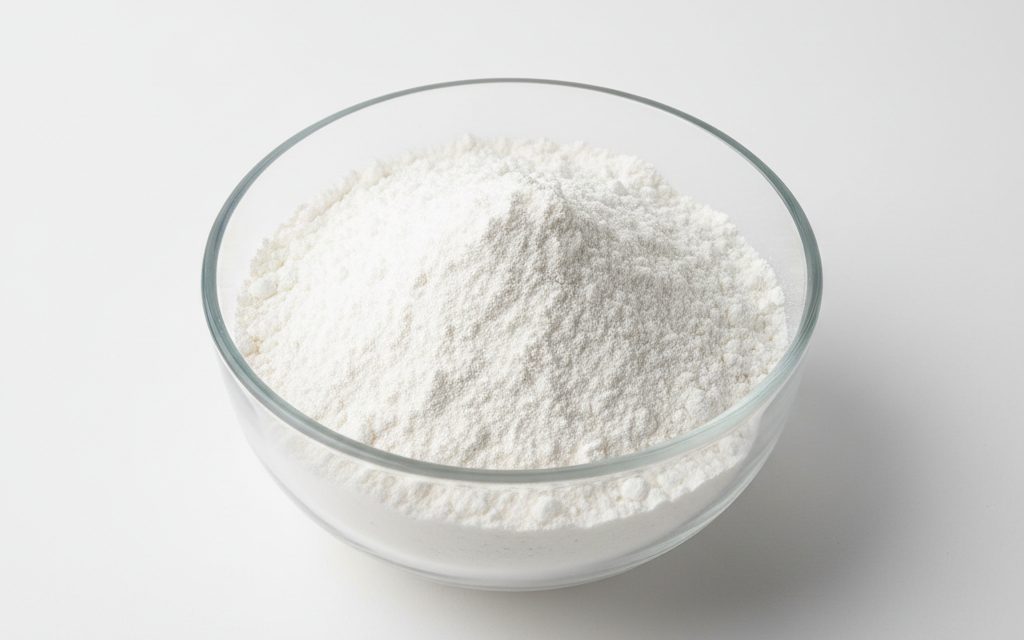
Neat pigment powder — fine free-flowing
Mineral chemistry
Rutile titanium dioxide (TiO2)
Mineral content
≥ 93.0 % TiO2, rutile content ≥ 98 %
Particle size
Mean particle size 0.25 – 0.30 μm
Surface treatment
Alumina + silica + organic
Density / surface area
0.9 – 1.2 g/cm³ (tapped)
Recommended loading
5 – 25 % in coatings; 0.5 – 4 % in plastics
Processing temperature
Stable to 800 °C
Technical source document
TDS — Rutile Titanium Dioxide (AllZone-TIO900)

Mineral family

Rutile Titanium Dioxide (TiO2) is supplied under this family:

Same mineral, other delivery form

You are looking at titanium dioxide supplied as a mineral powder for your own compounding. The same mineral is also available as a let-down concentrate on a polymer carrier, which you dose directly at the machine.

PE White Masterbatch 70% TiO2

Polymer masterbatch — thin-film grade with zero fillers.

Polymer & PlasticsW-F2011
View Product

PP White Masterbatch 50% TiO2

Polymer masterbatch — high-opacity industrial grade with consistent dispersion.

Polymer & PlasticsW-F2145
View Product
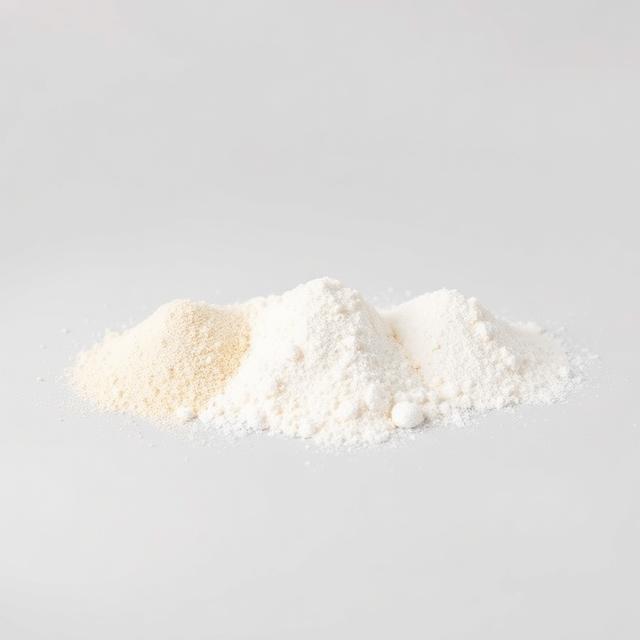
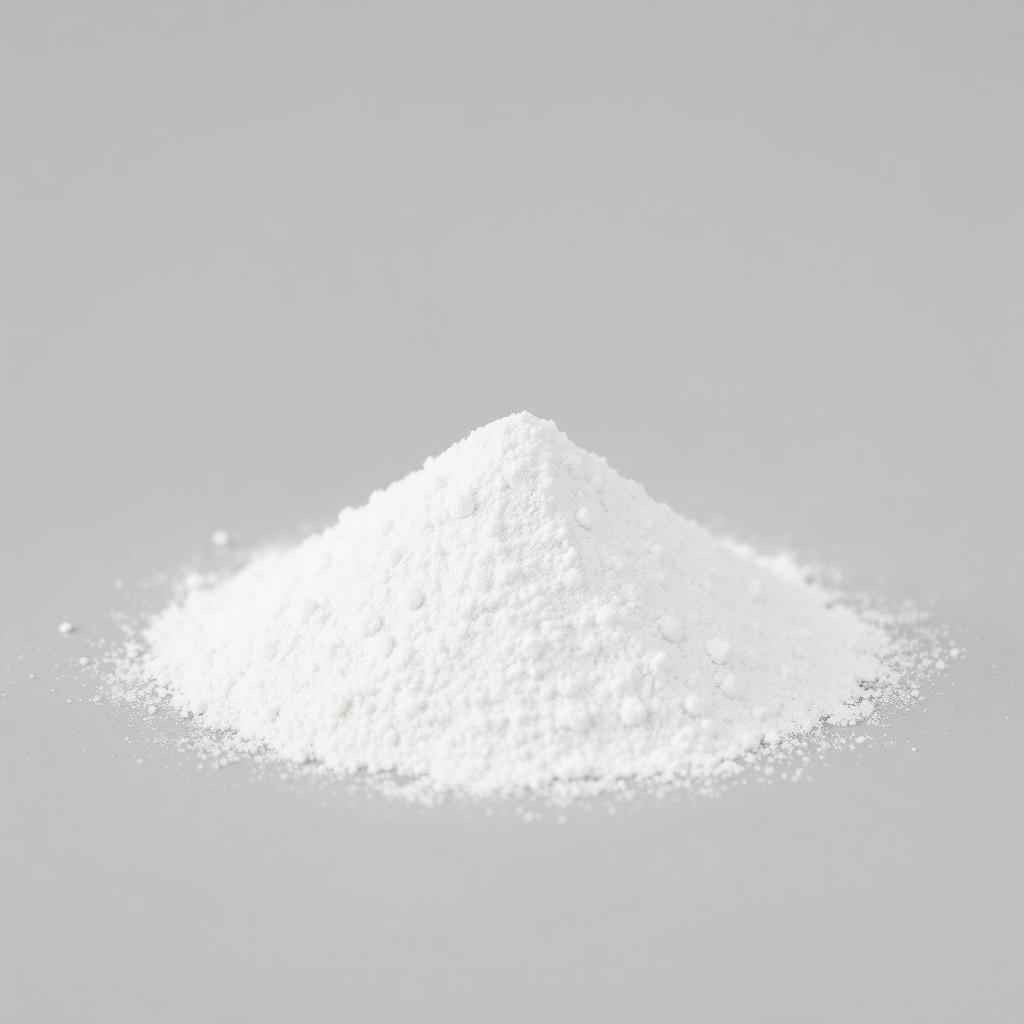
Rutile Titanium Dioxide (TiO2) — category illustration
Category illustration — actual product appearance may vary by grade and batch.

Search & terminology reference

Titanium Dioxide (Rutile, Alumina/Silica Treated) — also known as

The terminology engineers, buyers and technical documentation use for this material across Canadian and North American industry. Provided to help procurement teams and search engines match this page to the right industrial intent.

Generic names
titanium dioxiderutile titanium dioxideTiO2 pigment
Commercial names
rutile TiO2surface-treated rutilepaint grade titanium dioxideplastic grade titanium dioxide
Chemical names & formulas
TiO2rutile CI 77891
Abbreviations
TiO2TIO
Industry & engineering terms
rutile vs anatase titanium dioxideTiO2 surface treatment alumina silicaTiO2 oil absorption
Procurement terminology
titanium dioxide supplier CanadaTiO2 pigment wholesale Ontariorutile TiO2 GTA
Typical applications
architectural and industrial paintsplastic masterbatch and compound whiteningpaper and board coatingink pigmentation
Comparable materials
rutile vs anatase titanium dioxidechloride vs sulphate process TiO2surface-treated vs untreated TiO2

Terminology reference only. Grade, specification, packaging and suitability for a given process are confirmed at RFQ.

Buyer intent coverage

Rutile Titanium Dioxide (TiO2) — what it is, where it is used, how it is chosen

Rutile titanium dioxide (TiO2) is the crystalline pigment form with the highest refractive index used industrially, typically supplied with alumina and silica surface treatment for dispersion and outdoor durability. It is the standard opacifier for paints, plastics, ink and paper.

Primary uses

  • Opacity and whiteness in architectural and industrial coatings
  • Whitening in plastic masterbatch and finished compounds
  • Whiteness and opacity in paper, board and ink
  • UV chalk-resistance in exterior systems

Applications

  • Architectural interior and exterior paint
  • Industrial and coil coatings
  • Plastic masterbatch (PE, PP, PVC, engineering plastics)
  • Paper and board coating
  • Solvent-based and water-based ink

Advantages

  • Highest refractive index of commercial white pigments — best per-kilogram opacity
  • Alumina/silica surface treatment supports dispersion and outdoor durability
  • Batch documentation (rutile content, oil absorption, particle size) available

Limitations to consider

  • Rutile and anatase are not interchangeable — anatase chalks faster outdoors
  • Chloride and sulphate process routes give different durability and brightness profiles
  • Surface-treatment package is grade-specific — replicate on requalification, do not assume equivalence

How to choose the right grade

  • Rutile for durable outdoor coatings and durable plastics
  • Chloride-process rutile where narrow particle distribution and highest brightness are process-critical
  • Match surface-treatment package (alumina, silica, organic) to the binder / matrix
  • Confirm oil absorption against paint formulation viscosity target

Typical grades

  • Rutile — paint grade (durable outdoor)
  • Rutile — plastic grade (dispersion optimised)
  • Rutile — paper / laminate grade
  • Anatase — interior and specialty applications only

Comparable materials — how Rutile Titanium Dioxide (TiO2) sits against alternatives

  • Calcium carbonate — extender, not a full opacifier substitute
  • Kaolin / clay — partial extension only
  • Zinc oxide — opacity plus UV, different chemistry and price band

Comparable-material reference. Grade selection is confirmed at RFQ against your process.

Procurement coverage

How to specify, order and receive Rutile Titanium Dioxide (TiO2)

Written for procurement, quality and technical buyers in Canada and the United States. No numeric price, MOQ, stock or lead-time value is published — those are confirmed per shipment in the quotation and against the confirmed batch.

How buyers specify at RFQ

  • Crystal form (rutile / anatase)
  • Process origin (chloride / sulphate)
  • Surface-treatment package (alumina / silica / organic)
  • Target application (paint / plastic / paper / ink)
  • Oil absorption range
  • Packaging (25 kg bag, jumbo bag)

Packaging options (industry-standard)

  • 25 kg valved paper bag
  • 500–1000 kg jumbo bag

Storage & handling

  • Store dry, sealed, indoors
  • Avoid contamination — TiO2 dust is a fine white powder that migrates on air currents
  • Follow inhalation-exposure controls per current SDS

Documentation available

  • TDS with rutile content, oil absorption, treatment package
  • SDS aligned to WHMIS 2015 / OSHA HazCom / GHS
  • COA per batch on confirmed shipment

RFQ checklist for AllZone-TIO900

Include these fields to receive an accurate Canada-landed quotation

  1. Target application (paint / plastic / paper / ink)
  2. Binder or matrix system
  3. Crystal form and process preference
  4. Opacity / whiteness / durability requirement
  5. Surface-treatment expectation
  6. Packaging and monthly volume
  7. Destination

About this product

Rutile Titanium Dioxide (TiO2) — product overview

AllZone-TIO900 is a rutile titanium dioxide (TiO2) pigment surface-treated with alumina and silica. Rutile TiO2 is the industry standard for opacity, whiteness and outdoor UV chalking resistance in paints, coatings, plastics and paper. The alumina/silica surface treatment improves dispersion, exterior durability and pigment/binder wet-out — the practical reasons formulators pay a premium over untreated pigment. Grade selection, particle size distribution and preferred binder system are confirmed at RFQ; batch COA is provided per shipment.

Document & COA status
  • TDS: Displayed properties are an Allzone technical reference; manufacturer documentation is available on request.
  • SDS: Safety data is subject to grade and supplier confirmation. One SDS does not necessarily apply to every grade or supplier.
  • COA: Certificate of Analysis is provided against the confirmed shipment, grade and batch. No stock, lead-time or regulatory claim is implied without written confirmation.

Pricing & Market Factors

What drives the price of Rutile Titanium Dioxide (TiO2) in Canada

Current pricing is confirmed through a live quotation because industrial material costs depend on grade, volume, origin, packaging, freight and delivery location, and move with global commodity, ocean-freight and CAD/USD cycles. Allzone does not publish spot prices — the drivers below help you frame the RFQ.

  • Rutile vs anatase. Rutile carries a premium over anatase; surface-treatment adds cost.
  • Process. Chloride-process TiO2 typically prices above sulphate-process for durable outdoor coatings.
  • Ilmenite feedstock. TiO2 ore market cycles drive multi-quarter pricing swings.
  • Freight & FX. Ocean freight and CAD/USD affect landed cost more than most buyers expect.

Technical Data Sheet

TDS · AllZone-TIO900

Product form

Fine free-flowing powder

Appearance

Bright white free-flowing powder

Carrier / matrix

Rutile titanium dioxide — TiO2

Key Physical & Chemical Properties

TiO2 purity≥ 93.0 % (Rutile)
Rutile content≥ 98 %
Surface treatmentAlumina + Silica + organic
Mean particle size0.25 – 0.30 μm
Oil absorption16 – 22 g/100 g
Bulk density (tapped)0.9 – 1.2 g/cm³

Recommended dosage

5 – 25 % in coatings; 0.5 – 4 % in plastics.

Processing temperature

Stable to 800 °C

Packaging

25 kg multi-wall poly-woven bag with PE inner liner, 1000 kg FIBC, or 25 MT FCL bulk.

Shelf life

24 months from production date in unopened original packaging.

Storage

Store dry below 35 °C, away from direct sunlight, ignition sources and incompatible chemicals.

Target Applications

  • Architectural and industrial paints
  • Plastics masterbatches and pre-colored compounds
  • Paper and laminate coating
  • Printing inks and adhesives

Key Features

  • Alumina/silica surface treatment for dispersion and binder compatibility
  • UV durability and chalking resistance suitable for exterior coating systems
  • High opacity (scattering coefficient > 1500) per manufacturer TDS
  • Multipurpose surface treatment for resin compatibility

Safety Data Sheet · GHS / OSHA HazCom / WHMIS 2015

SDS · AllZone-TIO900

Signal word

Warning

Carcinogenicity Cat. 2 (inhalation, IARC Group 2B for fine respirable powder).

GHS08 — Health hazard
§ 1Identification
Product code
AllZone-TIO900
Product name
Rutile Titanium Dioxide (TiO2)
Product use
Industrial raw material — Paints & Coatings, Blown Film Packaging.
Restrictions
Industrial use only. Not for direct consumer sale unless explicitly labelled food/feed grade.
Supplier
Allzone Trading Corp.
Address
Ontario, Canada
Technical contact
technical@allzonetrading.ca · +1 (437) 297-6255
Emergency
CHEMTREC +1 800 424 9300 / CANUTEC +1 613 996 6666
§ 2Hazards Identification
GHS classification
Carcinogenicity Cat. 2 (inhalation, IARC Group 2B for fine respirable powder).
Signal word
Warning
Pictograms
GHS08 — Health hazard
Hazard statements
H351 Suspected of causing cancer by inhalation.
Precautionary statements
P201 Obtain special instructions before use. P260 Do not breathe dust. P280 Wear protective gloves, clothing, and eye protection. P308+P313 IF exposed or concerned: Get medical advice.
§ 3Composition / Information on Ingredients
Mixture
Engineered high-margin functional additives based rutile titanium dioxide (tio2).
Carrier
High-Margin Functional Additives compatible polymer.
TiO2 (CAS 13463-67-7)
≥ 93 % (Rutile, surface-treated)
§ 4First Aid Measures
Inhalation
Move to fresh air. Get medical advice if discomfort persists.
Skin contact
Wash with soap and water. Get medical advice if irritation persists.
Eye contact
Rinse cautiously with water for several minutes. Remove contact lenses if present and easy to do.
Ingestion
Rinse mouth. Do not induce vomiting. Seek medical advice if discomfort persists.
Hot melt burns
For pellet-form products processed at melt temperature: cool affected area with cold water. Do NOT peel solidified polymer from skin — seek medical attention.
§ 5Fire-Fighting Measures
Suitable extinguishing media
Water spray, dry chemical, CO2, foam.
Unsuitable media
None known.
Special hazards
Combustion may produce CO, CO2 and dense black smoke. Polymer melt drips during fire.
PPE for firefighters
Self-contained breathing apparatus (SCBA) and full protective gear.
§ 6Accidental Release Measures
Personal precautions
Wear PPE per Section 8. Avoid generating dust. Ventilate area.
Environmental precautions
Prevent entry into drains, waterways or soil. Notify authorities if significant release.
Cleanup
Sweep or vacuum spilled material into labelled container for recycling or disposal.
§ 7Handling & Storage
Handling
Handle in well-ventilated areas. Avoid generating dust. Use appropriate PPE.
Storage
Store dry below 35 °C, away from direct sunlight and ignition sources.
Incompatible materials
Strong oxidizers.
§ 8Exposure Controls / Personal Protection
Engineering controls
Local exhaust ventilation at material transfer and melt-processing points. Maintain dust below regional OEL.
Respiratory protection
N95 / P2 dust mask minimum; full-face respirator if dust exposure exceeds OEL.
Hand protection
Heat-resistant gloves when handling molten polymer; cotton gloves for cold pellets.
Eye protection
Safety glasses with side shields; chemical splash goggles when handling powders or molten material.
Body protection
Long-sleeve work clothing. Full chemical apron for corrosive products.
Exposure limits
OSHA PEL 15 mg/m³ (total dust); ACGIH TLV 10 mg/m³ (TWA, inhalable fraction).
§ 9Physical & Chemical Properties
Physical state
Solid pellets / powder
Color
White / off-white / pre-colored
Odor
Odorless to faint polymer odor
pH (1 % solution)
Not applicable (insoluble)
Melting / decomposition
Polymer melt 110 – 250 °C (matrix dependent)
Flash point
Not applicable (solid article)
Solubility (water)
Insoluble
Density
0.9 – 2.2 g/cm³ depending on grade
§ 10Stability & Reactivity
Stability
Stable under normal storage and handling conditions.
Conditions to avoid
Excessive heat, ignition sources, prolonged UV exposure.
Hazardous decomposition products
CO, CO2, polymer fragment volatiles. Azodicarbonamide additionally releases NH3, N2.
§ 11Toxicological Information
Acute oral toxicity (LD50, rat)
Not classified (> 2000 mg/kg expected)
Skin irritation
Not classified for solid article in supplied form.
Eye irritation
Mechanical irritation possible from dust.
Respiratory sensitization
Not classified.
Carcinogenicity
IARC Group 2B — possibly carcinogenic (respirable dust inhalation).
Mutagenicity / reproductive tox.
No known effects based on current data.
§ 12Ecological Information
Aquatic toxicity
Not classified — substance is essentially inert in water.
Persistence
Inorganic salt — fully soluble, mineralizes.
Bioaccumulation
No bioaccumulation potential expected.
§ 13Disposal Considerations
Product disposal
Dispose in accordance with local, provincial, state and federal regulations. Recycle polymer fractions through certified plastic recyclers where possible.
Packaging disposal
Recycle empty bags / liners after thorough emptying.
Waste codes
Non-hazardous solid waste (EWC 07 02 13 typical).
§ 14Transport Information
Status
Not regulated for transport under DOT / IATA / IMDG / ADR / TDG.
§ 15Regulatory Information
REACH (EC 1907/2006)
All components registered or exempt. No SVHC listed above 0.1 % w/w.
RoHS (EU 2011/65)
Heavy metals < 1000 ppm (Pb, Hg, Cr⁶⁺) and < 100 ppm (Cd).
Food contact
Not intended for food-contact applications.
WHMIS 2015 (Canada)
Classified — Signal word: Warning.
TSCA / DSL
All substances listed on US TSCA and Canadian DSL inventories.
§ 16Other Information
Revision
Rev. 2026-06-15 (representative industry-standard datasheet).
Disclaimer
Information provided in good faith based on current knowledge. No warranty expressed or implied. User is responsible for verifying suitability for end use and compliance with local regulations.
Document
SDS for AllZone-TIO900

This SDS is provided as representative industry-standard guidance. For project-specific binding documentation, please request the formal current revision via the technical contact above.

Buyer FAQ

Questions Canadian buyers ask about Rutile Titanium Dioxide (TiO2)

What is rutile titanium dioxide?
Rutile TiO2 is the crystalline form of titanium dioxide with the highest refractive index. It is the industry standard for opacity, whiteness and outdoor UV chalking resistance in paints, coatings, plastics, ink and paper. Anatase, the other main form, is less durable outdoors.
Why is TiO2 surface-treated with alumina and silica?
Alumina/silica surface treatment improves dispersion, weathering durability, and pigment-binder wet-out. Untreated rutile is difficult to disperse and chalks faster outdoors. Almost every paint- and plastic-grade rutile on the market is surface treated.
What is the difference between chloride and sulphate process TiO2?
Chloride-process TiO2 has narrower particle size distribution, higher brightness and better durability — typical for high-durability outdoor coatings and durable plastics. Sulphate-process TiO2 remains common for general-purpose applications. Process origin is confirmed on the batch documentation.
Do you supply titanium dioxide to paint and plastic manufacturers in Canada?
Yes. Allzone serves coatings, plastics, paper and ink manufacturers across Canada — primary presence in Ontario and the GTA. Grade family, particle size and packaging are confirmed at RFQ against the batch COA.
What information should a TiO2 quote request include?
State target application (paint / plastic / paper / ink), binder or matrix system, opacity / whiteness target, UV chalk-resistance requirement, packaging and monthly volume.

Related products

Materials commonly quoted alongside Rutile Titanium Dioxide (TiO2) by the same plants.

Industrial Mineral Additives for Paints, Coatings and Paper

Optimal oil absorption, scrub resistance, gloss control and TiO2 extension for architectural paints, marine resins, automotive primers and paperboard.

Polymer & PlasticsF-MF Coating
View Product

Barium Sulfate

Mineral filler — density and sound damping compounds

Polymer & PlasticsIndustrial / plastics manufacturing
View Product

Sourcing Support

Need help sourcing this product?

Send us your product name, quantity, application, destination, and required documents. We will review your request and help compare available supply options.

Pricing and availability depend on quantity, destination, supplier confirmation and market conditions.

Continue the buyer journey — related grades, industry solutions, bulk supply, engineering tools and technical documents.

Industry & regional solutions

Continue learning

Engineering tools & documents

Ready to move forward? Send an RFQ — we usually acknowledge enquiries within one business day.
Last reviewed: 2026-07-21 · Evidence: verified generic material record · No numeric price, MOQ, lead time, stock or origin claim is published without written confirmation.Allzone Trading Corp. · Canada