
Slip Additives
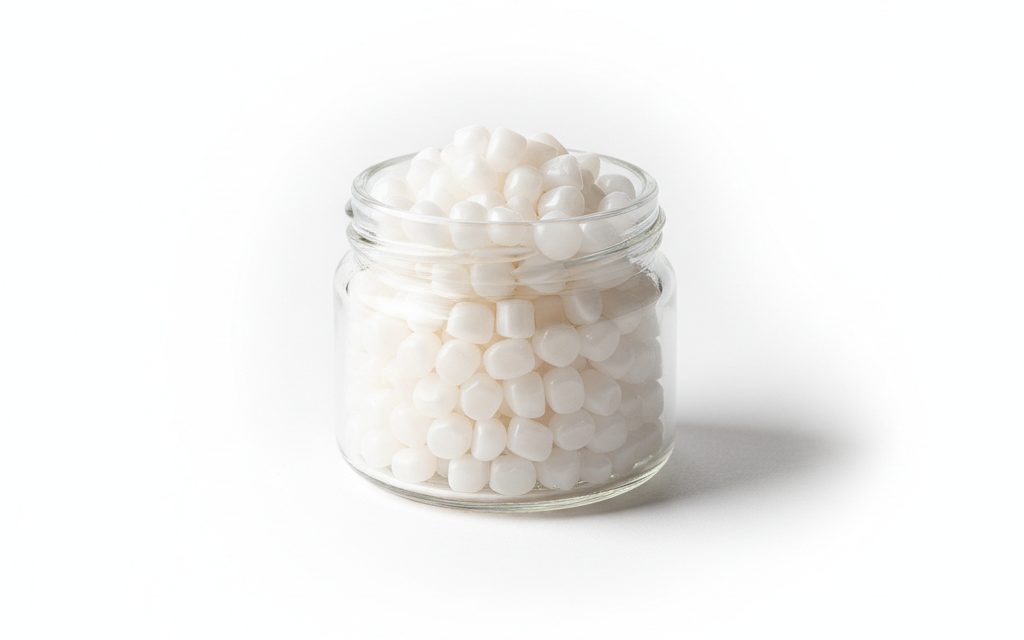
Allzone Trading supplies slip additives to plastics processors, compounders and manufacturing plants in Toronto, the GTA, Ontario, Quebec and across Canada. Slip additives reduce the coefficient of friction of film surfaces so that converting and bagging lines run at speed. Grade and specification are confirmed against supplier documentation at quotation.
At a glance
- Product
- Slip Additives
- Grades
- Grade confirmed at quotation
- Typical applications
- Reducing coefficient of friction in film · Bag opening and stacking performance · Sheet and liner production
- Packaging
- Packaging confirmed at quotation against the supplier specification
- • Certificate of Analysis is provided against the confirmed shipment, grade and batch.
- • Manufacturer TDS and SDS are subject to grade and supplier confirmation and are available on request.
- • Grades, packaging and origin above are indicative sourcing options and are confirmed at quotation.
Available grades from container-direct sourcing
Grade confirmed at quotation
Grade, specification and documentation are quoted and confirmed against the supplier technical data sheet before any order is placed.
Typical applications
- Reducing coefficient of friction in film
- Bag opening and stacking performance
- Sheet and liner production
- High-speed converting lines
Why Canadian buyers choose us
- Resin, masterbatch, additive and consumable enquiries handled as separate specifications
- Grade, melt index and additive loading confirmed in writing before order confirmation
- Supplier technical data sheets and safety data sheets requested and shared before purchase
- LTL, FTL and container-direct freight across Ontario, Quebec and Western Canada
- Quantities reviewed per enquiry, from single pallets to full container loads
Typical industries served
Material identity
Slip additives for plastics — identifiers and the names buyers use
- Additive class
- Fatty acid amide slip agent
- Physical forms
- Powder, pellet, prill or masterbatch
- Recommended addition rate
- UNKNOWN — declared per grade and confirmed against supplier documentation
Also searched as
Industry terminology
Identifiers are published for material identification. The exact specification of any offered grade is confirmed against supplier documentation at quotation.
Buyer intent coverage
Slip additives for plastics — what it is, where it is used, how it is chosen
Slip additives lower the coefficient of friction on a film or moulded surface so that packaging runs cleanly on automated equipment. They work by migrating to the surface and forming a thin lubricating layer, which means the timing of the bloom matters as much as the amount used: converters who slit and convert film immediately behave very differently from those who let the roll settle. Most demand comes from the packaging film base, where friction failures show up as machine downtime.
Primary uses
- Reducing friction on packaging film so bags open and fill correctly
- Improving web handling on high-speed converting lines
- Easing part release and surface feel in moulded goods
- Correcting film that runs badly after a resin change
Applications
- Blown and cast film for packaging and lamination
- Bags, liners and form-fill-seal packaging
- Moulded parts requiring a smoother surface feel
- Extrusion-coated substrates
Advantages
- Solves a mechanical handling problem without changing the base resin
- Effective at low addition levels, so formulation cost impact is small
- Available as masterbatch for converters who dose at the press or extruder
Limitations to consider
- Surface migration can interfere with printing, sealing and adhesive lamination
- Bloom takes time, so friction measured off the line differs from friction after storage
- Slip and anti-block interact; changing one usually means re-balancing the other
- Addition rate and performance are established on your own line; the figures quoted in supplier literature are starting points, not a specification.
How to choose the right grade
- Start from the defect or property you are trying to fix, then work back to the chemistry family
- State the base polymer and the process, because the same function is delivered by different chemistries in different resins
- Confirm the maximum processing temperature the additive must survive
- Confirm the regulatory status the finished part requires before shortlisting grades
- Decide whether you want the active as a neat additive or carried in a masterbatch for easier dosing
- Exact specification is confirmed against supplier documentation at quotation.
Typical grades
- Erucamide-based grade
- Oleamide-based grade
- Slow-bloom grade
- Food-contact grade where the application requires it
- Masterbatch-carried grade
- Reference grade names are widely used as shorthand in enquiries. They are treated here as search language only: an equivalent is confirmed by comparing declared datasheet values and by a line trial, and no grade is presented as a drop-in replacement for another.
Comparable materials — how Slip additives for plastics sits against alternatives
- Anti-block additive where the problem is film-to-film sticking rather than friction
- Silicone-based slip systems
- Surface texturing on the die or tool
- Buyers searching for an alternative or second-source supplier should state the incumbent grade and the property they are matching, because a like-for-like comparison depends on the declared datasheet values and on line trials, not on the material name alone.
Comparable-material reference. Grade selection is confirmed at RFQ against your process.
Procurement coverage
How to specify, order and receive Slip additives for plastics
Written for procurement, quality and technical buyers in Canada and the United States. No numeric price, MOQ, stock or lead-time value is published — those are confirmed per shipment in the quotation and against the confirmed batch.
How buyers specify at RFQ
- Base polymer and process the additive is dosed into
- Function required and the defect being corrected
- Physical form (powder, pellet, liquid or masterbatch) your dosing equipment accepts
- Processing temperature window the additive must survive
- Regulatory status required for the finished part
- Compatibility with the other additives already in the formulation
Packaging options (industry-standard)
- 25 kg bag or box — the usual format for dosing-unit refills
- Jumbo / FIBC bag for continuous gravimetric feeding on high-output lines
- Moisture-barrier or foil-lined packaging for hygroscopic and oxidation-sensitive actives
- Packaging options and available pack sizes are confirmed with each quotation.
Storage & handling
- Store cool, dry and sealed; heat and humidity degrade both carrier and active
- Keep concentrates in closed containers to avoid contamination of natural or light-colour runs
- Use first-in, first-out rotation and respect any retest or shelf-life date on the batch
Documentation available
- Technical data sheet (TDS) stating the active chemistry, carrier and recommended addition range
- Safety data sheet (SDS) in the format required for Canadian import
- Certificate of analysis (COA) against the confirmed batch
- Food-contact or regulatory declaration where the converted part requires it
- Documentation is confirmed per batch at quotation; availability depends on the grade and supplier offered.
RFQ checklist for slip-additive-canada
Include these fields to receive an accurate Canada-landed quotation
- Base polymer and the process the material runs on (extrusion, injection, blow moulding, thermoforming)
- Machine type, output rate and the processing temperature window
- End application and whether the finished part is food-contact, potable-water or outdoor
- Annual volume and expected per-shipment quantity
- Packaging format your intake and feeding system can receive
- Documentation required per shipment
- Delivery province or port of discharge
- Function required and the problem observed on the line
- Physical form your dosing system accepts
- Other additives already present in the formulation
Technical & procurement detail
Where slip additives is used+
Slip additives reduce the coefficient of friction of film surfaces so that converting and bagging lines run at speed. It is quoted for the specific process, machine and end-application described in the enquiry, because performance depends on the processing window rather than on a single published value.
Grades are not interchangeable+
Different grades of slip additives are supplied and quoted as separate specifications. A grade supplied for one process, resin system or end-use is not presented as suitable for another. State the resin, process, machine type and end-application in your enquiry so the correct grade and documentation are reviewed with the supplier.
How specifications are confirmed+
Allzone does not publish assumed purity, melt index, loading level, particle size, origin, certification, regulatory approval, packaging or price values. Grade, specification and documentation are confirmed in writing against supplier technical data sheets and safety data sheets before an order is placed.
Frequently asked questions
What grade of slip additives do you supply?+
The grade and specification are confirmed at quotation against the supplier technical data sheet. No specification or certification value is published in advance.
Can I request a technical data sheet and a safety data sheet?+
Yes. Both the supplier technical data sheet and the safety data sheet for the quoted grade are provided on request and should be reviewed before purchase and use.
Do you deliver slip additives across Ontario and Quebec?+
Yes. Freight is arranged across Toronto, the GTA, Ontario, Quebec and Western Canada, and the delivery method is confirmed with the quotation.
What quantities can you supply?+
Quantities are reviewed per enquiry, from single pallets to full container loads.
Technical knowledge for Slip Additives Supplier — Ontario & Canada
Engineering and purchasing guidance written for this material — understand it, apply it, compare options, specify a grade, and fix production problems.
Foundation Articles
Application Guides
Comparison Articles
Available grades
The grade we currently supply in this family.
Related products
Materials commonly quoted alongside Slip Additives by the same plants.
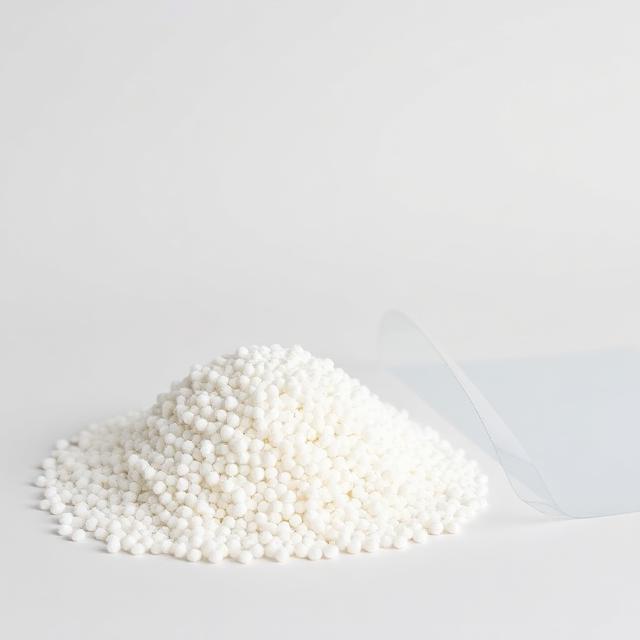
Anti-Block and Slip Additive Masterbatch
Polymer masterbatch — lowers COF without interfering with corona treatment or surface printing on high-speed film extrusion lines.
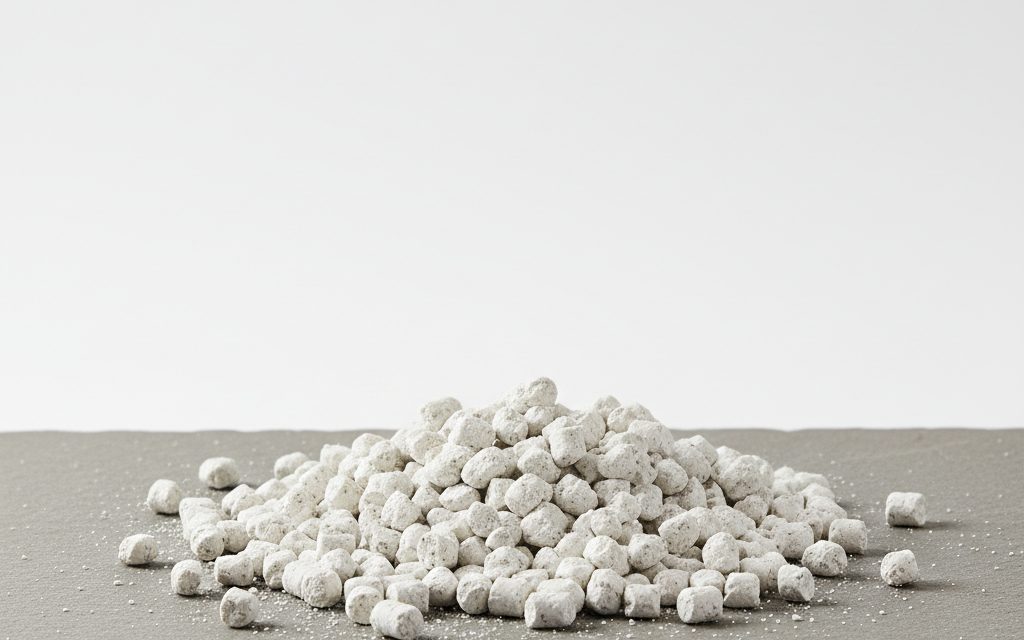
Anti-Block Additives
Anti-caking and free-flow agent — preventing film layers sticking on the roll
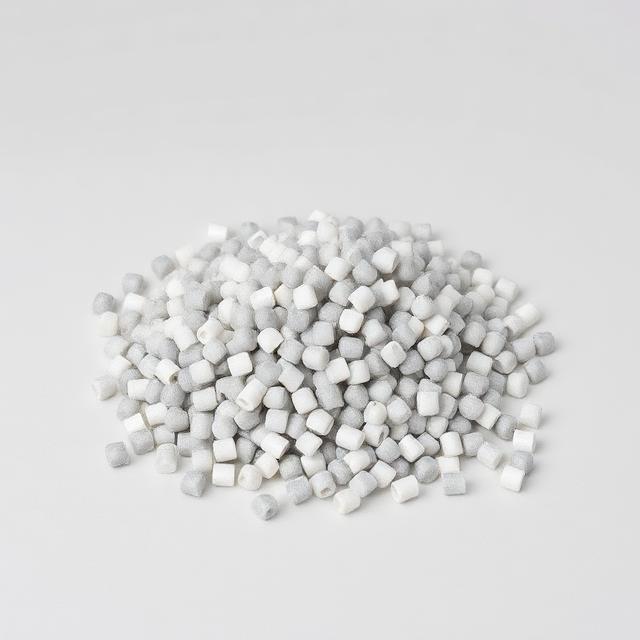
Permanent Anti-Static Masterbatch
Polymer masterbatch — permanently dissipates static charges to prevent dust accumulation and shocks regardless of atmospheric humidity.
Anti-Static Additives
Packaging film for electronics
Need a quote on Slip Additives?
Request pricing, TDS/SDS and available documentation. We usually acknowledge enquiries within one business day; samples are subject to supplier availability and product classification.