Soda Ash Light & Dense (Sodium Carbonate · Na2CO3) — Toronto & Canada
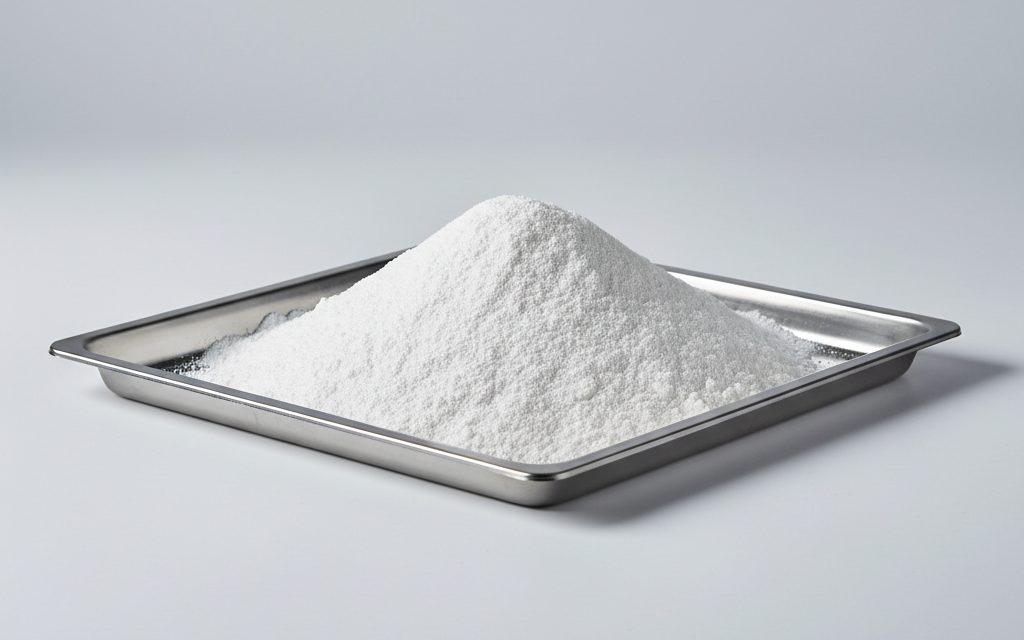
Allzone Trading supplies both light and dense soda ash (sodium carbonate, 99.2% min) to glass manufacturers, detergent formulators, water-treatment plants and pulp mills across Ontario, Quebec and Western Canada. Stock is held via our Ontario logistics partner, Ontario.
At a glance
- Product
- Soda Ash Light & Dense (Sodium Carbonate · Na2CO3)
- Grades
- Soda Ash Light 99.2% · Soda Ash Dense 99.2%
- Typical applications
- Float glass and container glass manufacturing · Powder detergents and dishwasher tabs · Water-treatment pH adjustment and softening
- Packaging
- 25 kg PP bags · 1,000 kg FIBC · 20-ton FCL
- • Certificate of Analysis is provided against the confirmed shipment, grade and batch.
- • Manufacturer TDS and SDS are subject to grade and supplier confirmation and are available on request.
- • Grades, packaging and origin above are indicative sourcing options and are confirmed at quotation.
Available grades from container-direct sourcing
Soda Ash Light 99.2%
Bulk density 0.55–0.65 g/cm³ — detergents, water treatment
Soda Ash Dense 99.2%
Bulk density 0.95–1.05 g/cm³ — glass making
Typical applications
- Float glass and container glass manufacturing
- Powder detergents and dishwasher tabs
- Water-treatment pH adjustment and softening
- Pulp and paper sulphite and kraft processes
- Metallurgy — copper and aluminium refining
- Textile dyeing and printing
Why Canadian buyers choose us
- Container-direct sourcing with Ontario logistics partner — 24–48 h dispatch across the GTA
- Direct mill / refinery sourcing from tier-1 producers, no middle layer
- Full SDS, COA, food-grade / kosher / halal certificates on request
- LTL and FTL freight across Ontario, Quebec, Alberta and BC
- Volume pricing from 25 kg pails to full 20-ton container loads
Material identity
Soda ash (light and dense) — identifiers and the names buyers use
- Chemical identity
- Sodium carbonate, Na2CO3, supplied in light and dense bulk-density forms
- Commercial split
- Light and dense grades are chosen by handling behaviour, not by chemistry
- Concentration / active content
- UNKNOWN — declared per product on supplier documentation at quotation
- Dose
- UNKNOWN — set by the water chemistry and operating conditions of the system treated
Also searched as
Abbreviations
Industry terminology
Identifiers are published for material identification. The exact specification of any offered grade is confirmed against supplier documentation at quotation.
Buyer intent coverage
Soda ash (light and dense) — what it is, where it is used, how it is chosen
Soda ash is how most plants add alkalinity and lift pH without the handling burden of caustic soda. It matters in coagulation, where iron and aluminium salts consume alkalinity and the treatment pH collapses without replacement. The light and dense distinction is purely physical: dense flows and conveys better and suits silos and bulk handling, light dissolves more readily in manual make-down. Choosing the wrong one is a materials-handling problem, not a chemistry problem, but it is a common and avoidable one.
Primary uses
- Restoring alkalinity consumed by coagulant dosing
- pH correction in drinking water, wastewater and process water
- Hardness precipitation in lime-soda softening
- General alkalinity control in industrial process water
Applications
- Municipal water and wastewater plants in Ontario, Quebec and the Prairies
- Recreational water and aquatic facility pH control
- Mining and mineral processing water circuits
- Glass, detergent and chemical manufacturing
Advantages
- Safer to handle than caustic soda for the same alkalinity duty
- Dry product with straightforward storage and no bulk liquid containment
- Widely available with multiple supply routes into eastern Canada
Limitations to consider
- Absorbs moisture and cakes if storage is not kept dry and sealed
- Dissolution generates dust and needs proper make-down equipment
- Adds sodium, which can matter where sodium or conductivity limits apply
- Light and dense grades are not interchangeable in existing handling equipment
- Dose is established on your own water by jar test, coupon monitoring or a controlled plant trial. Supplier literature values are starting points for that trial, not a specification.
- Many treatment chemicals are regulated in transport and have specific storage, containment and personal-protection requirements. The SDS for the exact product offered is the governing document, and it should be reviewed before the delivery is scheduled rather than after it arrives.
How to choose the right grade
- Start from a full water analysis and the operating conditions: temperature, cycles of concentration, holding time and metallurgy
- Say whether the duty is pH correction, scale inhibition, corrosion inhibition or a combination, because those are different products
- Confirm the metallurgy actually present, including any copper alloys, since inhibitor selection follows it
- Confirm whether the system feeds a potable, food-contact or membrane application, which restricts what can be used
- Confirm the discharge conditions, since phosphorus and metals limits can rule out otherwise suitable chemistry
- Confirm what is already dosed: interactions between programmes cause more failures than the chemicals themselves
- Scale and corrosion programmes are designed against the water chemistry and the operating conditions of the specific system — hardness, alkalinity, silica, temperature, cycles of concentration and metallurgy. A product that performs well in one cooling tower can be the wrong choice in the next one down the street.
- Exact specification is confirmed against supplier documentation at quotation.
Typical grades
- Light grade
- Dense grade
- Food grade where the supplier declares it
- Solution strength and active content are per-offer values, and they change the dose and the true cost per unit of water treated. Compare quotations on active content delivered, not on price per litre or per kilogram, and read the value from the supplier documentation for the exact product offered.
- Drinking-water and food-contact applications require certification held for the specific product and manufacturing site. Whether the product offered carries it is confirmed against supplier documentation at quotation and is never presented here as a held approval.
Comparable materials — how Soda ash (light and dense) sits against alternatives
- Caustic soda
- Calcium hydroxide (hydrated lime)
- Sodium bicarbonate for gentler correction
- Buyers looking for an alternative or second-source supplier should state the incumbent product and the property being matched. Treatment chemicals are rarely interchangeable on name alone: comparison depends on declared documentation and on a controlled trial in the running system.
Comparable-material reference. Grade selection is confirmed at RFQ against your process.
Procurement coverage
How to specify, order and receive Soda ash (light and dense)
Written for procurement, quality and technical buyers in Canada and the United States. No numeric price, MOQ, stock or lead-time value is published — those are confirmed per shipment in the quotation and against the confirmed batch.
How buyers specify at RFQ
- Product identity and the function it performs in the programme
- Active content or assay as the supplier declares it for the exact product offered
- Physical form and the feed or make-down equipment it requires
- Thermal and pH stability limits as the supplier states them
- Compatibility with other products already dosed in the same system
- Certification or regulatory status where the water reaches a regulated use
Packaging options (industry-standard)
- Bag format for manual make-up and small dosing systems
- Jumbo / FIBC bag where consumption is continuous and the site has lifting and discharge equipment
- Bulk or container load where silo or bulk intake exists
- Packaging options and available pack sizes are confirmed with each quotation.
Storage & handling
- Store dry, sealed and off the floor; absorbed moisture causes caking and changes the way the product feeds and dissolves
- Segregate oxidisers, acids and reducing agents; storing them together is the most common cause of serious incidents with these products
- Rotate stock and record lot numbers against each treatment period for traceability
- Chemical incompatibility in storage and dosing is a genuine safety issue on treatment sites. Confirm segregation distances, separate containment, dedicated fill points and clearly distinct connections before a new product is introduced alongside an existing one.
Documentation available
- Technical data sheet (TDS) for the exact grade offered, stating assay, form and particle size as the supplier reports them
- Safety data sheet (SDS) in the format required for Canadian import, including dust and incompatibility guidance
- Certificate of analysis (COA) against the confirmed batch
- Food, feed or potable-service declaration where the end use sits under a regulated framework
- Documentation is confirmed per batch at quotation; availability depends on the grade and supplier offered.
RFQ checklist for soda-ash-light-dense-canada
Include these fields to receive an accurate Canada-landed quotation
- The system being treated and what it does — drinking water, effluent, cooling, boiler, process or recreational water
- The problem you are trying to solve, and the limit or target you have to meet
- A current water or effluent analysis, since it decides what will actually work
- Annual volume and expected per-shipment quantity
- Packaging format your receiving and dosing installation can accept
- Documentation required per shipment, including any potable-service certification
- Delivery province and site receiving arrangements
- Full water analysis including hardness, alkalinity, silica, chloride and pH
- Operating temperature, cycles of concentration and system metallurgy
- The existing treatment programme and any product being replaced
- Discharge limits that apply to the blowdown or effluent
- Dilute treatment solutions are largely water by weight, so freight distance, delivery format and discharge arrangements move landed cost as much as the chemical price does. Quotations are compared delivered to your plant, not ex-works.
- Whatever is dosed has to be measured. Confirm which residual, index or coupon test the programme is controlled against, and that your team has the instruments and reagents to run it, before the chemistry is changed.
Technical & procurement detail
Light vs dense soda ash — picking the right bulk density+
Light soda ash has a low bulk density (~0.6 g/cm³), which improves blending into powder detergents and dissolves quickly in water-treatment applications. Dense soda ash (~1.0 g/cm³) has larger granules that resist dusting and segregation, ideal for the high-temperature glass furnace where uniform batch composition matters.
Use in Ontario glass and detergent industries+
Container-glass manufacturers in southern Ontario consume dense soda ash by the thousand-ton-per-month, typically shipped FCL on dedicated rail. Detergent formulators in the GTA take light grade by 24-ton FTL.
Frequently asked questions
What is the difference between soda ash and baking soda?+
Soda ash is sodium carbonate (Na2CO3), strongly alkaline. Baking soda is sodium bicarbonate (NaHCO3), much milder. Soda ash is used in glass, detergent and pH adjustment; baking soda is used in food and flue-gas scrubbing.
Do you ship soda ash by rail to Western Canada?+
Yes — large volumes for Western Canadian glass plants move by intermodal rail from our Toronto staging yard.
What is the minimum order?+
From a single 25 kg bag for hobbyist soap-makers up to multi-container monthly contracts for industrial buyers.
Technical knowledge for Soda Ash (Light & Dense, Na2CO3 99.2%) Supplier — Toronto, Canada
Engineering and purchasing guidance written for this material — understand it, apply it, compare options, specify a grade, and fix production problems.
Foundation Articles
Application Guides
Comparison Articles
Troubleshooting Guides
Related products
Materials commonly quoted alongside Soda Ash Light & Dense (Sodium Carbonate · Na2CO3) by the same plants.
Sodium Bicarbonate (Baking Soda · NaHCO3)
Alkali / pH control — bakery, biscuit and confectionery leavening
Citric Acid Anhydrous & Monohydrate
Organic acid / acidulant — carbonated and still beverages — acidity regulator
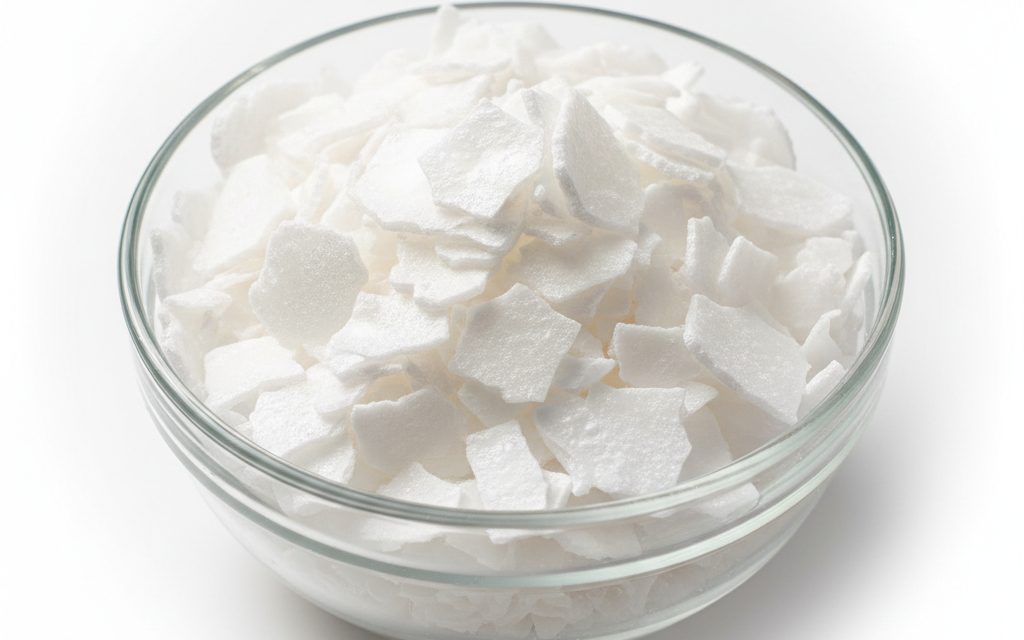
Caustic Soda Flakes & Pearls (Sodium Hydroxide · NaOH 99%)
Alkali / pH control — soap, detergent and biodiesel manufacturing
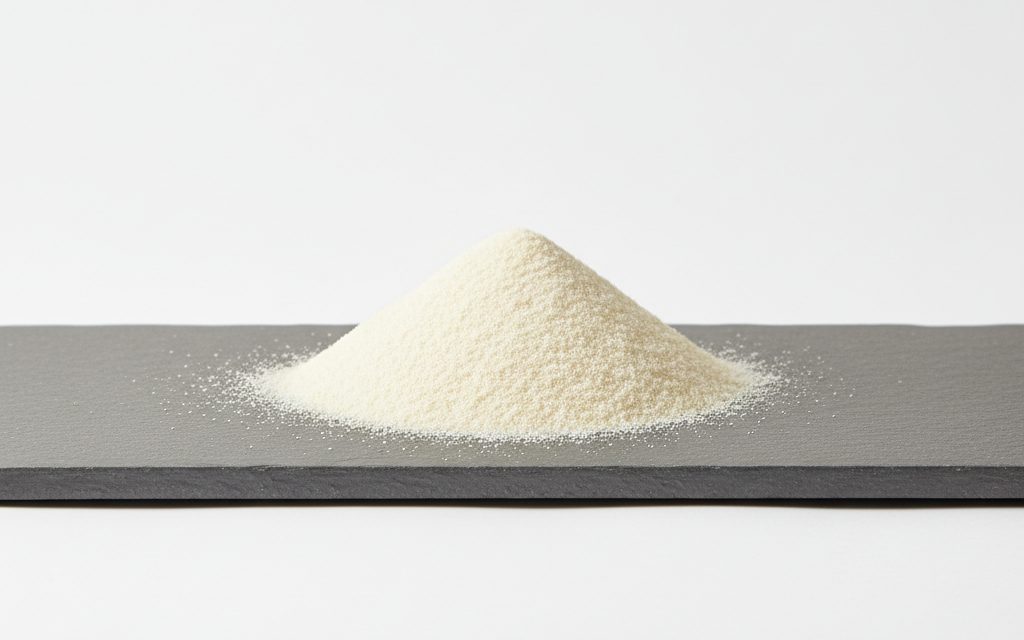
Xanthan Gum
Rheology modifier and thickener — gluten-free bakery and confectionery
Need a quote on Soda Ash Light & Dense (Sodium Carbonate · Na2CO3)?
Request pricing, TDS/SDS and available documentation. We usually acknowledge enquiries within one business day; samples are subject to supplier availability and product classification.
Explore solutions, technical knowledge and regional supply pages for this commodity.