
SEBS — Hydrogenated Thermoplastic Elastomer
SEBS is the hydrogenated form of SBS, with a saturated mid-block that resists heat, oxygen and UV attack. Allzone supplies SEBS to Canadian compounders and product manufacturers with the grade confirmed against supplier documentation before quotation.
At a glance
- Product
- SEBS
- Grades
- Hydrogenated Thermoplastic Elastomer
- Typical applications
- Thermoplastic elastomer compounds and soft-touch overmoulding · Medical tubing, closures and non-PVC device components · Weather-resistant sealants and adhesive base polymer
- Packaging
- Packaging confirmed at quotation
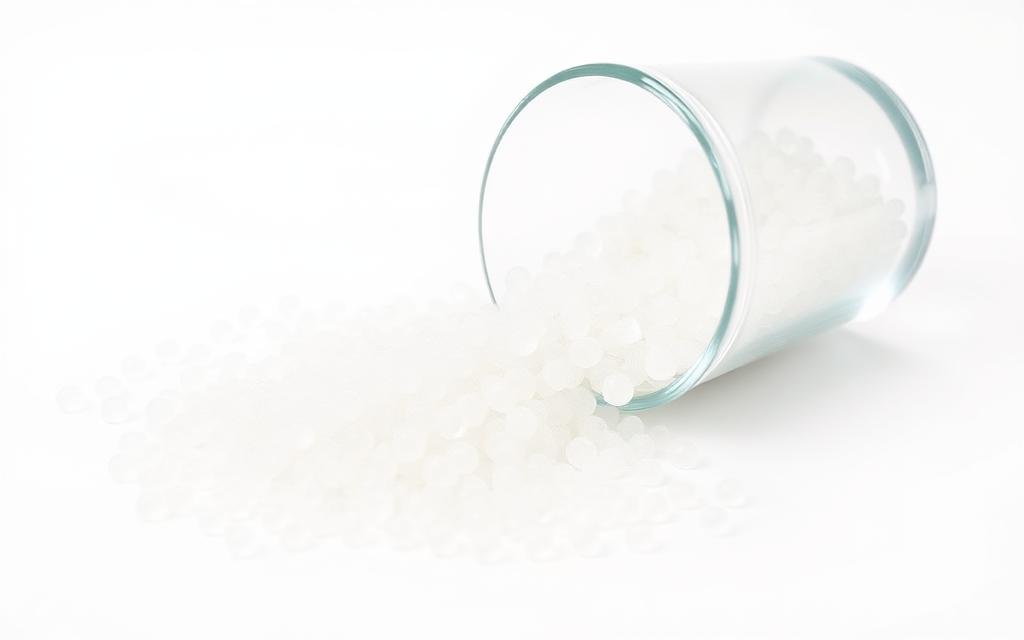
- • Certificate of Analysis is provided against the confirmed shipment, grade and batch.
- • Manufacturer TDS and SDS are subject to grade and supplier confirmation and are available on request.
- • Grades, packaging and origin above are indicative sourcing options and are confirmed at quotation.
Available grades from container-direct sourcing
Hydrogenated Thermoplastic Elastomer
Grade and specification confirmed against supplier technical data sheet at quotation.
Typical applications
- Thermoplastic elastomer compounds and soft-touch overmoulding
- Medical tubing, closures and non-PVC device components
- Weather-resistant sealants and adhesive base polymer
- Wire and cable compounds and viscosity index improvers
Why Canadian buyers choose us
- Container-direct sourcing coordinated through our Ontario logistics partner
- Supplier documentation (TDS, SDS, COA) requested and shared before order confirmation
- Specifications confirmed in writing at quotation stage — no assumed values
- LTL and FTL freight across Ontario, Quebec and Western Canada
- Quantities reviewed per enquiry, from smaller lots to full container loads
Typical industries served
Material identity
SEBS (styrene-ethylene-butylene-styrene) block copolymer — identifiers and the names buyers use
- CAS
- 66070-58-4
- Polymer family
- Hydrogenated styrenic block copolymer
- Key commercial variables
- Styrene ratio, molecular weight and oil extension — declared per grade
Also searched as
Abbreviations
Industry terminology
Identifiers are published for material identification. The exact specification of any offered grade is confirmed against supplier documentation at quotation.
Buyer intent coverage
SEBS (styrene-ethylene-butylene-styrene) block copolymer — what it is, where it is used, how it is chosen
SEBS is the hydrogenated version of SBS: removing the double bonds in the mid-block makes the polymer far more resistant to heat, oxygen and ultraviolet exposure, which is why it dominates thermoplastic-elastomer compounds that have to survive outdoors or in long-life consumer parts. It is bought mainly by compounders producing soft-touch grips, overmoulded assemblies, sealing profiles and medical or food-contact tubing compounds, where the compound recipe rather than the base polymer name determines performance.
Primary uses
- Formulating thermoplastic-elastomer compounds for overmoulding
- Producing soft-touch grips, seals and gaskets
- Modifying polyolefins for impact and flexibility
- Building oil gels for cable filling and damping compounds
Applications
- Overmoulded tool and appliance handles
- Automotive interior soft components and sealing parts
- Medical and food-contact tubing compounds where the grade permits
- Weather-exposed profiles that would degrade in an unsaturated polymer
Advantages
- Hydrogenated backbone gives markedly better ageing and weathering behaviour than unsaturated block copolymers
- Compatible with polypropylene overmoulding, which allows single-material recycling routes
- Wide hardness range achievable through oil and filler loading in the compound
Limitations to consider
- Costs more than the unsaturated equivalents, so it is specified where ageing matters
- Neat polymer is difficult to process without oil and process aids in the compound
- Adhesion in overmoulding depends on the substrate and on the compound design, not on the polymer alone
How to choose the right grade
- Define the end system first — bitumen modification, adhesive, compounding or footwear each favour a different structure
- State the required service temperature range and whether the part sees sunlight or ozone
- Confirm the physical form your equipment can feed (porous pellet, crumb, powder or bale)
- Compare declared hardness and styrene or acrylonitrile content before comparing anything else
- Exact specification is confirmed against supplier documentation at quotation.
Typical grades
- High-styrene grade
- Low-styrene grade
- Oil-extended grade
- High-molecular-weight grade
- Medical or food-contact compound grade
- Reference grade names are widely used as shorthand in enquiries. They are treated here as search language only: an equivalent is confirmed by comparing declared datasheet values and by a line trial, and no grade is presented as a drop-in replacement for another.
Comparable materials — how SEBS (styrene-ethylene-butylene-styrene) block copolymer sits against alternatives
- SBS where outdoor ageing is not a factor
- TPV for higher heat and compression set
- TPU for abrasion-driven applications
- Buyers searching for an alternative or second-source supplier should state the incumbent grade and the property they are matching, because a like-for-like comparison depends on the declared datasheet values and on line trials, not on the material name alone.
Comparable-material reference. Grade selection is confirmed at RFQ against your process.
Procurement coverage
How to specify, order and receive SEBS (styrene-ethylene-butylene-styrene) block copolymer
Written for procurement, quality and technical buyers in Canada and the United States. No numeric price, MOQ, stock or lead-time value is published — those are confirmed per shipment in the quotation and against the confirmed batch.
How buyers specify at RFQ
- Polymer structure (linear or radial) and declared styrene content
- Hardness and the target modulus of the finished compound
- Physical form and bulk density the feeding system accepts
- Oil extension present or absent
- Service temperature range and weathering exposure
- Regulatory status required for the finished part
Packaging options (industry-standard)
- 25 kg bag — the standard format for small and medium converters
- Octabin or jumbo / FIBC bag for higher-volume moulding and extrusion lines
- Bulk silo truck or rail hopper where the plant has compatible intake and drying
- Packaging options and available pack sizes are confirmed with each quotation.
Storage & handling
- Store sealed, dry and off the floor; moisture pick-up shows up as splay, voids and property loss
- Keep hygroscopic polymers in their original sealed packaging until they go to the dryer
- Rotate stock and record lot numbers against each production run for traceability
Documentation available
- Technical data sheet (TDS) for the exact grade offered, including the declared melt index and density
- Safety data sheet (SDS) in the format required for Canadian import
- Certificate of analysis (COA) against the confirmed production lot
- Food-contact or regulatory declaration where the end use requires it
- Documentation is confirmed per batch at quotation; availability depends on the grade and supplier offered.
RFQ checklist for sebs-canada
Include these fields to receive an accurate Canada-landed quotation
- Base polymer and the process the material runs on (extrusion, injection, blow moulding, thermoforming)
- Machine type, output rate and the processing temperature window
- End application and whether the finished part is food-contact, potable-water or outdoor
- Annual volume and expected per-shipment quantity
- Packaging format your intake and feeding system can receive
- Documentation required per shipment
- Delivery province or port of discharge
- Compound or system the elastomer goes into and the incumbent grade being matched
- Physical form your mixing or feeding equipment accepts
Technical & procurement detail
Functional role of sebs+
Hydrogenating the butadiene mid-block removes the double bonds that make SBS vulnerable to ageing. The result keeps thermoplastic elastomer behaviour but survives outdoor exposure, sterilisation and prolonged heat, which is why SEBS dominates soft-touch overmoulding, medical tubing and weather-exposed sealing components.
Selecting the right grade+
Styrene content, molecular weight and whether the grade is oil-extended or functionalised (for example maleated) determine hardness range, compound flow and adhesion to engineering substrates. Overmoulding substrate, target Shore hardness and regulatory requirements drive selection.
Documentation and specification+
Properties differ between producers and between grades of the same material. Allzone confirms the applicable grade with the supplier before quoting and shares the technical data sheet and safety data sheet for the exact material offered, so the values you evaluate are the values you receive.
Frequently asked questions
Why choose SEBS over SBS?+
SEBS has a saturated mid-block, so it resists heat, oxidation and UV far better than SBS. It is chosen wherever the part is exposed to weather, sterilisation or long-term heat; SBS remains the lower-cost option for protected indoor use.
Which grade will I be quoted?+
The grade is set by your specification. Share the target performance, process conditions and any customer or regulatory requirement in the RFQ and the matching grade is confirmed with the supplier before quotation.
What packaging is available?+
Packaging is confirmed with the supplier at quotation for the grade and quantity discussed.
Can you deliver across Ontario and Quebec?+
Yes. LTL and FTL freight is arranged across Ontario, Quebec and Western Canada, with container-direct supply for repeat volumes.
Technical knowledge for SEBS Supplier — Thermoplastic Elastomer Canada
Engineering and purchasing guidance written for this material — understand it, apply it, compare options, specify a grade, and fix production problems.
Application Guides
Comparison Articles
Buying Guides
Related products
Materials commonly quoted alongside SEBS by the same plants.
Calcium Carbonate (CaCO3) Filler & Masterbatch
Mineral filler — raffia woven sacks and FIBC liners
Titanium Dioxide (TiO2)
Pigment — plastic white masterbatch (PE / PP / PS / PET)
Talc Filler & Talc Masterbatch
Mineral carrier and flow aid — polypropylene automotive bumpers and interior trim
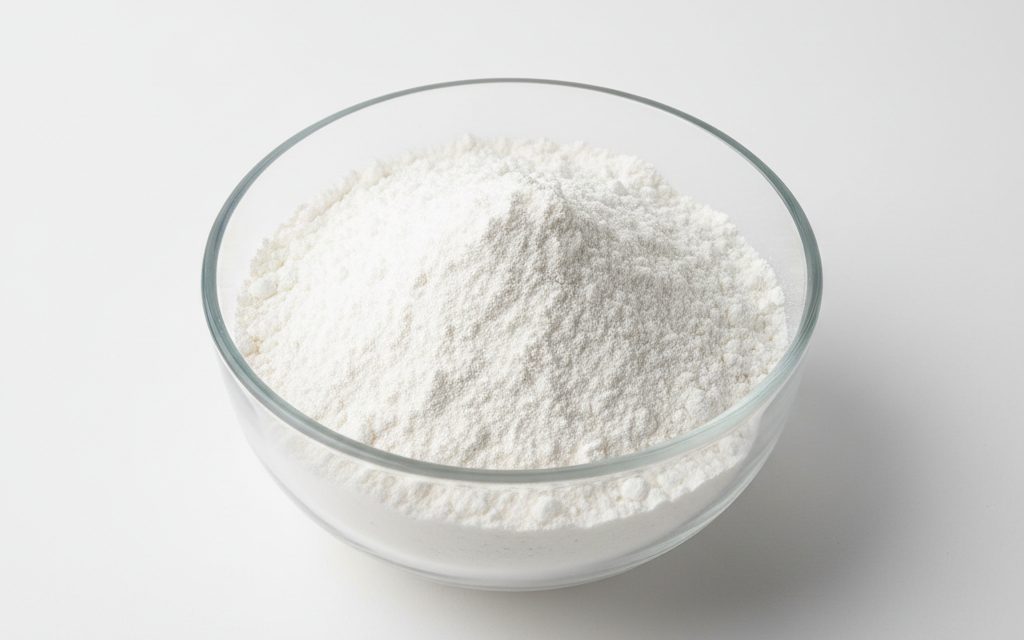
Barium Sulfate
Mineral filler — density and sound damping compounds
Need a quote on SEBS?
Request pricing, TDS/SDS and available documentation. We usually acknowledge enquiries within one business day; samples are subject to supplier availability and product classification.