
Pectin — Food Grade
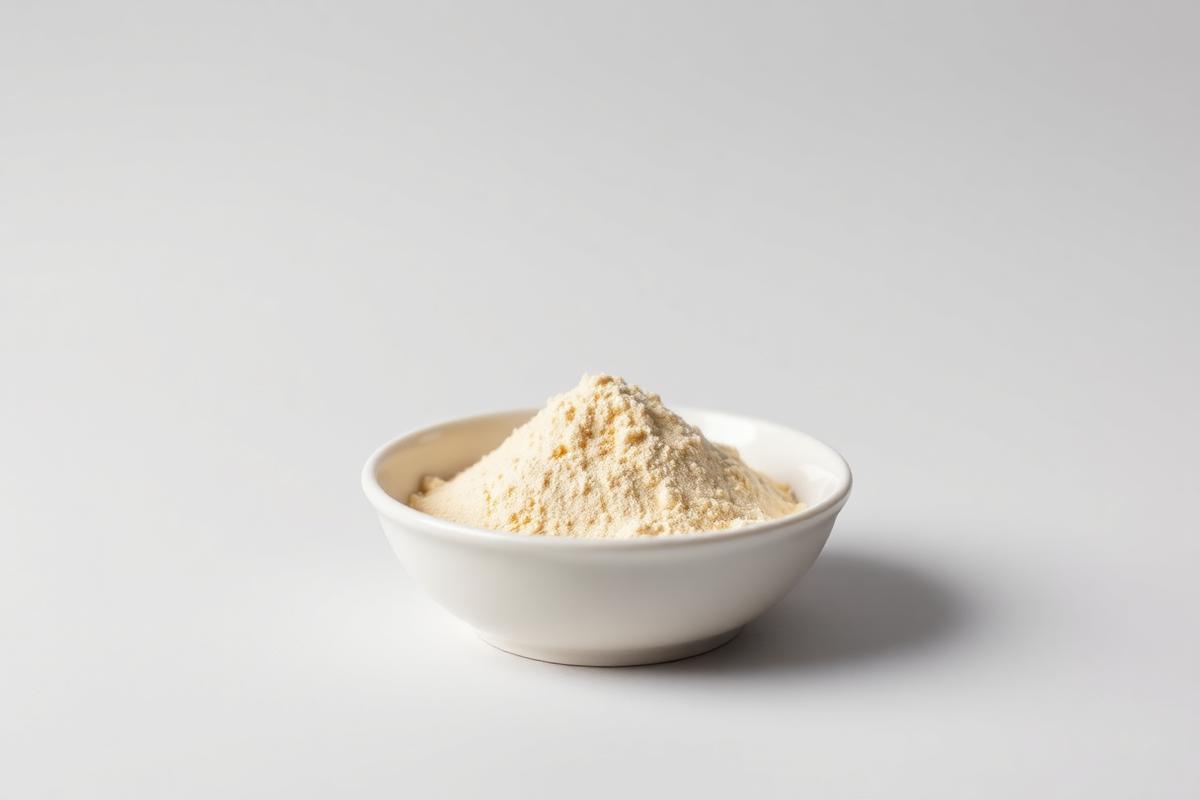
Allzone Trading supplies food grade pectin to food manufacturers across Ontario, Quebec and Canada. Pectin is a fruit-derived hydrocolloid used for gelling, thickening and stabilising in food applications. Grade details and documentation are confirmed with the supplier at quotation.
At a glance
- Product
- Pectin
- Grades
- Food Grade
- Typical applications
- Jams, jellies and fruit preparations · Bakery fillings and glazes · Dairy and fermented drinks
- Packaging
- 25 kg bags
- • Certificate of Analysis is provided against the confirmed shipment, grade and batch.
- • Manufacturer TDS and SDS are subject to grade and supplier confirmation and are available on request.
- • Grades, packaging and origin above are indicative sourcing options and are confirmed at quotation.
Available grades from container-direct sourcing
Food Grade
Specification confirmed against supplier technical data sheet at quotation.
Typical applications
- Jams, jellies and fruit preparations
- Bakery fillings and glazes
- Dairy and fermented drinks
- Confectionery products
- Beverages requiring stabilisation
Why Canadian buyers choose us
- Container-direct sourcing coordinated through our Ontario logistics partner
- Supplier documentation (TDS, SDS, COA) requested and shared before order confirmation
- Specifications confirmed in writing at quotation stage — no assumed values
- LTL and FTL freight across Ontario, Quebec and Western Canada
- Quantities from single 25 kg bags to full container loads
Material identity
Pectin (HM / LM / amidated) — identifiers and the names buyers use
- CAS
- 9000-69-5
- Food additive number
- E440 / INS 440
- Source
- Citrus peel or apple pomace
Also searched as
Abbreviations
Industry terminology
Identifiers are published for material identification. The exact specification of any offered grade is confirmed against supplier documentation at quotation.
Buyer intent coverage
Pectin (HM / LM / amidated) — what it is, where it is used, how it is chosen
Pectin splits into two commercial systems that behave nothing alike. High-methoxyl pectin needs high sugar and low pH to set and is the classic jam gelling agent. Low-methoxyl and amidated pectin set with calcium and work in reduced-sugar and dairy systems. Canadian demand sits with Ontario and Quebec fruit preparation and dairy processing, and with fruit pack seasons in British Columbia.
Primary uses
- Gelling jam, jelly and fruit preparations
- Setting bakery fillings that survive an oven pass
- Protecting protein against aggregation in acidified drinks
- Restoring body and mouthfeel in reduced-sugar products
Applications
- Jam, jelly and marmalade
- Fruit preparation for yoghurt and dairy desserts
- Bakery fruit fillings
- Drinking yoghurt and acidified dairy
- Confectionery jellies and gums
Advantages
- Clean, short texture that releases flavour well
- Set speed can be selected — rapid, medium or slow
- Low-methoxyl grades work at low sugar and in dairy
- Well-established regulatory acceptance as a fruit-derived ingredient
Limitations to consider
- High-methoxyl pectin will not set without both sugar and acid
- Pre-gelation during filling ruins a batch if set speed is mismatched to line speed
- Calcium in the recipe or water strongly affects LM behaviour
- Grade strength is method-dependent, so numbers from different suppliers may not be comparable
How to choose the right grade
- Decide HM or LM from your sugar level and pH before anything else
- Match the set speed to filling temperature and line speed
- State the calcium available in your system for LM grades
- Confirm the grade strength method used, not just the number
Typical grades
- High-methoxyl rapid set
- High-methoxyl slow set
- Low-methoxyl conventional
- Low-methoxyl amidated
- Standardised jam and fruit-prep blends
Comparable materials — how Pectin (HM / LM / amidated) sits against alternatives
- Sodium alginate — calcium set without sugar or acid
- Gellan gum — lower dose, more brittle set
- Modified starch — body without a true gel
- Gelatin — animal origin, melts in the mouth
Comparable-material reference. Grade selection is confirmed at RFQ against your process.
Procurement coverage
How to specify, order and receive Pectin (HM / LM / amidated)
Written for procurement, quality and technical buyers in Canada and the United States. No numeric price, MOQ, stock or lead-time value is published — those are confirmed per shipment in the quotation and against the confirmed batch.
How buyers specify at RFQ
- HM or LM, and amidated or not
- Degree of esterification
- Grade strength with the method used
- Set speed and setting temperature
- Sugar level, pH and calcium in the finished system
Packaging options (industry-standard)
- Multi-wall paper or PP bag — the standard industrial dry-ingredient format
- Jumbo / FIBC bulk bag for high-volume users
- Packaging options and available pack sizes are confirmed with each quotation.
Storage & handling
- Store cool and dry; pectin loses grade strength slowly in warm storage
- Dry-blend with sugar before dispersion to prevent lumping
- Use standardised blends where batch-to-batch set consistency matters
Documentation available
- Technical data sheet (TDS) for the offered grade
- Safety data sheet (SDS) in the format required for Canadian import
- Certificate of analysis (COA) against the confirmed batch
- Allergen, non-GMO, Halal and Kosher statements where the grade supports them
- Documentation is confirmed per batch at quotation; availability depends on the grade and supplier offered.
RFQ checklist for pectin-food-grade-canada
Include these fields to receive an accurate Canada-landed quotation
- Grade and function required (thicken, gel or stabilise)
- Target viscosity or gel strength with the test conditions you measure at
- Annual and per-shipment volume
- Packaging format your plant can receive
- Documentation and regulatory letters required
- Delivery province or port of discharge
- Sugar level, pH, calcium and the set speed your line needs
Technical & procurement detail
Where pectin is used+
Pectin is used where gel structure, texture or stability is required, most commonly in fruit preparations, bakery fillings, confectionery and acidified dairy drinks. The suitable pectin type depends on the recipe and process used.
Verified documentation+
Allzone provides the supplier technical data sheet for the specific pectin grade under discussion rather than generic published values, so formulation decisions are based on confirmed information.
Frequently asked questions
Which pectin type is right for my product?+
It depends on your recipe and process. Share the application and we will match it to a supplier grade and provide the technical data sheet.
What packaging is available?+
Typical packaging is 25 kg bags. Other packaging can be reviewed on request.
Do you supply high-methoxyl or low-methoxyl pectin?+
Both are reviewed per enquiry. Share your sugar level, pH and target set, and we will confirm the matching supplier grade and provide its technical data sheet.
Can you deliver to Ontario and Quebec food plants?+
Yes. LTL and FTL freight is arranged across Ontario, Quebec and Western Canada, and full container loads can be shipped direct.
Technical knowledge for Pectin Food Grade Supplier — Canada
Engineering and purchasing guidance written for this material — understand it, apply it, compare options, specify a grade, and fix production problems.
Foundation Articles
Related products
Materials commonly quoted alongside Pectin by the same plants.
Xanthan Gum
Rheology modifier and thickener — gluten-free bakery and confectionery
Guar Gum Powder
Rheology modifier and thickener — bakery and gluten-free formulations
CMC (Carboxymethyl Cellulose)
Rheology modifier and thickener — ice cream and frozen desserts
Need a quote on Pectin?
Request pricing, TDS/SDS and available documentation. We usually acknowledge enquiries within one business day; samples are subject to supplier availability and product classification.