
CMC (Carboxymethyl Cellulose) — Food Grade
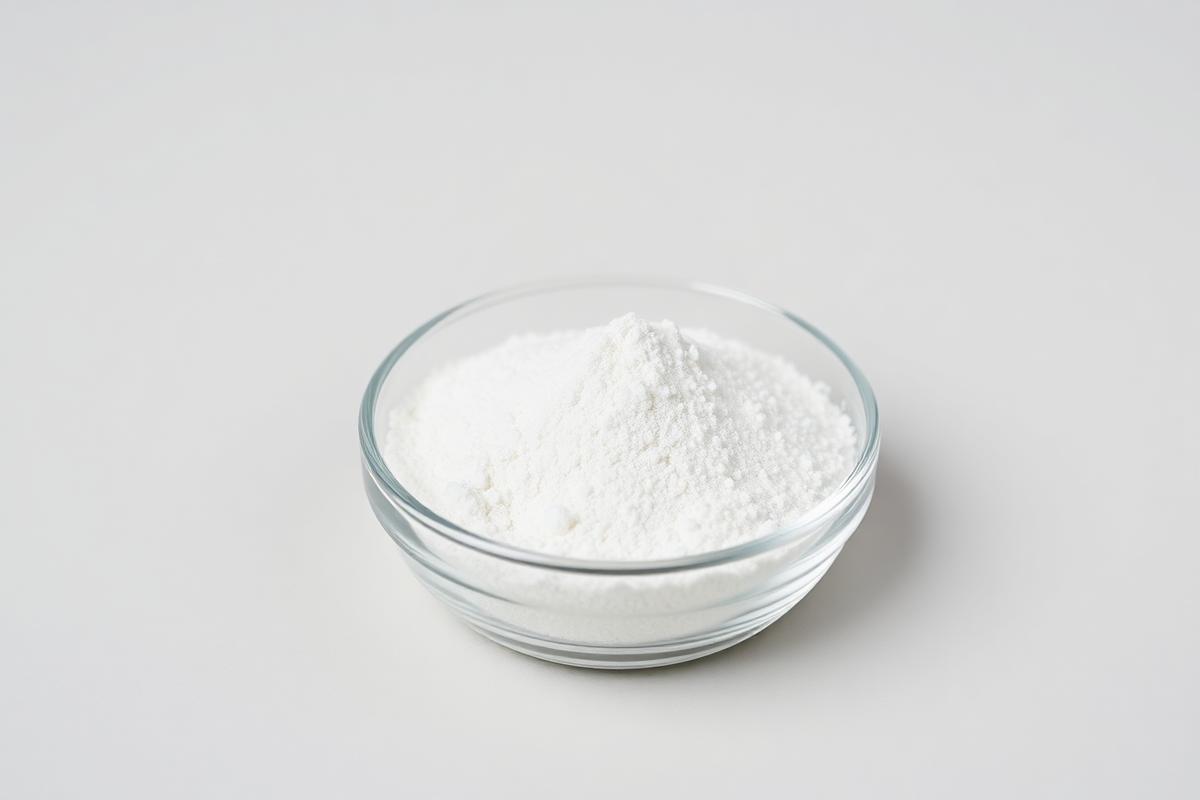
Allzone Trading supplies food grade CMC (carboxymethyl cellulose) to food manufacturers in Ontario, Quebec and across Canada. CMC is a cellulose-derived hydrocolloid used for thickening, water binding and stabilisation in food systems. Specifications are confirmed against supplier documentation at quotation.
At a glance
- Product
- CMC (Carboxymethyl Cellulose)
- Grades
- Food Grade
- Typical applications
- Ice cream and frozen desserts · Dairy and dairy alternative beverages · Bakery products and doughs
- Packaging
- 25 kg bags
- • Certificate of Analysis is provided against the confirmed shipment, grade and batch.
- • Manufacturer TDS and SDS are subject to grade and supplier confirmation and are available on request.
- • Grades, packaging and origin above are indicative sourcing options and are confirmed at quotation.
Available grades from container-direct sourcing
Food Grade
Specification confirmed against supplier technical data sheet at quotation.
Typical applications
- Ice cream and frozen desserts
- Dairy and dairy alternative beverages
- Bakery products and doughs
- Sauces, dressings and syrups
- Beverages requiring stabilisation
Why Canadian buyers choose us
- Container-direct sourcing coordinated through our Ontario logistics partner
- Supplier documentation (TDS, SDS, COA) requested and shared before order confirmation
- Specifications confirmed in writing at quotation stage — no assumed values
- LTL and FTL freight across Ontario, Quebec and Western Canada
- Quantities from single 25 kg bags to full container loads
Material identity
Carboxymethyl cellulose (CMC / cellulose gum) — identifiers and the names buyers use
- CAS
- 9004-32-4
- Food additive number
- E466 / INS 466
- Chemical family
- Sodium carboxymethyl cellulose
Also searched as
Abbreviations
Industry terminology
Identifiers are published for material identification. The exact specification of any offered grade is confirmed against supplier documentation at quotation.
Buyer intent coverage
Carboxymethyl cellulose (CMC / cellulose gum) — what it is, where it is used, how it is chosen
CMC is a water-soluble cellulose ether whose performance is set by two numbers: degree of substitution, which governs solubility and salt tolerance, and viscosity grade, which governs body. It is the workhorse stabiliser of Canadian dairy-drink, bakery and ice-cream production, and technical grades serve detergent, paper and drilling-fluid formulation.
Primary uses
- Preventing protein sedimentation in acidified dairy and plant drinks
- Retaining water in bakery and reducing staling
- Controlling ice crystal growth and giving body in frozen dessert
- Suspending solids and preventing soil redeposition in detergents
- Controlling fluid loss in water-based drilling fluids
Applications
- Acidified dairy drinks and drinking yoghurt
- Ice cream and frozen dessert
- Bread, tortilla and gluten-free bakery
- Sauces, dressings and fillings
- Laundry and dishwash powders
- Drilling and completion fluids
- Paper coating and textile sizing
Advantages
- Cold soluble, so it fits both dry blends and liquid dosing
- Wide viscosity range from a single chemistry
- Effective at low dose for protein protection in acid systems
- Available in food, technical, detergent and oilfield grade families
Limitations to consider
- Viscosity drops sharply in high-salt or hard-water systems unless a suitable DS is chosen
- Not a gelling agent — it thickens and suspends but does not set
- Prone to lumping if added without shear or pre-blending
- Grades are not interchangeable; DS and viscosity must both be specified
How to choose the right grade
- State the degree of substitution needed for your salt and pH environment
- Give the viscosity target with concentration, spindle, speed and temperature
- Decide granular versus fine powder based on your dispersion equipment
- Match the grade family to the regulated end use — food, technical, detergent or oilfield
Typical grades
- Food grade, low viscosity
- Food grade, medium viscosity
- Food grade, high viscosity
- Technical / industrial grade
- Detergent grade
- Oilfield fluid-loss grade
Comparable materials — how Carboxymethyl cellulose (CMC / cellulose gum) sits against alternatives
- Xanthan gum — higher salt tolerance and different flow
- Guar gum — lower cost cold thickening, less acid stability
- Microcrystalline cellulose — suspension with a different mouthfeel
- HPMC — thermal gelation where that behaviour is wanted
Comparable-material reference. Grade selection is confirmed at RFQ against your process.
Procurement coverage
How to specify, order and receive Carboxymethyl cellulose (CMC / cellulose gum)
Written for procurement, quality and technical buyers in Canada and the United States. No numeric price, MOQ, stock or lead-time value is published — those are confirmed per shipment in the quotation and against the confirmed batch.
How buyers specify at RFQ
- Degree of substitution
- Viscosity grade with full test conditions
- Purity / assay and sodium chloride content
- Particle size and dispersion behaviour
- End use and required documentation
Packaging options (industry-standard)
- Multi-wall paper or PP bag — the standard industrial dry-ingredient format
- Jumbo / FIBC bulk bag for high-volume users
- Packaging options and available pack sizes are confirmed with each quotation.
Storage & handling
- Keep dry and sealed; CMC is hygroscopic
- Add to the vortex under shear or dry-blend with other solids
- Segregate food and technical grades in the warehouse
Documentation available
- Technical data sheet (TDS) for the offered grade
- Safety data sheet (SDS) in the format required for Canadian import
- Certificate of analysis (COA) against the confirmed batch
- Allergen, non-GMO, Halal and Kosher statements where the grade supports them
- Documentation is confirmed per batch at quotation; availability depends on the grade and supplier offered.
RFQ checklist for cmc-carboxymethyl-cellulose-food-grade-canada
Include these fields to receive an accurate Canada-landed quotation
- Grade and function required (thicken, gel or stabilise)
- Target viscosity or gel strength with the test conditions you measure at
- Annual and per-shipment volume
- Packaging format your plant can receive
- Documentation and regulatory letters required
- Delivery province or port of discharge
- Degree of substitution and salt/pH environment of the finished system
Technical & procurement detail
Function of CMC in food formulations+
CMC is used as a thickener, water-binding agent and stabiliser. It is frequently chosen in dairy, bakery and beverage applications where texture control and product stability over shelf life are the main formulation objectives.
Documentation on request+
Supplier technical data sheets and safety data sheets are provided for the specific grade under discussion. Allzone does not publish specification values that have not been verified against supplier documentation.
Frequently asked questions
What packaging is available?+
Typical packaging is 25 kg bags. Other packaging can be reviewed on request.
Can you supply documentation?+
Yes — technical data sheets and safety data sheets are shared for the exact grade quoted.
Which viscosity grade should I ask for?+
Viscosity grade drives texture and dosage, and differs between producers. Send your application, target viscosity and process conditions, and the matching supplier grade and its technical data sheet will be provided.
Do you deliver CMC across Canada?+
Yes. Deliveries are arranged by LTL or FTL freight across Ontario, Quebec and Western Canada, with container-direct supply for larger volumes.
Technical knowledge for CMC Carboxymethyl Cellulose Food Grade — Canada
Engineering and purchasing guidance written for this material — understand it, apply it, compare options, specify a grade, and fix production problems.
Foundation Articles
Related products
Materials commonly quoted alongside CMC (Carboxymethyl Cellulose) by the same plants.
Xanthan Gum
Rheology modifier and thickener — gluten-free bakery and confectionery
Guar Gum Powder
Rheology modifier and thickener — bakery and gluten-free formulations
Need a quote on CMC (Carboxymethyl Cellulose)?
Request pricing, TDS/SDS and available documentation. We usually acknowledge enquiries within one business day; samples are subject to supplier availability and product classification.