
Modified Starch — Food Grade
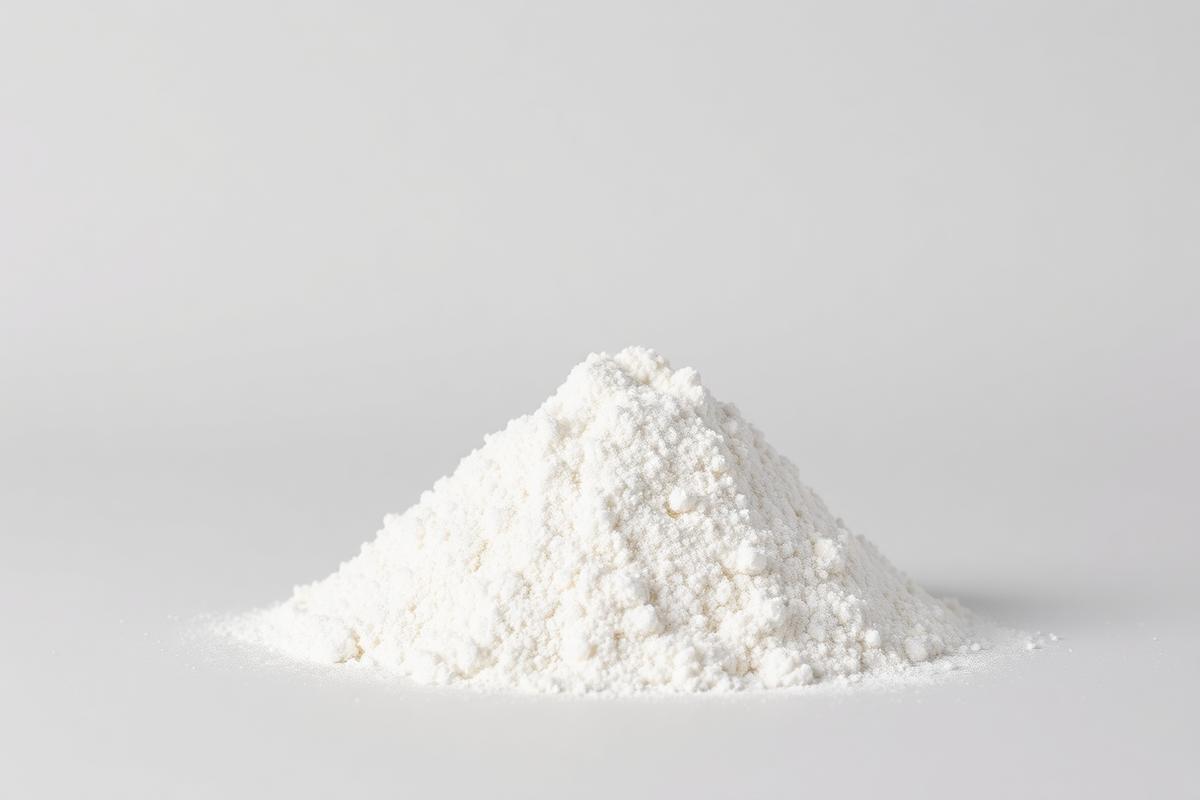
Allzone Trading supplies food grade modified starch to food processors across Ontario, Quebec and Canada. Modified starches are used as thickening, stabilising and texturising ingredients in industrial food production. Grade selection is confirmed against supplier documentation at quotation.
At a glance
- Product
- Modified Starch
- Grades
- Food Grade
- Typical applications
- Sauces, soups and gravies · Bakery fillings and creams · Dairy and dessert products
- Packaging
- 25 kg bags
- • Certificate of Analysis is provided against the confirmed shipment, grade and batch.
- • Manufacturer TDS and SDS are subject to grade and supplier confirmation and are available on request.
- • Grades, packaging and origin above are indicative sourcing options and are confirmed at quotation.
Available grades from container-direct sourcing
Food Grade
Specification confirmed against supplier technical data sheet at quotation.
Typical applications
- Sauces, soups and gravies
- Bakery fillings and creams
- Dairy and dessert products
- Ready meals and processed foods
- Meat and prepared protein products
Why Canadian buyers choose us
- Container-direct sourcing coordinated through our Ontario logistics partner
- Supplier documentation (TDS, SDS, COA) requested and shared before order confirmation
- Specifications confirmed in writing at quotation stage — no assumed values
- LTL and FTL freight across Ontario, Quebec and Western Canada
- Quantities from single 25 kg bags to full container loads
Material identity
Modified starch, food grade — identifiers and the names buyers use
- Additive number range
- E1400–E1451 (modification dependent)
- Common base materials
- Corn / maize, waxy maize, tapioca, potato
- Key specification
- Modification type, viscosity profile, moisture
Also searched as
Abbreviations
Industry terminology
Identifiers are published for material identification. The exact specification of any offered grade is confirmed against supplier documentation at quotation.
Buyer intent coverage
Modified starch, food grade — what it is, where it is used, how it is chosen
Modified starch is native starch that has been physically or chemically modified to change its viscosity development, process tolerance and storage stability. The modification type — not the botanical source alone — determines whether the starch survives the shear, acid and freeze-thaw conditions of a given food process.
Primary uses
- Thickening sauces, soups, fillings and dairy desserts
- Delivering freeze-thaw and shear stability in retail-frozen products
- Building texture and body in low-fat and reduced-fat systems
- Emulsion stabilisation using OSA-modified types
Applications
- Sauces, gravies, soups and dressings
- Retorted and canned foods
- Dairy desserts, yoghurt and puddings
- Bakery fillings and glazes
- Frozen ready meals
- Beverage emulsions and encapsulation (OSA types)
Advantages
- Process tolerance native starch does not have — acid, shear and heat stability
- Freeze-thaw stability that prevents syneresis in frozen retail products
- Wide texture range from short and clean to long and cohesive
- Cold-water-swelling versions remove the cook step in instant systems
Limitations to consider
- Modification types are not interchangeable — substituting one E-number for another changes the finished texture
- Labelling requirements differ by modification and by market
- Overcooking or excessive shear can still break down a starch outside its stated tolerance
How to choose the right grade
- Start from the process, not the starch: retort, HTST, freeze-thaw or instant
- Define target viscosity and the measurement conditions used
- Confirm the botanical source where allergen or label claims depend on it
- Confirm whether cook-up or cold-water-swelling behaviour is needed
Typical grades
- Acetylated distarch adipate types
- Hydroxypropyl distarch phosphate types
- Pregelatinised / cold-water-swelling types
- OSA-modified emulsifying starch
Comparable materials — how Modified starch, food grade sits against alternatives
- Native starch — lower cost, far lower process tolerance
- Xanthan gum — different rheology, higher shear thinning
- Pectin, carrageenan or gellan gum — gelling rather than viscosity building
Comparable-material reference. Grade selection is confirmed at RFQ against your process.
Procurement coverage
How to specify, order and receive Modified starch, food grade
Written for procurement, quality and technical buyers in Canada and the United States. No numeric price, MOQ, stock or lead-time value is published — those are confirmed per shipment in the quotation and against the confirmed batch.
How buyers specify at RFQ
- Modification type and E-number
- Botanical source
- Target viscosity profile and measurement conditions
- Process conditions: pH, temperature, shear, freeze-thaw cycles
- Label declaration required in the destination market
Packaging options (industry-standard)
- Multi-wall paper bag — standard food-starch format
- Jumbo / FIBC bulk bag for high-volume users
- Packaging options and available pack sizes are confirmed with each quotation.
Storage & handling
- Store sealed, dry and away from strong odours
- Protect from moisture pickup, which affects dispersion
Documentation available
- Technical data sheet (TDS) for the offered grade
- Safety data sheet (SDS) in the format required for Canadian import
- Certificate of analysis (COA) against the confirmed batch
- Documentation is confirmed per batch at quotation; availability depends on the grade and supplier offered.
RFQ checklist for modified-starch-food-grade-canada
Include these fields to receive an accurate Canada-landed quotation
- Modification type / E-number and botanical source
- Process conditions the starch must survive
- Target viscosity and method
- Volume per shipment and annual volume
- Packaging format and label declaration required
- Delivery province
Technical & procurement detail
Where modified starch is used+
Modified starch is used in food manufacturing to build viscosity, control texture and improve stability under processing conditions such as heating, shear and freeze-thaw cycles. The appropriate starch type depends on the process and finished-product requirements of each formulation.
Selecting the right grade+
Because modified starches cover a wide range of functional types, Allzone confirms the exact grade with the supplier before quoting. Share your application, process conditions and target texture, and the matching technical data sheet will be provided for review.
Frequently asked questions
Which starch type do I need?+
Selection depends on your process and finished product. Send your application details and we will match it to a supplier grade and share the technical data sheet.
What packaging is available?+
Typical packaging is 25 kg bags. Other packaging can be reviewed on request.
Do you supply starches for freeze-thaw stable products?+
Yes — tell us how many freeze-thaw cycles and what storage temperature your product must survive, and we will request matching grades from the supplier with the supporting technical data sheet.
Can you ship to Ontario and Quebec food plants?+
Yes. LTL and FTL freight is arranged across Ontario, Quebec and Western Canada, with full container loads available for repeat volumes.
Technical knowledge for Modified Starch Food Grade Supplier — Canada
Engineering and purchasing guidance written for this material — understand it, apply it, compare options, specify a grade, and fix production problems.
Foundation Articles
Related products
Materials commonly quoted alongside Modified Starch by the same plants.
Xanthan Gum
Rheology modifier and thickener — gluten-free bakery and confectionery
Guar Gum Powder
Rheology modifier and thickener — bakery and gluten-free formulations
CMC (Carboxymethyl Cellulose)
Rheology modifier and thickener — ice cream and frozen desserts
Need a quote on Modified Starch?
Request pricing, TDS/SDS and available documentation. We usually acknowledge enquiries within one business day; samples are subject to supplier availability and product classification.