
Impact Modifiers
Allzone Trading supplies impact modifiers to plastics processors, compounders and manufacturing plants in Toronto, the GTA, Ontario, Quebec and across Canada. Impact modifiers improve toughness and low-temperature impact performance, with the modifier chemistry selected by resin system and target property. Grade and specification are confirmed against supplier documentation at quotation.
At a glance
- Product
- Impact Modifiers
- Grades
- Grade confirmed at quotation
- Typical applications
- Rigid PVC pipe and profile toughening · Low-temperature impact improvement · Engineering plastic compounds
- Packaging
- Packaging confirmed at quotation against the supplier specification
- • Certificate of Analysis is provided against the confirmed shipment, grade and batch.
- • Manufacturer TDS and SDS are subject to grade and supplier confirmation and are available on request.
- • Grades, packaging and origin above are indicative sourcing options and are confirmed at quotation.
Available grades from container-direct sourcing
Grade confirmed at quotation
Grade, specification and documentation are quoted and confirmed against the supplier technical data sheet before any order is placed.
Typical applications
- Rigid PVC pipe and profile toughening
- Low-temperature impact improvement
- Engineering plastic compounds
- Recycled resin property recovery
Why Canadian buyers choose us
- Resin, masterbatch, additive and consumable enquiries handled as separate specifications
- Grade, melt index and additive loading confirmed in writing before order confirmation
- Supplier technical data sheets and safety data sheets requested and shared before purchase
- LTL, FTL and container-direct freight across Ontario, Quebec and Western Canada
- Quantities reviewed per enquiry, from single pallets to full container loads
Typical industries served
Material identity
Impact modifiers for plastics — identifiers and the names buyers use
- Additive class
- Acrylic, MBS, CPE or olefinic elastomer impact modifier
- Physical forms
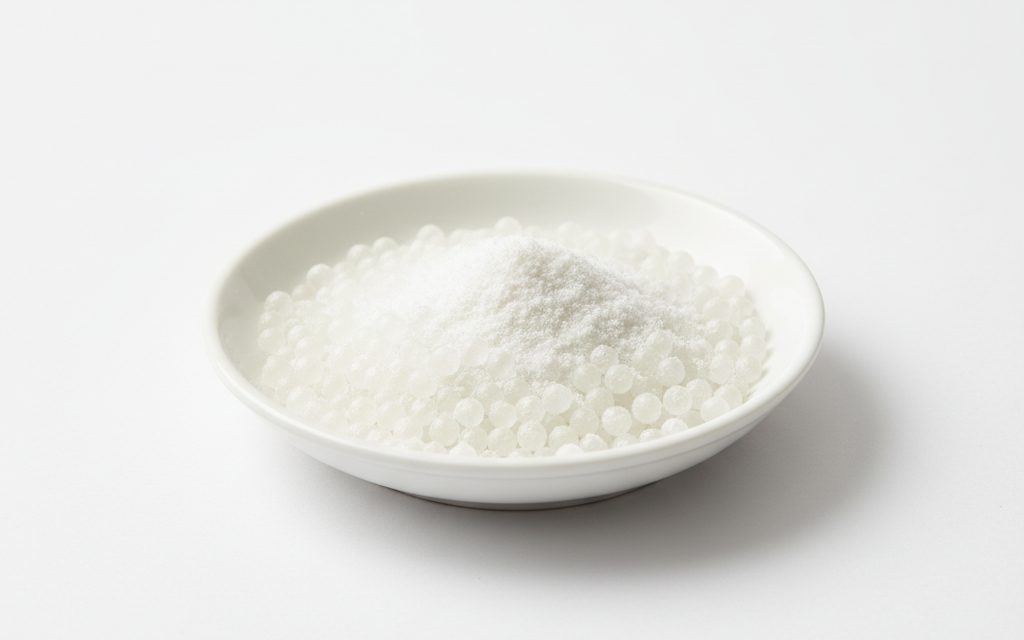
- Powder or pellet
- Recommended addition rate
- UNKNOWN — declared per grade and confirmed against supplier documentation
Also searched as
Abbreviations
Industry terminology
Identifiers are published for material identification. The exact specification of any offered grade is confirmed against supplier documentation at quotation.
Buyer intent coverage
Impact modifiers for plastics — what it is, where it is used, how it is chosen
Impact modifiers stop brittle failure. They are dispersed elastomeric or core-shell particles that absorb and redirect crack energy, and they are specified when a part cracks in service, in transport, or in a cold-temperature test. In the Canadian market the cold-impact requirement is unusually visible: window profile, siding and outdoor enclosures are qualified against winter service, so modifier selection is a routine part of the compound design rather than a corrective step.
Primary uses
- Preventing brittle cracking in rigid compounds
- Meeting cold-temperature impact requirements in outdoor parts
- Improving toughness in recycled or filled compounds
- Balancing stiffness against impact in engineering compounds
Applications
- Rigid vinyl window profile, siding and fence components
- Injection-moulded enclosures and technical parts
- Sheet and thermoformed components
- Compounds containing recycled polymer
Advantages
- Directly addresses a failure mode rather than a general property
- Core-shell types can preserve clarity where the application requires it
- Lets converters raise recycled content without losing toughness
Limitations to consider
- Toughness is gained at some cost in stiffness, heat resistance or hardness
- Weathering behaviour of the modifier itself matters in exterior parts
- Effect depends heavily on dispersion, so mixing quality is part of the specification
- Addition rate and performance are established on your own line; the figures quoted in supplier literature are starting points, not a specification.
How to choose the right grade
- Start from the defect or property you are trying to fix, then work back to the chemistry family
- State the base polymer and the process, because the same function is delivered by different chemistries in different resins
- Confirm the maximum processing temperature the additive must survive
- Confirm the regulatory status the finished part requires before shortlisting grades
- Decide whether you want the active as a neat additive or carried in a masterbatch for easier dosing
- Exact specification is confirmed against supplier documentation at quotation.
Typical grades
- Acrylic grade
- MBS grade for clarity-sensitive parts
- Chlorinated polyethylene grade
- Olefinic elastomer grade
- Exterior weathering grade
- Reference grade names are widely used as shorthand in enquiries. They are treated here as search language only: an equivalent is confirmed by comparing declared datasheet values and by a line trial, and no grade is presented as a drop-in replacement for another.
Comparable materials — how Impact modifiers for plastics sits against alternatives
- Elastomer blending at the compounding stage
- A tougher base resin grade
- Part design changes that reduce stress concentration
- Buyers searching for an alternative or second-source supplier should state the incumbent grade and the property they are matching, because a like-for-like comparison depends on the declared datasheet values and on line trials, not on the material name alone.
Comparable-material reference. Grade selection is confirmed at RFQ against your process.
Procurement coverage
How to specify, order and receive Impact modifiers for plastics
Written for procurement, quality and technical buyers in Canada and the United States. No numeric price, MOQ, stock or lead-time value is published — those are confirmed per shipment in the quotation and against the confirmed batch.
How buyers specify at RFQ
- Base polymer and process the additive is dosed into
- Function required and the defect being corrected
- Physical form (powder, pellet, liquid or masterbatch) your dosing equipment accepts
- Processing temperature window the additive must survive
- Regulatory status required for the finished part
- Compatibility with the other additives already in the formulation
Packaging options (industry-standard)
- 25 kg bag or box — the usual format for dosing-unit refills
- Jumbo / FIBC bag for continuous gravimetric feeding on high-output lines
- Moisture-barrier or foil-lined packaging for hygroscopic and oxidation-sensitive actives
- Packaging options and available pack sizes are confirmed with each quotation.
Storage & handling
- Store cool, dry and sealed; heat and humidity degrade both carrier and active
- Keep concentrates in closed containers to avoid contamination of natural or light-colour runs
- Use first-in, first-out rotation and respect any retest or shelf-life date on the batch
Documentation available
- Technical data sheet (TDS) stating the active chemistry, carrier and recommended addition range
- Safety data sheet (SDS) in the format required for Canadian import
- Certificate of analysis (COA) against the confirmed batch
- Food-contact or regulatory declaration where the converted part requires it
- Documentation is confirmed per batch at quotation; availability depends on the grade and supplier offered.
RFQ checklist for impact-modifier-canada
Include these fields to receive an accurate Canada-landed quotation
- Base polymer and the process the material runs on (extrusion, injection, blow moulding, thermoforming)
- Machine type, output rate and the processing temperature window
- End application and whether the finished part is food-contact, potable-water or outdoor
- Annual volume and expected per-shipment quantity
- Packaging format your intake and feeding system can receive
- Documentation required per shipment
- Delivery province or port of discharge
- Function required and the problem observed on the line
- Physical form your dosing system accepts
- Other additives already present in the formulation
Technical & procurement detail
Where impact modifiers is used+
Impact modifiers improve toughness and low-temperature impact performance, with the modifier chemistry selected by resin system and target property. It is quoted for the specific process, machine and end-application described in the enquiry, because performance depends on the processing window rather than on a single published value.
Grades are not interchangeable+
Different grades of impact modifiers are supplied and quoted as separate specifications. A grade supplied for one process, resin system or end-use is not presented as suitable for another. State the resin, process, machine type and end-application in your enquiry so the correct grade and documentation are reviewed with the supplier.
How specifications are confirmed+
Allzone does not publish assumed purity, melt index, loading level, particle size, origin, certification, regulatory approval, packaging or price values. Grade, specification and documentation are confirmed in writing against supplier technical data sheets and safety data sheets before an order is placed.
Frequently asked questions
What grade of impact modifiers do you supply?+
The grade and specification are confirmed at quotation against the supplier technical data sheet. No specification or certification value is published in advance.
Can I request a technical data sheet and a safety data sheet?+
Yes. Both the supplier technical data sheet and the safety data sheet for the quoted grade are provided on request and should be reviewed before purchase and use.
Do you deliver impact modifiers across Ontario and Quebec?+
Yes. Freight is arranged across Toronto, the GTA, Ontario, Quebec and Western Canada, and the delivery method is confirmed with the quotation.
What quantities can you supply?+
Quantities are reviewed per enquiry, from single pallets to full container loads.
Technical knowledge for Impact Modifiers Supplier — Ontario & Canada
Engineering and purchasing guidance written for this material — understand it, apply it, compare options, specify a grade, and fix production problems.
Foundation Articles
Application Guides
Comparison Articles
Buying Guides
Available grades
The 3 grades we currently supply in this family.
PP Impact & Weld-Line Modifier
Eliminates brittle failure in PP under mechanical stress and reinforces critical weld lines.
Open grade A-FANH2188PET Cold-Resistant & Toughening Masterbatch
Upgrades impact strength and sub-zero toughness down to −30°C while fully preserving visual clarity in PET/PETG.
Open grade PA-PVC CorePVC Processing Aids & Acrylic Impact Modifiers
Accelerates fusion speed, improves melt strength and maximizes corner-weld strength in rigid profiles.
Open gradeRelated products
Materials commonly quoted alongside Impact Modifiers by the same plants.
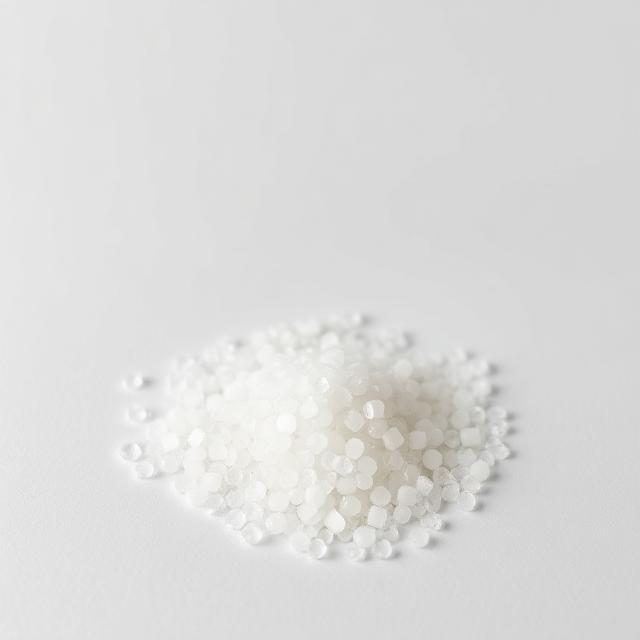
PP Impact & Weld-Line Modifier
Eliminates brittle failure in PP under mechanical stress and reinforces critical weld lines.
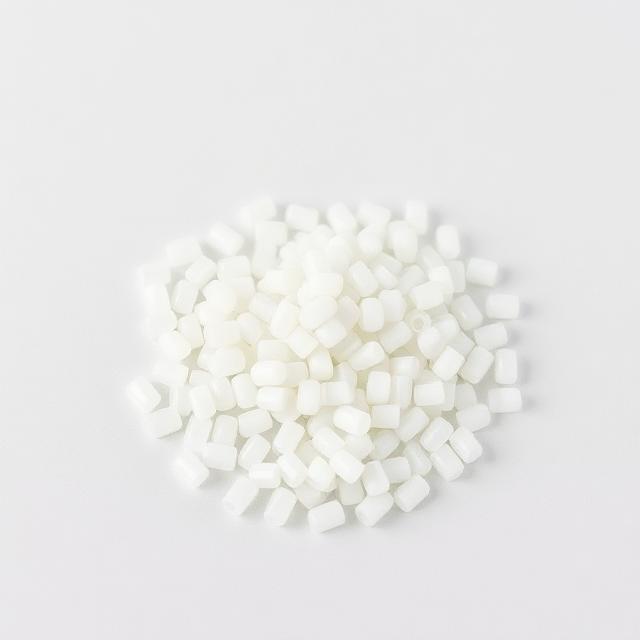
PET Cold-Resistant & Toughening Masterbatch
Polymer masterbatch — upgrades impact strength and sub-zero toughness down to −30°C while fully preserving visual clarity in PET/PETG.
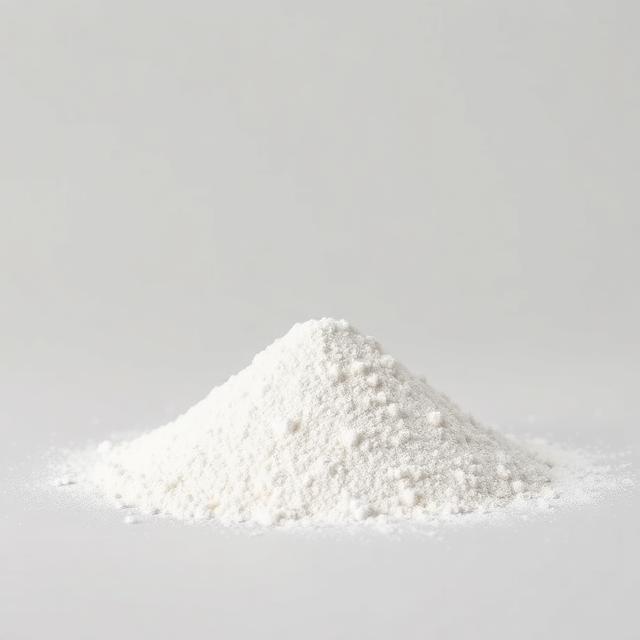
PVC Processing Aids & Acrylic Impact Modifiers
Accelerates fusion speed, improves melt strength and maximizes corner-weld strength in rigid profiles.
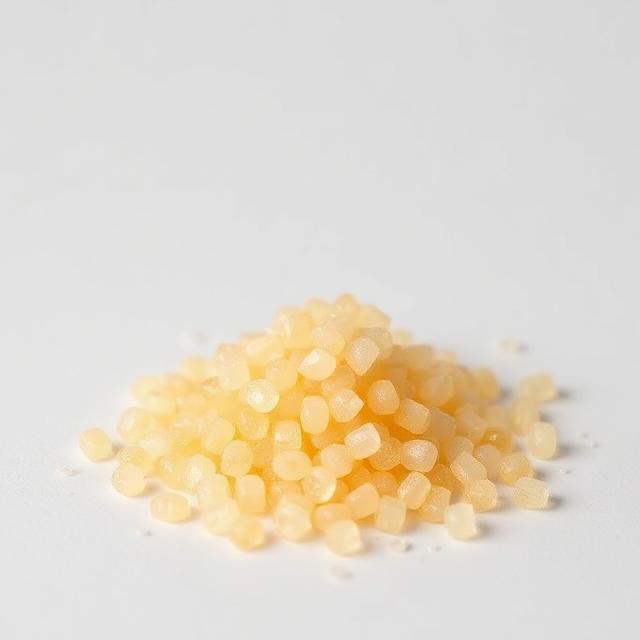
Polymer Coupling Agent and Compatibilizer
High-performance Maleic Anhydride Grafted Polymer designed to optimize resin blending, restore chain integrity in recycled PCR plastics, and ensure…
Need a quote on Impact Modifiers?
Request pricing, TDS/SDS and available documentation. We usually acknowledge enquiries within one business day; samples are subject to supplier availability and product classification.