
Fibreglass Woven Roving & Glass Cloth
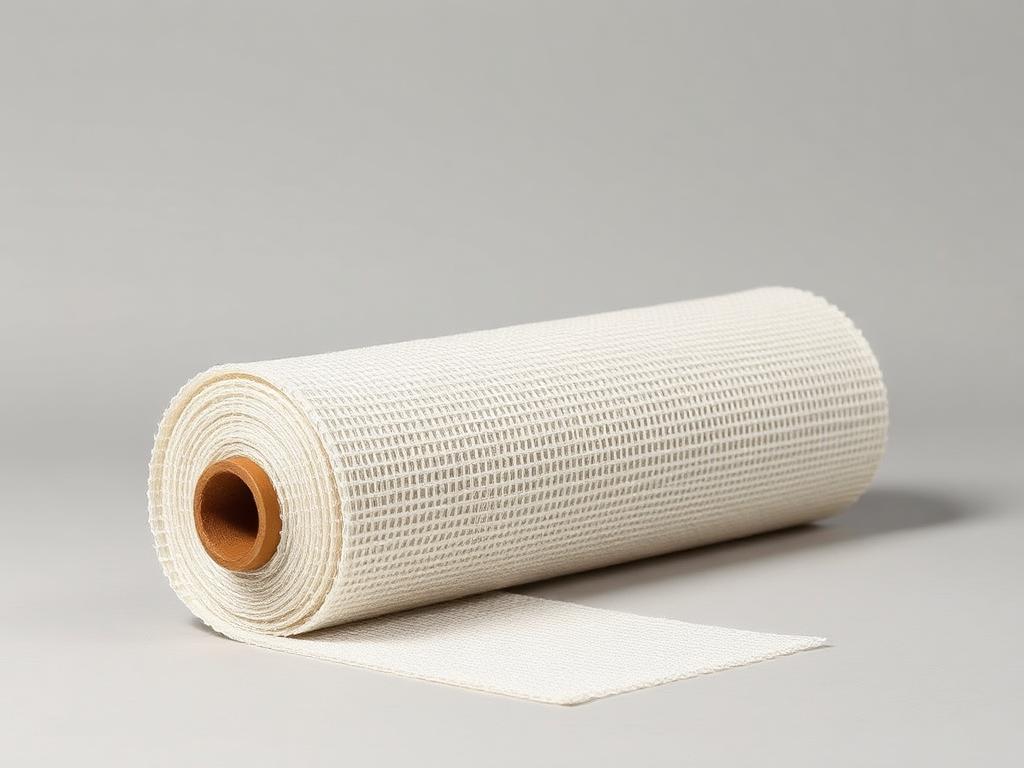
Allzone Trading supplies E-glass woven roving and glass cloth to composite fabricators, tank builders, marine shops and industrial maintenance contractors across Canada. Woven reinforcement carries load along its fibre directions and is used where laminate strength and stiffness matter rather than bulk. Weight, weave style and surface finish are confirmed against supplier technical data at quotation.
At a glance
- Product
- Fibreglass Woven Roving & Glass Cloth
- Grades
- Confirmed at quotation
- Typical applications
- Structural plies in hand lay-up laminates · Stiffening layers in tanks, hulls and panels · Directional reinforcement in tooling laminates
- Packaging
- Packaging and pack size confirmed at quotation against the grade supplied
- • Certificate of Analysis is provided against the confirmed shipment, grade and batch.
- • Manufacturer TDS and SDS are subject to grade and supplier confirmation and are available on request.
- • Grades, packaging and origin above are indicative sourcing options and are confirmed at quotation.
Available grades from container-direct sourcing
Typical applications
- Structural plies in hand lay-up laminates
- Stiffening layers in tanks, hulls and panels
- Directional reinforcement in tooling laminates
- Repair patches requiring load transfer
- Alternating schedules with chopped strand mat
Why Canadian buyers choose us
- Enquiries handled against your part, mould and process — not a fixed stock list
- Grade, working properties and mix data confirmed in writing before order confirmation
- Supplier technical data sheet and safety data sheet provided for the grade actually offered
- LTL and FTL freight to studios, precast plants, fabricators and distributors across Ontario, Quebec and Western Canada
- Quantities reviewed per enquiry, from trial kits through to pallet and container programmes
Typical industries served
Material identity
Fibreglass Woven Roving — identifiers and the names buyers use
- Reinforcement type
- E-glass woven roving fabric
Also searched as
Industry terminology
Identifiers are published for material identification. The exact specification of any offered grade is confirmed against supplier documentation at quotation.
Buyer intent coverage
Fibreglass Woven Roving — what it is, where it is used, how it is chosen
Woven roving is used where the laminate has to carry load and build thickness fast. It is a staple of hull, tank and large-structure lamination in Canadian marine and industrial FRP shops, normally alternated with chopped strand mat in a defined laminate schedule. The enquiry is usually written against that schedule, so buyers specify weight and weave rather than asking for a generic reinforcement.
Primary uses
- Directional strength provision
- Rapid thickness build
- Structural laminate reinforcement
Applications
- Structural plies in marine and transport laminates
- Tank, duct and enclosure construction
- Composite tooling back-up structure
- Repair reinforcement in structural areas
Advantages
- Delivers directional strength that random mat cannot provide at the same weight
- Builds structural thickness quickly, reducing labour in large laminates
- Well understood in established laminate schedules across the marine and industrial FRP trade
Limitations to consider
- Coarse weave can print through to the visible surface if the laminate schedule does not allow for it
- Wets out more slowly than mat and needs proper consolidation to avoid dry spots
- Weight, weave and finish are product-specific and declared by the supplier
- Mix ratio, pot life, working time, demould time, full-cure schedule, hardness, tear strength, elongation, shrinkage, viscosity and temperature resistance are properties of one specific supplier system. They are never quoted here from memory or by analogy with a similar product; they are read from the supplier data sheet for the exact material offered and confirmed at quotation.
How to choose the right grade
- Start from the matrix — polymer resin or cementitious mix — because reinforcement is selected against the matrix it has to bond into
- State the process: hand lay-up, spray-up, premix, or addition at the mixer, since each demands different fibre handling
- Describe the failure you are trying to prevent, whether that is cracking, low flexural performance or handling damage
- Work from the laminate schedule rather than product-by-product, so mat and roving are quoted as a set
- Confirm the fibre finish is compatible with the resin system in use
- Mould-making and casting behaviour depends on the pattern, the shop temperature and humidity, the mixing method and the operator. A production-representative trial on your own pattern and in your own shop conditions is the only honest way to qualify a material before a run is committed.
- Exact specification is confirmed against supplier documentation at quotation.
Typical grades
- Products across a range of weights and weave styles as the supplier offers them
- Products the supplier distinguishes by finish and intended resin compatibility
- Buyers search this category by grade name, and those names describe what the workshop needs rather than what is asserted here. Which grade a specific offer corresponds to, and what the supplier declares for it, is read from the technical documentation issued for the exact material quoted.
- Materials in this category interact: rubbers, releases, sealers, resins, pigments and fillers can inhibit cure, stain a surface or shorten mould life when they are combined outside the combinations the supplier has tested. State every material already in the process at enquiry so compatibility is checked against supplier documentation rather than discovered on the shop floor.
- Reactive materials age in the container, and moisture-sensitive systems age faster once opened. Order against real consumption rather than against a discount, and confirm the shelf life the supplier states for the exact product and pack.
Comparable materials — how Fibreglass Woven Roving sits against alternatives
- Chopped strand mat where conformability matters more than strength
- Stitched biaxial fabrics for better mechanical efficiency
- Shops looking for an alternative, replacement or second-source supplier should state the incumbent product, the supplier system currently approved and the property being matched. Equivalence on family name alone is not equivalence in production: cure profile, surface behaviour, colour and release characteristics all shift between sources, so a side-by-side trial is planned before a changeover.
Comparable-material reference. Grade selection is confirmed at RFQ against your process.
Procurement coverage
How to specify, order and receive Fibreglass Woven Roving
Written for procurement, quality and technical buyers in Canada and the United States. No numeric price, MOQ, stock or lead-time value is published — those are confirmed per shipment in the quotation and against the confirmed batch.
How buyers specify at RFQ
- The exact product identity and supplier system the shop needs, including the component set for a multi-part system
- The process it will be used in, and the equipment used to mix, pour, spray or apply it
- The pattern, mould or substrate it will contact, and every other material already in that process
- The properties the supplier must declare on the data sheet for your application
- The documentation set required before the material can enter production
- Exact specification is confirmed against supplier documentation at quotation.
Packaging options (industry-standard)
- Bag formats are the usual option for powders and dry blends
- Bulk bag (FIBC) formats are used by producers running continuous volume
- Smaller pails or boxes are used where the material is dosed in small quantities
- Packaging options and available pack sizes are confirmed with each quotation.
Storage & handling
- Store sealed, dry and off the floor; humidity swings change the behaviour of powders and dry blends
- Segregate from incompatible chemistry and protect from contamination by other powders in the shop
- Control dust at transfer points in line with the safety data sheet for the product
- Rotate stock by receipt date and record the lot used against each production batch
- Canadian winter transport and storage matter here: several materials in this category thicken, crystallise, freeze or lose performance at low temperature, and recovery behaviour after freezing is product-specific. Confirm cold-weather handling and shop conditioning guidance against the supplier documentation before a winter delivery.
- This category includes reactive chemistry, respirable mineral dust, peroxides and solvent-borne products. Ventilation, personal protection, segregated storage and disposal requirements come from the safety data sheet for the exact product and from the requirements of the provincial regulator for your site.
Documentation available
- Technical data sheet (TDS) for the exact product offered, stating working properties as the supplier declares them
- Safety data sheet (SDS) in the format required for Canadian import, in English and French where the receiving site requires it
- Certificate of analysis (COA) or batch documentation where the supplier issues it for the confirmed lot
- Handling, mixing and storage instructions issued by the supplier for the exact system
- Test reports or conformity statements where the project specification requires them and the supplier issues them
- Documentation is confirmed per batch at quotation; availability depends on the grade and supplier offered.
- Ask for the documentation pack against the exact product at the enquiry stage rather than after the order. Documentation availability differs by supplier and by manufacturing site, and in this category the data sheet is the only place where the working properties of a system are legitimately stated.
RFQ checklist for fibreglass-woven-roving-canada
Include these fields to receive an accurate Canada-landed quotation
- The exact product or supplier system required, and the incumbent it is replacing where there is one
- The process, equipment and shop conditions the material will be used in
- Volume per order and expected annual usage, so the offer is built on real consumption
- Pack format your shop or plant can physically receive and handle
- Documentation required before the material can be used in production
- Delivery province or receiving location in Canada
- The matrix the reinforcement goes into and the process used to place it
- The performance requirement or project specification the finished element must meet
- Any existing reinforcement product being replaced, and why the change is being considered
- Landed cost in Canada is driven by pack format, delivery province and receiving arrangements as much as by unit price, and dense mineral products and dilute liquids both carry weight that is not function. Quotations are compared delivered to your shop or plant rather than ex-works.
Technical & procurement detail
Woven reinforcement versus mat+
Woven roving uses continuous fibres running in defined directions, so it delivers far more strength and stiffness along those directions than random mat of the same weight. Its drawback is conformity: it resists compound curvature and traps air more readily, which is why laminate schedules typically alternate woven plies with mat to secure both strength and interlaminar quality.
Weight, weave and finish+
Heavier fabrics build load capacity fast; lighter cloths conform better and give finer surfaces. Weave style affects drape and wet-out, and the surface finish or sizing must match the resin system — a finish intended for polyester may not bond well in epoxy. State the resin system with the enquiry.
Laminate practice+
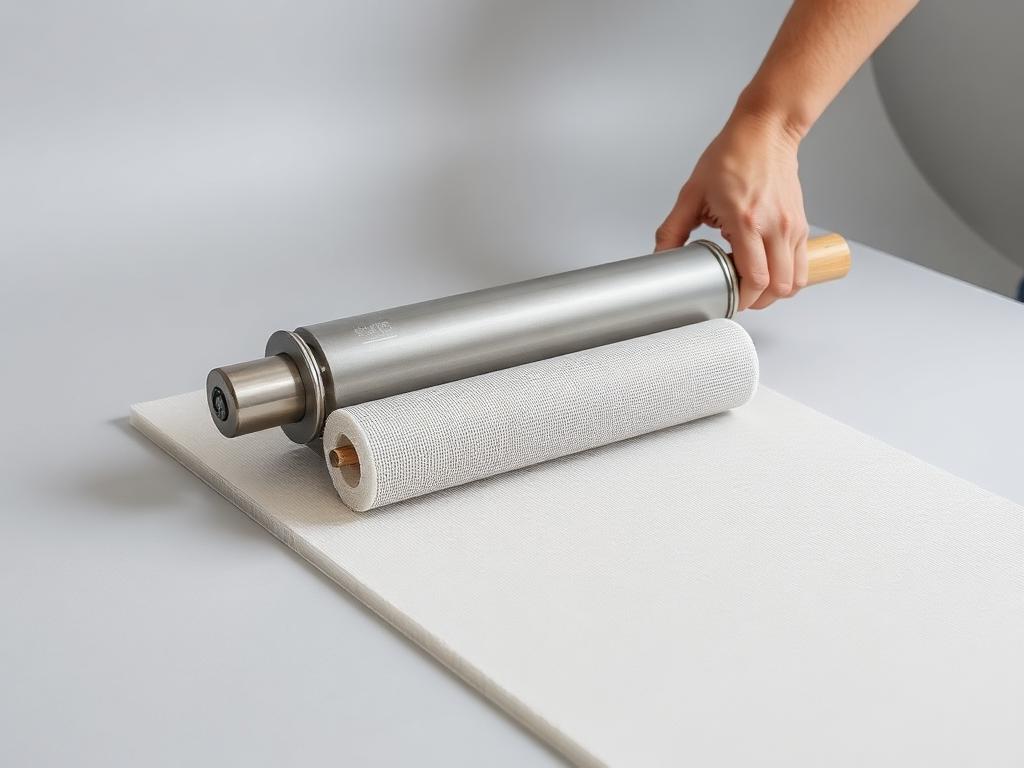
Woven plies are wetted through and consolidated with rollers; air trapped between yarn bundles is the usual defect. Overlaps are staggered rather than stacked to avoid hard lines, and mat is often used between woven plies to improve interlaminar bond and surface fill.
Handling and storage+
Fabric is kept dry, clean and rolled rather than folded — creases telegraph into the laminate. Cut edges fray, so patterns are cut to size and handled with clean gloves; contamination on the fabric surface reduces adhesion in the finished laminate.
Specification options+
Working properties are configurable options within this canonical product, not separate products. Depending on the family, that can include grade, viscosity, mix ratio, pot life and demould time, hardness, colour, particle size or fibre length, and pack format. No configuration is presented as stocked or approved until it is confirmed against the supplier's technical data for the exact material offered. Supplier grade names, factory codes and manufacturer brands are not published here.
What to include in your enquiry+
Send the resin system, fabric weights and weave styles required, roll width, laminate schedule and monthly consumption.
Frequently asked questions
When should woven roving be used instead of mat?+
When the laminate has to carry load along known directions. Mat gives bulk and conformity; woven reinforcement gives directional strength and stiffness.
Does the finish matter for epoxy?+
Yes. Sizing and finish are matched to the resin family, and a finish intended for polyester may bond poorly in epoxy. State the resin system when ordering.
Why is air trapped in woven plies?+
Woven fabrics conform less easily and hold air between yarn bundles. Thorough wet-out and roller consolidation are essential, and mat plies between woven layers help.
How should overlaps be handled?+
Stagger overlaps between plies rather than stacking them in the same place, to avoid hard lines and thickness build.
Can woven roving be used in tooling?+
Yes, in the structural plies behind the tool face, with finer plies used near the surface to avoid print-through.
Are technical documents provided before ordering?+
Yes. The supplier technical data sheet and safety data sheet for the exact grade offered are provided with the quotation, and the working properties in those documents govern — not any general description on this page.
What quantities are quoted?+
Quantities are reviewed per enquiry, from trial quantities through to pallet and full container programmes for production users and distributors.
Technical knowledge for Fibreglass Woven Roving Supplier — Canada
Engineering and purchasing guidance written for this material — understand it, apply it, compare options, specify a grade, and fix production problems.
Comparison Articles
Related products
Materials commonly quoted alongside Fibreglass Woven Roving & Glass Cloth by the same plants.
Tooling Epoxy Laminating Resin
Composite moulds and production tooling

Polyester Gel Coat
Finished surfaces on moulded composite parts
E-Glass Chopped Strand Mat
Bulk plies in hand lay-up laminates
Need a quote on Fibreglass Woven Roving & Glass Cloth?
Request pricing, TDS/SDS and available documentation. We usually acknowledge enquiries within one business day; samples are subject to supplier availability and product classification.