
Carrageenan — Food Grade
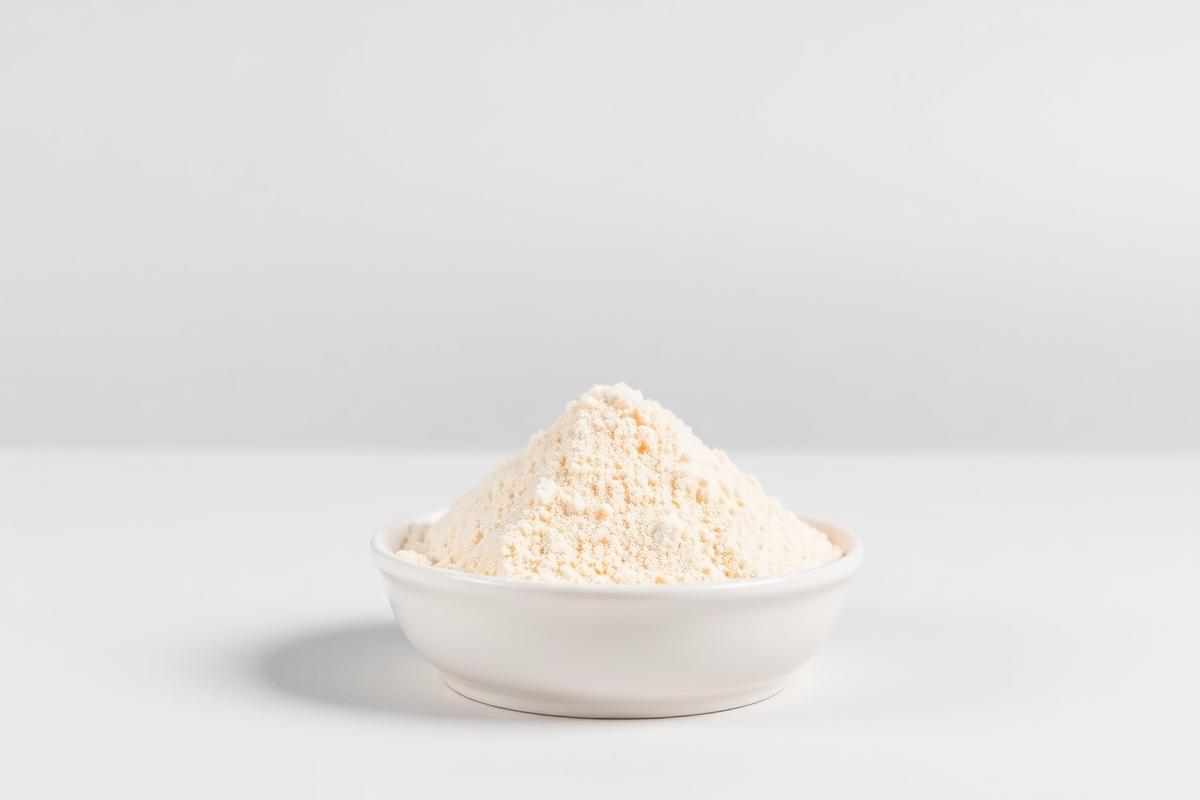
Allzone Trading supplies food grade carrageenan to food manufacturers in Ontario, Quebec and across Canada. Carrageenan is a seaweed-derived hydrocolloid used for gelling, thickening and stabilising, particularly in dairy and protein systems. Specifications are confirmed against supplier documentation at quotation.
At a glance
- Product
- Carrageenan
- Grades
- Food Grade
- Typical applications
- Dairy and dairy alternative beverages · Ice cream and frozen desserts · Processed meat and protein products
- Packaging
- 25 kg bags
- • Certificate of Analysis is provided against the confirmed shipment, grade and batch.
- • Manufacturer TDS and SDS are subject to grade and supplier confirmation and are available on request.
- • Grades, packaging and origin above are indicative sourcing options and are confirmed at quotation.
Available grades from container-direct sourcing
Food Grade
Specification confirmed against supplier technical data sheet at quotation.
Typical applications
- Dairy and dairy alternative beverages
- Ice cream and frozen desserts
- Processed meat and protein products
- Desserts, jellies and puddings
- Sauces and prepared foods
Why Canadian buyers choose us
- Container-direct sourcing coordinated through our Ontario logistics partner
- Supplier documentation (TDS, SDS, COA) requested and shared before order confirmation
- Specifications confirmed in writing at quotation stage — no assumed values
- LTL and FTL freight across Ontario, Quebec and Western Canada
- Quantities from single 25 kg bags to full container loads
Material identity
Carrageenan (kappa / iota / lambda) — identifiers and the names buyers use
- CAS
- 9000-07-1
- Food additive number
- E407 / INS 407
- Processed euchema seaweed
- E407a
- Source
- Sulphated galactans from red seaweed
Also searched as
Abbreviations
Industry terminology
Identifiers are published for material identification. The exact specification of any offered grade is confirmed against supplier documentation at quotation.
Buyer intent coverage
Carrageenan (kappa / iota / lambda) — what it is, where it is used, how it is chosen
Carrageenan is a family of three functionally different fractions, and specifying only "carrageenan" makes quotations impossible to compare. Kappa gives a firm brittle gel and reacts with potassium; iota gives a soft elastic gel and reacts with calcium; lambda does not gel and is used purely to thicken. Its reactivity with milk protein is why it dominates Canadian dairy, plant-drink and further-processed meat production in Ontario and Quebec.
Primary uses
- Suspending cocoa and minerals in dairy and plant drinks at very low dose
- Setting dairy desserts and flans
- Binding water and holding slice integrity in injected meat
- Creating jelly and gravy textures in pet food
Applications
- Chocolate milk and flavoured dairy drinks
- Oat, almond and soy beverages
- Dairy desserts, flans and cream products
- Injected ham, deli and further-processed meat
- Pet food chunks in jelly and gravies
- Toothpaste and gel household products
Advantages
- Extremely low dose for suspension in milk systems
- Thermoreversible gels — a batch can be remelted and reset
- Gel character selectable from brittle to elastic by fraction
- Strong, well-documented synergy with locust bean gum
Limitations to consider
- Degrades under prolonged acid heat, which rules it out of some low-pH processes
- Needs a heating step to hydrate fully
- Ion-sensitive: kappa needs potassium, iota needs calcium, so the water and recipe matter
- Some retail categories reject the ingredient on label grounds regardless of function
How to choose the right grade
- Name the fraction — kappa, iota, lambda or a declared blend
- State the ion system available in your formulation
- Give the gel strength or viscosity target with the exact test method
- Confirm whether refined or semi-refined (E407a) is acceptable for your label
Typical grades
- Kappa — firm, brittle gel
- Iota — soft, elastic gel
- Lambda — non-gelling thickener
- Refined and semi-refined (E407a) forms
- Standardised dairy and meat-injection blends
Comparable materials — how Carrageenan (kappa / iota / lambda) sits against alternatives
- Gellan gum — suspension at lower dose with a sharper set
- Gelatin — animal origin with a different melt profile
- Agar — firmer gel that melts far above body temperature
- Alginate — cold calcium set instead of a heat set
Comparable-material reference. Grade selection is confirmed at RFQ against your process.
Procurement coverage
How to specify, order and receive Carrageenan (kappa / iota / lambda)
Written for procurement, quality and technical buyers in Canada and the United States. No numeric price, MOQ, stock or lead-time value is published — those are confirmed per shipment in the quotation and against the confirmed batch.
How buyers specify at RFQ
- Fraction or declared blend
- Gel strength with method, ion system and concentration
- Viscosity where a non-gelling grade is used
- Refined or semi-refined form
- Microbiological limits and documentation
Packaging options (industry-standard)
- Multi-wall paper or PP bag — the standard industrial dry-ingredient format
- Jumbo / FIBC bulk bag for high-volume users
- Packaging options and available pack sizes are confirmed with each quotation.
Storage & handling
- Store dry and sealed; the powder is hygroscopic
- Hydrate hot and hold long enough for full solubilisation
- Avoid prolonged low-pH holding at high temperature
Documentation available
- Technical data sheet (TDS) for the offered grade
- Safety data sheet (SDS) in the format required for Canadian import
- Certificate of analysis (COA) against the confirmed batch
- Allergen, non-GMO, Halal and Kosher statements where the grade supports them
- Documentation is confirmed per batch at quotation; availability depends on the grade and supplier offered.
RFQ checklist for carrageenan-food-grade-canada
Include these fields to receive an accurate Canada-landed quotation
- Grade and function required (thicken, gel or stabilise)
- Target viscosity or gel strength with the test conditions you measure at
- Annual and per-shipment volume
- Packaging format your plant can receive
- Documentation and regulatory letters required
- Delivery province or port of discharge
- Fraction (kappa / iota / lambda) and the ion system in your formulation
Technical & procurement detail
Typical role in food systems+
Carrageenan is commonly selected for its interaction with proteins, which makes it widely used in dairy and dairy alternative products. Depending on the type used, it can contribute gelling, thickening or suspension behaviour in the finished product.
Grade confirmation before order+
Carrageenan is supplied in several functional types. Allzone confirms the exact type and supplier documentation before quoting, and shares the technical data sheet for evaluation.
Frequently asked questions
Which carrageenan type do you supply?+
The type is matched to your application and confirmed with the supplier before quotation.
What packaging is available?+
Typical packaging is 25 kg bags. Other packaging can be reviewed on request.
Can you supply kappa, iota or lambda types?+
Availability is confirmed with the supplier per enquiry. Tell us the application and target texture and we will confirm the type, grade and documentation before quoting.
Do you deliver across Ontario and Quebec?+
Yes. LTL and FTL freight is arranged across Ontario, Quebec and Western Canada, with container-direct supply for repeat volumes.
Technical knowledge for Carrageenan Food Grade Supplier — Canada
Engineering and purchasing guidance written for this material — understand it, apply it, compare options, specify a grade, and fix production problems.
Foundation Articles
Related products
Materials commonly quoted alongside Carrageenan by the same plants.
Xanthan Gum
Rheology modifier and thickener — gluten-free bakery and confectionery
Guar Gum Powder
Rheology modifier and thickener — bakery and gluten-free formulations
CMC (Carboxymethyl Cellulose)
Rheology modifier and thickener — ice cream and frozen desserts
Need a quote on Carrageenan?
Request pricing, TDS/SDS and available documentation. We usually acknowledge enquiries within one business day; samples are subject to supplier availability and product classification.