
Thermal Carbon Black
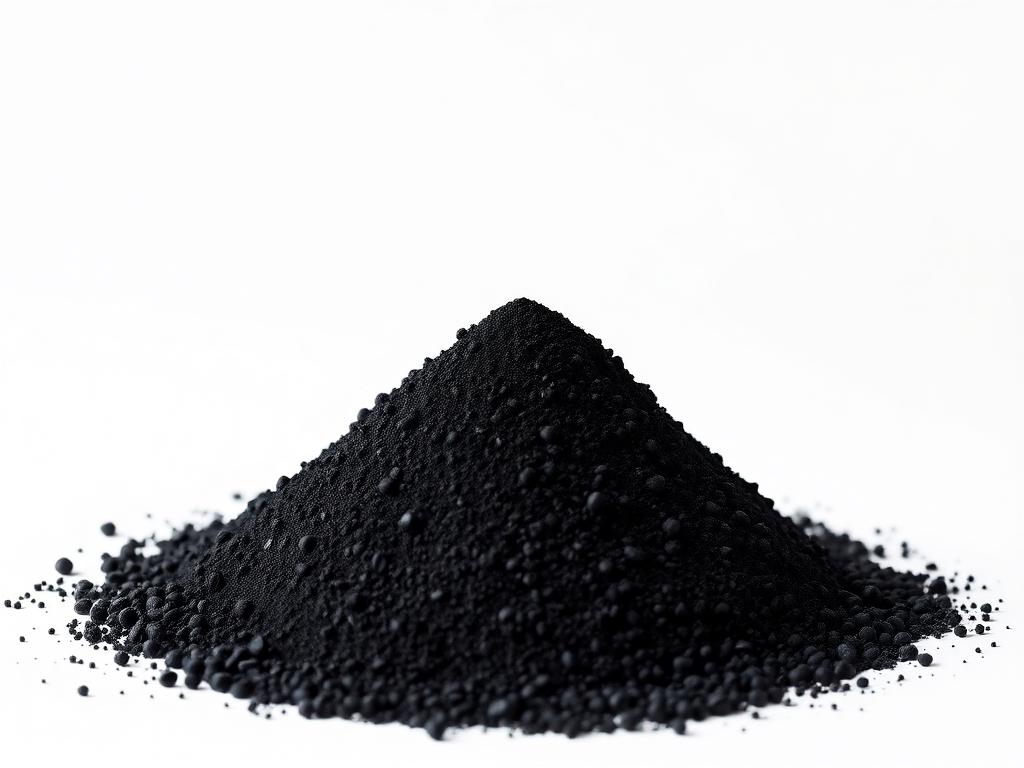
Coarse, low-structure carbon black for high-loading rubber and sealing compounds. Thermal carbon black is a different material from the furnace blacks that dominate tyre manufacturing. It is produced by thermal decomposition of natural gas rather than by partial combustion of oil, and the result is a very coarse particle with very low structure — the opposite end of the carbon black spectrum from a reinforcing tread black.
At a glance
- Product
- Thermal Carbon Black
- Grades
- N990 (medium thermal, MT) · N991 +2 more
- Typical applications
- O-rings, seals and gaskets · High-loading rubber compounds requiring low viscosity · Wire and cable insulation compounds
- Packaging
- 20–25 kg paper or polyethylene bags, palletised · 500–1,000 kg bulk bags · Full container loads
- • Certificate of Analysis is provided against the confirmed shipment, grade and batch.
- • Manufacturer TDS and SDS are subject to grade and supplier confirmation and are available on request.
- • Grades, packaging and origin above are indicative sourcing options and are confirmed at quotation.
Available grades from container-direct sourcing
N990 (medium thermal, MT)
The main commercial grade; high loading in rubber compounds.
N991
Related medium thermal grade for specific compound requirements.
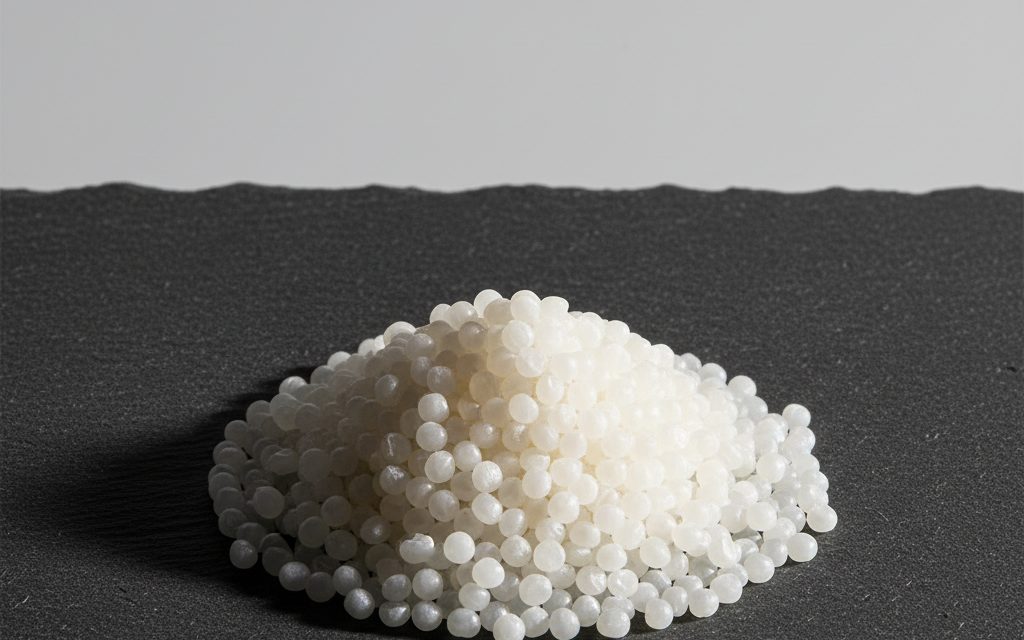
Pelletised
Reduced dust and better flow for automated weighing.
Fluffy / powder
Where dispersion in a low-shear mix is the priority.
Typical applications
- O-rings, seals and gaskets
- High-loading rubber compounds requiring low viscosity
- Wire and cable insulation compounds
- Hose, roll covering and industrial rubber goods
- Speciality plastics where low grit matters
Why Canadian buyers choose us
- Enquiries quoted against your specification — class, grade and presentation, not a fixed stock list
- Specification, origin, availability and certification confirmed in writing at quotation
- Supplier documentation (COA, SDS, technical data) provided for the grade actually offered
- One point of contact from enquiry through documents, packing and shipment
- Quantities reviewed per enquiry, from bagged lots to full container and vessel programmes
Typical industries served
Technical & procurement detail
What this product is and what decides quality+
Thermal carbon black is a different material from the furnace blacks that dominate tyre manufacturing. It is produced by thermal decomposition of natural gas rather than by partial combustion of oil, and the result is a very coarse particle with very low structure — the opposite end of the carbon black spectrum from a reinforcing tread black. That coarseness is the point. Because thermal black barely reinforces, it can be loaded into a rubber compound at very high levels without destroying elongation or driving viscosity through the roof. Compounders use it to raise hardness, improve compression set and dimensional stability, extend a compound economically, and improve heat transfer during cure. In O-rings, seals and gaskets it is often the difference between a compound that holds its shape in service and one that does not. It also sees use where a clean, low-contaminant black is needed — wire and cable insulation, and some plastics applications where minimal grit and low sieve residue matter more than jetness.
Types, classes and grades+
N990 (medium thermal, MT): The main commercial grade; high loading in rubber compounds. N991: Related medium thermal grade for specific compound requirements. Pelletised: Reduced dust and better flow for automated weighing. Fluffy / powder: Where dispersion in a low-shear mix is the priority.
Specification basis+
Type — Thermal black — coarse particle, low structure. Iodine adsorption — Low relative to furnace blacks; stated per grade. DBP absorption — Low structure value; stated per grade. Sieve residue — Low; important for cleanliness-critical compounds. Form — Pelletised or fluffy powder. Values vary by grade, crop year and supplier and are confirmed against supplier documentation at quotation.
Supply and origin context+
Thermal black production is closely tied to natural gas feedstock, and Canada's gas resource base in Alberta supports thermal carbon black manufacturing. It is a genuinely specialised material with a limited number of producers worldwide. Because the global producer base is narrow, lead times are longer and allocation is more common than for commodity furnace blacks. Programme buyers are served better than spot buyers here, and we will say honestly when a spot volume is not realistic. Origin, availability, grade and certification are confirmed at quotation for the lot actually offered — origin is a supply attribute, never an assumed property of the product.
Commercial and shipping notes+
Thermal black is an allocated speciality product — plan lead time and prefer programme contracts over spot enquiries. · Specify pelletised or fluffy; it changes handling, dust control and dispersion behaviour in your mixer. · Quoted FOB, CFR or CIF.
Documentation+
Commonly relevant documentation: Technical datasheet · Certificate of Analysis per lot · Safety Data Sheet · Certificate of Origin. Availability is confirmed per order and per destination.
Frequently asked questions
What should the first enquiry for thermal carbon black include?+
State the quantity, the destination, the presentation you need and the parameters you buy on — type, iodine adsorption, dbp absorption, sieve residue, form. With those in the enquiry we can return a quotation instead of a list of questions.
Which types or grades of thermal carbon black are available?+
N990 (medium thermal, MT), N991, Pelletised, Fluffy / powder. All of these are grades of the same product rather than separate products; the grade is fixed at quotation.
What packaging options are available?+
20–25 kg paper or polyethylene bags, palletised · 500–1,000 kg bulk bags · Full container loads. Packaging is confirmed at quotation, because it affects both protection in transit and freight cost.
Where does the material originate?+
Origin, availability, grade and certification are confirmed at quotation for the lot actually offered — origin is a supply attribute, never an assumed property of the product.
Technical knowledge for Thermal Carbon Black — N9 Series Grades | Allzone
Engineering and purchasing guidance written for this material — understand it, apply it, compare options, specify a grade, and fix production problems.
Application Guides
Comparison Articles
Buying Guides
Related products
Materials commonly quoted alongside Thermal Carbon Black by the same plants.
Calcium Carbonate (CaCO3) Filler & Masterbatch
Mineral filler — raffia woven sacks and FIBC liners
Titanium Dioxide (TiO2)
Pigment — plastic white masterbatch (PE / PP / PS / PET)
Talc Filler & Talc Masterbatch
Mineral carrier and flow aid — polypropylene automotive bumpers and interior trim
Need a quote on Thermal Carbon Black?
Request pricing, TDS/SDS and available documentation. We usually acknowledge enquiries within one business day; samples are subject to supplier availability and product classification.