
NBSK Pulp
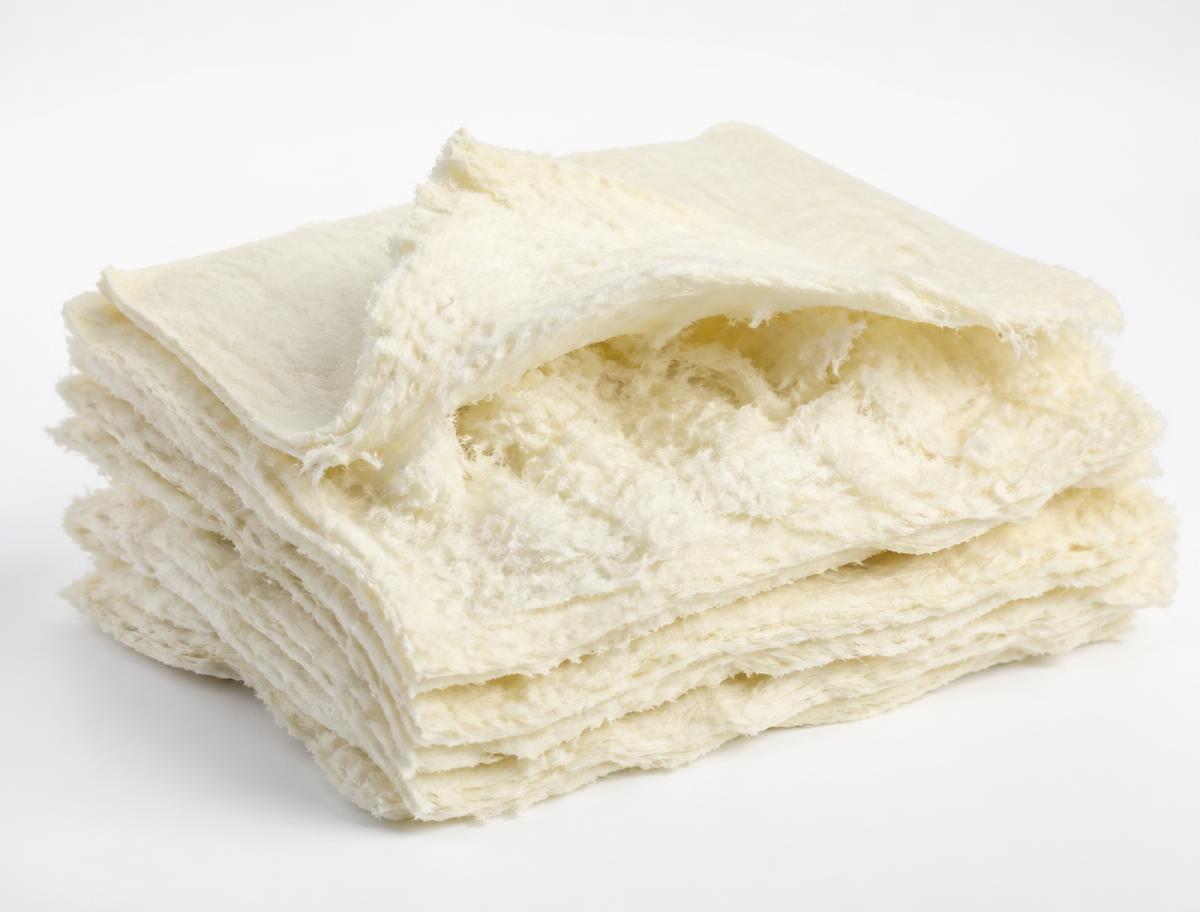
Northern bleached softwood kraft — the reinforcement fibre benchmark. NBSK is the reference grade of world market pulp. It is made from slow-grown northern softwood by the kraft (sulphate) chemical process and then fully bleached, and its value comes from fibre length: long, strong northern softwood fibres form a sheet network that carries tensile and tear strength through the paper machine and into the finished product.
At a glance
- Product
- NBSK Pulp
- Grades
- NBSK — standard market pulp · High-strength NBSK +2 more
- Typical applications
- Tissue and hygiene paper reinforcement · Printing and writing paper furnishes · Packaging board and liner
- Packaging
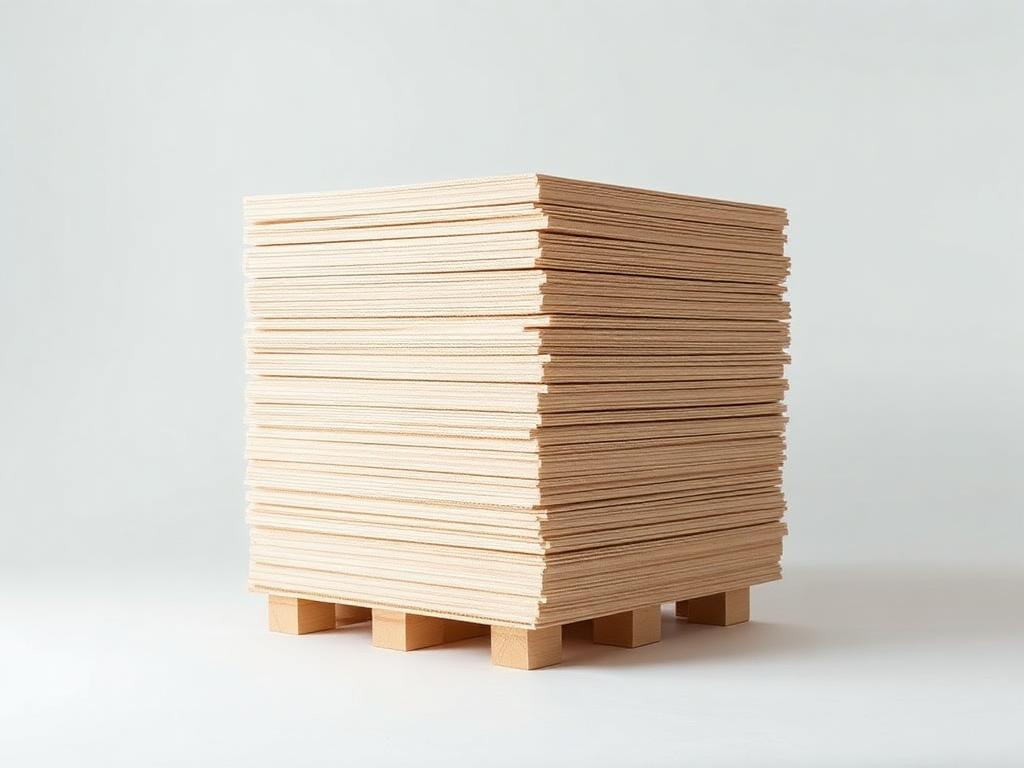
- Standard baled market pulp, typically around 250 kg per bale · Unitised bales (commonly 8 bales per unit), wire bound · Container shipment or breakbulk vessel
- • Certificate of Analysis is provided against the confirmed shipment, grade and batch.
- • Manufacturer TDS and SDS are subject to grade and supplier confirmation and are available on request.
- • Grades, packaging and origin above are indicative sourcing options and are confirmed at quotation.
Available grades from container-direct sourcing
NBSK — standard market pulp
The benchmark reinforcement grade for most furnishes.
High-strength NBSK
Where tear and tensile delivery is the limiting factor.
Tissue-optimised NBSK
Balanced for softness and strength in tissue furnishes.
Certified fibre supply
FSC or PEFC chain-of-custody where contracted in advance.
Typical applications
- Tissue and hygiene paper reinforcement
- Printing and writing paper furnishes
- Packaging board and liner
- Specialty and filter papers
- Dissolving-adjacent and technical paper grades
Why Canadian buyers choose us
- Enquiries quoted against your specification — class, grade and presentation, not a fixed stock list
- Specification, origin, availability and certification confirmed in writing at quotation
- Supplier documentation (COA, SDS, technical data) provided for the grade actually offered
- One point of contact from enquiry through documents, packing and shipment
- Quantities reviewed per enquiry, from bagged lots to full container and vessel programmes
Typical industries served
Technical & procurement detail
What this product is and what decides quality+
NBSK is the reference grade of world market pulp. It is made from slow-grown northern softwood by the kraft (sulphate) chemical process and then fully bleached, and its value comes from fibre length: long, strong northern softwood fibres form a sheet network that carries tensile and tear strength through the paper machine and into the finished product. Mills use it as reinforcement. A tissue furnish built mainly on short hardwood fibre gets softness and bulk but not strength; adding NBSK restores wet and dry strength so the sheet survives converting. In printing and writing grades and in board, the same logic applies at different ratios. The practical question a buyer asks is how much strength a pulp delivers per unit of refining energy, because over-refining to compensate for weak fibre costs both energy and fibre quality. Brightness, brightness stability (resistance to yellowing) and cleanliness — measured as dirt count — round out the specification. Bale presentation and wire-free unitisation matter more than they sound: a broken bale in a pulper is a real production problem.
Types, classes and grades+
NBSK — standard market pulp: The benchmark reinforcement grade for most furnishes. High-strength NBSK: Where tear and tensile delivery is the limiting factor. Tissue-optimised NBSK: Balanced for softness and strength in tissue furnishes. Certified fibre supply: FSC or PEFC chain-of-custody where contracted in advance.
Specification basis+
Grade — Northern bleached softwood kraft (NBSK). Brightness — Typically 88–90 % ISO; confirmed per mill specification. Moisture — Around 10 % as baled; air-dry basis for weight settlement. Strength — Tear, tensile and burst reported per mill specification at defined refining. Cleanliness — Dirt count maximum per specification. Values vary by grade, crop year and supplier and are confirmed against supplier documentation at quotation.
Supply and origin context+
Canada is one of the world's principal NBSK producers, with mills in British Columbia, Alberta, Ontario, Quebec and the Atlantic provinces drawing on northern softwood species. Canadian NBSK is a long-established reference in international market pulp trade. Canadian mills operate under recognised sustainable forest management and chain-of-custody certification schemes. Where your market or your customer requires certified fibre, state which scheme applies so it can be contracted rather than assumed. Origin, availability, grade and certification are confirmed at quotation for the lot actually offered — origin is a supply attribute, never an assumed property of the product.
Commercial and shipping notes+
Market pulp trades on an air-dry tonne basis; confirm the weight and moisture settlement basis in the contract. · State whether certified fibre (FSC / PEFC) is required — chain of custody must be contracted, not added later. · Quoted FOB, CFR or CIF; container and breakbulk both available depending on volume.
Documentation+
Commonly relevant documentation: Mill quality certificate / Certificate of Analysis · Certificate of Origin · Chain-of-custody certificate where contracted · Weight and moisture certificate · Packing list with bale and unit count. Availability is confirmed per order and per destination.
Frequently asked questions
What should the first enquiry for nbsk pulp include?+
State the quantity, the destination, the presentation you need and the parameters you buy on — grade, brightness, moisture, strength, cleanliness. With those in the enquiry we can return a quotation instead of a list of questions.
Which types or grades of nbsk pulp are available?+
NBSK — standard market pulp, High-strength NBSK, Tissue-optimised NBSK, Certified fibre supply. All of these are grades of the same product rather than separate products; the grade is fixed at quotation.
What packaging options are available?+
Standard baled market pulp, typically around 250 kg per bale · Unitised bales (commonly 8 bales per unit), wire bound · Container shipment or breakbulk vessel. Packaging is confirmed at quotation, because it affects both protection in transit and freight cost.
Where does the material originate?+
Origin, availability, grade and certification are confirmed at quotation for the lot actually offered — origin is a supply attribute, never an assumed property of the product.
Related products
Materials commonly quoted alongside NBSK Pulp by the same plants.
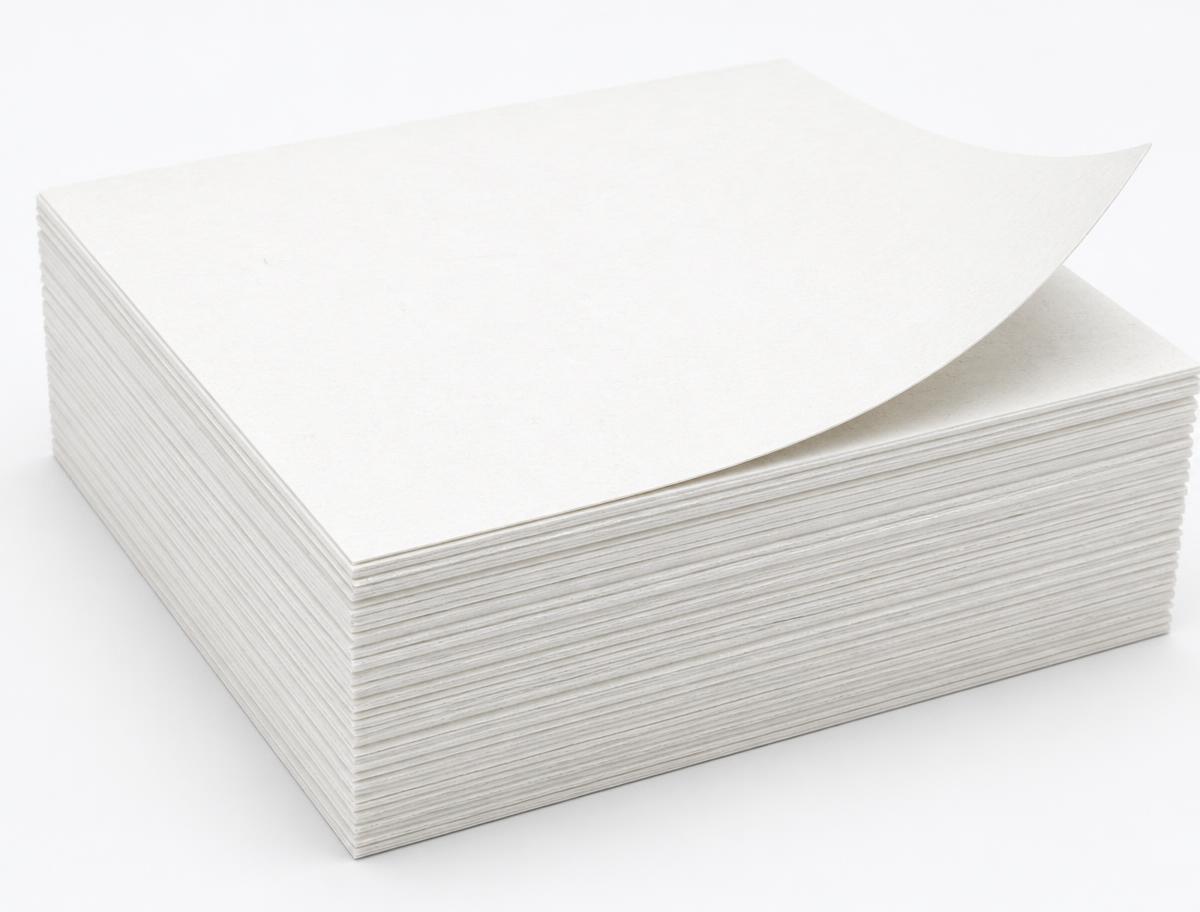
Bleached Hardwood Kraft Pulp (BHKP)
Tissue and hygiene furnishes where softness and bulk govern
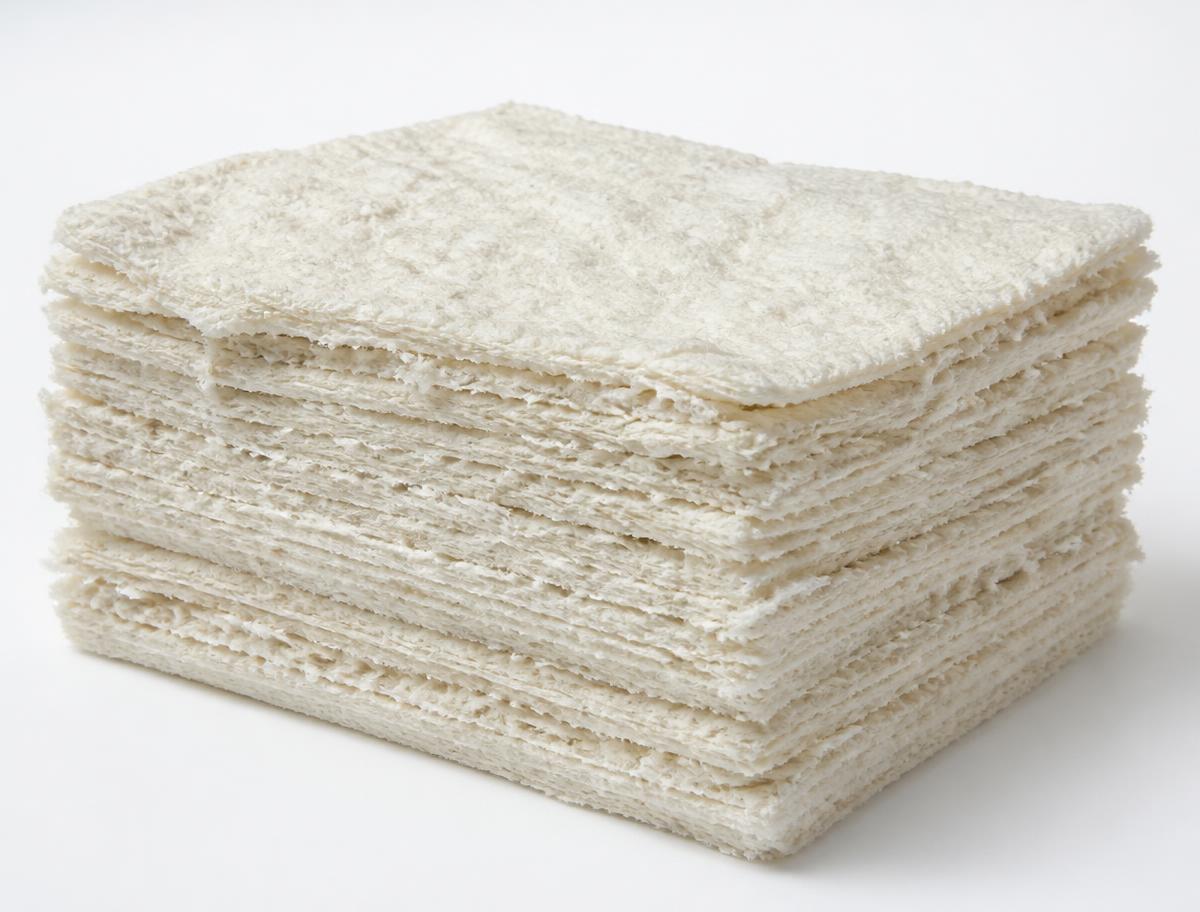
Bleached Chemi-Thermomechanical Pulp (BCTMP)
Folding boxboard and multi-ply paperboard middles
Need a quote on NBSK Pulp?
Request pricing, TDS/SDS and available documentation. We usually acknowledge enquiries within one business day; samples are subject to supplier availability and product classification.