
Bleached Chemi-Thermomechanical Pulp (BCTMP)
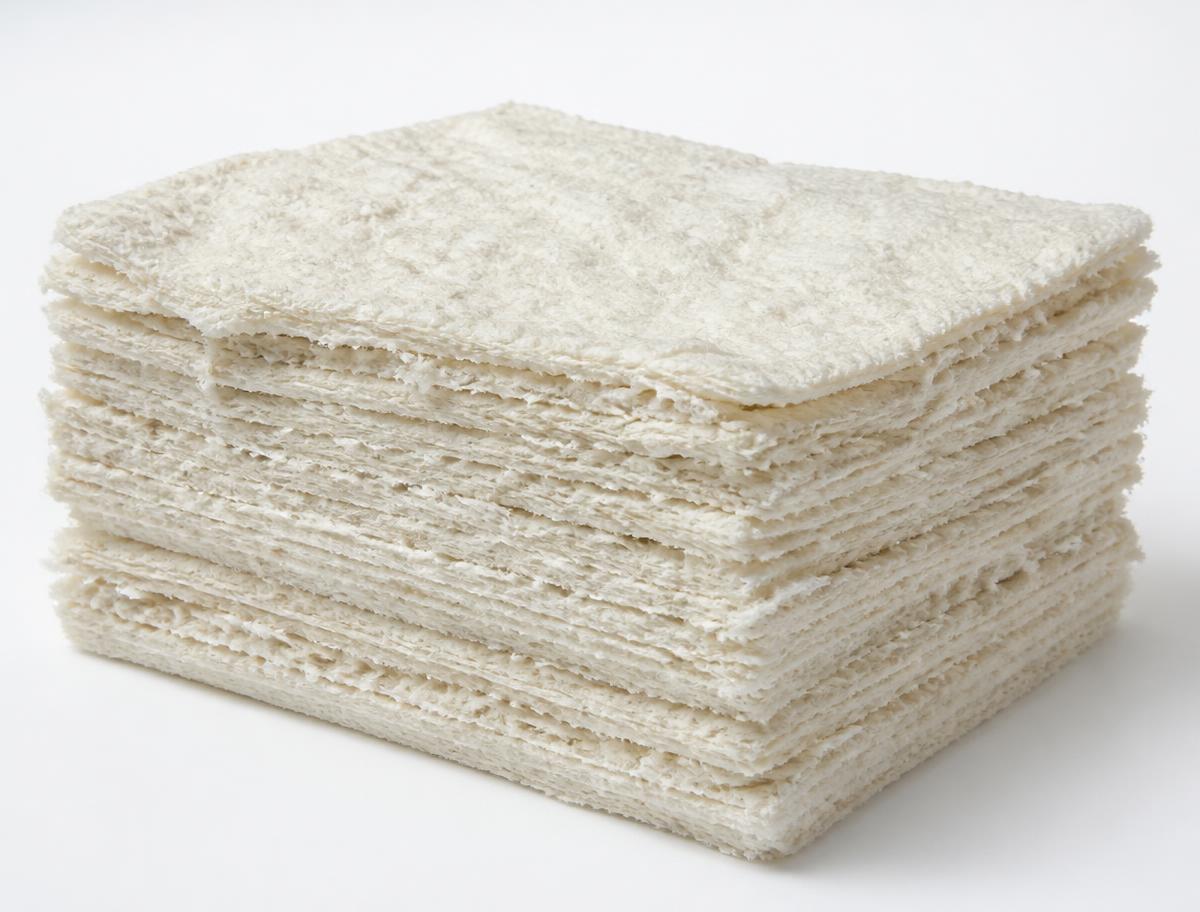
BCTMP is a high-yield pulp: wood is softened with chemicals and heat, refined mechanically and then bleached. Mills buy it where bulk, stiffness and yield economics matter as much as the fibre itself.
At a glance
- Product
- Bleached Chemi-Thermomechanical Pulp (BCTMP)
- Grades
- Softwood BCTMP · Hardwood BCTMP (e.g. aspen) +2 more
- Typical applications
- Folding boxboard and multi-ply paperboard middles · Tissue and hygiene furnishes where bulk is wanted · Printing and writing papers
- Packaging
- Baled market pulp, unitised and wire bound · Container shipment or breakbulk vessel · Bale weight, unit configuration and wrapping confirmed at quotation
- • Certificate of Analysis is provided against the confirmed shipment, grade and batch.
- • Manufacturer TDS and SDS are subject to grade and supplier confirmation and are available on request.
- • Grades, packaging and origin above are indicative sourcing options and are confirmed at quotation.
Available grades from container-direct sourcing
Softwood BCTMP
Higher-bulk, higher-stiffness contribution; commonly used in board plies.
Hardwood BCTMP (e.g. aspen)
Finer surface contribution where formation and smoothness matter alongside bulk.
Tissue-oriented grades
Selected where bulk and absorbency contribution in a tissue furnish is the objective.
Board and printing/writing grades
Selected on stiffness, bulk and optical contribution in the specific ply or furnish.
Typical applications
- Folding boxboard and multi-ply paperboard middles
- Tissue and hygiene furnishes where bulk is wanted
- Printing and writing papers
- Specialty papers where bulk and opacity are specified
Why Canadian buyers choose us
- Enquiries quoted against your furnish and machine, not against a fixed stock list
- Grade, fibre source, origin and certification confirmed in writing at quotation
- Mill quality certificate and supplier technical documentation provided for the grade actually offered
- Air-dry tonne, moisture and weight settlement basis agreed in the contract before shipment
- Container and breakbulk programmes reviewed per enquiry, from part loads upward
Typical industries served
Technical & procurement detail
What BCTMP is and why mills buy it+
BCTMP is made by treating wood chips with chemicals and steam to soften the lignin, refining them mechanically into fibre, and then bleaching the result. Because the lignin largely stays in the pulp instead of being dissolved out, the yield from a tonne of wood is far higher than in a kraft process — which is the commercial logic of the grade. The fibre is stiffer and bulkier than chemical pulp fibre, so BCTMP is used where a furnish needs caliper, stiffness and opacity per tonne rather than maximum strength. Brightness, bulk, freeness and the optical and strength contribution in a given furnish are the parameters that decide acceptance; they vary by mill, wood species and grade and are confirmed against supplier documentation.
BCTMP and CTMP are not automatically the same purchase+
CTMP is the unbleached chemi-thermomechanical grade; BCTMP has been through a bleaching stage. Beyond brightness, the two can differ in cleanliness and in optical behaviour in a furnish, and a specification written around one is not automatically satisfied by the other. If a quotation compares them, treat them as separate grades with separate qualification, and state in the enquiry which one your furnish is designed around.
How it sits against chemical market pulp+
Chemical pulps such as NBSK and BHKP deliver strength and, in the hardwood case, surface. BCTMP delivers bulk and stiffness at high yield. In most board and many tissue furnishes these are complementary rather than competing purchases: the ratio between them is set by the caliper, stiffness and strength targets of the finished grade. State the finished product and the property you are protecting so the right grade — or the right combination — is quoted.
Specification basis+
Normally specified on wood species, brightness, freeness, bulk and stiffness contribution, cleanliness, moisture on an air-dry basis and bale presentation. Allzone publishes no values: they are mill- and grade-specific and are confirmed against supplier documentation at quotation.
Supply and origin context+
Canada has an established BCTMP production and export base, with high-yield pulp mills serving international board and tissue producers, and the grade is also produced in other regions. That is industry context, not an origin guarantee: the exact mill and origin are quotation-specific. Origin, mill, availability, certification and specification are confirmed at quotation against the lot actually offered. Origin is a supply attribute, never an assumed property of the product, and no fibre source is implied by this page.
Commercial and shipping notes+
Traded on an air-dry tonne basis; confirm the weight and moisture settlement basis in the contract · Quoted FOB, CFR or CIF, container or breakbulk · High-yield pulp is bulky, so stowage and container utilisation affect delivered cost · State any certified-fibre requirement so chain of custody is contracted in advance.
Documentation+
Commonly relevant documentation: mill quality certificate / certificate of analysis, packing list, certificate of origin, bill of lading, and — where contracted in advance — chain-of-custody documentation. Availability of each document is confirmed per order, per mill and per destination.
What to include in an enquiry+
Useful in a first enquiry: the exact pulp type and grade, the end use, quantity in metric tonnes or containers, destination port, the fibre or specification you must match, and your Incoterm. For BCTMP also state: softwood or hardwood grade, the finished board or paper grade and ply, target brightness, freeness and bulk/stiffness contribution, furnish ratio, moisture basis, certification requirement and bale presentation.
HS classification+
Wood pulp obtained by a combination of mechanical and chemical pulping processes falls within HS 4705.00. The line applied to a shipment is verified against the material actually offered and the destination's classification practice.
Frequently asked questions
Is BCTMP the same as CTMP?+
No. CTMP is unbleached; BCTMP has been bleached and can also differ in cleanliness and optical behaviour. A specification written for one is not automatically met by the other, so the grade is stated explicitly in the contract.
Can BCTMP replace part of the chemical pulp in a furnish?+
That is the usual reason to buy it, but the substitution limit is set by the strength and surface targets of your finished grade. State the grade, the ply and the property you must protect, and the enquiry can be quoted against a realistic ratio rather than a generic swap.
Do you publish brightness or bulk figures?+
No. Those values are mill- and grade-specific. Allzone confirms them against supplier documentation for the grade actually offered rather than publishing numbers that may not match your lot.
Where is the material produced?+
Origin, mill, availability, certification and specification are confirmed at quotation against the lot actually offered. Origin is a supply attribute, never an assumed property of the product, and no fibre source is implied by this page.
What documentation is issued with the shipment?+
Mill quality certificate, packing list and shipping documents are the normal set, with certificate of origin and chain-of-custody documentation added where they are contracted in advance. Allzone confirms exactly which documents the offering mill can issue before the order is placed rather than promising them in advance.
Related products
Materials commonly quoted alongside Bleached Chemi-Thermomechanical Pulp (BCTMP) by the same plants.

Bleached Hardwood Kraft Pulp (BHKP)
Tissue and hygiene furnishes where softness and bulk govern
Need a quote on Bleached Chemi-Thermomechanical Pulp (BCTMP)?
Request pricing, TDS/SDS and available documentation. We usually acknowledge enquiries within one business day; samples are subject to supplier availability and product classification.