
Magnesium Chloride — Oxychloride Cement Salt
Allzone Trading supplies magnesium chloride to MgO board manufacturers, specialty panel producers and industrial users across Canada. In magnesium oxychloride cement systems the salt solution is half the binder, and its concentration controls set time, strength and dimensional stability. Purity, form and moisture behaviour are confirmed against supplier technical data at quotation.
At a glance
- Product
- Magnesium Chloride
- Grades
- Confirmed at quotation
- Typical applications
- Magnesium oxychloride cement binder systems · MgO board and panel production · Specialty flooring and screed formulations
- Packaging
- Packaging and pack size confirmed at quotation against the grade supplied

- • Certificate of Analysis is provided against the confirmed shipment, grade and batch.
- • Manufacturer TDS and SDS are subject to grade and supplier confirmation and are available on request.
- • Grades, packaging and origin above are indicative sourcing options and are confirmed at quotation.
Available grades from container-direct sourcing
Typical applications
- Magnesium oxychloride cement binder systems
- MgO board and panel production
- Specialty flooring and screed formulations
- Industrial process and dust control applications
- Refractory and specialty ceramic binders
- General industrial chemical use
Why Canadian buyers choose us
- Enquiries handled against your part, mould and process — not a fixed stock list
- Grade, working properties and mix data confirmed in writing before order confirmation
- Supplier technical data sheet and safety data sheet provided for the grade actually offered
- LTL and FTL freight to studios, precast plants, fabricators and distributors across Ontario, Quebec and Western Canada
- Quantities reviewed per enquiry, from trial kits through to pallet and container programmes
Typical industries served
Material identity
Magnesium chloride — identifiers and the names buyers use
- Chemical identity
- MgCl2, supplied as flake, pellet or solution
- Commercial split
- De-icing, dust control, industrial and food grades are distinct markets
- Performance / active content
- UNKNOWN — declared per product on supplier documentation at quotation
- Dose or service life
- UNKNOWN — established by column test or controlled trial on the water treated
Also searched as
Abbreviations
Industry terminology
Identifiers are published for material identification. The exact specification of any offered grade is confirmed against supplier documentation at quotation.
Buyer intent coverage
Magnesium chloride — what it is, where it is used, how it is chosen
Magnesium chloride is bought in Canada mostly for winter and for dust: it works at lower temperatures than road salt and, because it holds moisture, it binds unpaved surfaces through the summer. It also appears in water treatment, food and industrial applications at quite different grades. The property that makes it useful — it pulls water out of the air — is also the one that makes storage a problem, and it is still a chloride, so corrosion and runoff are real constraints.
Primary uses
- De-icing roads, walkways and industrial yards at low temperature
- Dust suppression on unpaved roads and industrial sites
- Magnesium source in water treatment and industrial processes
- Food and supplement applications where the grade permits
Applications
- Municipal winter maintenance across Ontario, Quebec and the Prairies
- Mining and forestry haul-road dust control
- Industrial and commercial property maintenance
- Food processing and supplement manufacture where grade permits
Advantages
- Works at lower temperatures than sodium chloride, extending the usable winter range
- Hygroscopic behaviour makes it effective and long-lasting for dust suppression
- Available in flake, pellet and solution forms to suit different application equipment
Limitations to consider
- Strongly hygroscopic: it cakes and liquefies if storage is not kept sealed and dry
- Still a chloride, so corrosion of vehicles, structures and reinforcement applies
- Chloride runoff into soil and surface water is an increasing regulatory concern
- De-icing, dust-control and food grades are not interchangeable
- Dose is established on your own water by jar test, coupon monitoring or a controlled plant trial. Supplier literature values are starting points for that trial, not a specification.
- Many treatment chemicals are regulated in transport and have specific storage, containment and personal-protection requirements. The SDS for the exact product offered is the governing document, and it should be reviewed before the delivery is scheduled rather than after it arrives.
How to choose the right grade
- Define the contaminant you are removing or controlling, its concentration range and the target you must reach
- State the flow rate, contact time and vessel or system geometry the product has to work inside
- Confirm whether the water is potable, food-contact, membrane-fed or effluent, because certification and compatibility follow from it
- Confirm what pre-treatment exists, since fouling and competing species usually decide run length more than the media itself
- For media, confirm particle size and hydraulic constraints against the existing vessel and backwash capability
- For dosed specialty products, confirm compatibility with everything else already in the system
- Adsorbent and specialty water products are qualified on your own water before a full order. A column test, a pilot skid or a controlled plant trial is the only reliable predictor of capacity, run length and true cost per unit of water treated.
- Exact specification is confirmed against supplier documentation at quotation.
Typical grades
- Flake grade
- Pellet grade
- Solution / brine grade
- Food grade where the supplier declares it
- Solution strength and active content are per-offer values, and they change the dose and the true cost per unit of water treated. Compare quotations on active content delivered, not on price per litre or per kilogram, and read the value from the supplier documentation for the exact product offered.
- Drinking-water and food-contact applications require certification held for the specific product and manufacturing site. Whether the product offered carries it is confirmed against supplier documentation at quotation and is never presented here as a held approval.
Comparable materials — how Magnesium chloride sits against alternatives
- Calcium chloride
- Sodium chloride (road salt)
- Lignosulfonate dust suppressants
- Non-chloride de-icers
- Buyers looking for an alternative or second-source supplier should state the incumbent product and the property being matched. Treatment chemicals are rarely interchangeable on name alone: comparison depends on declared documentation and on a controlled trial in the running system.
Comparable-material reference. Grade selection is confirmed at RFQ against your process.
Procurement coverage
How to specify, order and receive Magnesium chloride
Written for procurement, quality and technical buyers in Canada and the United States. No numeric price, MOQ, stock or lead-time value is published — those are confirmed per shipment in the quotation and against the confirmed batch.
How buyers specify at RFQ
- Product identity, base material and the mechanism it works by
- Performance parameters as the supplier declares them for the exact product offered
- Particle size, form or active content, depending on product type
- Operating limits — flow, contact time, pH and temperature — as stated by the supplier
- Certification status for potable or food-contact service where the application requires it
- Regeneration, replacement or disposal route at end of service life
Packaging options (industry-standard)
- Bag format for manual make-up and small dosing systems
- Jumbo / FIBC bag where consumption is continuous and the site has lifting and discharge equipment
- Bulk or container load where silo or bulk intake exists
- Packaging options and available pack sizes are confirmed with each quotation.
Storage & handling
- Store dry, sealed and off the floor; absorbed moisture causes caking and changes the way the product feeds and dissolves
- Segregate oxidisers, acids and reducing agents; storing them together is the most common cause of serious incidents with these products
- Rotate stock and record lot numbers against each treatment period for traceability
- Chemical incompatibility in storage and dosing is a genuine safety issue on treatment sites. Confirm segregation distances, separate containment, dedicated fill points and clearly distinct connections before a new product is introduced alongside an existing one.
Documentation available
- Technical data sheet (TDS) for the exact grade offered, stating assay, form and particle size as the supplier reports them
- Safety data sheet (SDS) in the format required for Canadian import, including dust and incompatibility guidance
- Certificate of analysis (COA) against the confirmed batch
- Food, feed or potable-service declaration where the end use sits under a regulated framework
- Documentation is confirmed per batch at quotation; availability depends on the grade and supplier offered.
RFQ checklist for magnesium-chloride-canada
Include these fields to receive an accurate Canada-landed quotation
- The system being treated and what it does — drinking water, effluent, cooling, boiler, process or recreational water
- The problem you are trying to solve, and the limit or target you have to meet
- A current water or effluent analysis, since it decides what will actually work
- Annual volume and expected per-shipment quantity
- Packaging format your receiving and dosing installation can accept
- Documentation required per shipment, including any potable-service certification
- Delivery province and site receiving arrangements
- Contaminant, concentration range and the removal target
- Flow rate, vessel size and available contact time
- Existing pre-treatment and any product currently in service
- Spent media handling and disposal route
- Dilute treatment solutions are largely water by weight, so freight distance, delivery format and discharge arrangements move landed cost as much as the chemical price does. Quotations are compared delivered to your plant, not ex-works.
- Whatever is dosed has to be measured. Confirm which residual, index or coupon test the programme is controlled against, and that your team has the instruments and reagents to run it, before the chemistry is changed.
Technical & procurement detail
Solution strength drives the whole system+
The molar ratio between magnesia and the salt solution determines which hydrate phase forms, and therefore the strength and stability of the finished board. Plants that control brine concentration precisely get consistent product; those that top up by eye do not.
Hygroscopic handling+
Magnesium chloride absorbs moisture readily and will cake or liquefy in humid storage. Sealed packaging, controlled storage and prompt use after opening are basic requirements in any plant using it.
Corrosion awareness+
Chloride chemistry is aggressive toward mild steel in both the plant and the finished product. Producers plan for corrosion-resistant equipment and design embedded reinforcement accordingly rather than discovering the issue after a warranty claim.
Specification options+
Working properties are configurable options within this canonical product, not separate products. Depending on the family, that can include grade, viscosity, mix ratio, pot life and demould time, hardness, colour, particle size or fibre length, and pack format. No configuration is presented as stocked or approved until it is confirmed against the supplier's technical data for the exact material offered. Supplier grade names, factory codes and manufacturer brands are not published here.
What to include in your enquiry+
Tell us the application, form and purity required, monthly tonnage, packaging and delivery location.
Frequently asked questions
Which form is supplied?+
Flake, powder and prill are specification options within this canonical product, confirmed against supplier technical data at quotation.
Is purity important for board production?+
Yes. Impurities affect set behaviour and staining, so purity data for the material offered is provided with the quotation.
Are technical documents provided before ordering?+
Yes. The supplier technical data sheet and safety data sheet for the exact grade offered are provided with the quotation, and the working properties in those documents govern — not any general description on this page.
What quantities are quoted?+
Quantities are reviewed per enquiry, from trial quantities through to pallet and full container programmes for production users and distributors.
Technical knowledge for Magnesium Chloride Supplier — Canada
Engineering and purchasing guidance written for this material — understand it, apply it, compare options, specify a grade, and fix production problems.
Comparison Articles
Related products
Materials commonly quoted alongside Magnesium Chloride by the same plants.
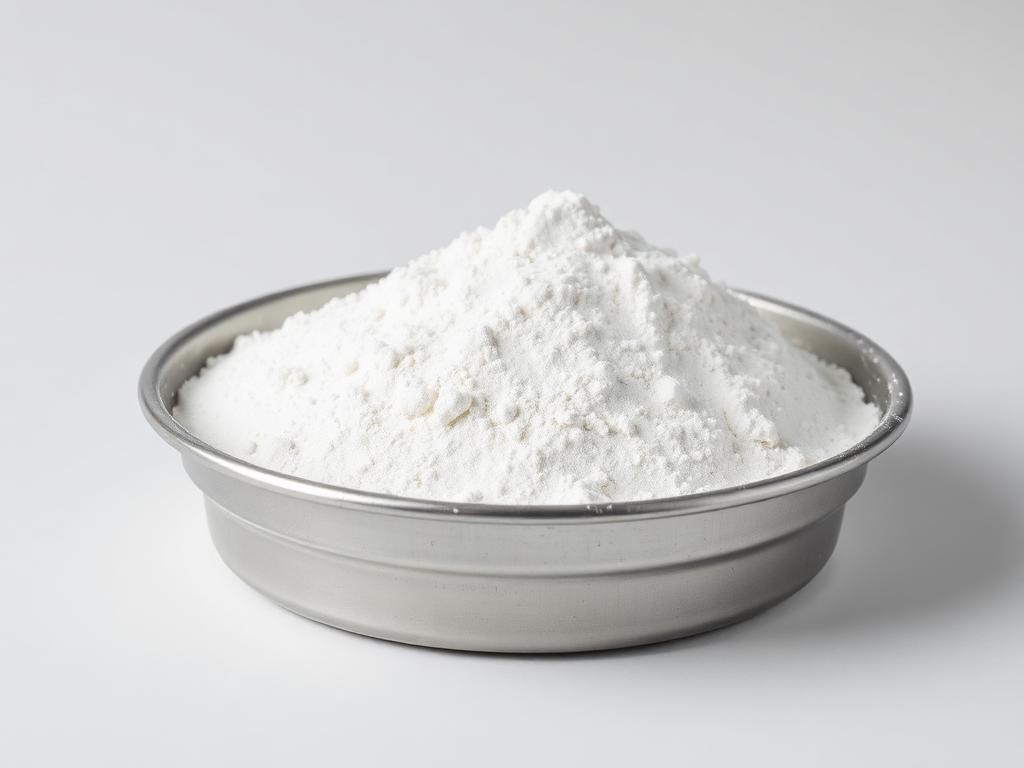
White Portland Cement
Cast stone and architectural precast units
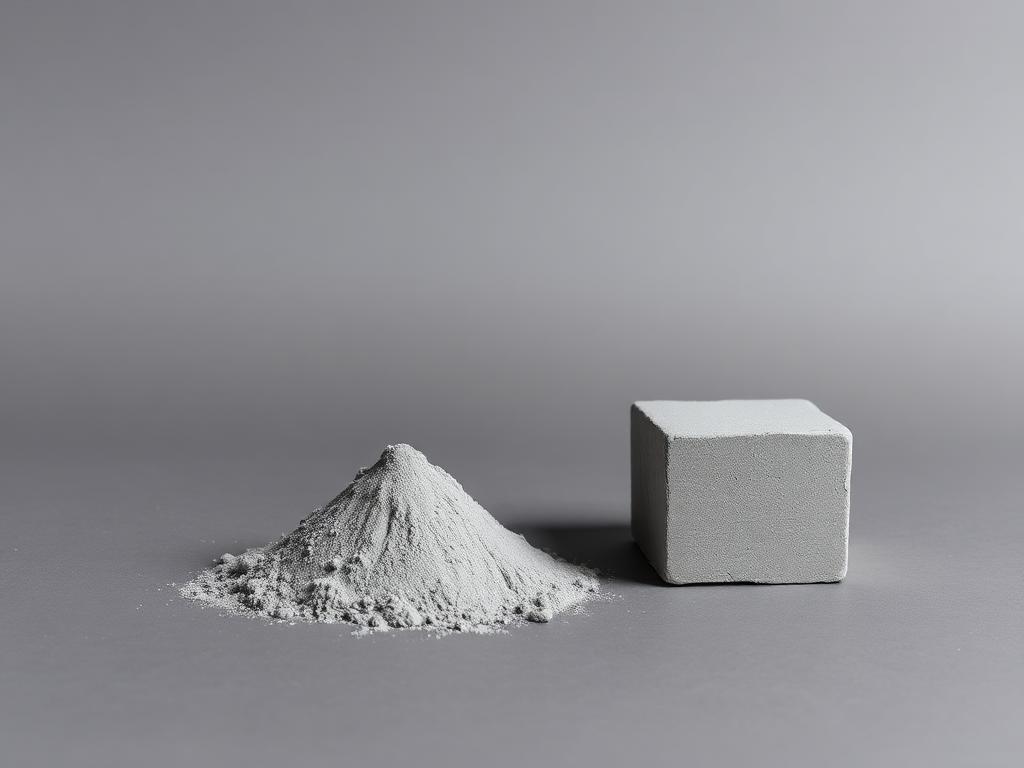
Calcium Aluminate Cement
Rapid-set repair mortars and patching compounds
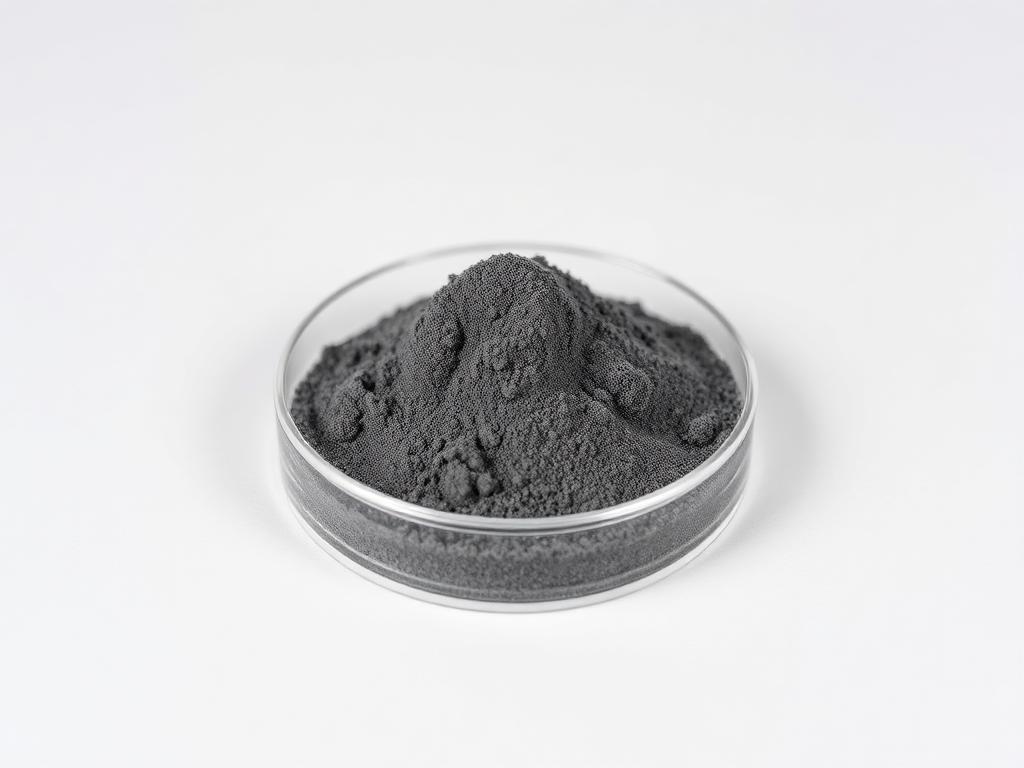
Silica Fume (Microsilica)
Anti-caking and free-flow agent — gFRC mixes for improved density and reduced permeability
Need a quote on Magnesium Chloride?
Request pricing, TDS/SDS and available documentation. We usually acknowledge enquiries within one business day; samples are subject to supplier availability and product classification.