
Grinding Wheel — Bonded Abrasive Wheel for Metal Grinding
Allzone Trading supplies bonded abrasive grinding wheels to fabricators, steel processors, maintenance teams and distributors in Ontario, Quebec and across Canada. Diameter, thickness, arbor, abrasive type and pack quantity are specified against your machine and workpiece, then confirmed against supplier technical data at quotation.
At a glance
- Product
- Grinding Wheel
- Grades
- Bonded abrasive grinding wheel
- Typical applications
- Heavy stock removal on steel and stainless steel · Weld removal, weld dressing and weld preparation · Edge grinding, bevelling and joint preparation before welding
- Packaging
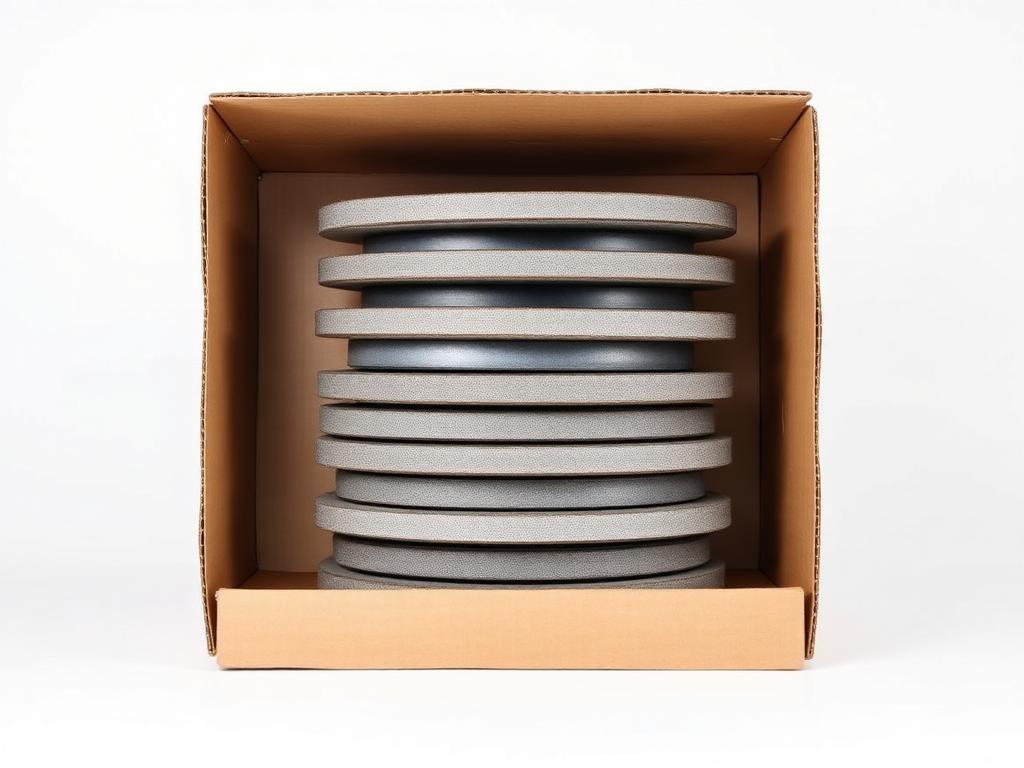
- Supplied in cartons or boxes; pack quantity and packaging confirmed at quotation
- • Certificate of Analysis is provided against the confirmed shipment, grade and batch.
- • Manufacturer TDS and SDS are subject to grade and supplier confirmation and are available on request.
- • Grades, packaging and origin above are indicative sourcing options and are confirmed at quotation.
Available grades from container-direct sourcing
Bonded abrasive grinding wheel
Diameter, thickness, arbor, abrasive type, bond and pack quantity confirmed against supplier technical data at quotation.
Typical applications
- Heavy stock removal on steel and stainless steel
- Weld removal, weld dressing and weld preparation
- Edge grinding, bevelling and joint preparation before welding
- Removing excess material from castings, forgings and fabricated parts
- Cleaning up flame-cut and plasma-cut edges
- General metal grinding in fabrication and maintenance
Why Canadian buyers choose us
- Enquiries handled against your application, machine and workpiece material, not a fixed stock list
- Diameter, thickness, arbor, grain and grit confirmed in writing before order confirmation
- Supplier technical data provided for the exact item offered — no assumed operating values
- LTL and FTL freight to fabricators, contractors and distributors across Ontario, Quebec and Western Canada
- Quantities reviewed per enquiry, from trial cartons to full pallet and container programmes
Typical industries served
Technical & procurement detail
What a grinding wheel is+
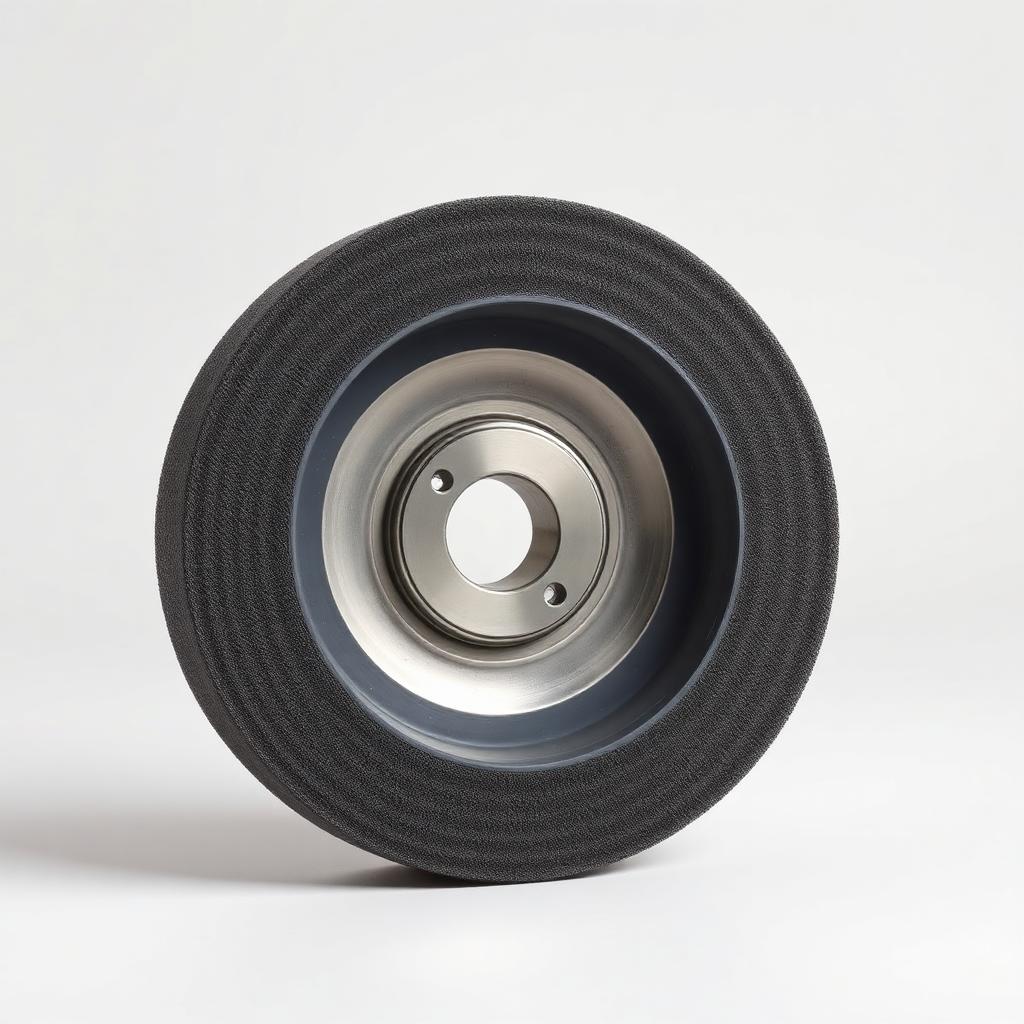
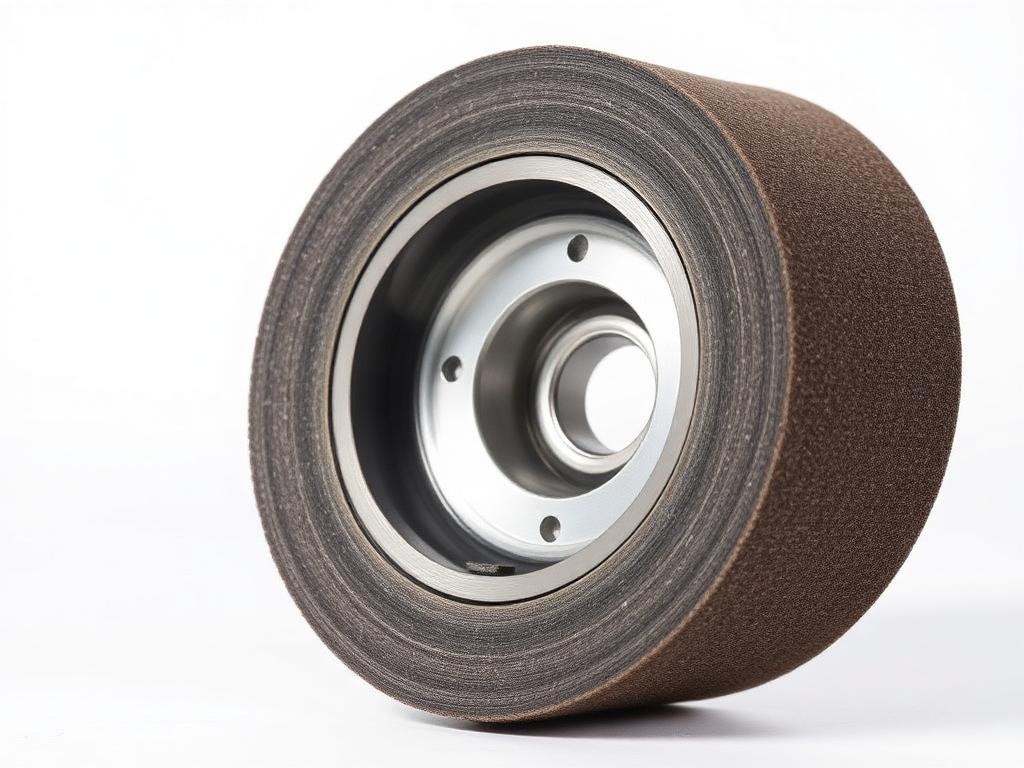
A grinding wheel is a bonded abrasive: abrasive grain is held in a bond matrix and reinforced, then formed into a rigid wheel. Unlike a coated abrasive, the abrasive is distributed through the thickness of the wheel, so the wheel wears down as it works and keeps presenting fresh grain. Wheels for portable angle grinders are commonly made with a depressed centre so the wheel can be worked at an angle to the surface while the mounting flange stays clear. Grinding wheels are the tool of choice where a significant amount of metal has to be removed and the surface finish is a secondary concern.
How it is used in professional workflows+
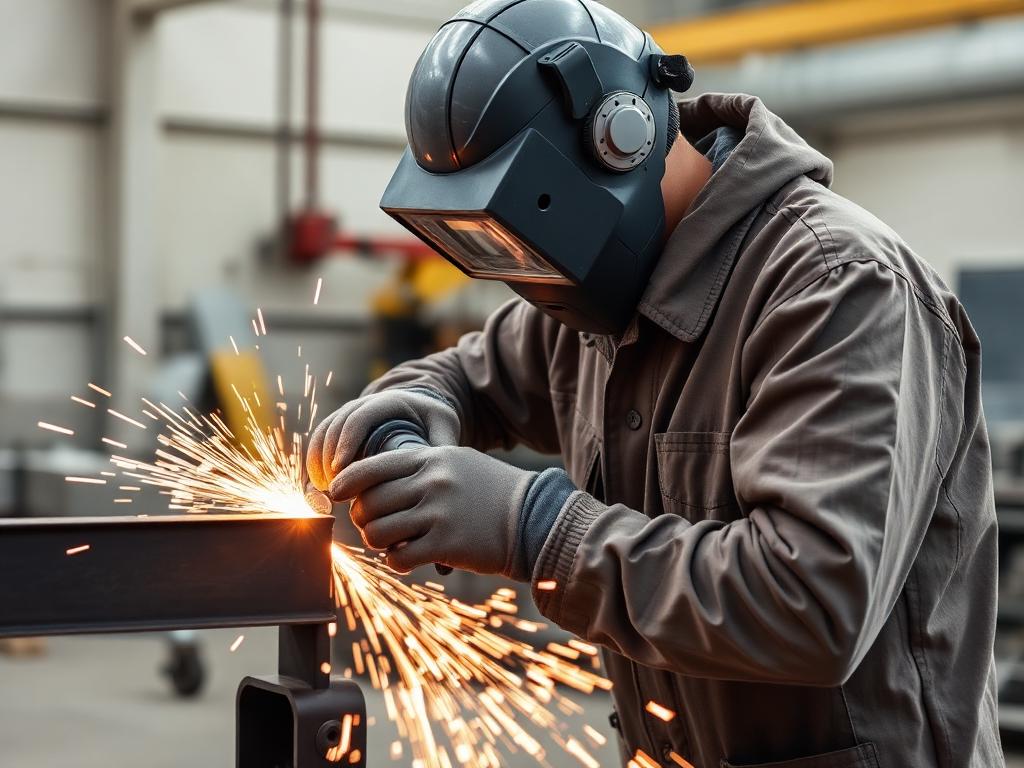
In fabrication, grinding wheels remove weld crowns, dress weld joints, bevel plate edges before welding and clean up flame-cut or plasma-cut edges. Foundries and machine shops use them to remove risers, gates and excess material from castings and forgings. Maintenance teams use them for on-site repairs where material has to come off quickly. The ground surface is normally blended afterwards with a flap disc or coated abrasive if appearance or a subsequent coating requires it.
Wheel dimensions and compatibility+
The wheel must match the tool. Diameter has to be within the range the grinder and its guard are designed for; arbor or centre hole must match the spindle or the mounting flange used; and thickness determines how the wheel behaves — a thicker wheel is more rigid and better suited to sustained grinding, a thinner one is more easily loaded sideways and is not a substitute for a wheel intended for that duty. A grinding wheel and a cut-off wheel are different products and are not interchangeable. Compatibility is confirmed against the tool manufacturer's instructions and the markings on the wheel actually supplied.
Abrasive type and application guidance+
Wheels are supplied with different abrasive types for different work. Aluminium oxide based wheels are the general choice for carbon and mild steel. Wheels formulated for stainless steel are used where iron, sulphur and chlorine contamination must be controlled; these specifications are requested explicitly. Silicon carbide based wheels are used on masonry, stone and some non-ferrous materials rather than on steel. Bond, grain size and wheel structure vary between suppliers and grades, so the wheel is selected from the material and the duty rather than from a single universal specification.
Grinding wheels and cutting wheels are different products+
A grinding wheel is comparatively thick and designed to be worked at an angle across its face. A cut-off wheel is thin and designed to cut on its edge in a straight line. Using either in the other's role is outside its intended use. Where a job needs both, both are specified separately — they are two products on this catalogue and two lines on an RFQ.
Specification options+
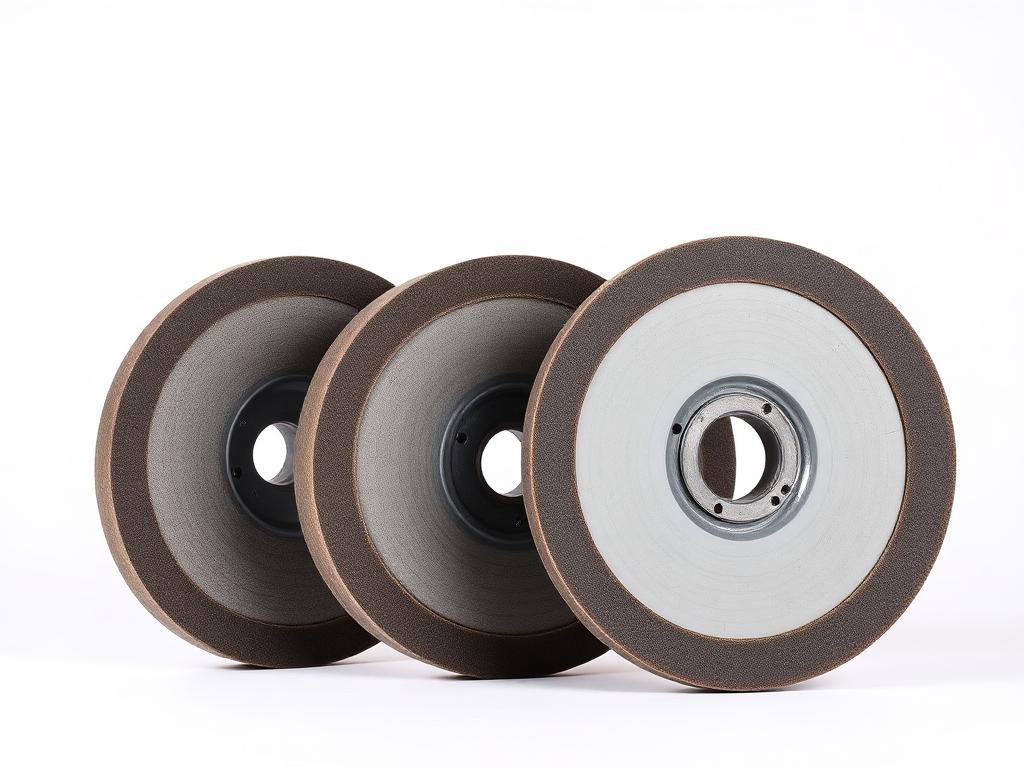
Available specifications include wheel diameter, thickness, arbor or centre hole, wheel form (including depressed centre types), abrasive type, bond and pack quantity. These are configurable options within this canonical product. No maximum operating speed, standard, approval, hardness grade or performance value is published here — those are taken from the manufacturer's own marking and documentation for the item supplied.
Safe use and operating limits+
Maximum operating speed, machine compatibility, guarding and personal protective equipment requirements are set by the manufacturer of the specific item supplied and by the tool manufacturer. Allzone publishes no operating data here; the manufacturer's markings and instructions for the item actually supplied always govern use.
What to include in your enquiry+
Send the wheel diameter, thickness and arbor, the grinder or machine it will be used on, the workpiece material, the application (weld removal, edge preparation, casting cleanup, general grinding), the pack size you buy in and the quantity required. Tell us if a stainless-steel specification with controlled contaminants is needed.
Frequently asked questions
What is a grinding wheel used for?+
It is a bonded abrasive wheel used for heavy stock removal on metal — weld removal and dressing, edge grinding and bevelling, cleaning castings and forgings, and dressing cut edges in fabrication and maintenance.
What wheel size should I select?+
Diameter must be within the range your grinder and guard are designed for, and the arbor must match the spindle or mounting flange. Thickness follows the duty. Confirm the tool's rated wheel size in its instructions and state it in your enquiry.
What is the difference between grinding and cutting wheels?+
A grinding wheel is thicker and designed to grind across its face at an angle. A cut-off wheel is thin and designed to cut on its edge in a straight line. They are separate products and are not interchangeable.
Can a grinding wheel be used for weld removal?+
Weld removal and weld dressing are among the most common uses. The ground area is often blended afterwards with a flap disc or coated abrasive when the finish matters.
Which wheel is suitable for stainless steel?+
Wheels specified for stainless steel are used where iron, sulphur and chlorine contamination must be controlled. State the material in the enquiry so the correct specification is confirmed with supplier documentation.
What quantities are quoted?+
Quantities are reviewed per enquiry, from trial cartons through to pallet and container programmes for distributors.
Related products
Materials commonly quoted alongside Grinding Wheel by the same plants.
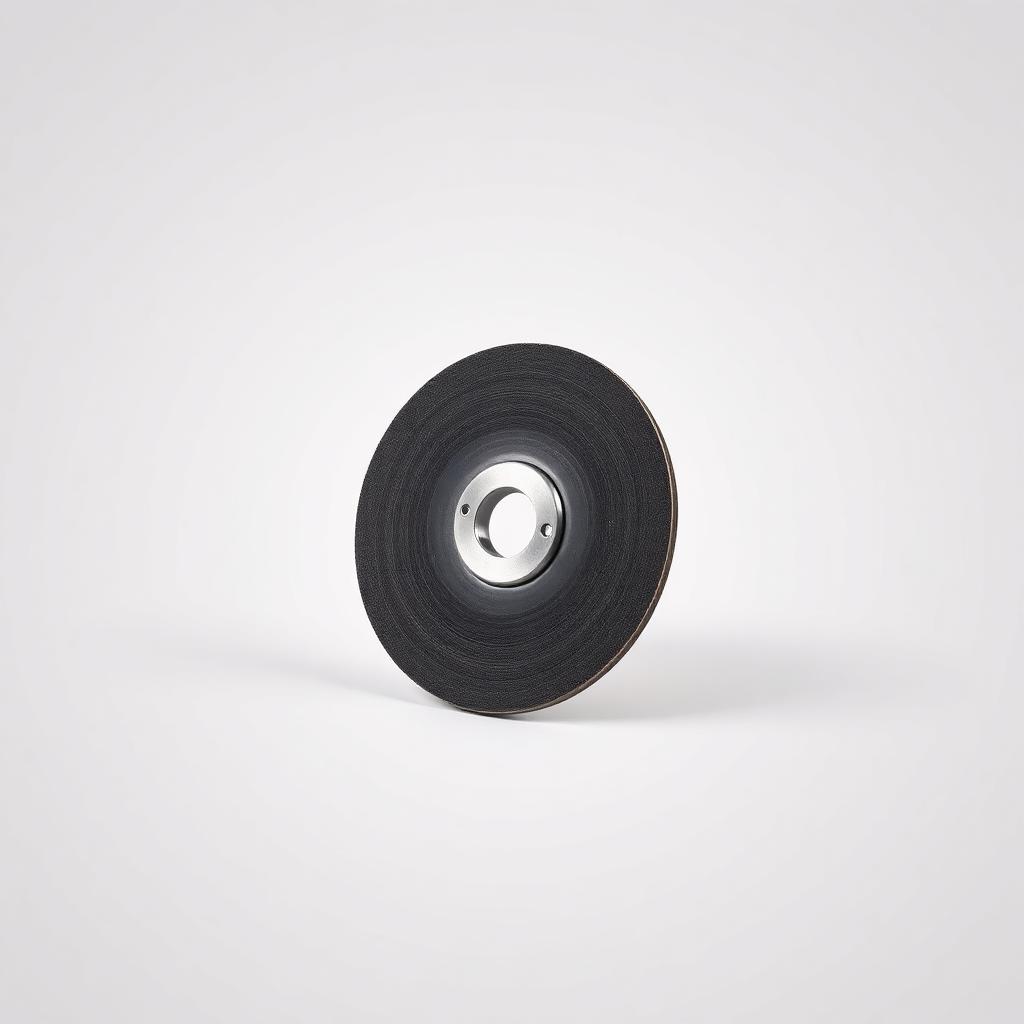
Cut-Off Wheel
Cutting steel and stainless steel sheet, plate, bar and section
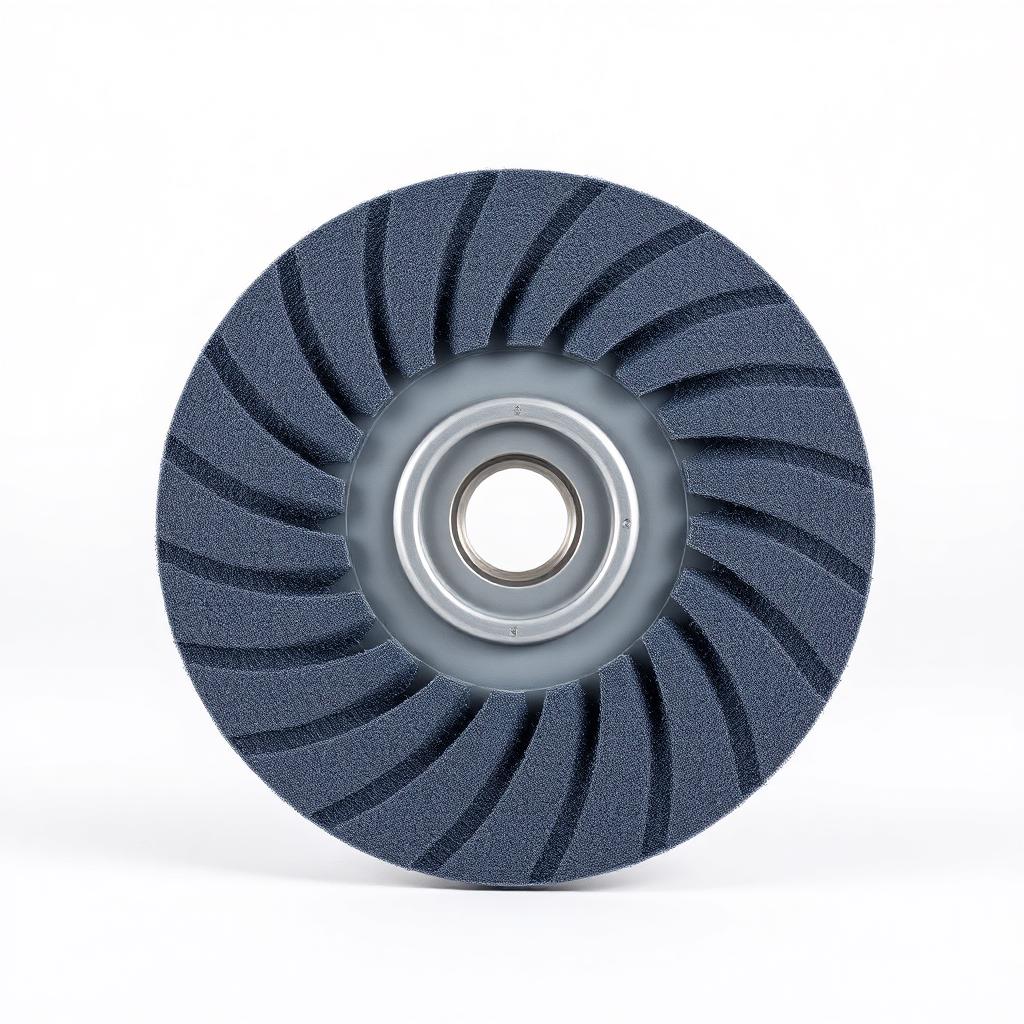
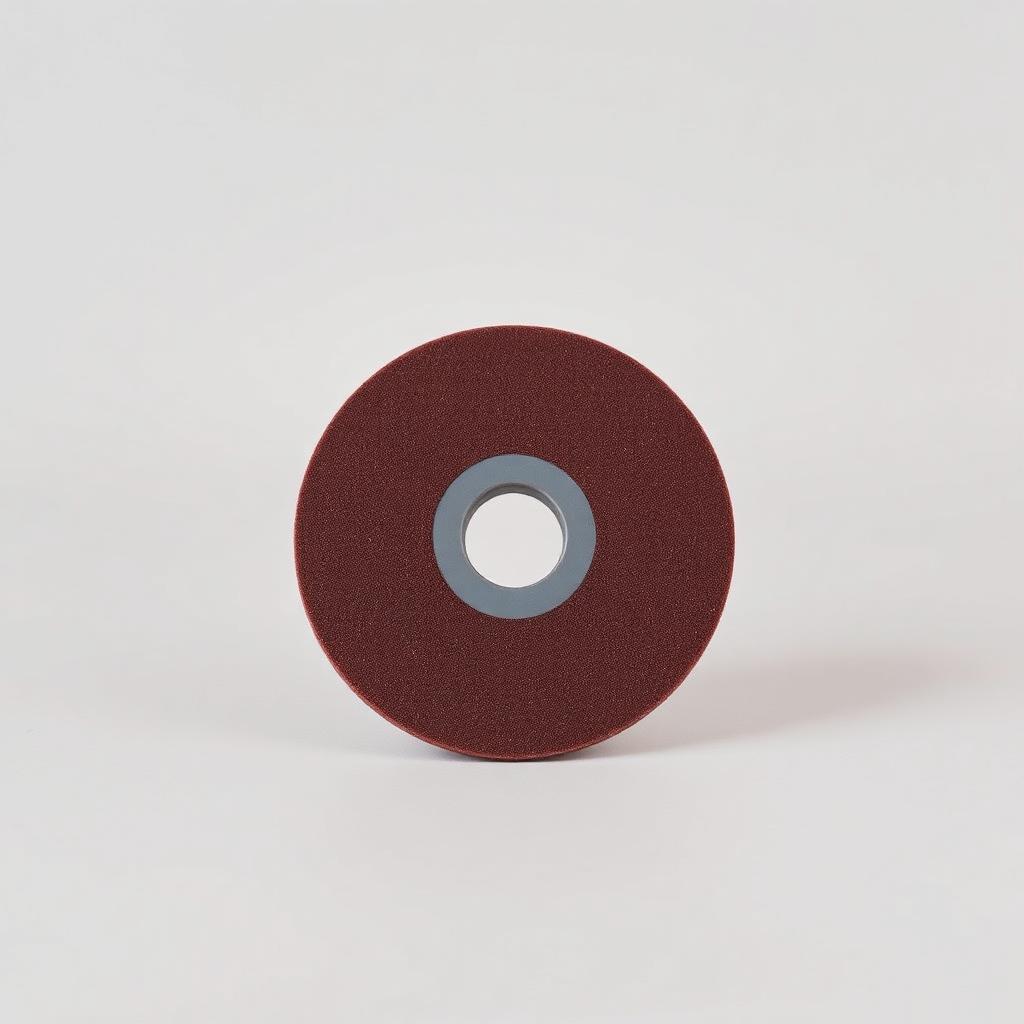
Resin Fiber Disc
Stock removal and levelling on carbon steel and stainless steel
Need a quote on Grinding Wheel?
Request pricing, TDS/SDS and available documentation. We usually acknowledge enquiries within one business day; samples are subject to supplier availability and product classification.