
Dissolving Wood Pulp
Dissolving wood pulp is chemical pulp purified until what is left is essentially cellulose. It is not bought to make paper — it is bought as a chemical feedstock, and the buyer's specification is written around the reaction that follows.
At a glance
- Product
- Dissolving Wood Pulp
- Grades
- Viscose-grade dissolving pulp · Specialty / derivative grades +2 more
- Typical applications
- Viscose and rayon fibre production · Cellulose derivative manufacturing (ethers and esters) where dissolving grade is specified · Cellulose film and moulded cellulose products
- Packaging
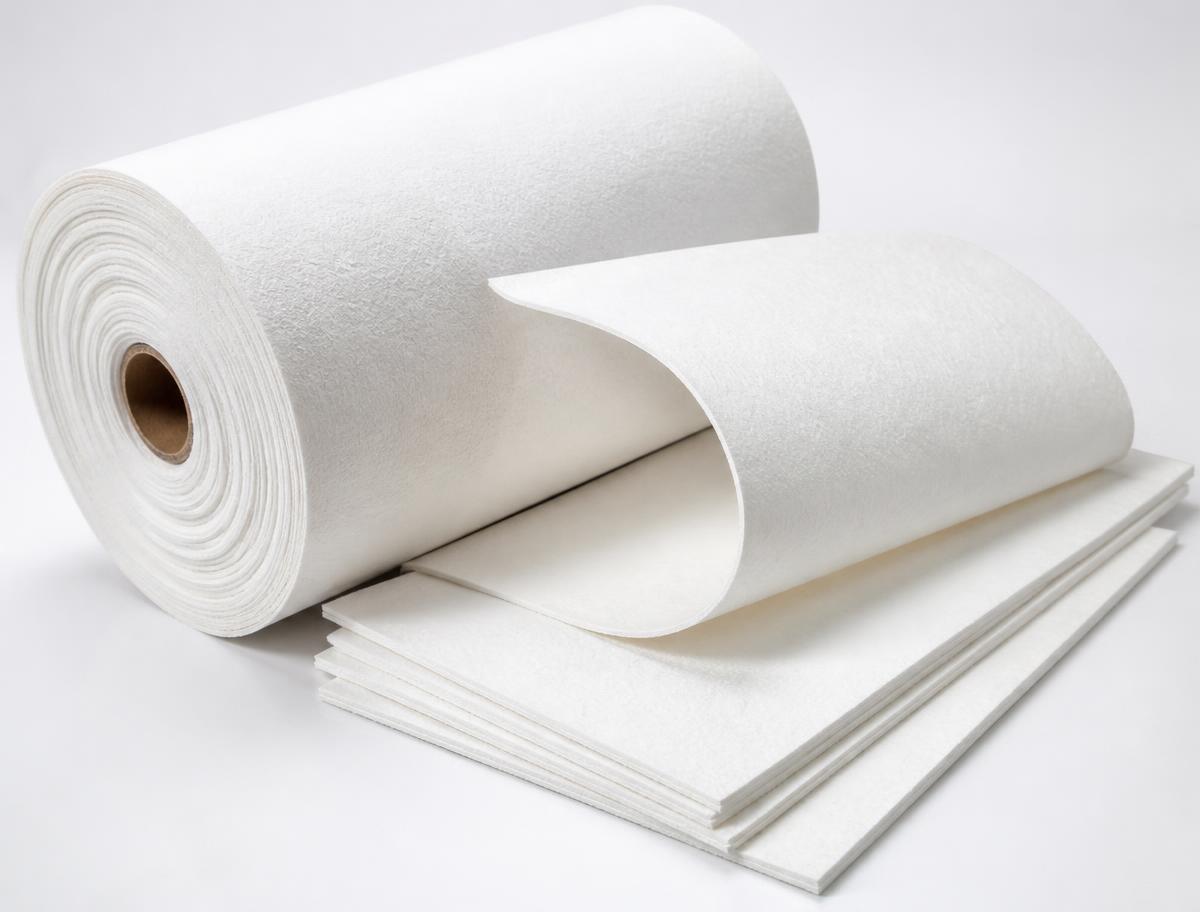
- Baled sheets, unitised and wire bound · Roll presentation where the offering mill supports it · Container shipment or breakbulk vessel
- • Certificate of Analysis is provided against the confirmed shipment, grade and batch.
- • Manufacturer TDS and SDS are subject to grade and supplier confirmation and are available on request.
- • Grades, packaging and origin above are indicative sourcing options and are confirmed at quotation.
Available grades from container-direct sourcing
Viscose-grade dissolving pulp
For viscose and rayon staple/filament processes, specified on cellulose content and viscosity behaviour.
Specialty / derivative grades
Higher-purity grades used where the downstream derivative chemistry is more demanding. Purity basis confirmed against supplier documentation.
Sulphite and pre-hydrolysis kraft routes
Dissolving pulp is produced by different process routes whose impurity profiles differ. Route is confirmed at quotation where the process is sensitive to it.
Softwood and hardwood based grades
Both fibre sources are used; the choice is set by the downstream process, not by paper-making properties.
Typical applications
- Viscose and rayon fibre production
- Cellulose derivative manufacturing (ethers and esters) where dissolving grade is specified
- Cellulose film and moulded cellulose products
- Specialty industrial cellulose processes
Why Canadian buyers choose us
- Enquiries quoted against your furnish and machine, not against a fixed stock list
- Grade, fibre source, origin and certification confirmed in writing at quotation
- Mill quality certificate and supplier technical documentation provided for the grade actually offered
- Air-dry tonne, moisture and weight settlement basis agreed in the contract before shipment
- Container and breakbulk programmes reviewed per enquiry, from part loads upward
Typical industries served
Technical & procurement detail
What dissolving wood pulp is and what decides quality+
Dissolving wood pulp is chemical pulp that has been purified well beyond paper grade: hemicellulose, lignin and extractives are removed so that what remains is a high-cellulose material suitable for chemical conversion. Because the pulp is a feedstock rather than a sheet-forming material, the properties that matter are chemical, not mechanical — cellulose (alpha) content, viscosity, reactivity, ash and metal ions, and consistency between lots. Two dissolving pulps with the same headline description can behave very differently in a reaction vessel, which is why acceptance is decided by trial and by documentation rather than by grade name. Allzone publishes no purity or viscosity values; they are confirmed against supplier documentation for the grade actually offered.
Terminology covered by this page+
Buyers ask for this material as dissolving pulp, dissolving-grade wood pulp, high-alpha cellulose pulp and, loosely, as specialty cellulose. This single record covers those terms. 'Specialty cellulose' is the loosest of them: it is used in the market for several different purified cellulose products, not all of which are dissolving pulp. If your specification came from a supplier document that used that phrase, send the parameters rather than the label so the enquiry is matched to the right material.
How it differs from cotton linter pulp+
Both are purified celluloses and some downstream processes can be designed around either, but they are different raw materials: dissolving pulp comes from wood, cotton linter pulp from cotton linters, and they differ in impurity profile, viscosity behaviour, supply base and tariff classification. Where a plant is genuinely dual-qualified this is a useful commercial comparison; where it is not, treat them as two separate qualifications. State which route your process is qualified on when you enquire.
Specification basis+
Normally specified on alpha cellulose content, viscosity, reactivity for the intended derivative, hemicellulose residue, ash and metals, brightness where relevant, moisture and presentation. Values differ by process route, mill and grade and are confirmed against supplier documentation at quotation.
Supply and origin context+
Canada has an established dissolving-pulp production and export base, and the grade is also produced in several other regions on both sulphite and pre-hydrolysis kraft routes. Actual origin, mill and process route are quotation-specific and are never assumed from this page. Origin, mill, availability, certification and specification are confirmed at quotation against the lot actually offered. Origin is a supply attribute, never an assumed property of the product, and no fibre source is implied by this page.
Commercial and shipping notes+
Traded on an air-dry tonne basis; confirm the weight and moisture settlement basis in the contract · Quoted FOB, CFR or CIF, container or breakbulk · Qualification samples and trial quantities should be agreed before a first commercial lot, because acceptance depends on downstream reaction behaviour · Destination regulatory and documentation requirements differ by end use.
Documentation+
Commonly relevant documentation: mill quality certificate / certificate of analysis, packing list, certificate of origin, bill of lading, and — where contracted in advance — chain-of-custody documentation. Availability of each document is confirmed per order, per mill and per destination.
What to include in an enquiry+
Useful in a first enquiry: the exact pulp type and grade, the end use, quantity in metric tonnes or containers, destination port, the fibre or specification you must match, and your Incoterm. For dissolving wood pulp also state: the downstream process (viscose, ether, ester or other), required alpha cellulose and viscosity basis, ash and metal limits, acceptable process route, presentation, sample requirement and any destination documentation.
HS classification+
Chemical wood pulp, dissolving grades, falls within HS 4702.00. The line applied to a shipment is verified against the material actually offered and the destination's classification practice.
Frequently asked questions
Is all specialty cellulose the same as dissolving pulp?+
No. 'Specialty cellulose' is a loose commercial description covering several purified cellulose products. Dissolving pulp is a defined grade of chemical wood pulp. Send the parameters your process requires rather than the label, so the enquiry is matched to the right material.
Which grade is right for a viscose line versus a derivative plant?+
Viscose and derivative processes place different demands on cellulose content, viscosity and reactivity, and derivative grades are usually the more demanding. State the process and the parameters you qualify on, and the grade is selected against those rather than against a generic description.
Does the process route matter?+
It can. Sulphite and pre-hydrolysis kraft routes give different impurity profiles, and some downstream processes are sensitive to that. Where your process is route-specific, say so in the enquiry so it is confirmed with the offering mill.
Where is the material produced?+
Origin, mill, availability, certification and specification are confirmed at quotation against the lot actually offered. Origin is a supply attribute, never an assumed property of the product, and no fibre source is implied by this page.
What documentation is issued with the shipment?+
Mill quality certificate, packing list and shipping documents are the normal set, with certificate of origin and chain-of-custody documentation added where they are contracted in advance. Allzone confirms exactly which documents the offering mill can issue before the order is placed rather than promising them in advance.
Related products
Materials commonly quoted alongside Dissolving Wood Pulp by the same plants.
Bleached Hardwood Kraft Pulp (BHKP)
Tissue and hygiene furnishes where softness and bulk govern
Need a quote on Dissolving Wood Pulp?
Request pricing, TDS/SDS and available documentation. We usually acknowledge enquiries within one business day; samples are subject to supplier availability and product classification.