
Bronze Powder — Cold Cast Bronze Face Coats
Allzone Trading supplies bronze powder to art foundries, sculpture studios, prop and display fabricators and decorative coatings manufacturers across Canada. Loaded into a resin face coat and then polished or patinated, bronze powder produces a surface that reads as foundry bronze at a fraction of the weight and cost. Alloy, particle size and surface treatment are confirmed against supplier technical data at quotation.
At a glance
- Product
- Bronze Powder
- Grades
- Confirmed at quotation
- Typical applications
- Cold cast bronze sculpture and limited editions · Prop, display and architectural feature finishes · Bronze-effect decorative coatings
- Packaging
- Packaging and pack size confirmed at quotation against the grade supplied
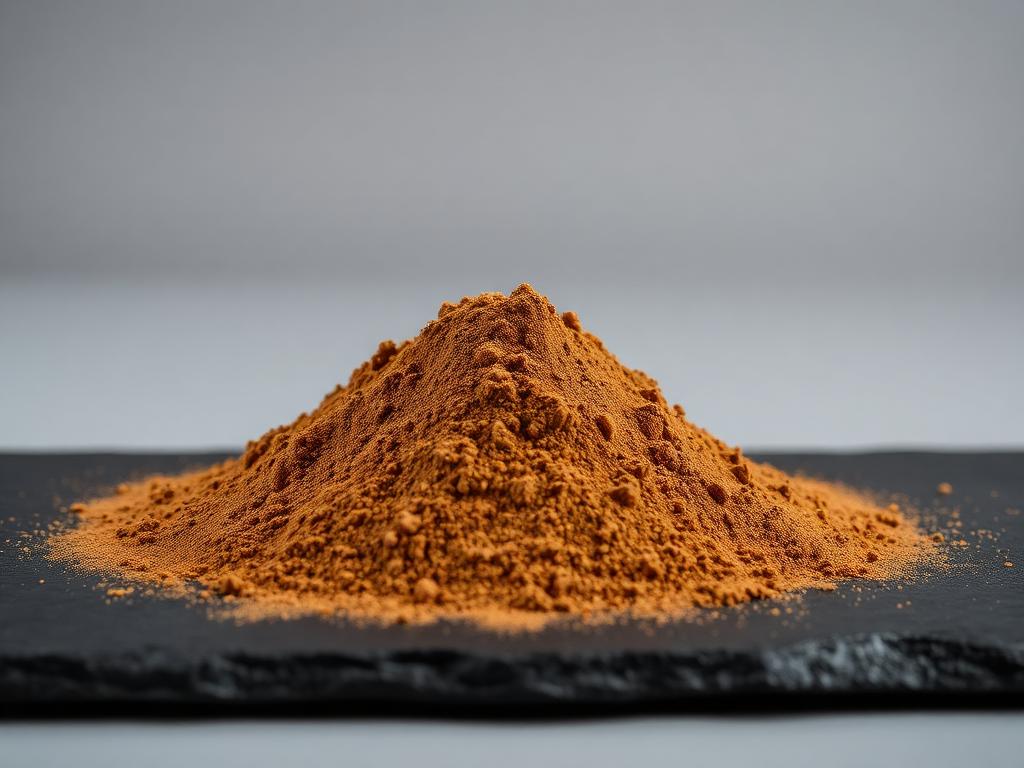
Handling notice. This product requires review of the supplier technical data sheet and safety data sheet before purchase and use. Request both documents for the exact grade under consideration.
- • Certificate of Analysis is provided against the confirmed shipment, grade and batch.
- • Manufacturer TDS and SDS are subject to grade and supplier confirmation and are available on request.
- • Grades, packaging and origin above are indicative sourcing options and are confirmed at quotation.
Available grades from container-direct sourcing
Typical applications
- Cold cast bronze sculpture and limited editions
- Prop, display and architectural feature finishes
- Bronze-effect decorative coatings
- Restoration and reproduction work
- Resin castings finished by polishing or patination
Why Canadian buyers choose us
- Enquiries handled against your part, mould and process — not a fixed stock list
- Grade, working properties and mix data confirmed in writing before order confirmation
- Supplier technical data sheet and safety data sheet provided for the grade actually offered
- LTL and FTL freight to studios, precast plants, fabricators and distributors across Ontario, Quebec and Western Canada
- Quantities reviewed per enquiry, from trial kits through to pallet and container programmes
Typical industries served
Material identity
Bronze Powder — identifiers and the names buyers use
- Material type
- Atomised or milled copper-alloy metal powder
Also searched as
Industry terminology
Identifiers are published for material identification. The exact specification of any offered grade is confirmed against supplier documentation at quotation.
Buyer intent coverage
Bronze Powder — what it is, where it is used, how it is chosen
Bronze powder is what makes a cold-cast bronze: metal powder is loaded into the face coat of a resin casting, then polished and patinated so the finished piece reads as solid metal at a fraction of the weight and cost. Canadian sculpture studios, architectural ornament producers and award and trophy makers use it. Because it is a real metal powder, dust control and reactivity in storage are handled seriously.
Primary uses
- Cold-cast metal surfaces
- Metallic pigmentation
- Weight and appearance modification
Applications
- Cold-cast bronze sculpture and giftware
- Metallic-effect resin castings
- Decorative coatings and finishes
- Art foundry and studio work
Advantages
- Produces genuine metal surfaces on resin castings at a fraction of the weight of cast metal
- Can be polished and patinated using traditional metal-finishing techniques
- Makes bronze-appearance work economically possible for studios without a foundry
Limitations to consider
- Only the loaded face coat is metal; the piece is a resin casting and behaves like one structurally
- Metal powders require dust control and careful storage, and fine metal powders can be reactive
- Metal content, particle size and finishing behaviour are declared by the supplier for the exact powder
- Decorative and architectural work is judged by eye. Colour, gloss, texture and translucency shift with batch, substrate, dosage and finishing method, so approve a physical sample panel made by your own process before a production run and keep it as the reference for later deliveries.
- Mix ratio, pot life, working time, demould time, full-cure schedule, hardness, tear strength, elongation, shrinkage, viscosity and temperature resistance are properties of one specific supplier system. They are never quoted here from memory or by analogy with a similar product; they are read from the supplier data sheet for the exact material offered and confirmed at quotation.
How to choose the right grade
- Start from the matrix — cementitious, resin or coating — because alkali stability and dispersion behaviour are decided by it
- Agree the colour standard and how it will be verified between deliveries, since colour is the whole point of the purchase
- State the exposure the finished surface will see, including UV, weather and de-icing salt in Canadian service
- Confirm the resin system used for the face coat, since compatibility and loading differ between chemistries
- Trial the polish and patina process on a sample before committing a commissioned piece
- Mould-making and casting behaviour depends on the pattern, the shop temperature and humidity, the mixing method and the operator. A production-representative trial on your own pattern and in your own shop conditions is the only honest way to qualify a material before a run is committed.
- Exact specification is confirmed against supplier documentation at quotation.
Typical grades
- Particle sizes and alloy appearances as the supplier classifies them
- Products intended for cold-cast face coat work as designated by the supplier
- Buyers search this category by grade name, and those names describe what the workshop needs rather than what is asserted here. Which grade a specific offer corresponds to, and what the supplier declares for it, is read from the technical documentation issued for the exact material quoted.
- Materials in this category interact: rubbers, releases, sealers, resins, pigments and fillers can inhibit cure, stain a surface or shorten mould life when they are combined outside the combinations the supplier has tested. State every material already in the process at enquiry so compatibility is checked against supplier documentation rather than discovered on the shop floor.
- Reactive materials age in the container, and moisture-sensitive systems age faster once opened. Order against real consumption rather than against a discount, and confirm the shelf life the supplier states for the exact product and pack.
Comparable materials — how Bronze Powder sits against alternatives
- Mica effect pigments where a true metal surface is not required
- Copper or aluminium powder for a different metal appearance
- Shops looking for an alternative, replacement or second-source supplier should state the incumbent product, the supplier system currently approved and the property being matched. Equivalence on family name alone is not equivalence in production: cure profile, surface behaviour, colour and release characteristics all shift between sources, so a side-by-side trial is planned before a changeover.
Comparable-material reference. Grade selection is confirmed at RFQ against your process.
Procurement coverage
How to specify, order and receive Bronze Powder
Written for procurement, quality and technical buyers in Canada and the United States. No numeric price, MOQ, stock or lead-time value is published — those are confirmed per shipment in the quotation and against the confirmed batch.
How buyers specify at RFQ
- The exact product identity and supplier system the shop needs, including the component set for a multi-part system
- The process it will be used in, and the equipment used to mix, pour, spray or apply it
- The pattern, mould or substrate it will contact, and every other material already in that process
- The properties the supplier must declare on the data sheet for your application
- The documentation set required before the material can enter production
- Exact specification is confirmed against supplier documentation at quotation.
Packaging options (industry-standard)
- Bag formats are the usual option for powders and dry blends
- Bulk bag (FIBC) formats are used by producers running continuous volume
- Smaller pails or boxes are used where the material is dosed in small quantities
- Packaging options and available pack sizes are confirmed with each quotation.
Storage & handling
- Store sealed, dry and off the floor; humidity swings change the behaviour of powders and dry blends
- Segregate from incompatible chemistry and protect from contamination by other powders in the shop
- Control dust at transfer points in line with the safety data sheet for the product
- Rotate stock by receipt date and record the lot used against each production batch
- Canadian winter transport and storage matter here: several materials in this category thicken, crystallise, freeze or lose performance at low temperature, and recovery behaviour after freezing is product-specific. Confirm cold-weather handling and shop conditioning guidance against the supplier documentation before a winter delivery.
- This category includes reactive chemistry, respirable mineral dust, peroxides and solvent-borne products. Ventilation, personal protection, segregated storage and disposal requirements come from the safety data sheet for the exact product and from the requirements of the provincial regulator for your site.
Documentation available
- Technical data sheet (TDS) for the exact product offered, stating working properties as the supplier declares them
- Safety data sheet (SDS) in the format required for Canadian import, in English and French where the receiving site requires it
- Certificate of analysis (COA) or batch documentation where the supplier issues it for the confirmed lot
- Handling, mixing and storage instructions issued by the supplier for the exact system
- Test reports or conformity statements where the project specification requires them and the supplier issues them
- Documentation is confirmed per batch at quotation; availability depends on the grade and supplier offered.
- Ask for the documentation pack against the exact product at the enquiry stage rather than after the order. Documentation availability differs by supplier and by manufacturing site, and in this category the data sheet is the only place where the working properties of a system are legitimately stated.
RFQ checklist for bronze-powder-canada
Include these fields to receive an accurate Canada-landed quotation
- The exact product or supplier system required, and the incumbent it is replacing where there is one
- The process, equipment and shop conditions the material will be used in
- Volume per order and expected annual usage, so the offer is built on real consumption
- Pack format your shop or plant can physically receive and handle
- Documentation required before the material can be used in production
- Delivery province or receiving location in Canada
- The matrix the pigment or effect material goes into and how it is dispersed
- The colour standard or approved sample panel the delivery must match
- The exposure and finishing process the coloured surface will go through
- Landed cost in Canada is driven by pack format, delivery province and receiving arrangements as much as by unit price, and dense mineral products and dilute liquids both carry weight that is not function. Quotations are compared delivered to your shop or plant rather than ex-works.
Technical & procurement detail
Cold casting is a weight and cost decision+
A cold cast bronze piece can be finished, patinated and polished to look like foundry metal while remaining light enough for one person to install and cheap enough to produce in a studio. That is why galleries, film work and architectural features rely on it.
The powder must be at the surface+
Metal powder loaded through the whole casting is wasted, because only the outer skin is ever seen. Standard practice is a heavily loaded face coat brushed into the mould, backed with unfilled or filled resin, then polished or patinated after demould.
Dust, reactivity and handling+
Fine metal powders present dust and reactivity hazards that differ by metal, and some corrode or patinate on contact with moisture or process chemicals. Handling, storage and finishing chemistry are planned against the supplier's safety data sheet for the exact powder supplied.
Specification options+
Working properties are configurable options within this canonical product, not separate products. Depending on the family, that can include grade, viscosity, mix ratio, pot life and demould time, hardness, colour, particle size or fibre length, and pack format. No configuration is presented as stocked or approved until it is confirmed against the supplier's technical data for the exact material offered. Supplier grade names, factory codes and manufacturer brands are not published here.
What to include in your enquiry+
Tell us the bronze finish targeted, resin or coating system, particle size preference, whether patination is planned, volume and delivery location.
Frequently asked questions
Can the finish be patinated like real bronze?+
Real bronze at the surface can be patinated and polished like metal, which is the reason for using powder rather than a bronze-coloured pigment.
Which resin system suits cold casting?+
Polyurethane, epoxy and polyester systems are all used. The choice depends on demould speed, detail and the finishing method, and is decided per product.
Are technical documents provided before ordering?+
Yes. The supplier technical data sheet and safety data sheet for the exact grade offered are provided with the quotation, and the working properties in those documents govern — not any general description on this page.
What quantities are quoted?+
Quantities are reviewed per enquiry, from trial quantities through to pallet and full container programmes for production users and distributors.
Technical knowledge for Bronze Powder Supplier — Cold Cast Bronze | Canada
Engineering and purchasing guidance written for this material — understand it, apply it, compare options, specify a grade, and fix production problems.
Comparison Articles
Related products
Materials commonly quoted alongside Bronze Powder by the same plants.
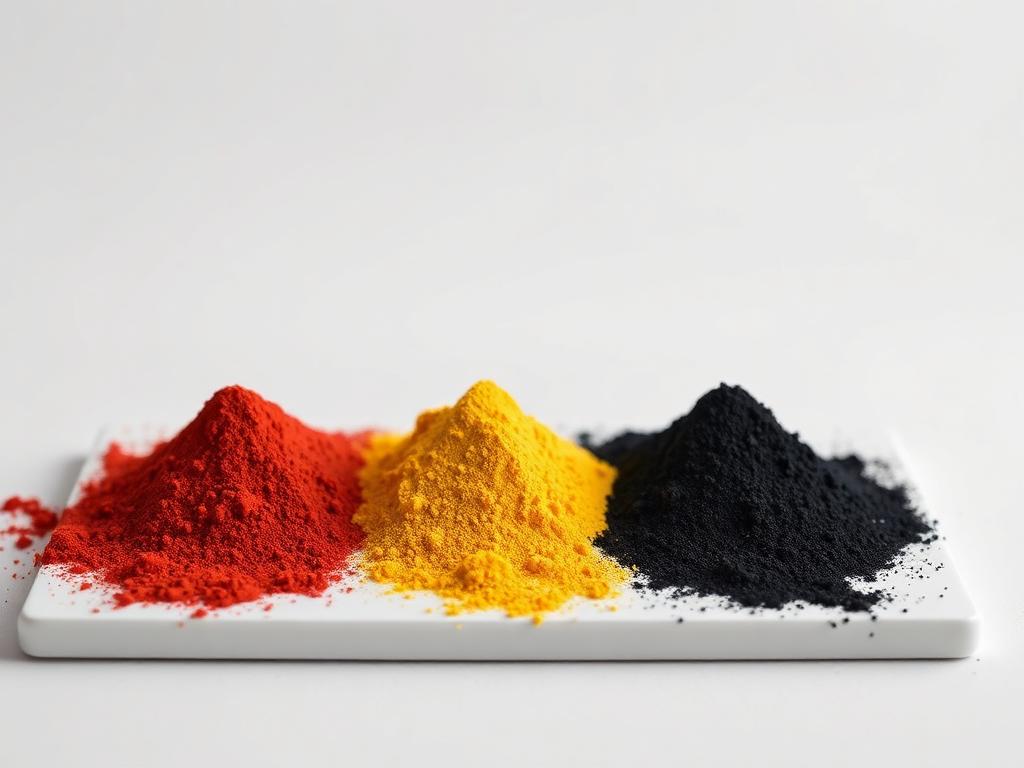
Iron Oxide Pigment
Pigment — cast stone, architectural precast and manufactured stone veneer
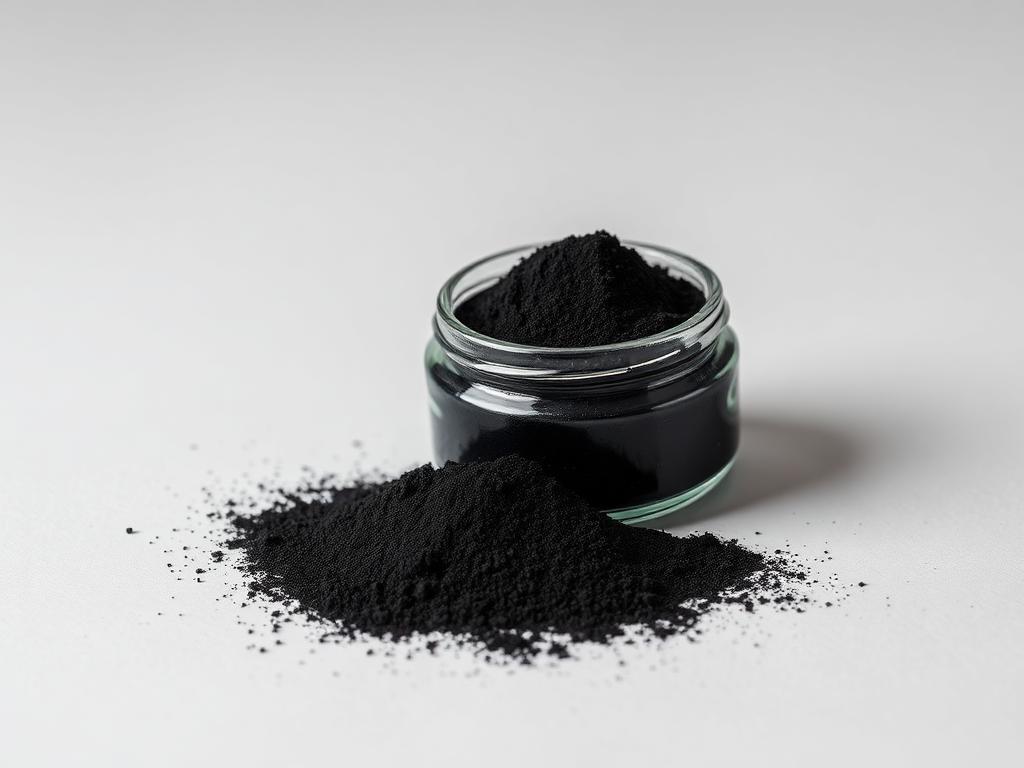
Carbon Black Pigment
Pigment — coatings, sealers, stains and cast polymer colouration
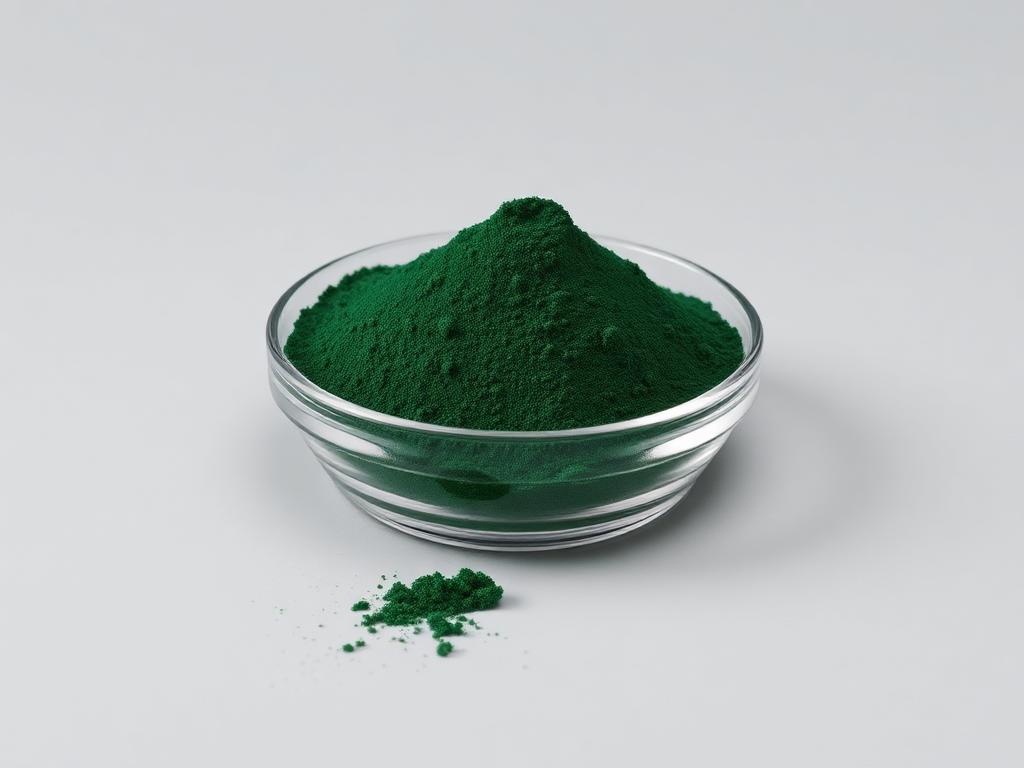
Chromium Oxide Green Pigment
Green architectural concrete and cast stone
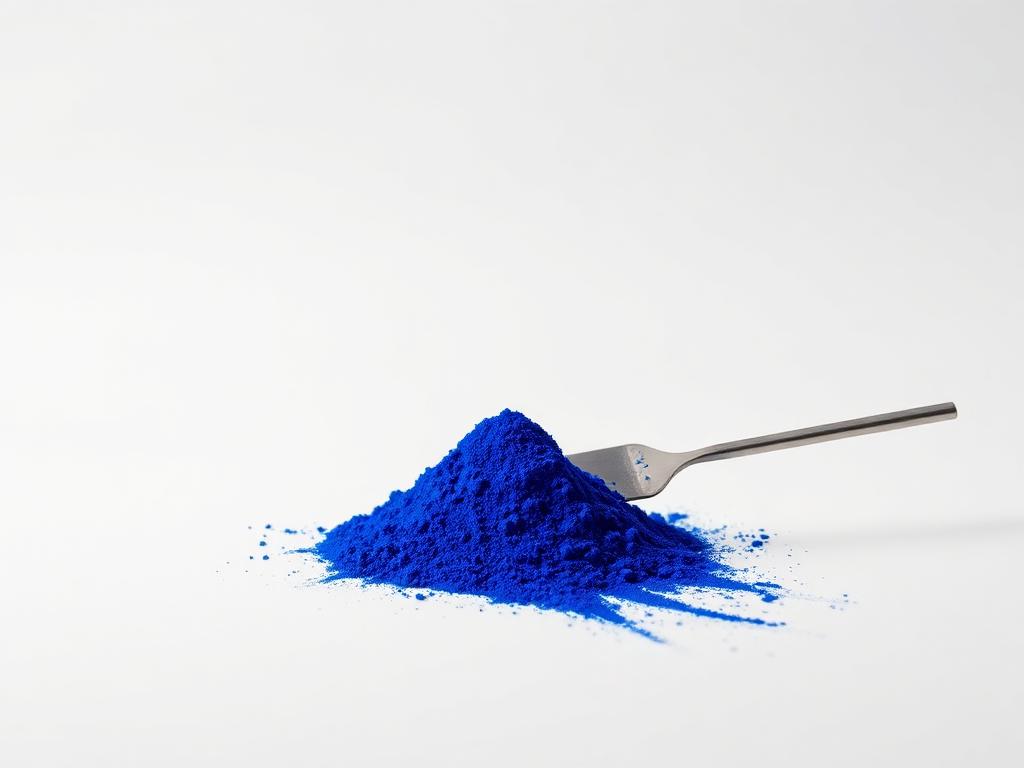
Ultramarine Blue Pigment
Pigment — coatings, primers and decorative paint
Need a quote on Bronze Powder?
Request pricing, TDS/SDS and available documentation. We usually acknowledge enquiries within one business day; samples are subject to supplier availability and product classification.