Premium-Grade Stearic Acid
Elite saturated fatty-acid external lubricant and mold-release accelerator for tire compounding, rigid uPVC and metallic stearates.
Logistical Specifications & Compliance
Zero Customs-Risk · Plastic-Pallet Mandate
- Logistics Status: 24-to-48 Hour Local GTA Warehouse Dispatch.
- Packaging Standard: Shipped 100% exclusively on sterile, defect-free, injection-molded PLASTIC PALLETS.
- Compliance Highlight: 100% quarantine-exempt from CBSA/CFIA regulations — eliminating customs hold, wood-pest infestation, and particle-contamination risks of standard wooden pallets used by competitors.
Technical Data Sheet
TDS · AllZone-STA800
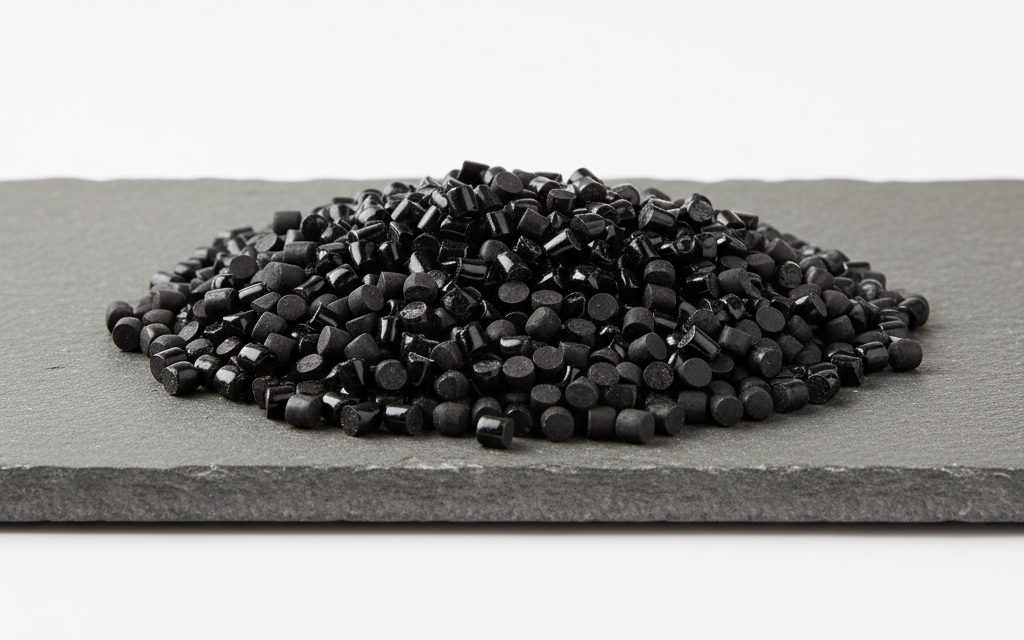
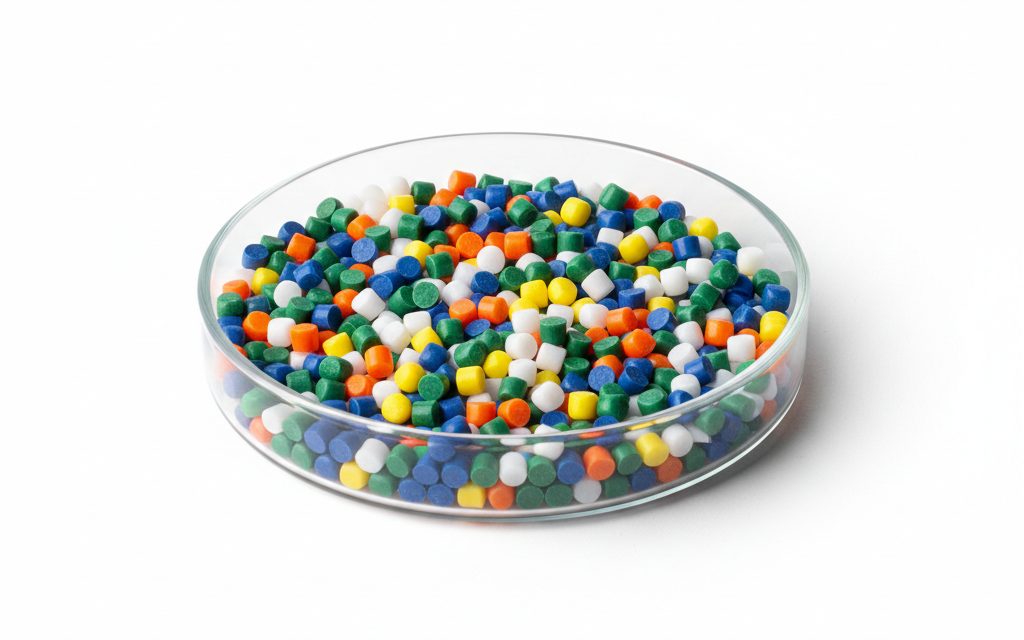
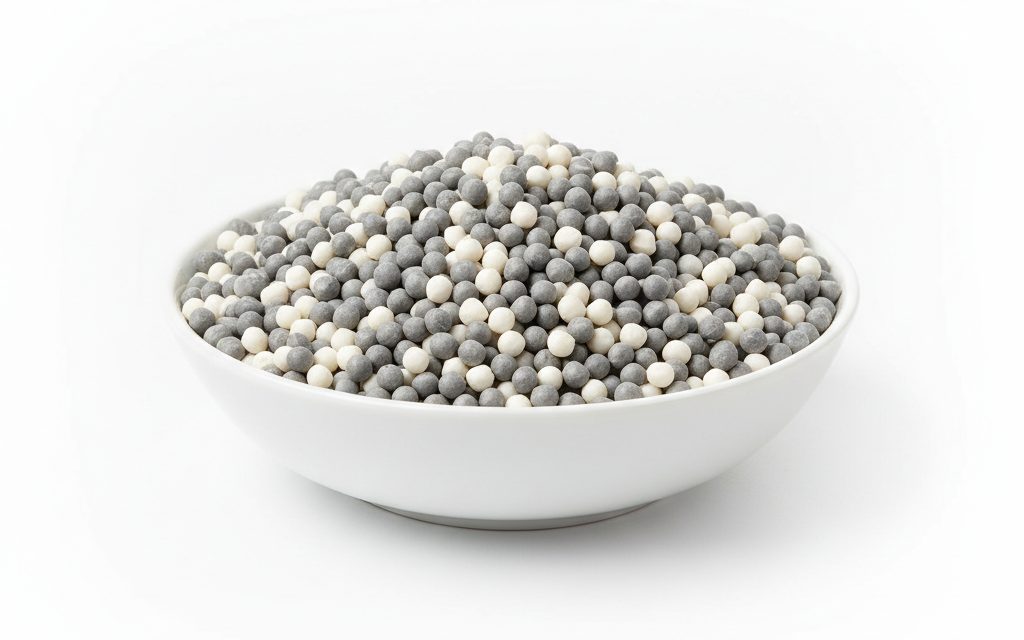
Product form
Flakes / beads / powder
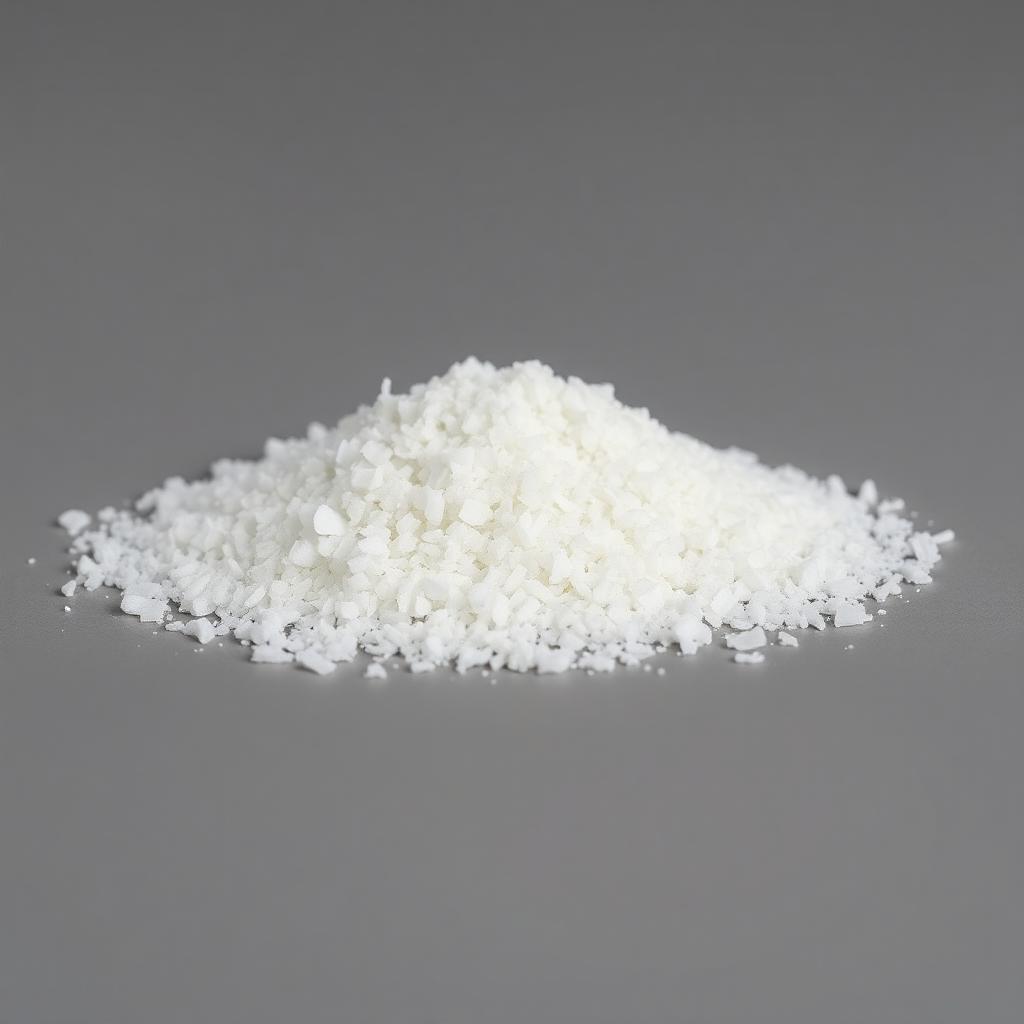
Appearance
White to slight yellow waxy flakes
Carrier / matrix
Stearic acid — C18H36O2 (rubber / cosmetic / triple-pressed grade)
Key Physical & Chemical Properties
| Acid value | 200 – 210 mg KOH/g |
|---|---|
| Saponification value | 200 – 215 mg KOH/g |
| Iodine value | ≤ 2.0 g I2/100g |
| Titer (solidification point) | 55 – 58 °C |
| Moisture | ≤ 0.20 % |
| Color (Lovibond, 5¼) | ≤ 1.0 R |
Recommended dosage
0.5 – 2.0 phr (lubricant); higher in rubber compounding.
Processing temperature
Melt 55 – 70 °C
Packaging
25 kg multi-wall poly-woven bag with PE inner liner, 1000 kg FIBC, or 25 MT FCL bulk.
Shelf life
24 months from production date in unopened original packaging.
Storage
Store dry below 35 °C, away from direct sunlight, ignition sources and incompatible chemicals.
Target Applications
- Tire and rubber compounding accelerator activator
- External lubricant for rigid uPVC
- Metallic stearate (Ca / Zn / Mg) precursor
- Cosmetic and pharmaceutical lubricant
Key Features
- Triple-pressed for low odor and color
- Vegetable-derived, RSPO-traceable options available
- Excellent mold-release performance
- Multiple physical formats (flake, bead, powder)
Safety Data Sheet · GHS / OSHA HazCom / WHMIS 2015
SDS · AllZone-STA800
Signal word
Warning
Combustible Dust (NFPA). Not GHS-classified for acute toxicity.
§ 1Identification▾
- Product code
- AllZone-STA800
- Product name
- Premium-Grade Stearic Acid
- Product use
- Industrial raw material — Automotive Moldings, Building & Construction.
- Restrictions
- Industrial use only. Not for direct consumer sale unless explicitly labelled food/feed grade.
- Supplier
- All Zone Chem Distribution Inc.
- Address
- Ontario, Canada
- Technical contact
- technical@allzonechem.example · +1 (000) 000-0000
- Emergency
- CHEMTREC +1 800 424 9300 / CANUTEC +1 613 996 6666
§ 2Hazards Identification▾
- GHS classification
- Combustible Dust (NFPA). Not GHS-classified for acute toxicity.
- Signal word
- Warning
- Pictograms
- None required.
- Hazard statements
- May form combustible dust concentrations in air.
- Precautionary statements
- P210 Keep away from open flames, hot surfaces and ignition sources. P261 Avoid breathing dust.
§ 3Composition / Information on Ingredients▾
- Mixture
- Engineered high-margin functional additives based premium-grade stearic acid.
- Carrier
- High-Margin Functional Additives compatible polymer.
- Stearic acid (CAS 57-11-4)
- ≥ 98 %
§ 4First Aid Measures▾
- Inhalation
- Move to fresh air. Get medical advice if discomfort persists.
- Skin contact
- Wash with soap and water. Get medical advice if irritation persists.
- Eye contact
- Rinse cautiously with water for several minutes. Remove contact lenses if present and easy to do.
- Ingestion
- Rinse mouth. Do not induce vomiting. Seek medical advice if discomfort persists.
- Hot melt burns
- For pellet-form products processed at melt temperature: cool affected area with cold water. Do NOT peel solidified polymer from skin — seek medical attention.
§ 5Fire-Fighting Measures▾
- Suitable extinguishing media
- Water spray, dry chemical, CO2, foam.
- Unsuitable media
- None known.
- Special hazards
- Combustible solid. Dust clouds may form explosive atmosphere.
- PPE for firefighters
- Self-contained breathing apparatus (SCBA) and full protective gear.
§ 6Accidental Release Measures▾
- Personal precautions
- Wear PPE per Section 8. Avoid generating dust. Ventilate area.
- Environmental precautions
- Prevent entry into drains, waterways or soil. Notify authorities if significant release.
- Cleanup
- Sweep or vacuum spilled material into labelled container for recycling or disposal.
§ 7Handling & Storage▾
- Handling
- Handle in well-ventilated areas. Avoid generating dust. Use appropriate PPE.
- Storage
- Store dry below 35 °C, away from direct sunlight and ignition sources.
- Incompatible materials
- Strong oxidizers.
§ 8Exposure Controls / Personal Protection▾
- Engineering controls
- Local exhaust ventilation at material transfer and melt-processing points. Maintain dust below regional OEL.
- Respiratory protection
- Dust mask if fines / dust generated.
- Hand protection
- Heat-resistant gloves when handling molten polymer; cotton gloves for cold pellets.
- Eye protection
- Safety glasses with side shields; chemical splash goggles when handling powders or molten material.
- Body protection
- Long-sleeve work clothing. Full chemical apron for corrosive products.
- Exposure limits
- Follow nuisance-dust limits (10 mg/m³ total, 5 mg/m³ respirable).
§ 9Physical & Chemical Properties▾
- Physical state
- Solid pellets / powder
- Color
- White / off-white / pre-colored
- Odor
- Odorless to faint polymer odor
- pH (1 % solution)
- Not applicable (insoluble)
- Melting / decomposition
- Polymer melt 110 – 250 °C (matrix dependent)
- Flash point
- Not applicable (solid article)
- Solubility (water)
- Insoluble
- Density
- 0.9 – 2.2 g/cm³ depending on grade
§ 10Stability & Reactivity▾
- Stability
- Stable under normal storage and handling conditions.
- Conditions to avoid
- Excessive heat, ignition sources, prolonged UV exposure.
- Hazardous decomposition products
- CO, CO2, polymer fragment volatiles. Azodicarbonamide additionally releases NH3, N2.
§ 11Toxicological Information▾
- Acute oral toxicity (LD50, rat)
- > 5000 mg/kg (practically non-toxic)
- Skin irritation
- Not classified for solid article in supplied form.
- Eye irritation
- Mechanical irritation possible from dust.
- Respiratory sensitization
- Not classified.
- Carcinogenicity
- Not classified.
- Mutagenicity / reproductive tox.
- No known effects based on current data.
§ 12Ecological Information▾
- Aquatic toxicity
- Not classified — substance is essentially inert in water.
- Persistence
- Inorganic salt — fully soluble, mineralizes.
- Bioaccumulation
- No bioaccumulation potential expected.
§ 13Disposal Considerations▾
- Product disposal
- Dispose in accordance with local, provincial, state and federal regulations. Recycle polymer fractions through certified plastic recyclers where possible.
- Packaging disposal
- Recycle empty bags / liners after thorough emptying.
- Waste codes
- Non-hazardous solid waste (EWC 07 02 13 typical).
§ 14Transport Information▾
- Status
- Not regulated for transport under DOT / IATA / IMDG / ADR / TDG.
§ 15Regulatory Information▾
- REACH (EC 1907/2006)
- All components registered or exempt. No SVHC listed above 0.1 % w/w.
- RoHS (EU 2011/65)
- Heavy metals < 1000 ppm (Pb, Hg, Cr⁶⁺) and < 100 ppm (Cd).
- Food contact
- Not intended for food-contact applications.
- WHMIS 2015 (Canada)
- Classified — Signal word: Warning.
- TSCA / DSL
- All substances listed on US TSCA and Canadian DSL inventories.
§ 16Other Information▾
- Revision
- Rev. 2026-06-15 (representative industry-standard datasheet).
- Disclaimer
- Information provided in good faith based on current knowledge. No warranty expressed or implied. User is responsible for verifying suitability for end use and compliance with local regulations.
- Document
- SDS for AllZone-STA800
This SDS is provided as representative industry-standard guidance. For project-specific binding documentation, please request the formal current revision via the technical contact above.
Need a sample or formal documentation?
Our technical desk responds within 48 hours with TDS, SDS and lab-trial samples.