
Lentils
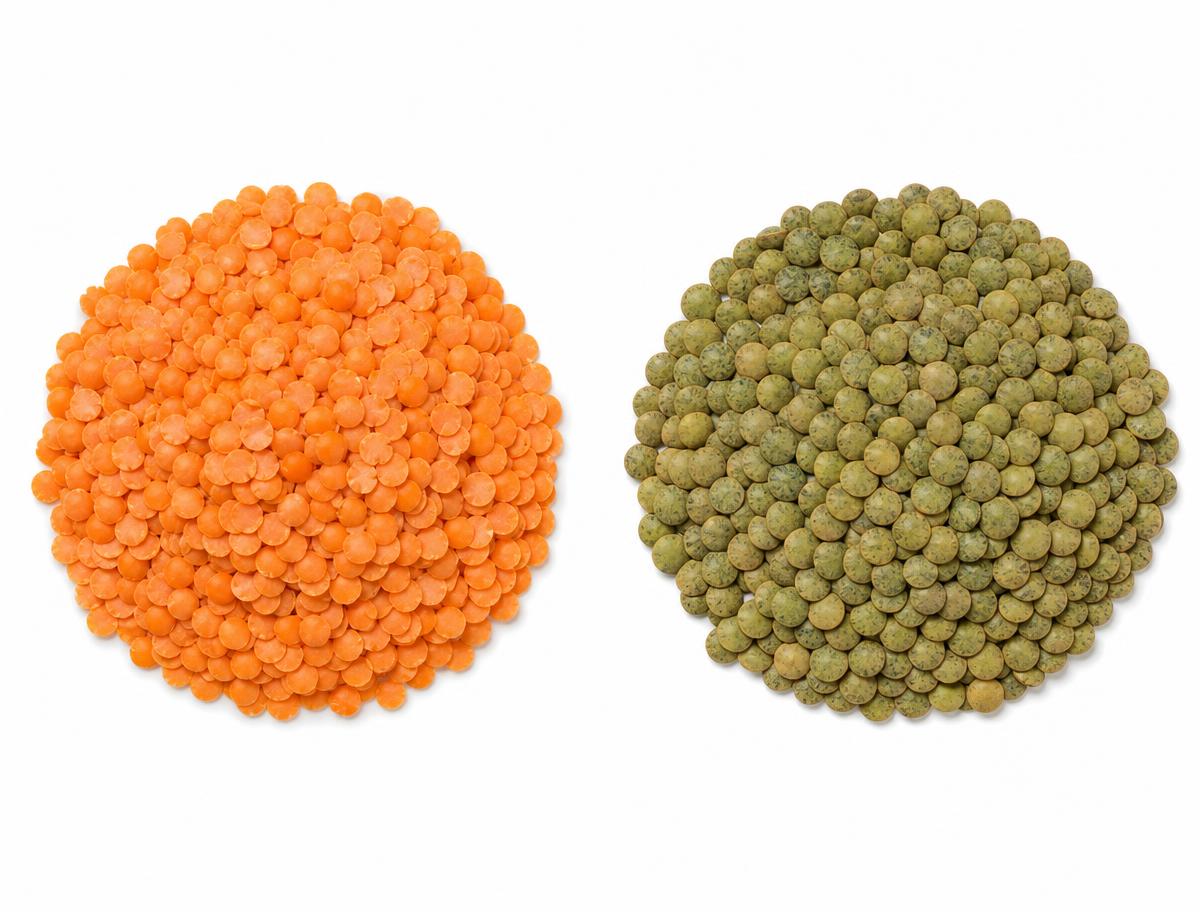
Red and green lentils, whole or split, in the size classes world markets buy.
Indicative HS heading: 0713.40
Prices are quoted per enquiry. Availability, origin and certification are confirmed per shipment.
Product overview
Lentils trade as two commercially distinct streams. Red lentils are grown for dehulling and splitting: the buyer is paying for a clean split with minimal broken and powder, because the product is going into dal, soups and ready meals where cooking time and colour matter more than seed size. Green lentils are usually sold whole with the seed coat intact, and here size class drives the price — the large-seeded types command a premium in markets that use them as a plate presence rather than a purée.
The three quality questions that decide acceptance are the same everywhere: foreign material and defect tolerance, moisture at loading, and colour uniformity. Moisture is the one that ruins shipments — pulses loaded near the upper limit will sweat in a container crossing the tropics and arrive with mould or caking, which is why a stated maximum moisture and a container lining specification belong in the enquiry, not in the claim afterwards.
Because the same field crop can be presented as whole, split or dehulled product, tell us the finished form you need. Splitting yield and process losses are what separate two quotations that look identical on the surface.
Canadian supply context
Canada is one of the world's leading lentil exporting origins, with production concentrated in Saskatchewan and Alberta. The crop is harvested from late summer and moves through cleaning, colour-sorting and bagging plants across the prairies before rail movement to port.
Practical consequence for buyers: availability and price are seasonal and are strongly influenced by harvest quality in a given year. Early-season enquiries are quoted against a new crop position; later in the year the conversation moves to carry-over stock, which can differ in colour even when it meets the same grade.
Types, grades and variants
All variants of Lentils are supplied from this single product record — there is no separate page or separate specification to chase.
Red lentils — whole
Seed coat on, destined for dehulling or direct cooking.
Red lentils — split (football)
Dehulled and split; sold on split integrity and low powder.
Green lentils — large
Large-seeded class used where whole-seed appearance matters.
Green lentils — small / medium
Standard sizes for canning, soups and blended packs.
Specialty types
French green and beluga-type lentils are available on request against confirmed demand.
Key specifications
Indicative ranges for the commodity. Lot values are confirmed on the certificate of analysis for each shipment.
- Purity
- Typically 99–99.9 % depending on class and buyer standard
- Moisture
- Normally specified at 13–14 % maximum at loading
- Defects
- Agreed per contract — broken, split, discoloured and foreign material each have a stated ceiling
- Sizing
- Stated by class and screen size for green lentils; split integrity for red
- Treatment
- Cleaned, gravity separated and colour sorted; polished on request
Applications
- Dal, soups and canned pulse products
- Dry packaged retail and food service packs
- Ready meals and frozen prepared foods
- Pulse milling into flour and protein fractions
- Institutional and food-aid tenders
Packaging & supply options
- 25 kg and 50 kg polypropylene woven bags
- 1,000 kg / 1,250 kg bulk bags (jumbo / tote)
- Bulk in lined shipping containers
- Retail-size bagging available on confirmed volume
Export & commercial notes
- Container-load or vessel-parcel shipments, quoted on FOB, CFR or CIF terms.
- Container lining and desiccant are specified in the contract, not assumed — state the destination and transit time so the right protection is priced in.
- Phytosanitary requirements differ by destination; confirm your import permit conditions before contracting.
Documentation
Commonly relevant documents. Availability is confirmed per order and destination.
- Certificate of Analysis
- Phytosanitary Certificate
- Certificate of Origin
- Weight and quality certificate by an independent surveyor (on request)
- Fumigation certificate where the destination requires it
Related industries
Related export products
Dry Peas
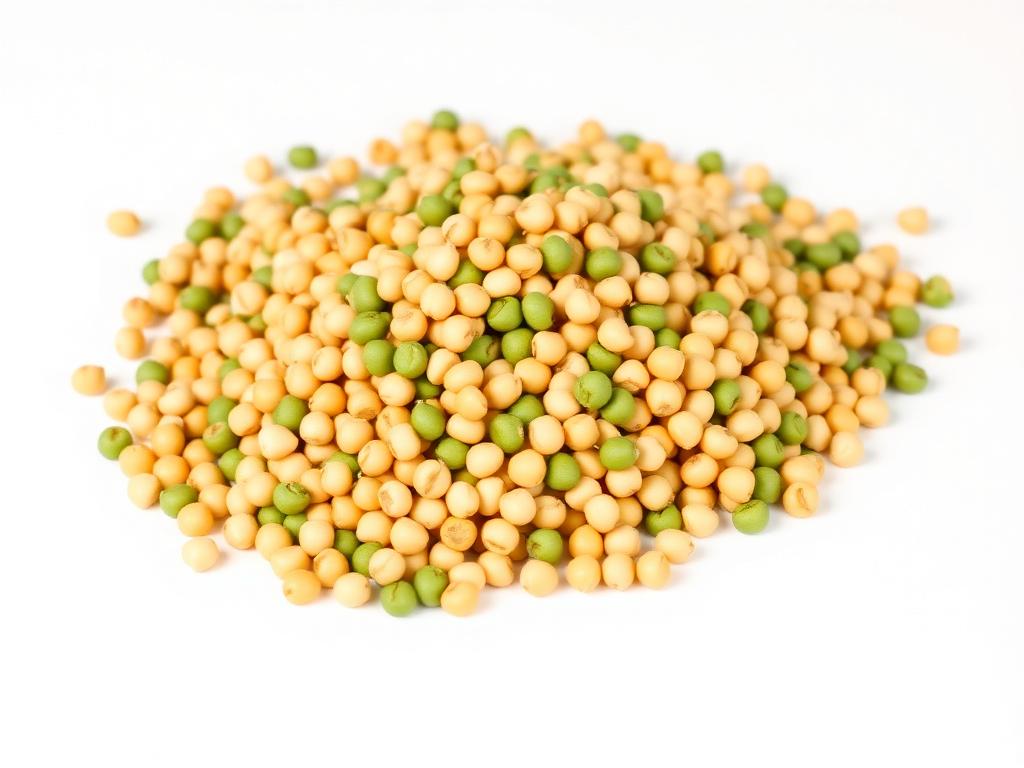
Yellow and green field peas — whole or split, for food, feed and fractionation.
View product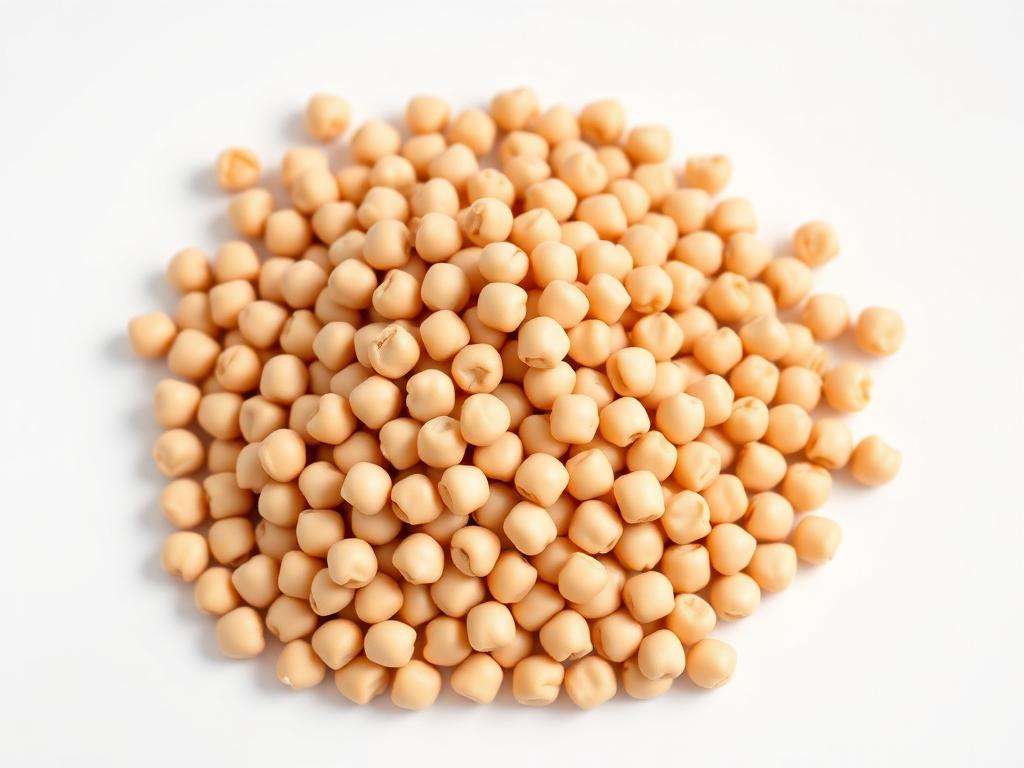
Chickpeas
Kabuli and desi chickpeas graded by calibre — the number that sets the price.
View product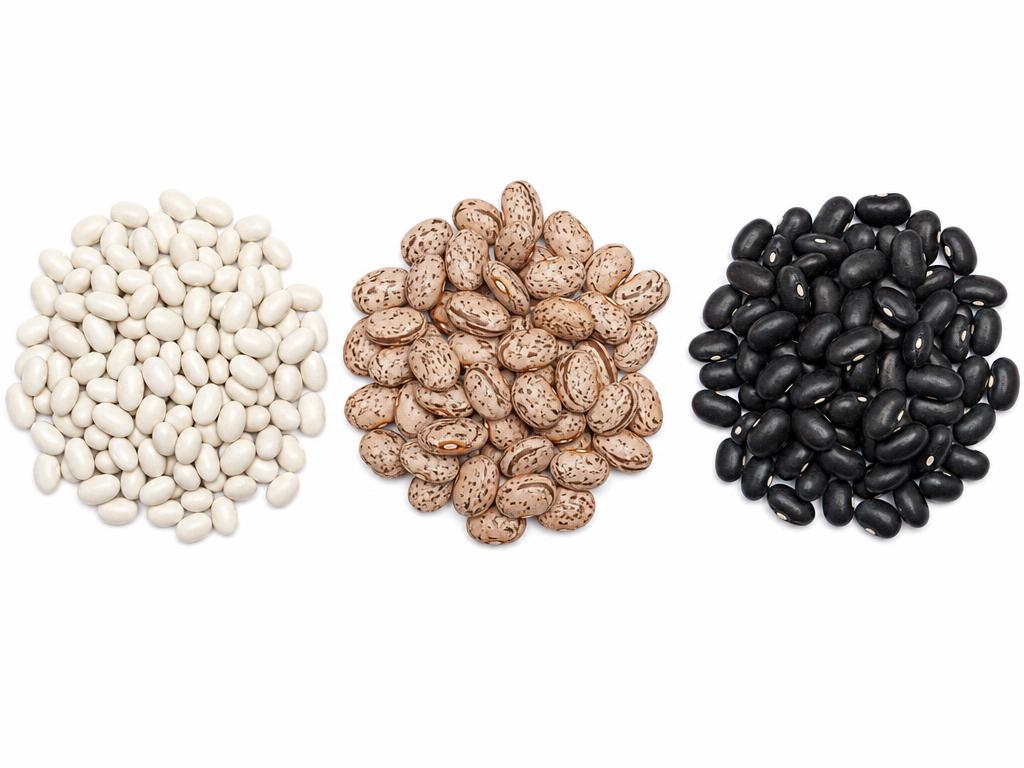
Dry Beans
Navy, pinto, black, kidney and great northern beans for canning and dry pack.
View product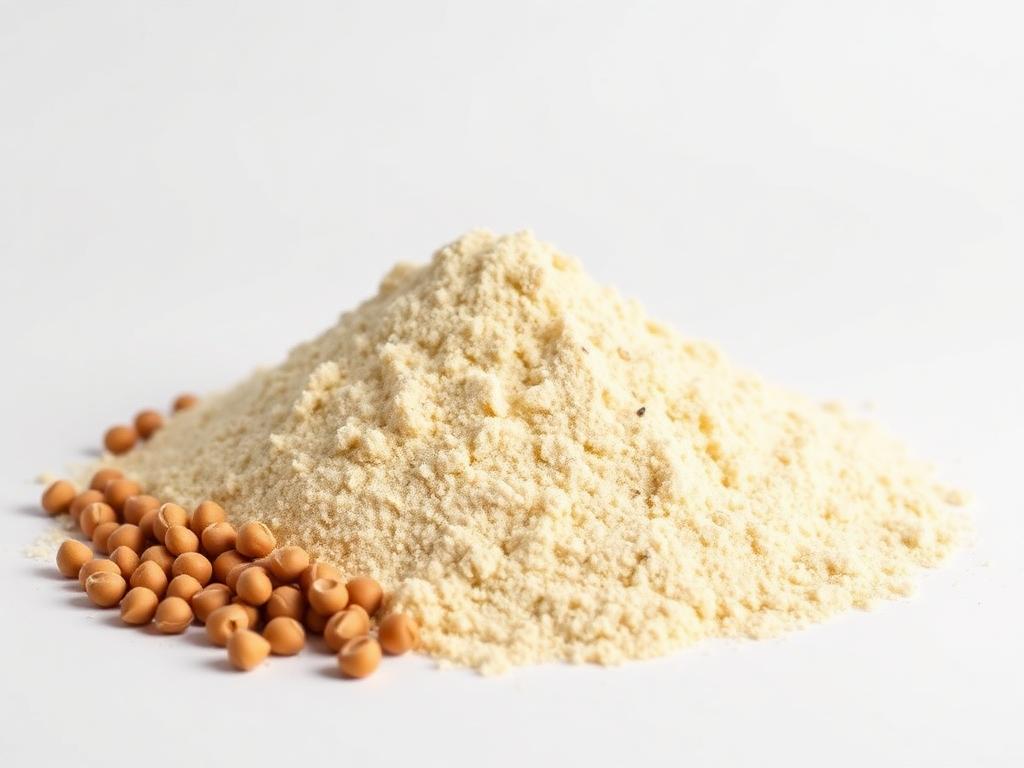
Pulse Flour
Pea, lentil, chickpea and faba flours milled to a defined particle specification.
View productReady to price Lentils?
Send the specification you already have — even a single line is enough to start. Attach a previous datasheet, tender document or purchase specification if you have one.