
Dry Beans
Navy, pinto, black, kidney and great northern beans for canning and dry pack.
Indicative HS heading: 0713.33
Prices are quoted per enquiry. Availability, origin and certification are confirmed per shipment.
Product overview
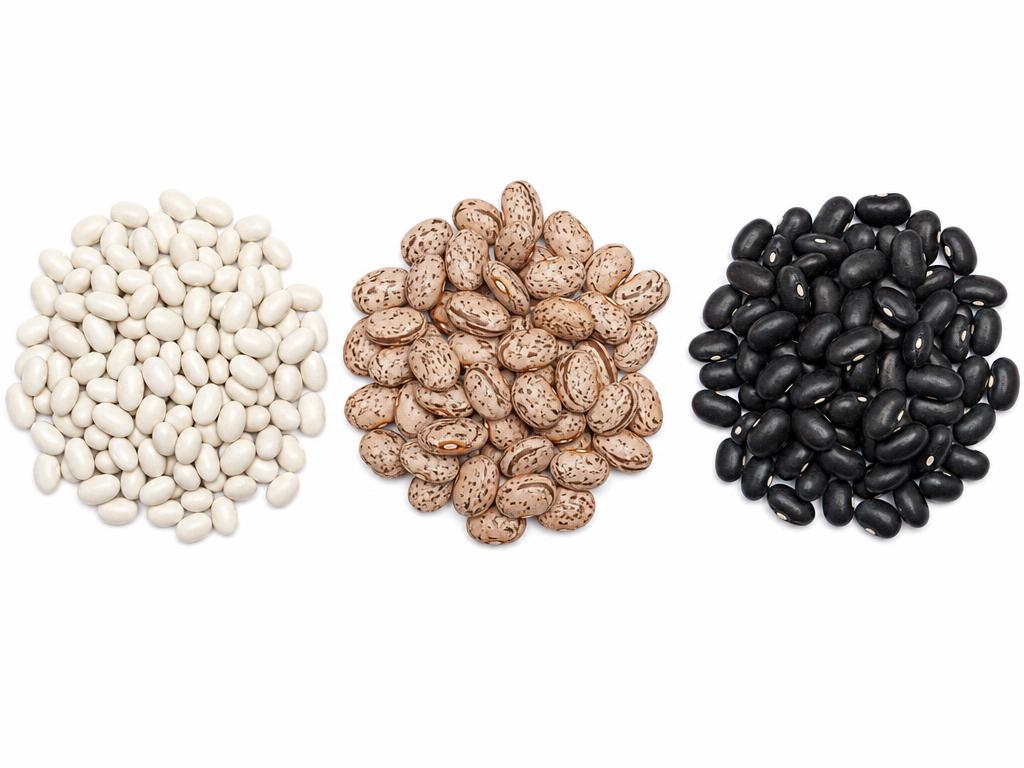
Dry edible beans are traded by class, and each class has its own buyer. Navy beans go overwhelmingly into baked beans, where hydration behaviour and skin integrity after retort decide whether the can looks right. Pinto and black beans go into Latin American style prepared foods and dry retail. Kidney beans are appearance-critical: colour depth and freedom from bleaching are the whole argument.
Whatever the class, the canner's real specification is cooking performance. Beans that have been stored too long or too warm develop hard-to-cook defect — they meet every visual grade and still refuse to hydrate properly. That is why crop year and storage history are worth asking about, and why we quote against a defined crop position rather than an anonymous warehouse lot.
For dry retail, screen size and colour uniformity carry more weight than cooking curve, because the consumer judges the pack before the pot.
Canadian supply context
Canadian dry bean production is centred in Ontario, Manitoba and Alberta, with Ontario historically strong in white pea (navy) beans supplying the canning trade. Cleaning, sizing and packing capacity sits close to the growing areas.
Because the classes are grown in different regions, availability is class-specific — a strong navy bean year does not automatically mean kidney beans are freely available. Enquiries that name the class and volume get a straight answer faster.
Types, grades and variants
All variants of Dry Beans are supplied from this single product record — there is no separate page or separate specification to chase.
Navy / white pea beans
The canning standard for baked beans.
Pinto beans
Prepared foods, refried products and dry retail.
Black beans
Colour retention after cooking is the key quality point.
Dark and light red kidney beans
Appearance-critical; graded on colour and defects.
Great northern beans
Larger white bean for soups and prepared dishes.
Key specifications
Indicative ranges for the commodity. Lot values are confirmed on the certificate of analysis for each shipment.
- Purity
- Typically 99 %+ machine cleaned, food grade
- Moisture
- Normally 14–16 % maximum depending on class and destination
- Defects
- Splits, cracked seed coat, discoloured and foreign material per contract
- Sizing
- Screen size stated by class where the buyer requires it
- Processing
- Cleaned, gravity separated, colour sorted; polished on request
Applications
- Canned bean production and retort packs
- Dry retail packaging
- Prepared and frozen meal manufacture
- Food service bulk supply
- Institutional and tender supply
Packaging & supply options
- 25 kg and 50 kg woven polypropylene bags
- 1,000 kg bulk bags
- Bulk in lined containers
Export & commercial notes
- State the class and the intended process — canning and dry retail have genuinely different acceptance criteria.
- Beans are moisture-sensitive in transit; container lining and ventilation are specified per route.
- Quoted FOB, CFR or CIF.
Documentation
Commonly relevant documents. Availability is confirmed per order and destination.
- Certificate of Analysis
- Phytosanitary Certificate
- Certificate of Origin
- Fumigation certificate where required
- Independent survey certificate on request
Related industries
Related export products
Chickpeas
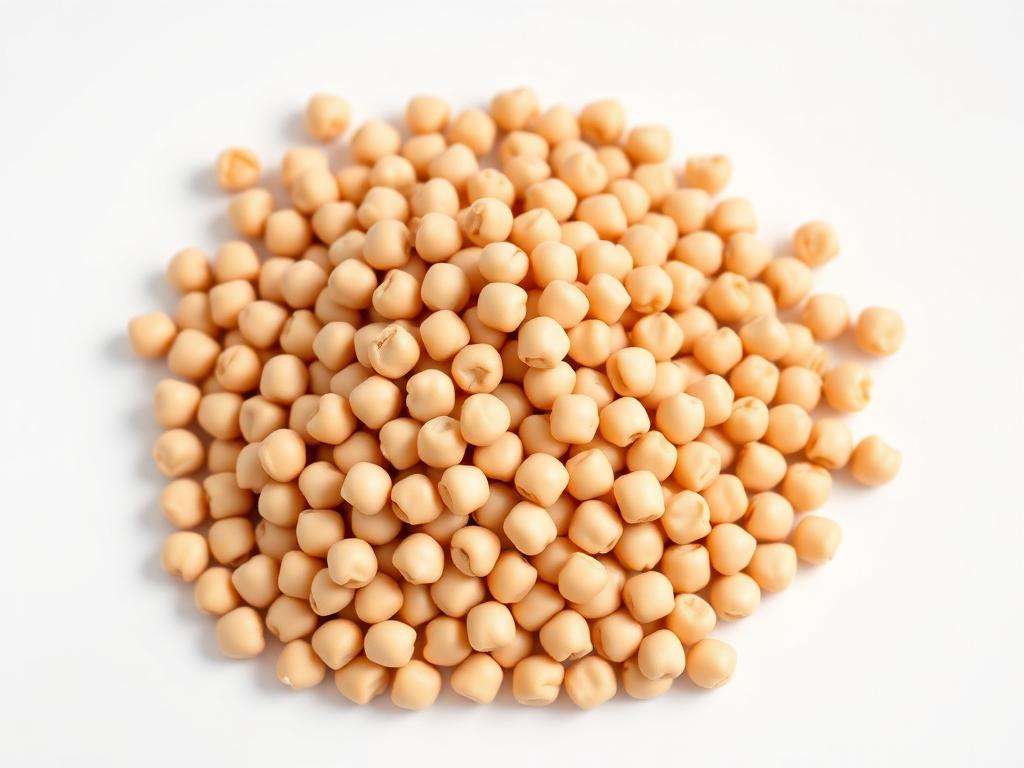
Kabuli and desi chickpeas graded by calibre — the number that sets the price.
View product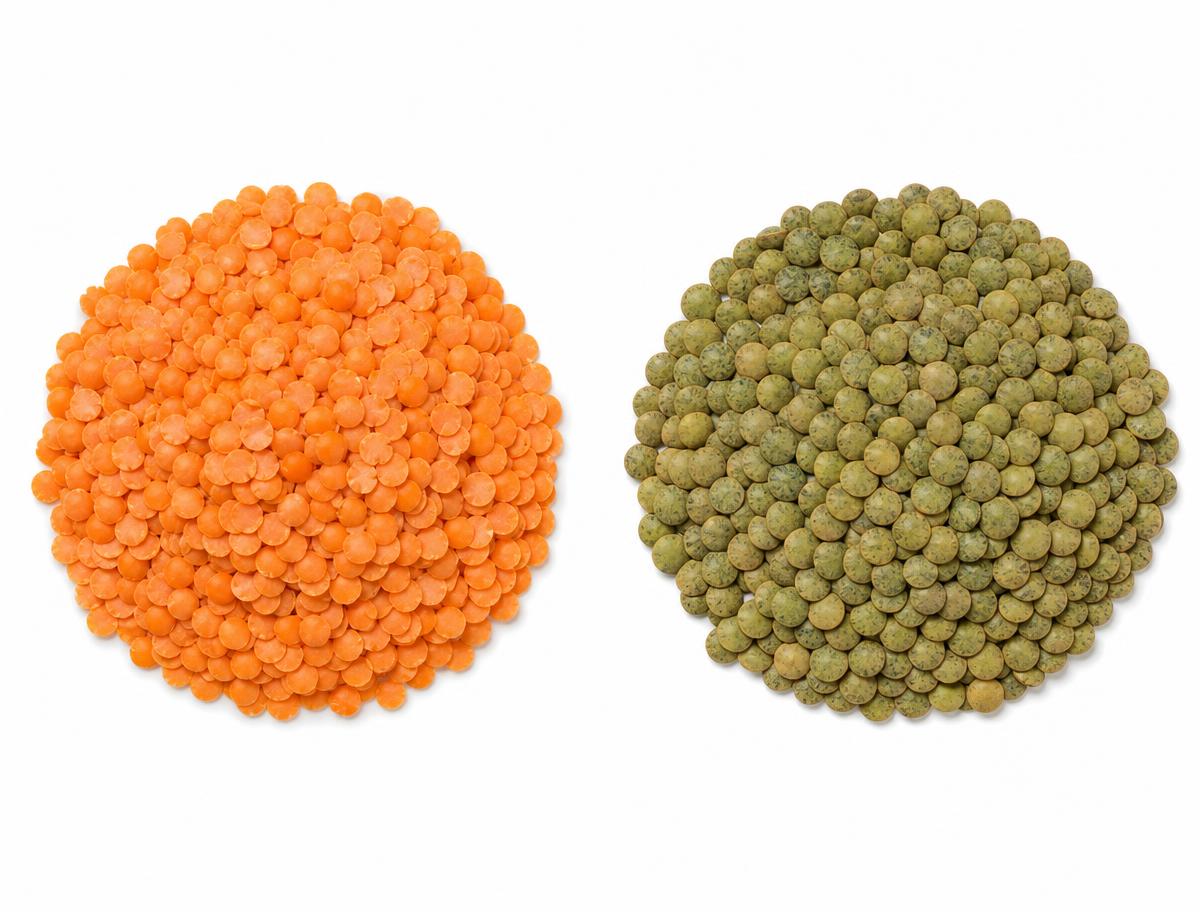
Lentils
Red and green lentils, whole or split, in the size classes world markets buy.
View product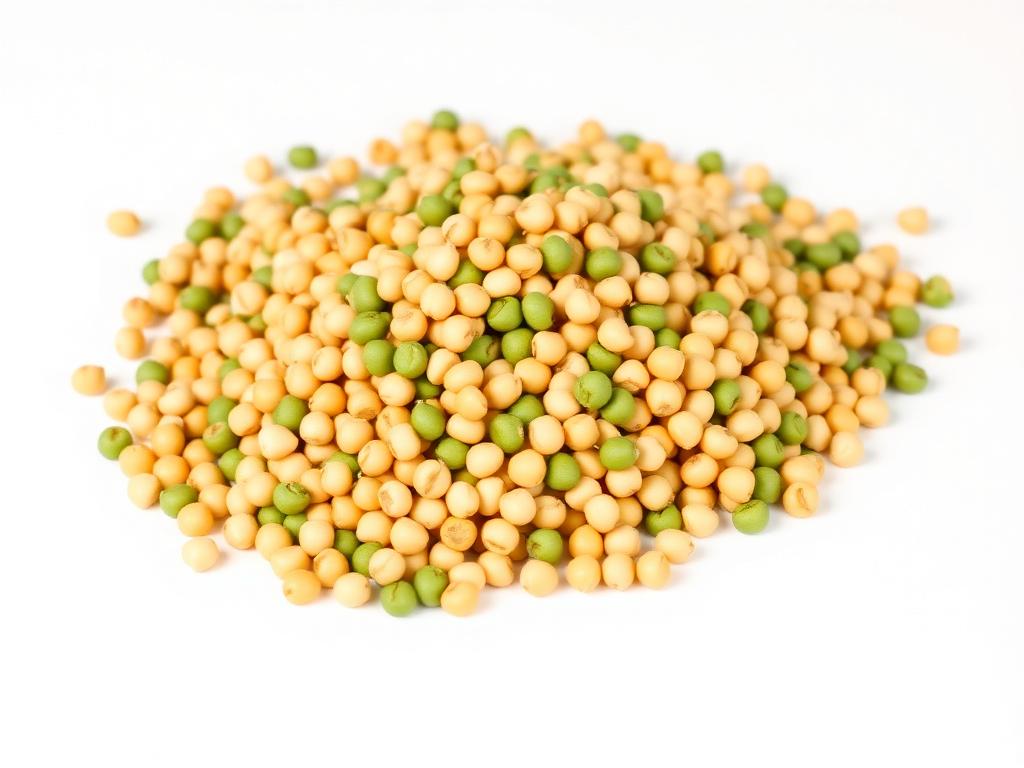
Dry Peas
Yellow and green field peas — whole or split, for food, feed and fractionation.
View productReady to price Dry Beans?
Send the specification you already have — even a single line is enough to start. Attach a previous datasheet, tender document or purchase specification if you have one.