
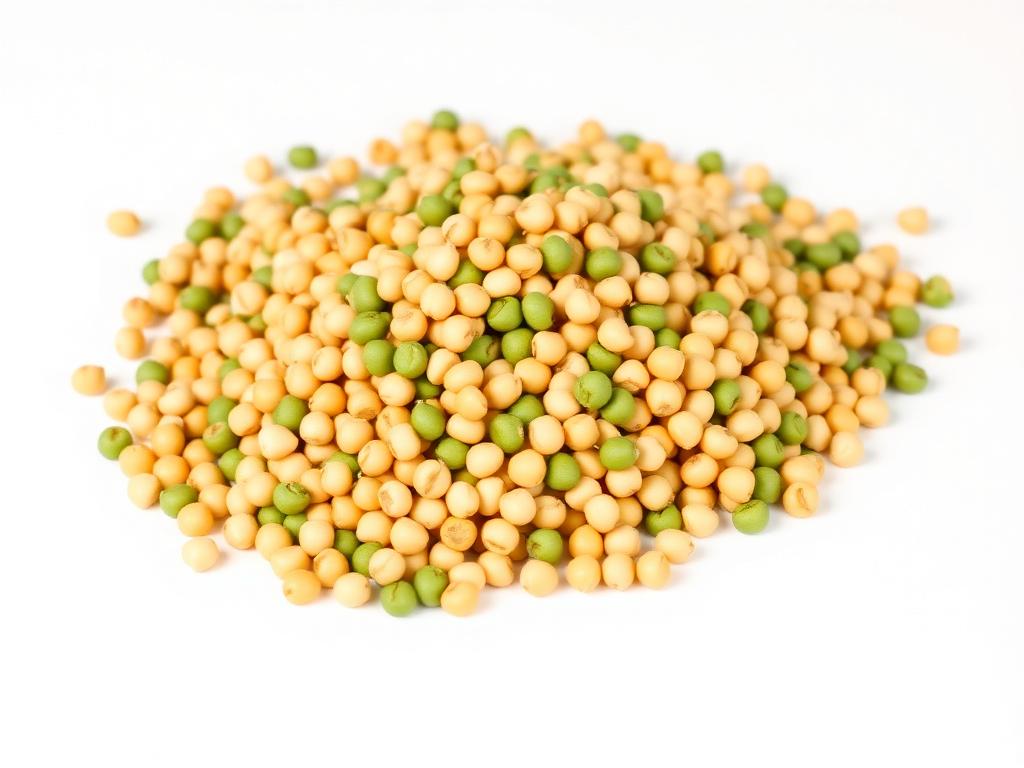
Dry Peas
Yellow and green field peas — whole or split, for food, feed and fractionation.
Indicative HS heading: 0713.10
Prices are quoted per enquiry. Availability, origin and certification are confirmed per shipment.
Product overview
Dry peas are the volume backbone of the pulse trade. Yellow peas dominate because they feed three different demand streams: direct human consumption, compound animal feed, and the fractionation plants that split the seed into protein, starch and fibre. Green peas are a smaller, more appearance-driven market where colour bleaching in storage is a real commercial risk.
Grade selection matters more than most first-time buyers expect. A food-grade specification controls colour, splits, defects and foreign material tightly; a feed-grade specification is far more tolerant on appearance but still needs a protein basis and a mycotoxin position. Buying food grade for a feed application is a straightforward waste of money, and buying feed grade for a food line will fail at your first customer audit.
If your process splits or mills the peas, the useful specification is not the visual grade — it is moisture, seed size uniformity and hardness, because those three drive dehulling yield.
Canadian supply context
Canada is among the largest producers and exporters of field peas globally, again centred on Saskatchewan and Alberta. Domestic pulse fractionation capacity has grown substantially, which means yellow peas leave the country both as raw seed and as protein, starch and fibre fractions.
For an overseas buyer this creates a genuine choice: import the seed and process it locally, or import the finished fraction. The right answer depends on your local processing cost and on the duty treatment of raw versus processed pulse products in your market.
Types, grades and variants
All variants of Dry Peas are supplied from this single product record — there is no separate page or separate specification to chase.
Yellow peas — whole
The main traded class; food, feed and fractionation use.
Yellow peas — split
Dehulled and split for dal, soups and instant products.
Green peas — whole
Appearance-sensitive; colour retention is the commercial risk.
Green peas — split
Split pea soup and dry-mix applications.
Feed peas
Wider defect tolerance; bought on protein and energy value.
Key specifications
Indicative ranges for the commodity. Lot values are confirmed on the certificate of analysis for each shipment.
- Purity
- Typically 99 %+ for food grade; wider tolerance for feed grade
- Moisture
- Normally 13–14 % maximum at loading
- Protein
- Commonly quoted around 20–26 % on a dry basis; confirmed per lot
- Defects
- Splits, bleached seed and foreign material specified per contract
- Processing
- Cleaned and gravity separated; colour sorted for food grade
Applications
- Split pea and dal production
- Pulse protein, starch and fibre fractionation
- Compound animal feed and aquafeed
- Snack and extruded product formulation
- Canning and soup manufacture
Packaging & supply options
- 25 kg and 50 kg woven polypropylene bags
- 1,000 kg bulk bags
- Bulk in lined containers or vessel parcels
Export & commercial notes
- Feed and food grades are contracted separately and should never be blended in one booking.
- Fractionation buyers should state target dehulling yield expectations up front so seed size can be matched.
- Quoted FOB, CFR or CIF; bulk vessel parcels considered on volume.
Documentation
Commonly relevant documents. Availability is confirmed per order and destination.
- Certificate of Analysis
- Phytosanitary Certificate
- Certificate of Origin
- Non-GMO declaration where applicable
- Independent survey certificate on request
Related industries
Related export products
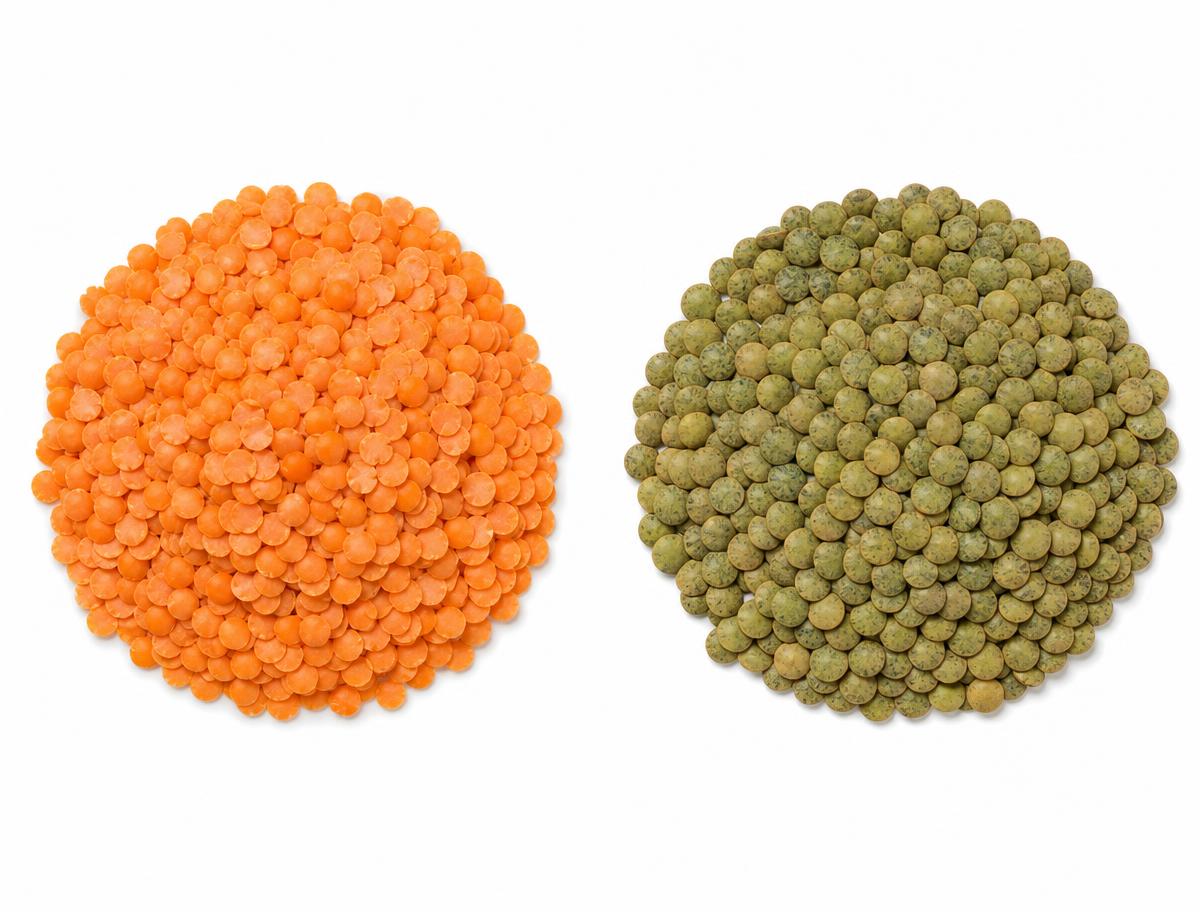
Lentils
Red and green lentils, whole or split, in the size classes world markets buy.
View product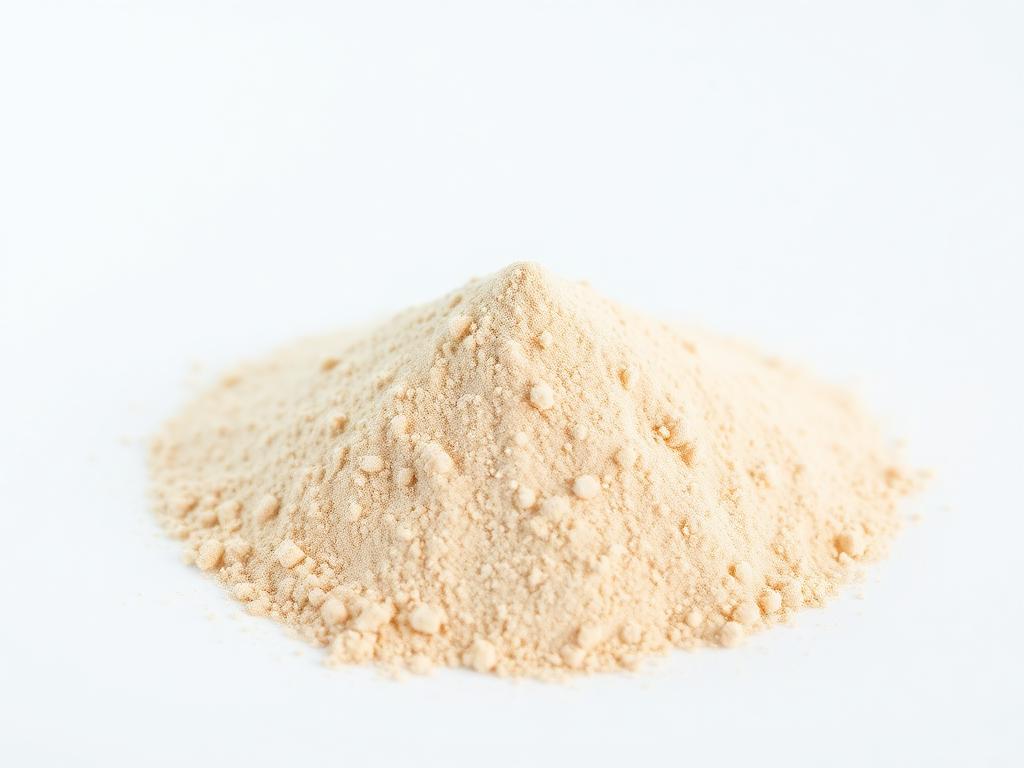
Pea Protein
Isolate and concentrate from yellow peas — allergen-friendly plant protein.
View product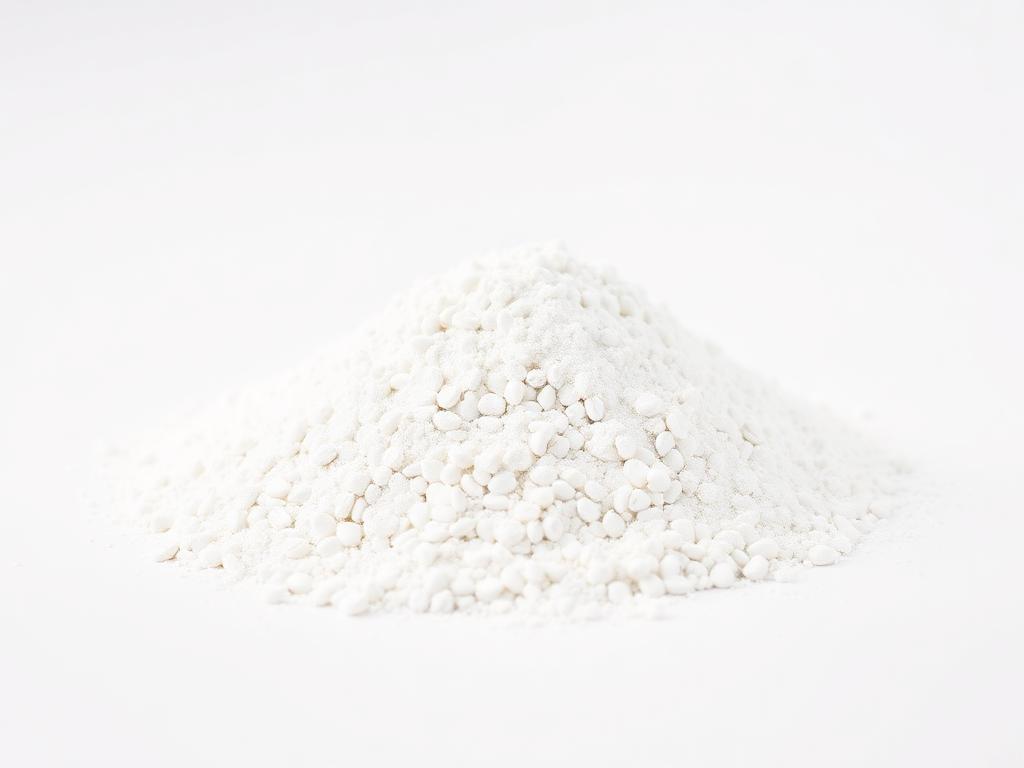
Pea Starch
High-amylose pulse starch for noodles, coatings, gelled confectionery and paper.
View product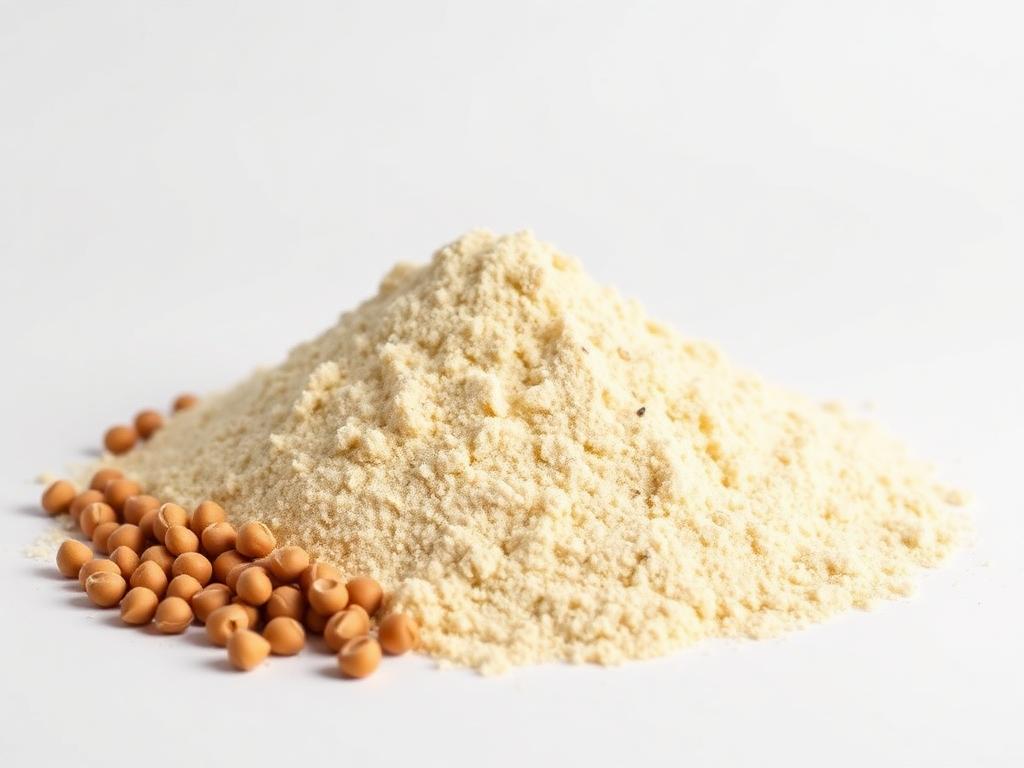
Pulse Flour
Pea, lentil, chickpea and faba flours milled to a defined particle specification.
View productReady to price Dry Peas?
Send the specification you already have — even a single line is enough to start. Attach a previous datasheet, tender document or purchase specification if you have one.