
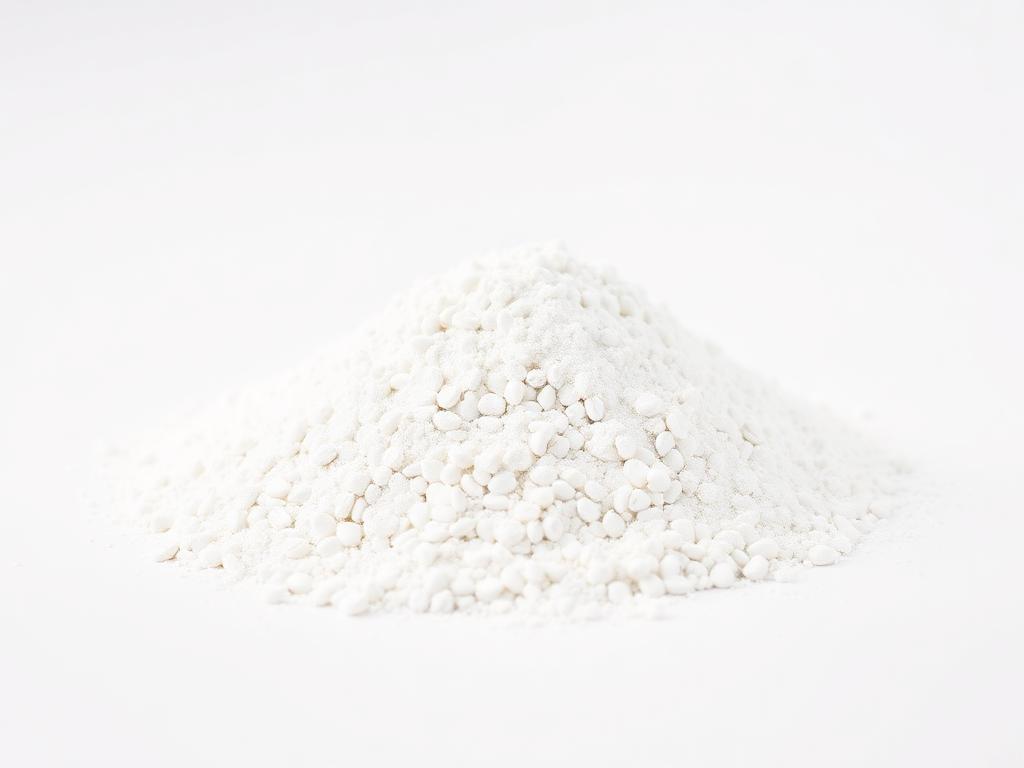
Pea Starch
High-amylose pulse starch for noodles, coatings, gelled confectionery and paper.
Indicative HS heading: 1108.19
Prices are quoted per enquiry. Availability, origin and certification are confirmed per shipment.
Product overview
Pea starch is the carbohydrate fraction from the same yellow pea fractionation that produces pea protein, and its commercial value comes from a high amylose content relative to common starches. High amylose means strong gel formation and rapid retrogradation — exactly the behaviour that produces firm, translucent glass noodles and crisp fried coatings that stay crisp.
That same property makes it a poor substitute where a soft, clear, stable paste is needed. Formulators moving from tapioca or waxy maize to pea starch should expect a firmer, more opaque gel and should reformulate rather than swap one for one.
Outside food, high-amylose starch is used in paper sizing and in a range of industrial binding and film-forming applications where gel strength and film integrity matter.
Canadian supply context
Pea starch is produced in Canada as part of the pulse fractionation industry built around the domestic yellow pea crop. It is a co-product stream: protein, starch and fibre are separated in the same process.
Availability therefore tracks fractionation capacity and pea crop volumes rather than a standalone production line, and long-term programmes are usually easier to secure than large one-off spot volumes.
Types, grades and variants
All variants of Pea Starch are supplied from this single product record — there is no separate page or separate specification to chase.
Native pea starch
Standard high-amylose grade for food and industrial use.
Food grade
Manufactured and tested to food standards with full microbiological panel.
Industrial grade
Paper, adhesive and technical applications.
Modified grades
Available only against a clearly defined functional requirement.
Key specifications
Indicative ranges for the commodity. Lot values are confirmed on the certificate of analysis for each shipment.
- Starch content
- Typically 80 %+ on a dry basis; confirmed per specification
- Amylose
- High relative to cereal and tuber starches — drives gel strength
- Moisture
- Normally 12–14 % maximum
- Protein residue
- Low; stated per specification
- Whiteness / particle size
- Stated per grade and application
Applications
- Glass noodle and vermicelli production
- Crisp coatings and batter systems
- Gelled confectionery and jelly products
- Paper sizing and coating
- Industrial binders and biodegradable film systems
Packaging & supply options
- 25 kg multi-wall paper bags with liner
- 1,000 kg bulk bags
- Palletised for container loading
Export & commercial notes
- Do not substitute pea starch one-for-one for waxy starches; trial the formulation first.
- State food or industrial grade at enquiry — the documentation package differs.
- Quoted FOB, CFR or CIF.
Documentation
Commonly relevant documents. Availability is confirmed per order and destination.
- Certificate of Analysis
- Specification sheet
- Certificate of Origin
- Food-grade / microbiological report where applicable
- Non-GMO declaration
Related industries
Related export products
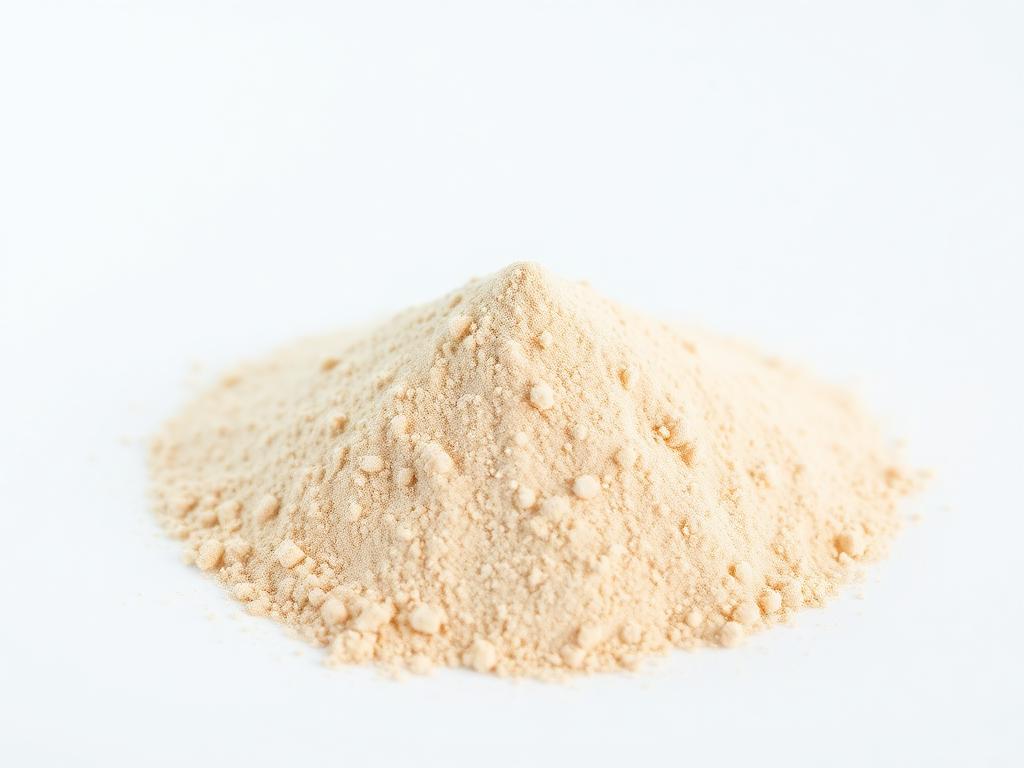
Pea Protein
Isolate and concentrate from yellow peas — allergen-friendly plant protein.
View product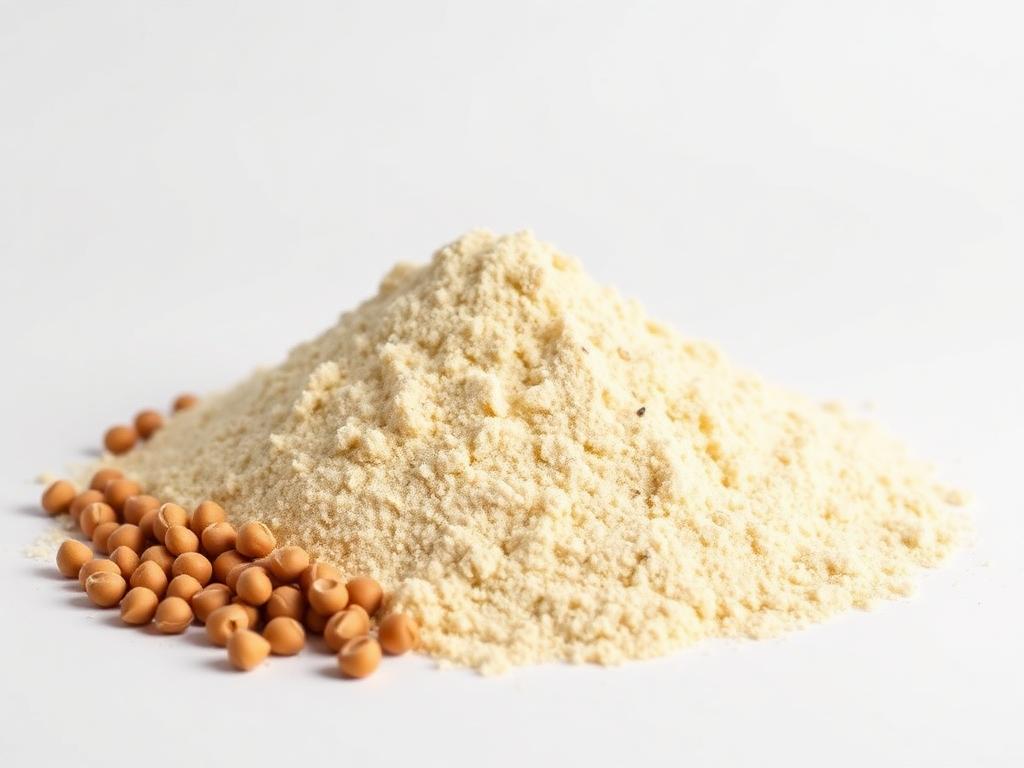
Pulse Flour
Pea, lentil, chickpea and faba flours milled to a defined particle specification.
View product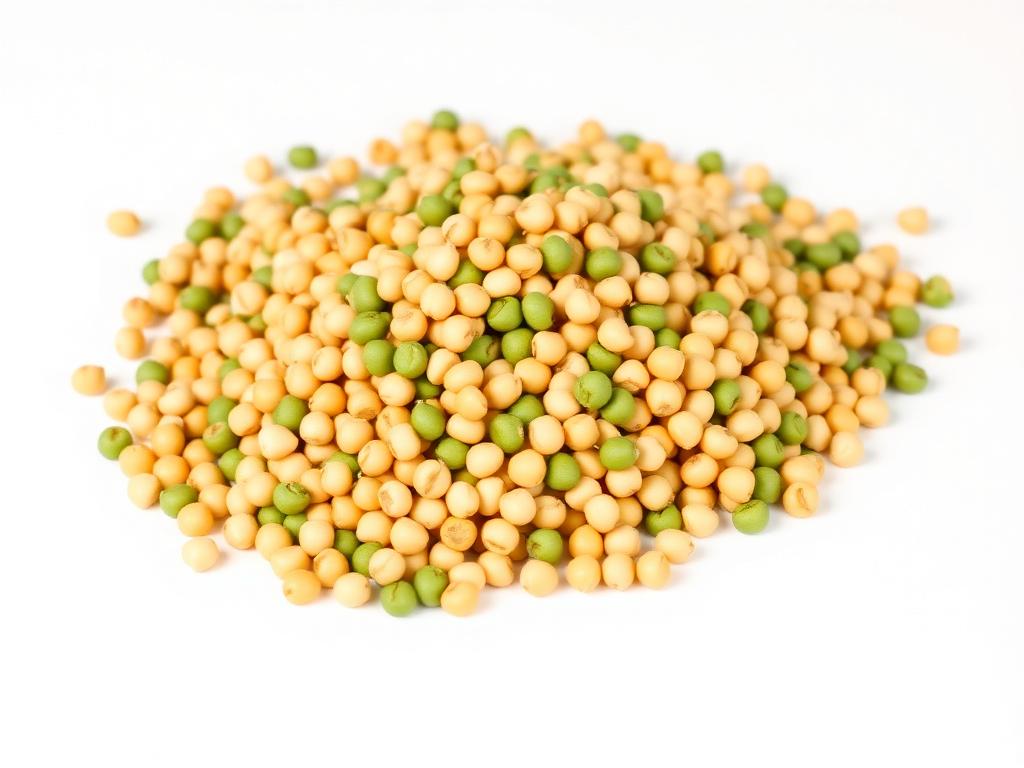
Dry Peas
Yellow and green field peas — whole or split, for food, feed and fractionation.
View productReady to price Pea Starch?
Send the specification you already have — even a single line is enough to start. Attach a previous datasheet, tender document or purchase specification if you have one.