
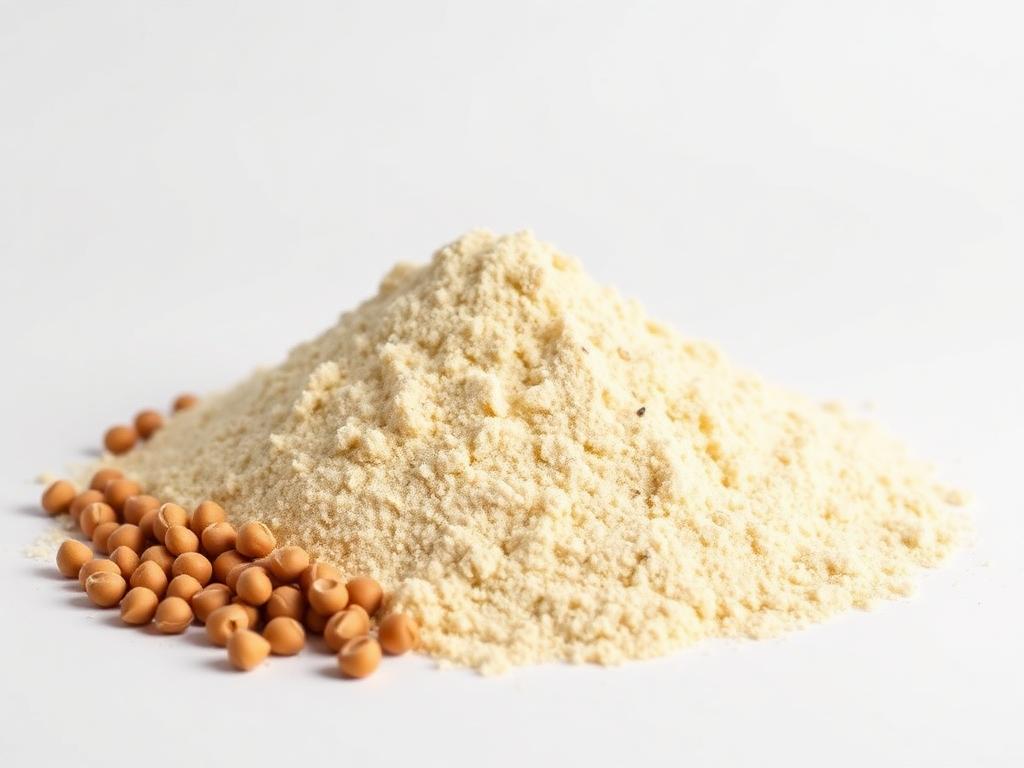
Pulse Flour
Pea, lentil, chickpea and faba flours milled to a defined particle specification.
Indicative HS heading: 1106.10
Prices are quoted per enquiry. Availability, origin and certification are confirmed per shipment.
Product overview
Pulse flour is milled legume, and the two decisions that define it are the pulse it comes from and how finely it is ground. Chickpea flour (besan) behaves differently in batter from pea flour; lentil flour brings its own colour; faba flour carries a distinct flavour that some applications welcome and others cannot hide.
Particle size is the specification that actually controls performance. A fine flour hydrates quickly and gives smooth batters and extruded snacks; a coarser grind gives texture and bite but can feel gritty in a beverage or a soft baked good. Ask for the sieve specification, not just 'fine' or 'coarse'.
Heat treatment is the third variable. Untreated pulse flour carries raw legume flavour and enzyme activity; a heat-treated or pre-cooked flour is milder and behaves more predictably in cold-process applications. State which you need.
Canadian supply context
Canada's pulse crop base — peas, lentils, chickpeas and faba beans — supports milling capacity that produces flours for both domestic and export food manufacturing.
Because the raw pulse and the milled flour come from the same supply chain, availability of a specific flour follows the availability of the underlying crop class in a given year.
Types, grades and variants
All variants of Pulse Flour are supplied from this single product record — there is no separate page or separate specification to chase.
Yellow pea flour
Neutral base flour; the highest-volume pulse flour.
Chickpea flour (besan)
Batters, snacks and traditional South Asian foods.
Lentil flour
Red or green lentil base; colour follows the pulse.
Faba bean flour
High protein with a distinctive flavour profile.
Heat-treated / pre-cooked grades
Reduced raw flavour and enzyme activity for cold-process use.
Key specifications
Indicative ranges for the commodity. Lot values are confirmed on the certificate of analysis for each shipment.
- Protein
- Typically 20–28 % depending on the pulse; confirmed per specification
- Moisture
- Normally 10–12 % maximum
- Particle size
- Sieve specification agreed per application
- Ash
- Stated per specification
- Microbiology
- Food-grade limits including Salmonella and E. coli
Applications
- Gluten-free bakery and pasta
- Extruded and puffed snack production
- Batters, coatings and traditional foods
- Protein and fibre fortification of standard flours
- Soup, sauce and dry mix formulation
Packaging & supply options
- 20 kg or 25 kg multi-wall paper bags with liner
- 1,000 kg bulk bags
- Palletised for container loading
Export & commercial notes
- Specify the pulse, the particle size and whether heat treatment is required — all three change the price and the lead time.
- Gluten-free claims depend on the milling facility's segregation; confirm the standard your market requires.
- Quoted FOB, CFR or CIF.
Documentation
Commonly relevant documents. Availability is confirmed per order and destination.
- Certificate of Analysis
- Specification sheet and allergen statement
- Certificate of Origin
- Gluten-free / non-GMO declarations where applicable
- Microbiological report
Related industries
Related export products
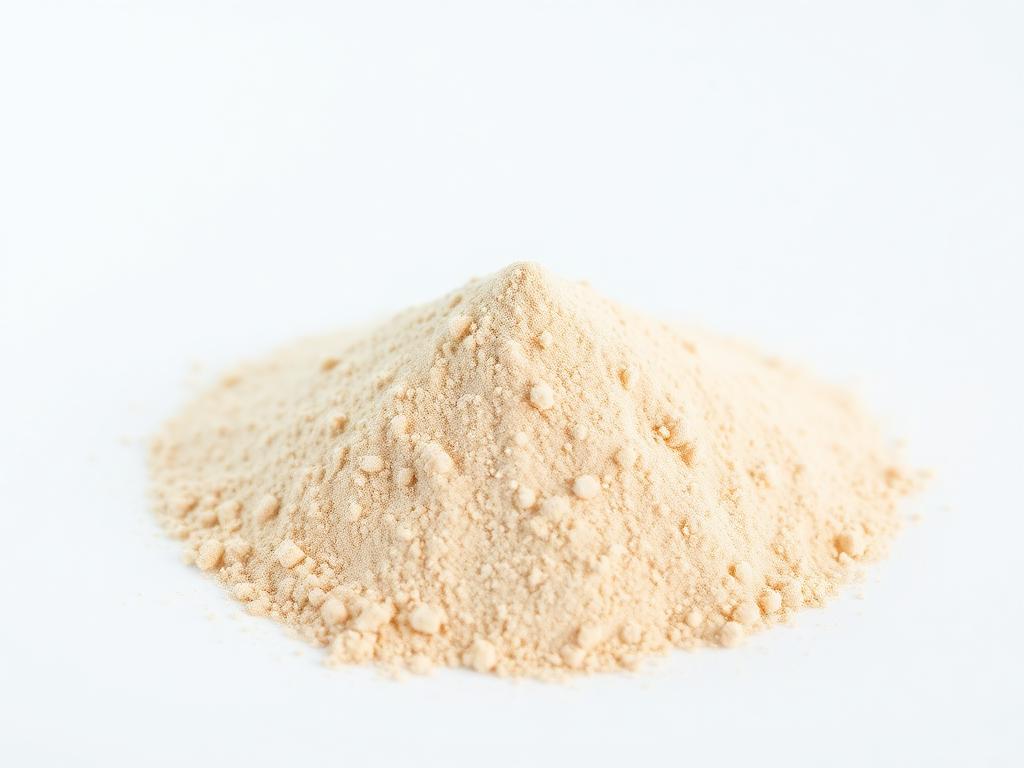
Pea Protein
Isolate and concentrate from yellow peas — allergen-friendly plant protein.
View product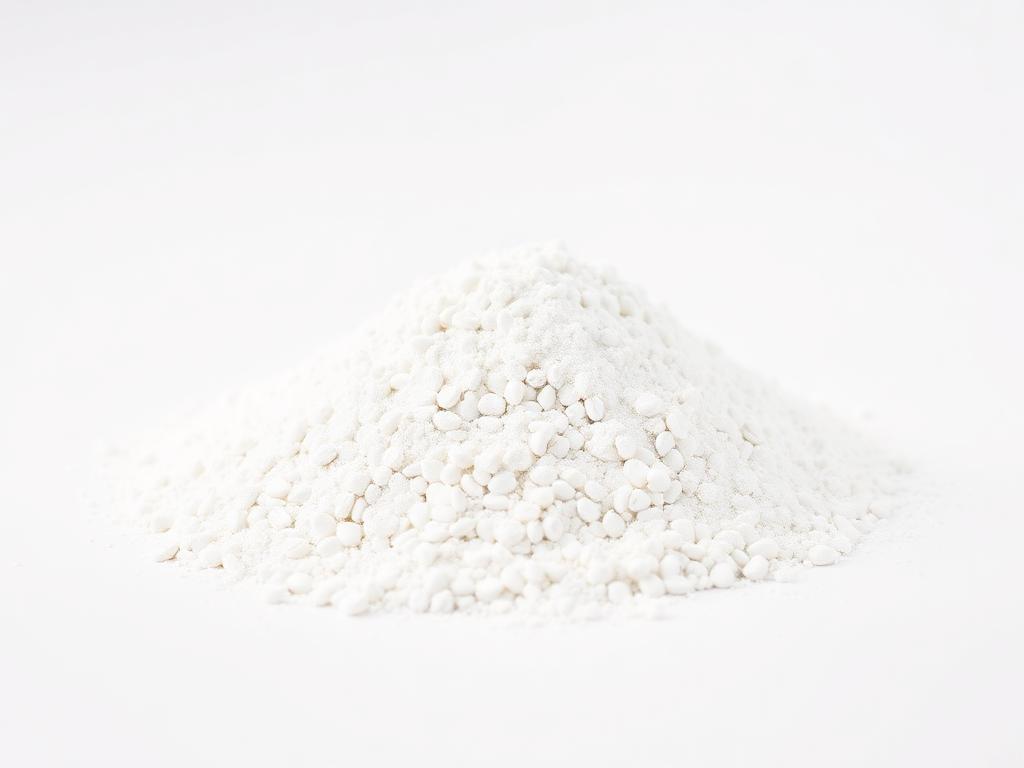
Pea Starch
High-amylose pulse starch for noodles, coatings, gelled confectionery and paper.
View product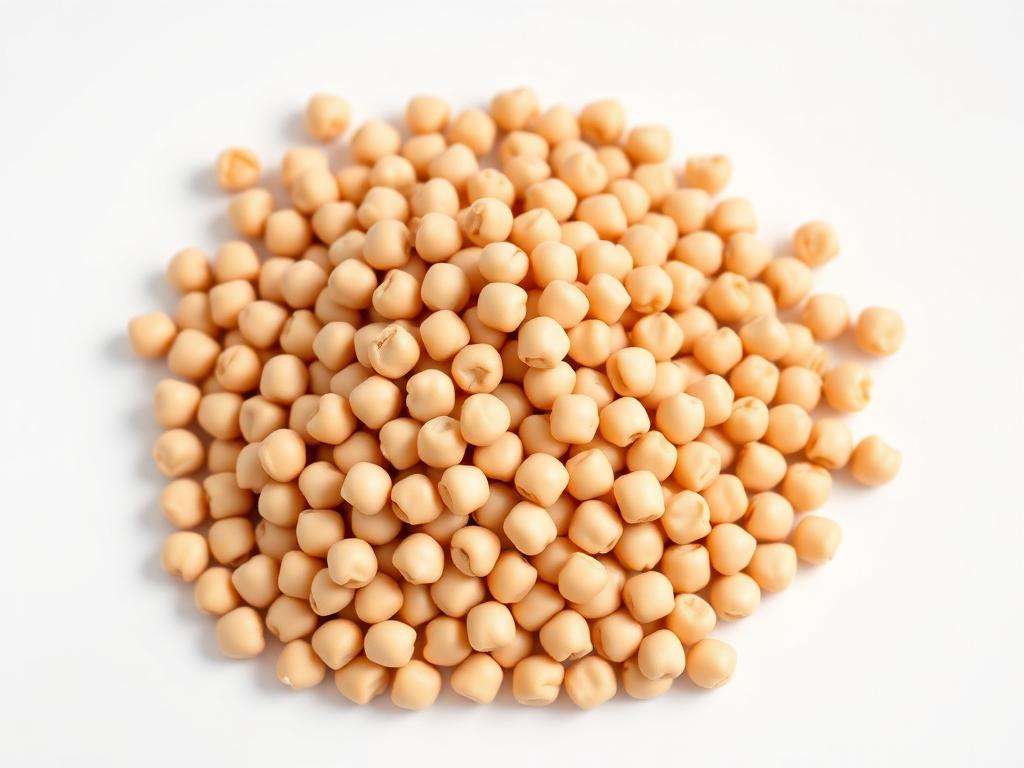
Chickpeas
Kabuli and desi chickpeas graded by calibre — the number that sets the price.
View product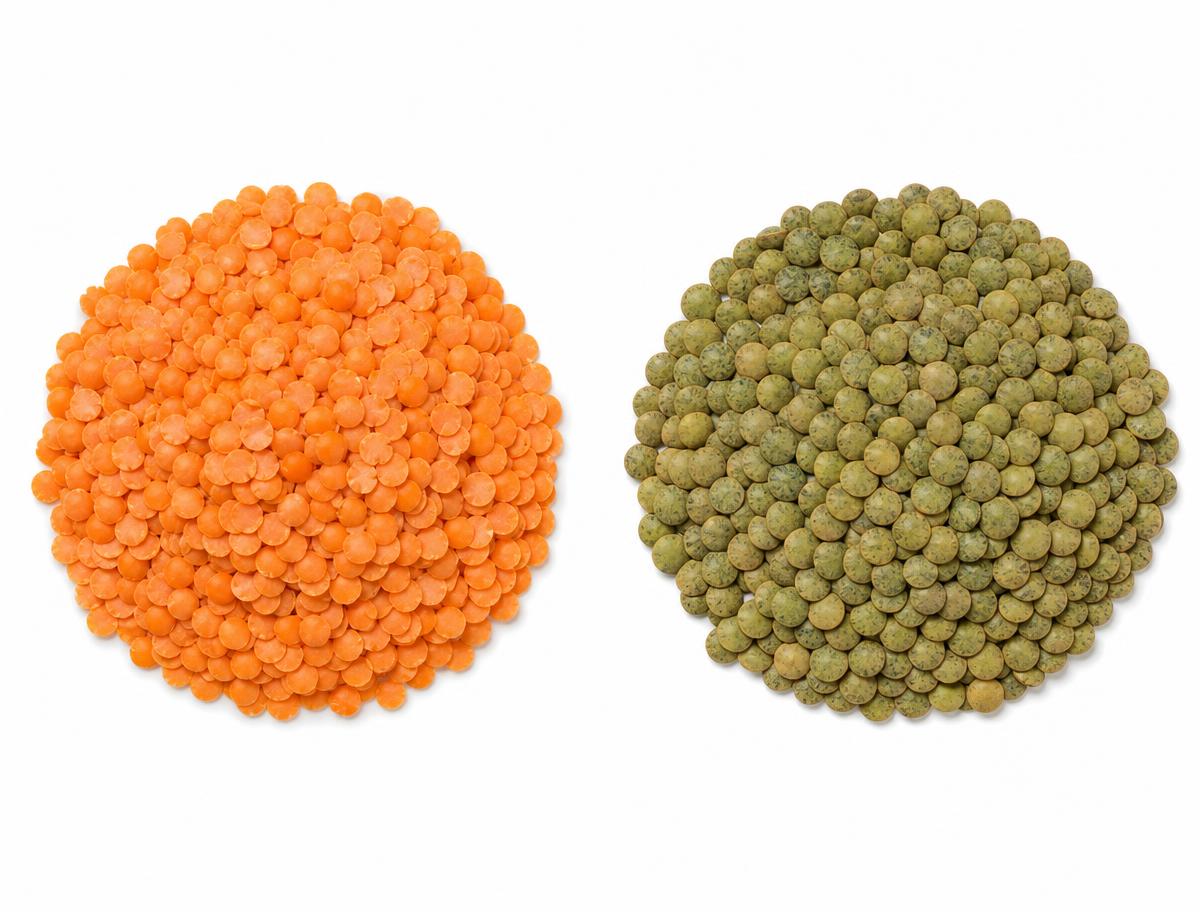
Lentils
Red and green lentils, whole or split, in the size classes world markets buy.
View productReady to price Pulse Flour?
Send the specification you already have — even a single line is enough to start. Attach a previous datasheet, tender document or purchase specification if you have one.