
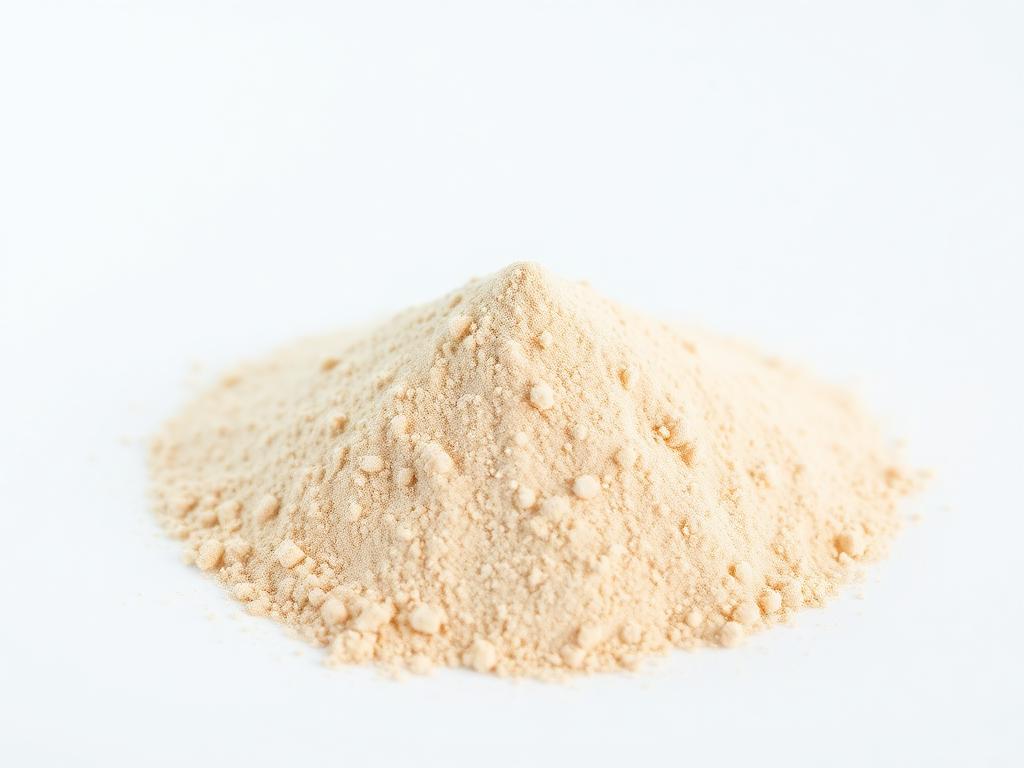
Pea Protein
Isolate and concentrate from yellow peas — allergen-friendly plant protein.
Indicative HS heading: 2106.10
Prices are quoted per enquiry. Availability, origin and certification are confirmed per shipment.
Product overview
Pea protein exists commercially in two tiers. Isolate typically runs around 80 % protein or higher and is used where protein density and relatively clean flavour are needed — beverages, sports nutrition, bars. Concentrate sits lower in protein with more residual starch and fibre, and is used where cost per kilogram of formulation matters more than protein density, often in extruded meat alternatives and bakery.
The properties that decide whether a given protein works in your product are functional, not nutritional: solubility across the pH range you operate in, gelation behaviour, emulsification capacity, and dispersibility in cold water. Two isolates with identical protein content can behave completely differently in a beverage.
Flavour is the honest constraint. Pea protein carries characteristic notes that formulators mask with flavour systems; anyone claiming a completely neutral pea isolate is overselling. Sampling before commitment is the sensible route, and we quote on that basis.
Canadian supply context
Canada's large yellow pea crop supports a growing domestic pulse fractionation industry that separates the seed into protein, starch and fibre streams. This is why pea protein is exportable from Canada as a finished ingredient rather than only as raw seed.
Buyers should note that protein, starch and fibre come from the same fractionation run. Demand for one stream affects the availability of the others, which is worth understanding when planning long-term supply.
Types, grades and variants
All variants of Pea Protein are supplied from this single product record — there is no separate page or separate specification to chase.
Pea protein isolate (~80 %+)
High protein density; beverages, bars and sports nutrition.
Pea protein concentrate (~50–60 %)
Cost-efficient protein with residual starch and fibre.
Textured pea protein
Extruded formats for meat alternatives; supplied against confirmed specification.
Organic pea protein
Available where certification is contracted in advance.
Key specifications
Indicative ranges for the commodity. Lot values are confirmed on the certificate of analysis for each shipment.
- Protein content
- Isolate typically 80 %+; concentrate typically 50–60 % (dry basis)
- Moisture
- Normally 8 % maximum
- Ash
- Stated per specification
- Particle size
- Sieve specification agreed per application
- Microbiology
- Total plate count, yeast, mould, Salmonella and E. coli limits per food standard
Applications
- Plant-based beverages and dairy alternatives
- Meat alternative and extruded protein products
- Protein bars and sports nutrition
- Bakery and snack fortification
- Clinical and senior nutrition formulations
Packaging & supply options
- 20 kg or 25 kg multi-wall paper bags with food-grade liner
- Bulk bags on confirmed volume
- Palletised and stretch-wrapped for container loading
Export & commercial notes
- Request samples and run your own functional trials before contracting volume — solubility and flavour decide the outcome.
- Confirm which certifications your market requires (non-GMO, organic, Halal, Kosher) at enquiry stage.
- Quoted FOB, CFR or CIF.
Documentation
Commonly relevant documents. Availability is confirmed per order and destination.
- Certificate of Analysis with full microbiological panel
- Specification sheet and allergen statement
- Certificate of Origin
- Non-GMO declaration
- Halal / Kosher / organic certification where contracted
Related industries
Related export products
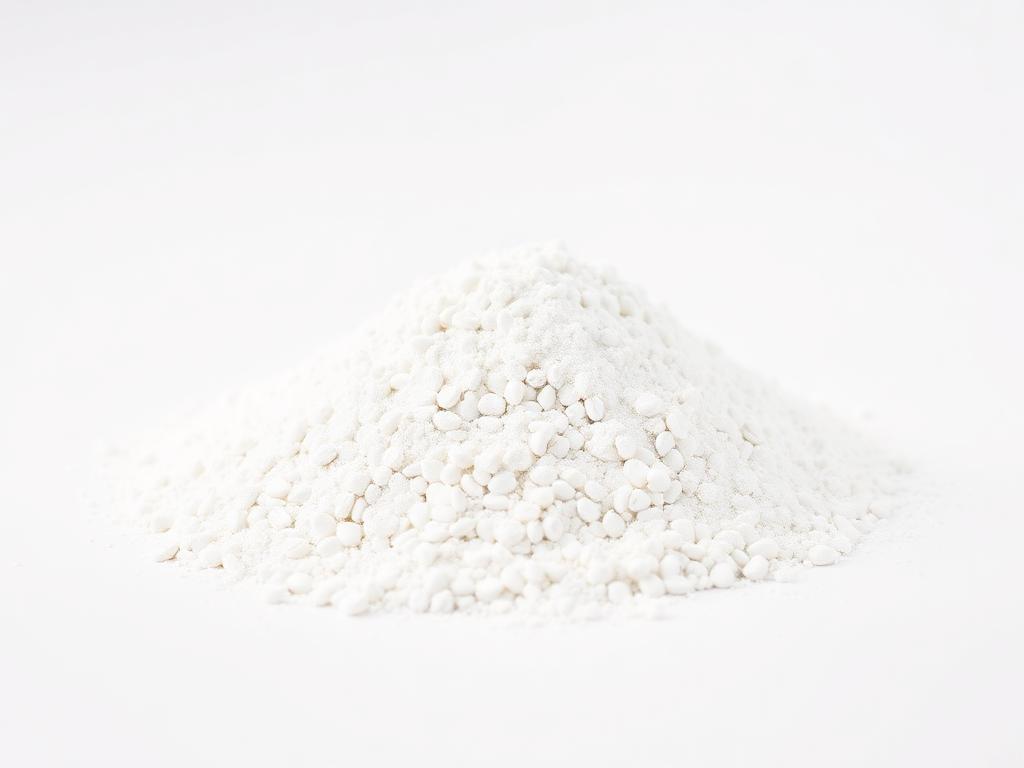
Pea Starch
High-amylose pulse starch for noodles, coatings, gelled confectionery and paper.
View product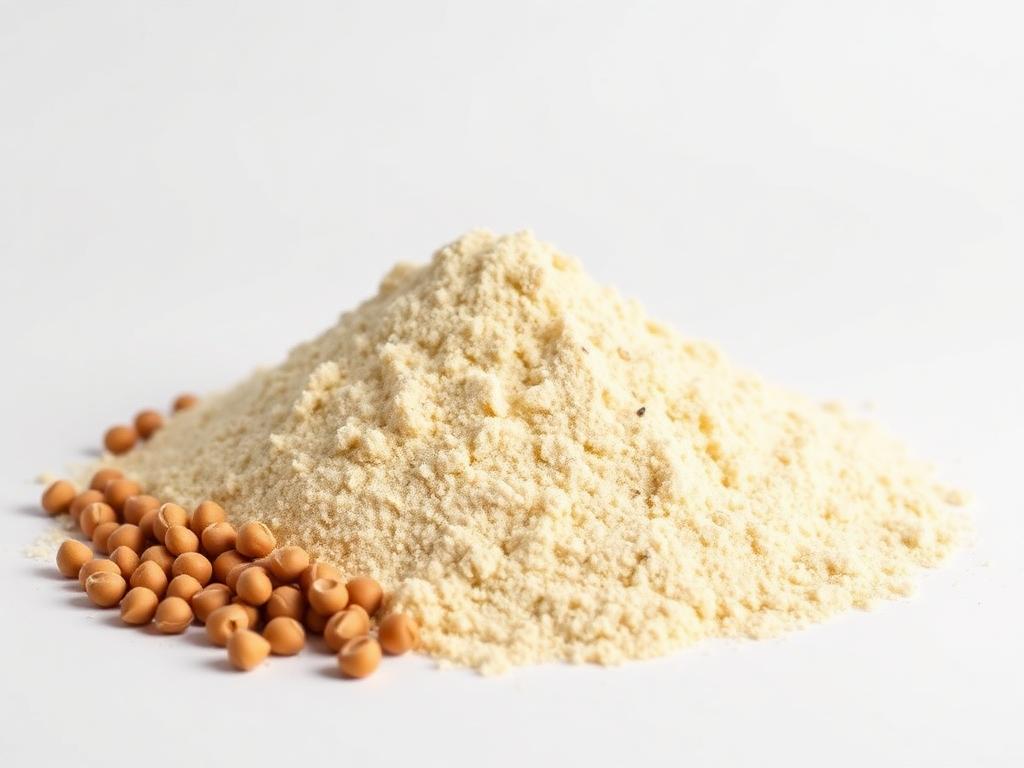
Pulse Flour
Pea, lentil, chickpea and faba flours milled to a defined particle specification.
View product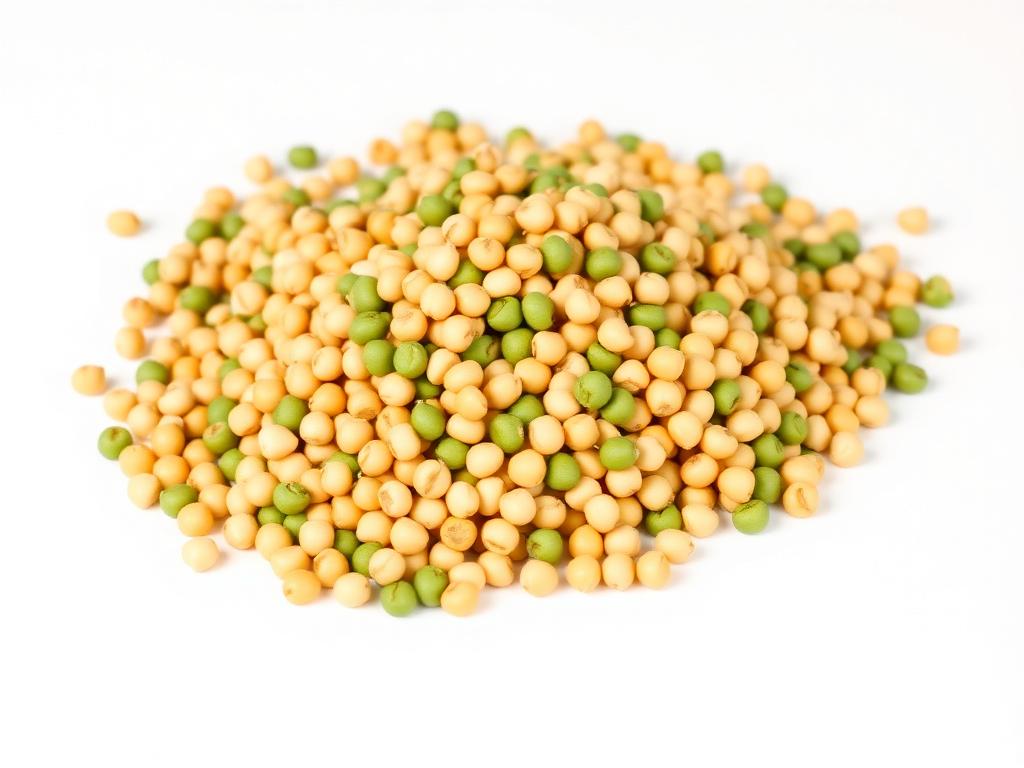
Dry Peas
Yellow and green field peas — whole or split, for food, feed and fractionation.
View productReady to price Pea Protein?
Send the specification you already have — even a single line is enough to start. Attach a previous datasheet, tender document or purchase specification if you have one.