
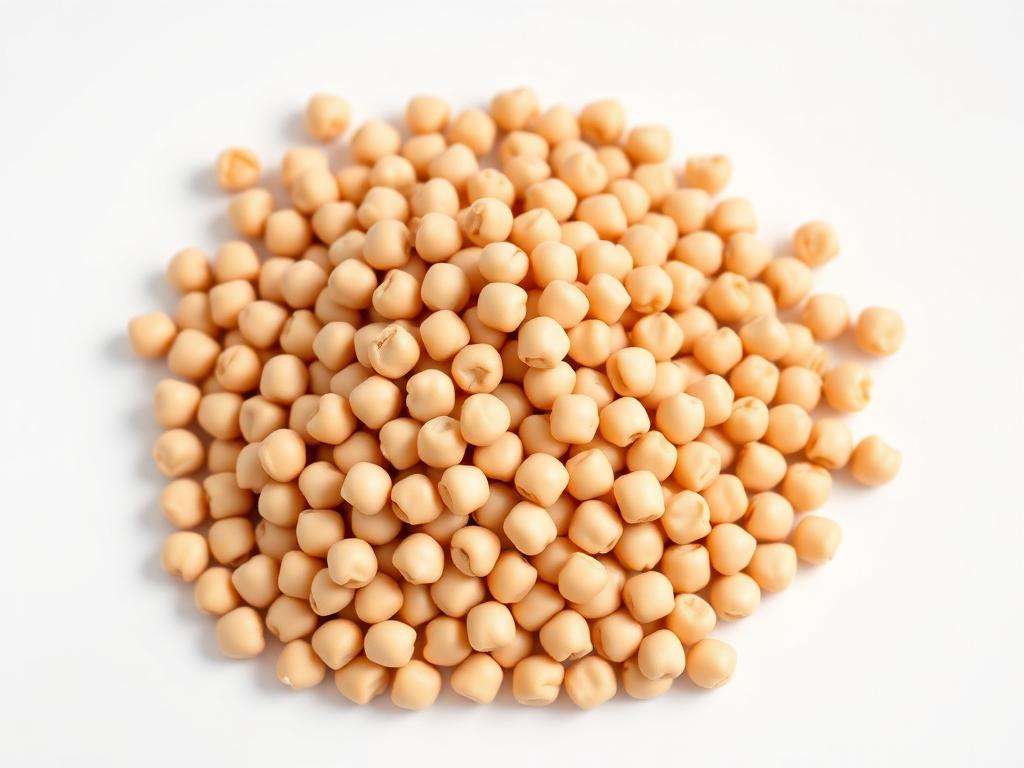
Chickpeas
Kabuli and desi chickpeas graded by calibre — the number that sets the price.
Indicative HS heading: 0713.20
Prices are quoted per enquiry. Availability, origin and certification are confirmed per shipment.
Product overview
Chickpeas are priced by calibre before anything else. Kabuli types are sized by millimetre screen or by count per ounce, and the step from a 7 mm to a 9 mm calibre is a genuine price step, not a rounding difference. A canner or a hummus plant buys large calibre for visual consistency; a miller producing besan buys desi type where size is almost irrelevant and yield is everything.
The second quality axis is skin condition and colour. Wrinkled, stained or split seed reads as low quality on a plate even when the nutritional value is untouched, so a food-grade contract states a maximum for defective and discoloured seed. For canning, uniform hydration matters: mixed calibres in one lot cook unevenly and produce soft and firm beans in the same can.
Tell us the end process — canning, hummus, roasting, snack coating or milling — and the calibre discussion resolves itself quickly.
Canadian supply context
Canadian chickpea production is concentrated in Saskatchewan, with kabuli types the main export class. Volumes are more variable year to year than lentils or peas because acreage responds sharply to relative pulse prices and to growing-season moisture.
The practical implication is that large-calibre kabuli is not equally available in every crop year. When a specific calibre is tight, the honest options are to accept a smaller calibre, to blend within a stated tolerance, or to wait for the new crop — we will say which of these applies rather than quote a size we cannot ship.
Types, grades and variants
All variants of Chickpeas are supplied from this single product record — there is no separate page or separate specification to chase.
Kabuli 7 mm
Entry calibre for value canning and blended packs.
Kabuli 8 mm
The broad commercial middle of the export market.
Kabuli 9 mm
Premium calibre for whole-bean presentation.
Kabuli 10 mm and above
Limited availability, priced accordingly, subject to crop year.
Desi chickpeas
Smaller, darker seed for splitting and besan flour milling.
Key specifications
Indicative ranges for the commodity. Lot values are confirmed on the certificate of analysis for each shipment.
- Calibre
- 7, 8, 9 and 10 mm screens; count per ounce on request
- Purity
- Typically 99 %+ machine cleaned for food grade
- Moisture
- Normally 12–14 % maximum at loading
- Defects
- Maximum defective, split and discoloured seed agreed per contract
- Processing
- Cleaned, sized, gravity separated and colour sorted
Applications
- Hummus and prepared dip manufacture
- Canning and retort packs
- Roasted and coated snack production
- Besan and chickpea flour milling
- Ready meals and food service
Packaging & supply options
- 25 kg and 50 kg woven polypropylene bags
- 1,000 kg bulk bags
- Bulk in lined containers
Export & commercial notes
- Always contract on a stated calibre and a stated screen tolerance — 'large kabuli' is not a specification.
- Confirm whether your market requires a specific pesticide residue standard; testing scope is agreed before shipment.
- Quoted FOB, CFR or CIF.
Documentation
Commonly relevant documents. Availability is confirmed per order and destination.
- Certificate of Analysis with calibre distribution
- Phytosanitary Certificate
- Certificate of Origin
- Pesticide residue report on request
- Fumigation certificate where required
Related industries
Related export products
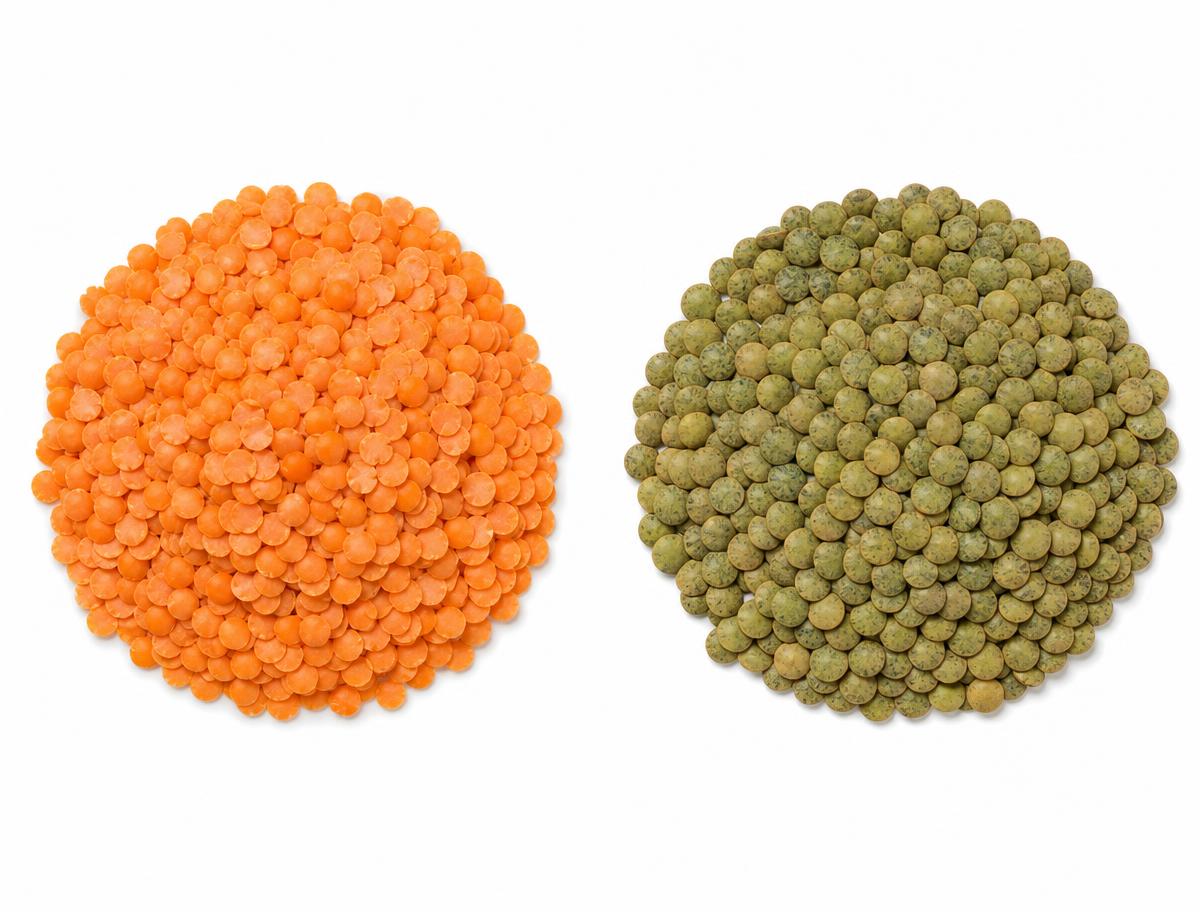
Lentils
Red and green lentils, whole or split, in the size classes world markets buy.
View product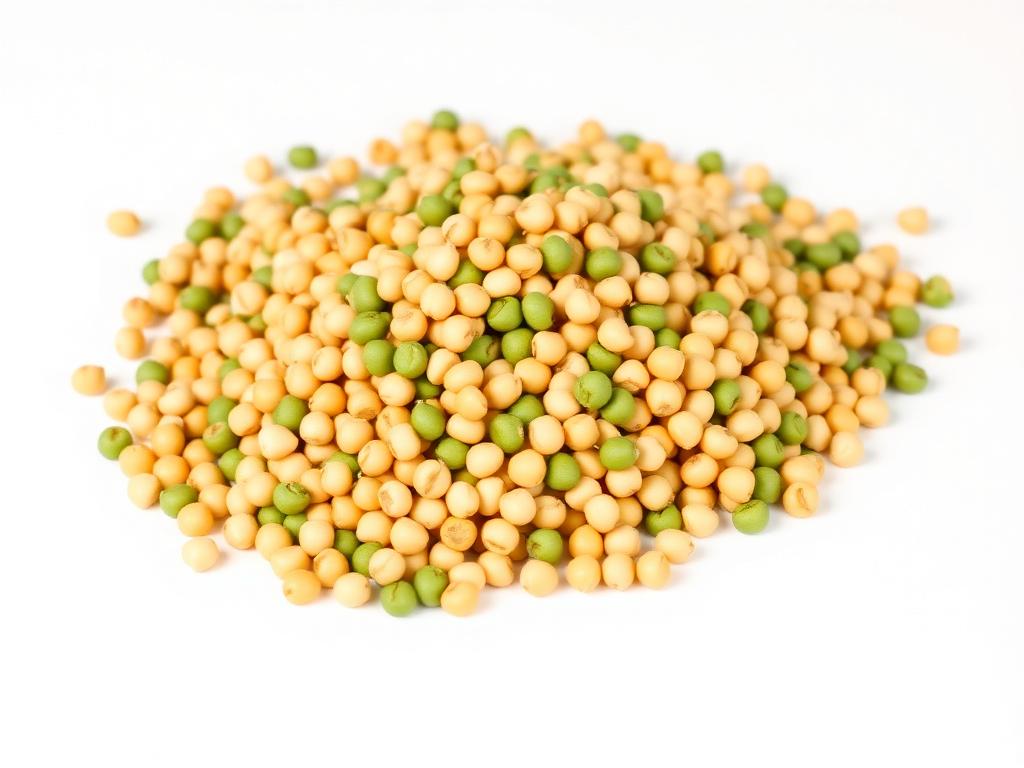
Dry Peas
Yellow and green field peas — whole or split, for food, feed and fractionation.
View product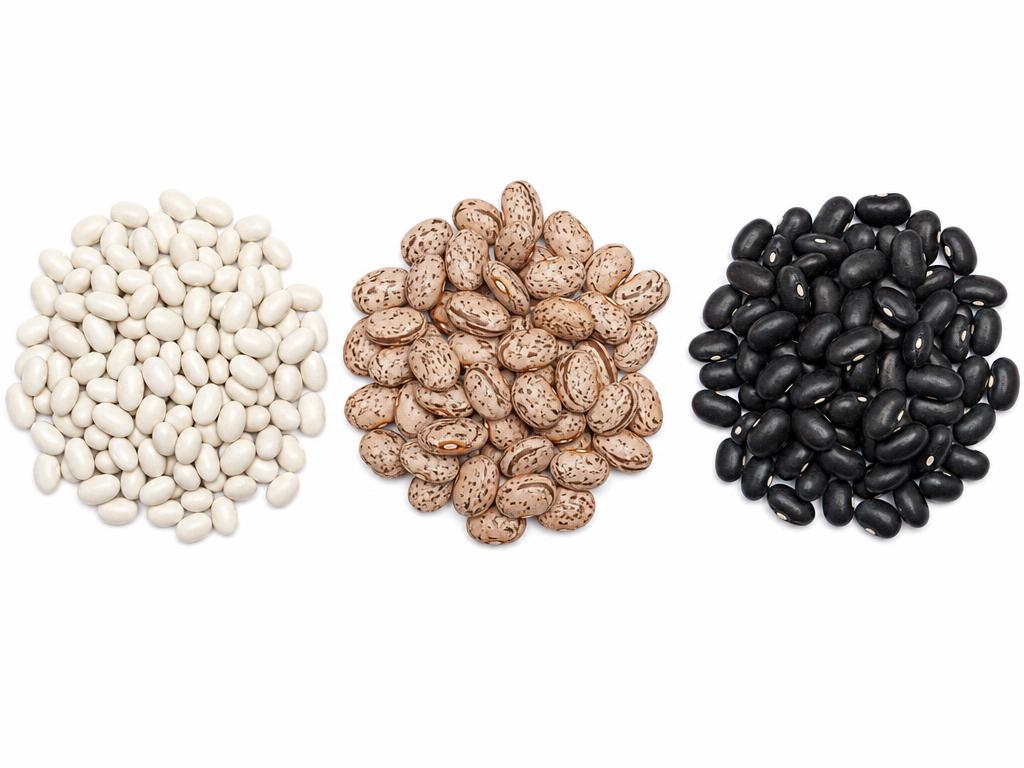
Dry Beans
Navy, pinto, black, kidney and great northern beans for canning and dry pack.
View product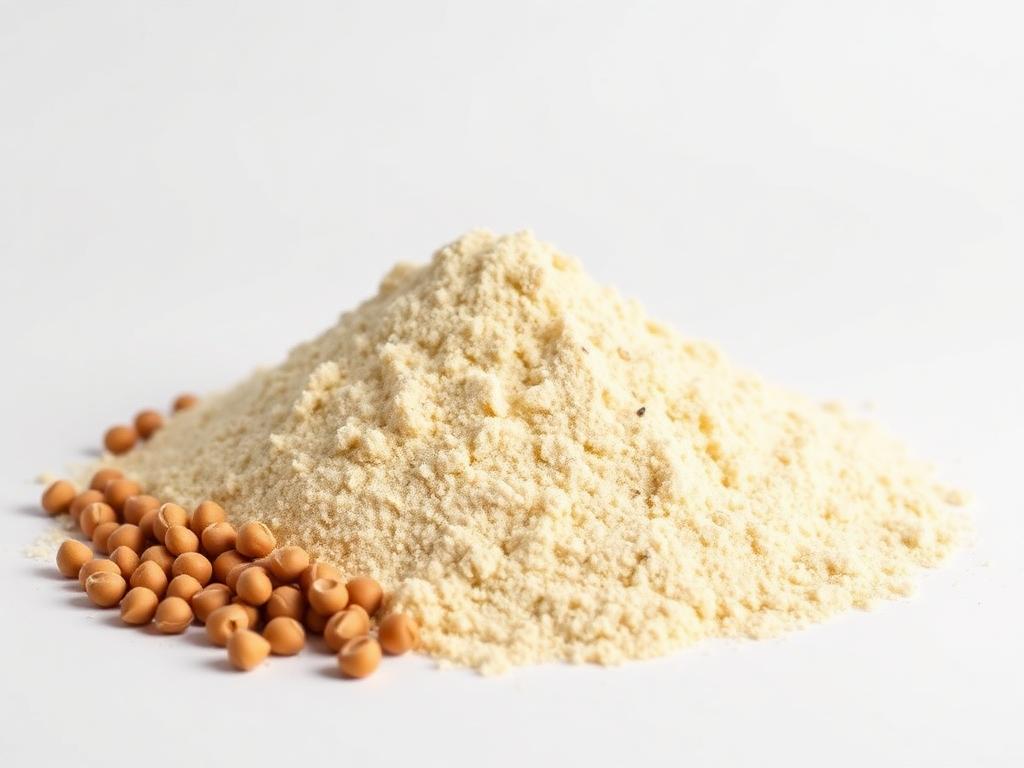
Pulse Flour
Pea, lentil, chickpea and faba flours milled to a defined particle specification.
View productReady to price Chickpeas?
Send the specification you already have — even a single line is enough to start. Attach a previous datasheet, tender document or purchase specification if you have one.