
Sodium Acid Pyrophosphate (SAPP) — Food Grade
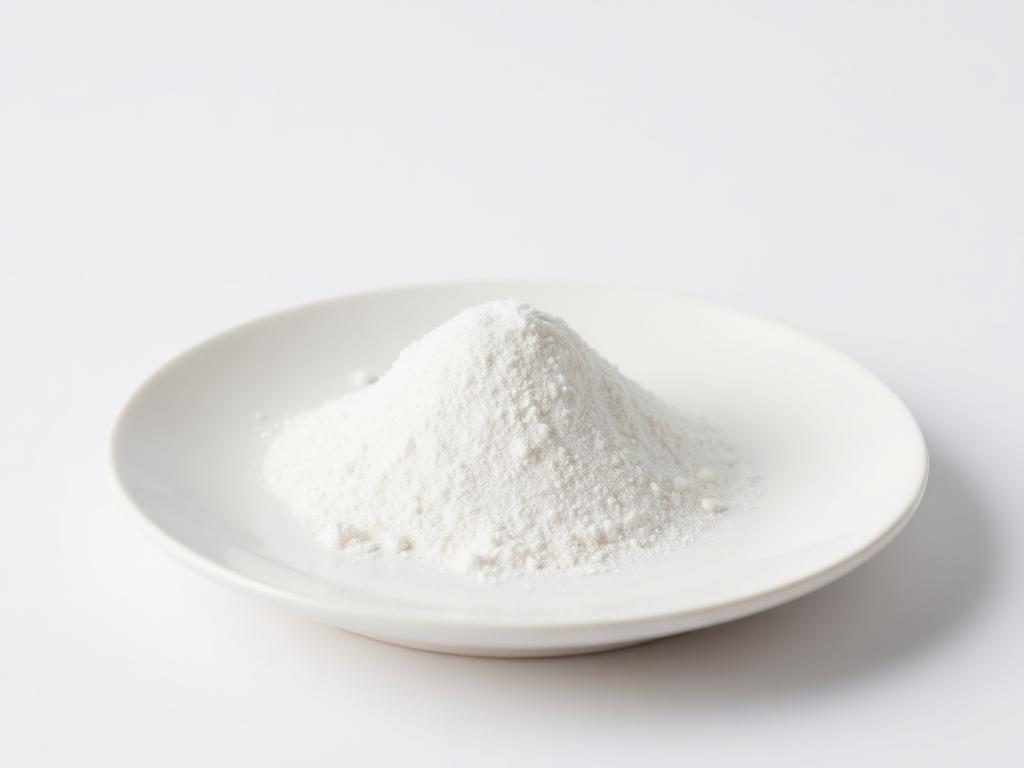
Allzone Trading supplies food grade sodium acid pyrophosphate (SAPP) to bakery, prepared food and potato processors in Ontario, Quebec and across Canada. SAPP is a leavening acid whose reaction rate is set by its grade, and it is also used to control after-cooking darkening in potato products. Grade and reaction rate are confirmed against supplier documentation at quotation.
At a glance
- Product
- Sodium Acid Pyrophosphate (SAPP)
- Grades
- Food Grade
- Typical applications
- Chemically leavened bakery products, cakes and pastry · Biscuits, cookies, doughnuts and pancake systems · Refrigerated and frozen doughs
- Packaging
- Packaging confirmed at quotation
- • Certificate of Analysis is provided against the confirmed shipment, grade and batch.
- • Manufacturer TDS and SDS are subject to grade and supplier confirmation and are available on request.
- • Grades, packaging and origin above are indicative sourcing options and are confirmed at quotation.
Available grades from container-direct sourcing
Food Grade
Specification confirmed against supplier technical data sheet at quotation.
Typical applications
- Chemically leavened bakery products, cakes and pastry
- Biscuits, cookies, doughnuts and pancake systems
- Refrigerated and frozen doughs
- Potato products and after-cooking darkening control
- Prepared and ready meals
Why Canadian buyers choose us
- Container-direct sourcing coordinated through our Ontario logistics partner
- Supplier documentation (TDS, SDS, COA) requested and shared before order confirmation
- Specifications confirmed in writing at quotation stage — no assumed values
- LTL and FTL freight across Ontario, Quebec and Western Canada
- Quantities reviewed per enquiry, from smaller lots to full container loads
Typical industries served
Material identity
Sodium acid pyrophosphate (SAPP) — identifiers and the names buyers use
- CAS
- 7758-16-9
- EC / EINECS
- 231-835-0
- Food additive number
- E450i / INS 450(i)
- Chemical formula
- Na2H2P2O7
Also searched as
Abbreviations
Industry terminology
Identifiers are published for material identification. The exact specification of any offered grade is confirmed against supplier documentation at quotation.
Buyer intent coverage
Sodium acid pyrophosphate (SAPP) — what it is, where it is used, how it is chosen
SAPP is the leavening acid whose entire value lies in its reaction rate: SAPP grades are distinguished by how much carbon dioxide they release at the bench versus in the oven, and the correct grade depends on how long the batter waits before baking. Ontario and Quebec commercial bakeries and prepared-food producers are its main Canadian users, and potato processors use it for colour protection in par-fried and refrigerated products.
Primary uses
- Releasing carbon dioxide at a controlled rate in chemical leavening
- Protecting potato products from grey discolouration
- Sequestering metal ions in food processing systems
- Adjusting texture in processed meat and seafood
Applications
- Cake mixes, doughnuts, pancakes and refrigerated dough
- Baking powder and self-rising flour
- Par-fried and refrigerated potato products
- Processed seafood and meat systems
- Industrial cleaning formulations
Advantages
- Reaction rate can be selected precisely to fit the production line
- Effective colour protection in potato processing
- Consistent, well-characterised leavening chemistry
- Available across a broad range of reaction rates
Limitations to consider
- Can leave a metallic or pyrophosphate note at high use levels
- Choosing the wrong reaction rate ruins volume or crumb structure
- Regulated as a phosphate additive with category limits
- Reaction rate specification differs between suppliers' naming conventions
How to choose the right grade
- Determine the bench time between mixing and baking, then choose the rate
- State the neutralising value used in your leavening balance
- Consider a blended leavening acid system for multi-stage processes
- Check flavour tolerance at the intended dose
Typical grades
- Fast-acting SAPP
- Medium-rate SAPP
- Slow-acting SAPP
- Coated grade
Comparable materials — how Sodium acid pyrophosphate (SAPP) sits against alternatives
- Monocalcium phosphate — fast bench action
- Sodium aluminium phosphate — slow, heat-triggered action
- Glucono-delta-lactone — slow acid with different flavour
- Cream of tartar — traditional leavening acid
Comparable-material reference. Grade selection is confirmed at RFQ against your process.
Procurement coverage
How to specify, order and receive Sodium acid pyrophosphate (SAPP)
Written for procurement, quality and technical buyers in Canada and the United States. No numeric price, MOQ, stock or lead-time value is published — those are confirmed per shipment in the quotation and against the confirmed batch.
How buyers specify at RFQ
- Reaction rate and neutralising value
- Assay, pH and particle size
- Heavy metals, fluoride and insolubles limits
- Coating where applicable
- Grade family and documentation required
Packaging options (industry-standard)
- Multi-wall paper or PP bag — the standard dry-ingredient format
- Jumbo / FIBC bulk bag for high-volume users
- Fibre drum or carton for oxygen- or moisture-sensitive grades
- Packaging options and available pack sizes are confirmed with each quotation.
Storage & handling
- Store sealed, dry, off the floor and away from strong odours
- Keep food, feed and technical grades physically segregated
- Rotate stock and re-close partial bags immediately after use
Documentation available
- Technical data sheet (TDS) for the exact grade offered
- Safety data sheet (SDS) in the format required for Canadian import
- Certificate of analysis (COA) against the confirmed production batch
- Allergen, non-GMO, Halal and Kosher statements where the grade supports them
- Documentation is confirmed per batch at quotation; availability depends on the grade and supplier offered.
RFQ checklist for sodium-acid-pyrophosphate-sapp-food-grade-canada
Include these fields to receive an accurate Canada-landed quotation
- Grade family and the end use it must be legal for (food, feed, technical)
- The specification parameters you actually control against, with test method
- Annual volume and expected per-shipment quantity
- Packaging format your plant can receive and handle
- Documentation and regulatory statements required per shipment
- Delivery province or port of discharge
- Protein system the phosphate must work in and the target yield
- Whether phosphate discharge limits apply at the site
- Required reaction rate and bench time
Technical & procurement detail
Functional role of sodium acid pyrophosphate (sapp)+
SAPP reacts with sodium bicarbonate to release carbon dioxide, and the proportion released before baking versus during baking is determined by the SAPP grade. In potato processing it chelates iron and prevents the grey discolouration that otherwise develops after cooking.
Reaction rate is the specification+
SAPP grades are distinguished by how quickly they react with bicarbonate. A fast grade in a system designed for a slow one gases off in the mixer and leaves a flat, coarse crumb; the reverse leaves leavening unreleased. State the grade or rate of reaction your formula was developed on rather than ordering SAPP generically.
Two different jobs in one product+
Bakery buys SAPP as a leavening acid; potato processors buy it as a chelating agent against after-cooking darkening. Both are legitimate uses of the same chemical, but the grade and dosage discussion is different, so tell us which application drives the enquiry.
Documentation and specification+
Functional values differ between producers and grades. Allzone confirms the applicable grade with the supplier before quoting and shares the technical data sheet and safety data sheet for the exact material offered, so the values you evaluate are the values you receive.
Frequently asked questions
Which SAPP grade do I need?+
It depends on how much gas your process needs before the oven. State your current grade or your target rate of reaction and the matching supplier grade will be requested.
Is SAPP the same as TSPP?+
No. Sodium acid pyrophosphate is acidic and used for leavening; tetrasodium pyrophosphate is alkaline and used for protein and dispersion functions. They are separate products.
What packaging is available?+
Packaging is confirmed with the supplier at quotation for the grade and quantity discussed.
Can I request a technical data sheet?+
Yes — the supplier technical data sheet and safety data sheet are shared for the exact grade quoted.
Can you deliver to Ontario and Quebec food plants?+
Yes. LTL and FTL freight is arranged across Ontario, Quebec and Western Canada, with container-direct supply for repeat volumes.
Technical knowledge for Sodium Acid Pyrophosphate SAPP Food Grade — Canada
Engineering and purchasing guidance written for this material — understand it, apply it, compare options, specify a grade, and fix production problems.
Foundation Articles
Related products
Materials commonly quoted alongside Sodium Acid Pyrophosphate (SAPP) by the same plants.

Sodium Hexametaphosphate (SHMP)
Threshold scale inhibition in water systems
Sodium Tripolyphosphate (STPP)
Meat and poultry brines, injection and marination
Tetrasodium Pyrophosphate (TSPP)
Meat, poultry and seafood processing brines and blends
Need a quote on Sodium Acid Pyrophosphate (SAPP)?
Request pricing, TDS/SDS and available documentation. We usually acknowledge enquiries within one business day; samples are subject to supplier availability and product classification.