
Protease — Feed Enzyme
Allzone Trading supplies feed grade protease to feed mills and premix producers in Ontario, Quebec and across Canada. Declared activity, pH optimum and thermostability differ between products and are confirmed against supplier documentation at quotation.
At a glance
- Product
- Protease
- Grades
- Feed Enzyme
- Typical applications
- Swine and poultry compound feed · Soybean-meal based diets · Amino acid matrix credit programmes
- Packaging
- Packaging confirmed at quotation
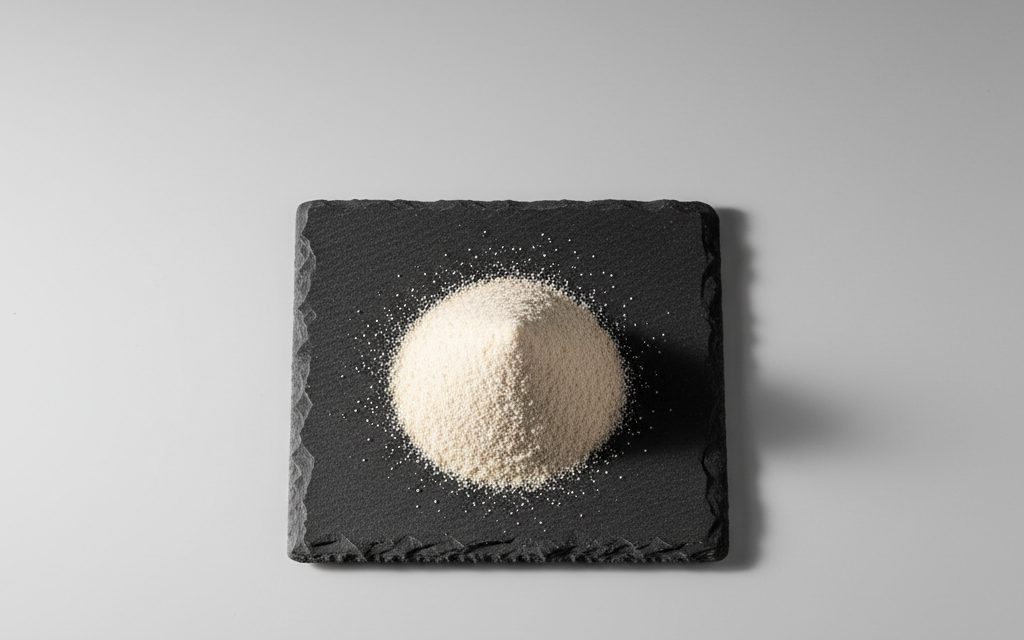
- • Certificate of Analysis is provided against the confirmed shipment, grade and batch.
- • Manufacturer TDS and SDS are subject to grade and supplier confirmation and are available on request.
- • Grades, packaging and origin above are indicative sourcing options and are confirmed at quotation.
Available grades from container-direct sourcing
Feed Enzyme
Specification confirmed against supplier technical data sheet at quotation.
Typical applications
- Swine and poultry compound feed
- Soybean-meal based diets
- Amino acid matrix credit programmes
- Enzyme premixes
Why Canadian buyers choose us
- Feed grade enquiries handled as a separate specification from food grade material
- Grade, physical form, carrier and documentation confirmed in writing before order confirmation
- Supplier technical data sheet and safety data sheet provided for the quoted grade
- LTL and FTL freight to feed mills and premix plants across Ontario, Quebec and Western Canada
- Quantities reviewed per enquiry, from smaller lots to full container loads
Typical industries served
Material identity
Protease (feed enzyme) — identifiers and the names buyers use
- Enzyme class
- Serine / alkaline protease
- Declared activity
- Supplier-specific protease units
- Presentation
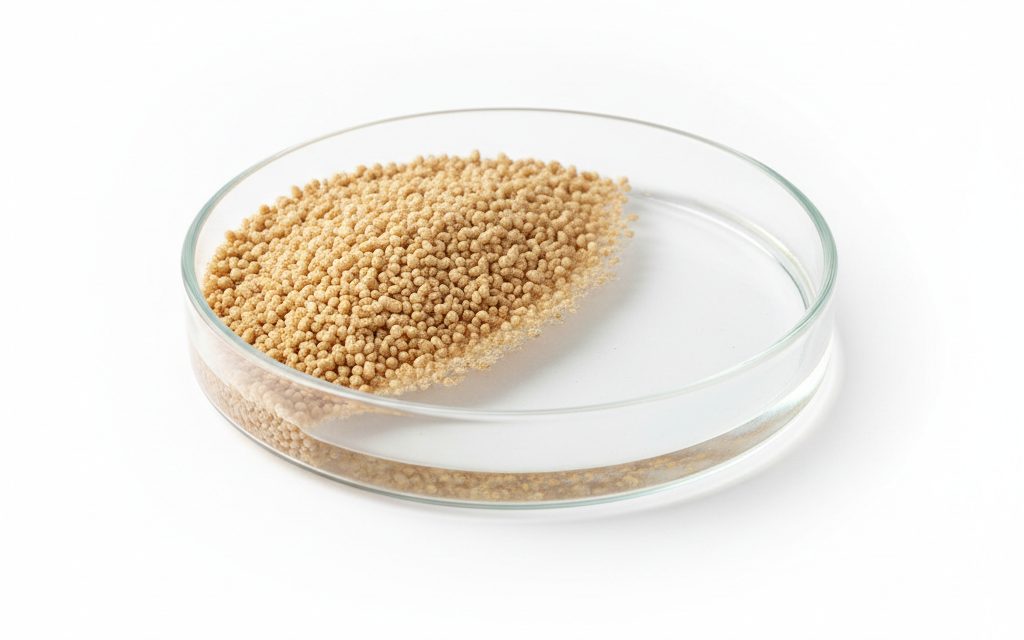
- Coated granulate, powder or liquid
Also searched as
Abbreviations
Industry terminology
Identifiers are published for material identification. The exact specification of any offered grade is confirmed against supplier documentation at quotation.
Buyer intent coverage
Protease (feed enzyme) — what it is, where it is used, how it is chosen
Feed protease is added where the formulator wants an amino acid or crude protein credit from vegetable protein sources, particularly in diets leaning on soybean meal, canola meal and DDGS. Canadian purchasing follows the poultry and swine integrators in Ontario and Quebec and the Prairie mills working with local canola co-products. Because protease credits are supplier-specific and interact with the amino acid programme, the enquiry should state the current amino acid specification.
Primary uses
- Improving protein and amino acid utilisation from vegetable meals
- Supporting amino acid matrix credits in least-cost formulation
- Addressing anti-nutritional protein factors in co-product diets
Applications
- Broiler, turkey and swine complete feeds
- Enzyme package and premix manufacture
- Post-pellet liquid application programmes
Advantages
- Complements the amino acid programme rather than replacing it
- Available as mono-component or in combination enzyme packages
- Coated grades designed to survive standard pelleting
Limitations to consider
- Activity units are not standardised across suppliers, so nominal figures cannot be compared directly
- Response depends heavily on the protein sources in the diet
- Matrix credits belong to the supplier's dossier and are not generic
How to choose the right grade
- State the vegetable protein sources and current amino acid specification
- Ask for the activity unit basis and assay method
- Decide between mono-component and combination products
- Buyers searching for an alternative or second-source supplier should state the incumbent specification they are matching, because a like-for-like comparison depends on declared content, physical form and documentation rather than on the material name alone.
Typical grades
- Coated granulate
- Powder for mash feeds
- Liquid for post-pellet application
Comparable materials — how Protease (feed enzyme) sits against alternatives
- Higher synthetic amino acid inclusion instead of an enzyme credit
- Combination enzyme packages including protease
Comparable-material reference. Grade selection is confirmed at RFQ against your process.
Procurement coverage
How to specify, order and receive Protease (feed enzyme)
Written for procurement, quality and technical buyers in Canada and the United States. No numeric price, MOQ, stock or lead-time value is published — those are confirmed per shipment in the quotation and against the confirmed batch.
How buyers specify at RFQ
- Declared activity units per gram and the assay method used to measure them
- Thermostability rating and the pelleting or conditioning window it covers
- Presentation — coated granulate, uncoated powder or liquid for post-pellet application
- Carrier identity, particle size and dust level for premix blending
- Recovery data after conditioning and after the intended storage period
- Protein sources and current amino acid specification
Packaging options (industry-standard)
- 25 kg bag or fibre drum — the usual micro-ingredient format
- Foil-lined or moisture-barrier packaging for hygroscopic and oxidation-sensitive actives
- Carton or pail for very low-inclusion actives handled by hand
- Packaging options and available pack sizes are confirmed with each quotation.
Storage & handling
- Store cool, dry and sealed; potency loss accelerates with heat and humidity
- Keep original moisture-barrier packaging closed until the blend is made
- Use first-in, first-out rotation and respect the declared retest or shelf-life date
- Keep away from heat sources and steam lines; activity loss is cumulative and irreversible
Documentation available
- Technical data sheet (TDS) stating the declared activity or potency and the assay method
- Safety data sheet (SDS) in the format required for Canadian import
- Certificate of analysis (COA) with the batch activity or potency result
- Stability and overage guidance for the intended pelleting or blending process
- Documentation is confirmed per batch at quotation; availability depends on the grade and supplier offered.
RFQ checklist for protease-feed-enzyme-canada
Include these fields to receive an accurate Canada-landed quotation
- Species, production stage and the feed type the ingredient goes into
- Whether the material is used straight at the mill or through a premix or concentrate
- Declared content, activity or potency your formulation matrix assumes
- Annual volume and expected per-shipment quantity
- Packaging format your intake system can receive and handle
- Documentation and feed-labelling statements required per shipment
- Delivery province or port of discharge
- Declared activity units and the assay standard used
- Pelleting or conditioning temperature and retention time at the mill
- Whether post-pellet liquid application equipment is available
- Vegetable protein sources in the diet
Technical & procurement detail
Functional role of protease in feed+
Supplemental protease improves the breakdown of dietary protein and helps degrade anti-nutritional proteins such as trypsin inhibitors and lectins in soybean products. The value shows as an amino acid matrix credit and as less undigested protein reaching the hindgut.
Specifying the grade+
Proteases differ in pH optimum, so a product suited to the acid stomach phase behaves differently from one active in the small intestine. State your protein sources, target matrix credit and processing temperature when requesting a quotation.
Documentation and specification+
Feed grade material is quoted against the specification your mill or premix formulation requires. Allzone confirms grade, declared content, physical form and any carrier or coating with the supplier before quoting, and shares the technical data sheet and safety data sheet for the exact material offered.
Frequently asked questions
Which protease suits my diet?+
Selection follows pH optimum, protein source and processing temperature; share these and the supplier confirms the appropriate product.
Is this quoted as feed grade material?+
Yes. Feed grade is quoted as a separate specification from food or technical grade, with its own documentation for the exact material offered.
What packaging is available?+
Packaging is confirmed with the supplier at quotation for the grade and quantity discussed.
Can you deliver to feed mills across Canada?+
Yes. LTL and FTL freight is arranged across Ontario, Quebec and Western Canada, with container-direct supply for repeat volumes.
Technical knowledge for Protease Feed Enzyme Supplier — Canada
Engineering and purchasing guidance written for this material — understand it, apply it, compare options, specify a grade, and fix production problems.
Foundation Articles
Application Guides
Related products
Materials commonly quoted alongside Protease by the same plants.
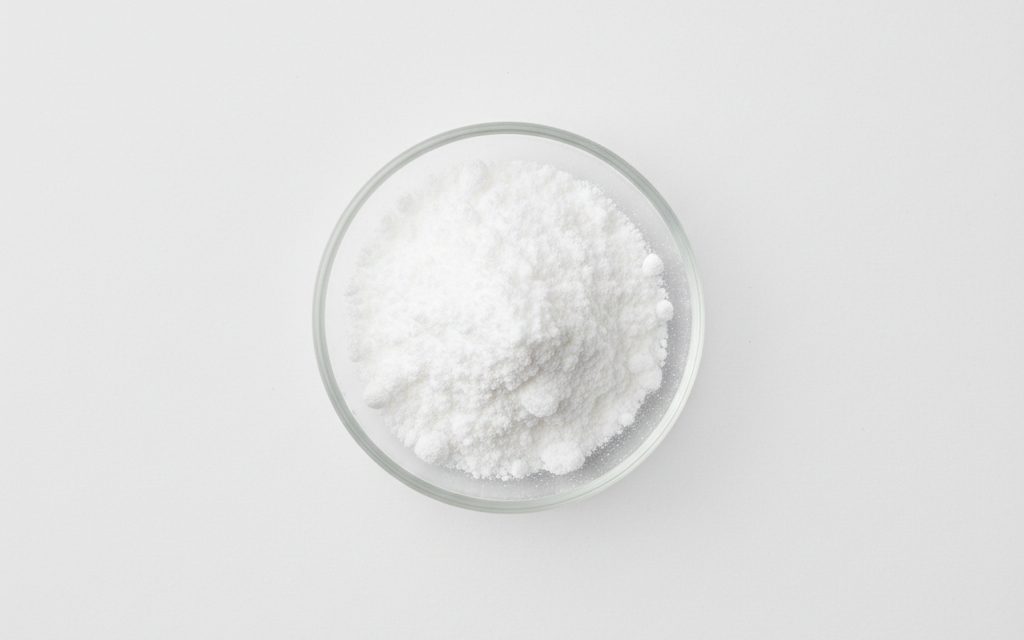
Silicon Dioxide (Feed Grade)
Anti-caking and free-flow agent — free-flow of compound feed and premixes
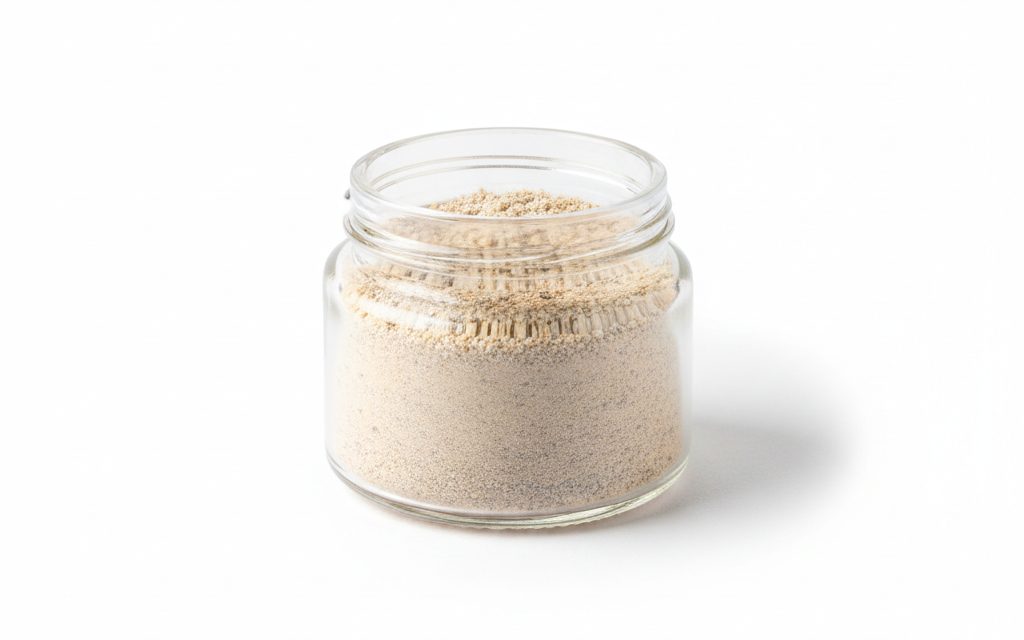
Bentonite
Mineral binder and carrier — free-flow of compound feed and premixes
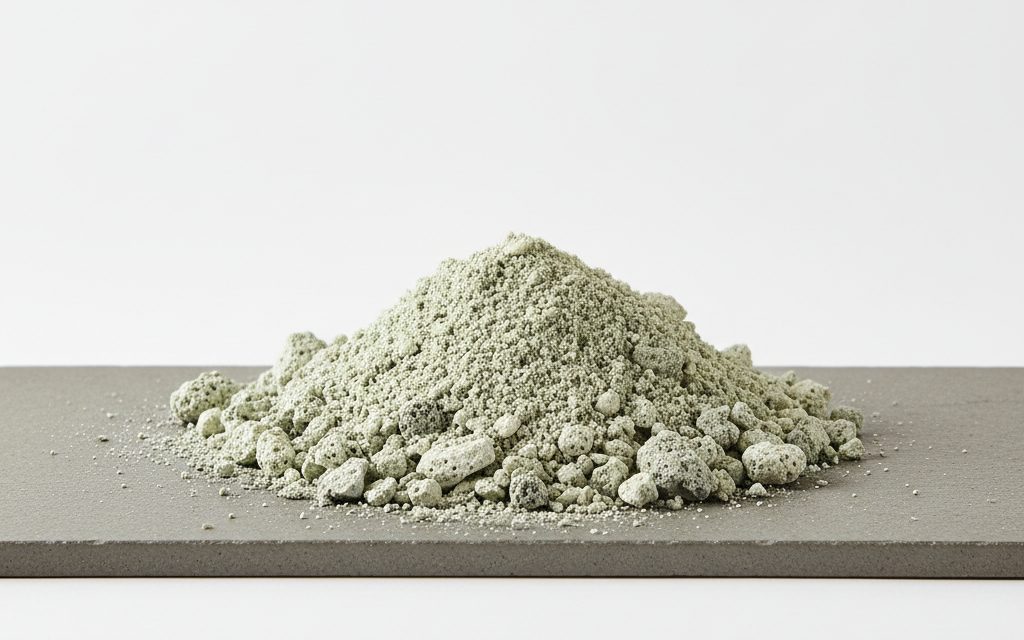
Zeolite
Anti-caking and free-flow agent — free-flow of compound feed and premixes
Need a quote on Protease?
Request pricing, TDS/SDS and available documentation. We usually acknowledge enquiries within one business day; samples are subject to supplier availability and product classification.