
Plaster Bandage — Support Shell & Mother Mould Material
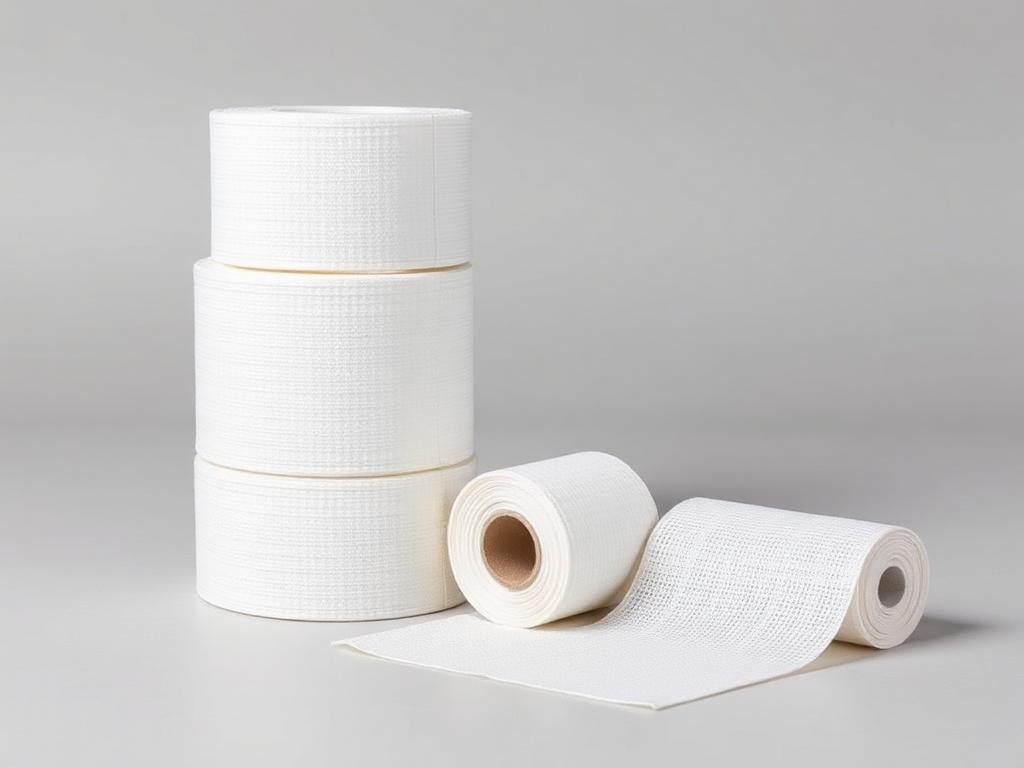
Allzone Trading supplies plaster bandage — gauze pre-impregnated with plaster — to lifecasting studios, sculpture workshops, prop shops and model makers across Canada. Dipped in water and laid in overlapping layers, it hardens into a light rigid shell that holds a flexible alginate or silicone negative in shape. Roll width, roll length, set speed and carton quantity are confirmed against supplier technical data at quotation.
At a glance
- Product
- Plaster Bandage
- Grades
- Confirmed at quotation
- Typical applications
- Support shells (mother moulds) over alginate and silicone negatives · Direct body casting shells in sculpture and effects work · Rapid rigid backing for large flexible moulds
- Packaging
- Packaging and pack size confirmed at quotation against the grade supplied
- • Certificate of Analysis is provided against the confirmed shipment, grade and batch.
- • Manufacturer TDS and SDS are subject to grade and supplier confirmation and are available on request.
- • Grades, packaging and origin above are indicative sourcing options and are confirmed at quotation.
Available grades from container-direct sourcing
Typical applications
- Support shells (mother moulds) over alginate and silicone negatives
- Direct body casting shells in sculpture and effects work
- Rapid rigid backing for large flexible moulds
- Repair, patching and reinforcement of plaster forms
- Scenic, display and exhibition fabrication
- Teaching and workshop mould making
Why Canadian buyers choose us
- Enquiries handled against your part, mould and process — not a fixed stock list
- Grade, working properties and mix data confirmed in writing before order confirmation
- Supplier technical data sheet and safety data sheet provided for the grade actually offered
- LTL and FTL freight to studios, precast plants, fabricators and distributors across Ontario, Quebec and Western Canada
- Quantities reviewed per enquiry, from trial kits through to pallet and container programmes
Typical industries served
Material identity
Plaster Bandage / Casting Tape — identifiers and the names buyers use
- Base chemistry
- Gypsum-impregnated gauze bandage
Also searched as
Industry terminology
Identifiers are published for material identification. The exact specification of any offered grade is confirmed against supplier documentation at quotation.
Buyer intent coverage
Plaster Bandage / Casting Tape — what it is, where it is used, how it is chosen
Plaster bandage is the fastest way to build a rigid shell over something flexible. Mould makers use it as the mother mould that holds a silicone or latex skin in its true shape while casting, life casters use it over alginate to make body shells, and prop and scenic shops use it for armature and shell work. It is bought by the roll and consumed quickly, so shops in Ontario and Quebec tend to buy it against a project schedule rather than as continuous stock.
Primary uses
- Support shell construction
- Rapid rigid backing
- Body shell and armature building
Applications
- Mother moulds and support shells over flexible rubber
- Body shells over alginate impressions
- Sculptural armature and shell building
- Scenic and prop shell fabrication
Advantages
- Builds a rigid shell in minutes with nothing more than water and hand pressure
- Works overhead and vertically, where poured plaster would simply run off
- Cheap enough per job that shells can be treated as consumables rather than tooling
Limitations to consider
- Shell strength is modest compared with a laminated composite mother mould, so heavy production moulds outgrow it
- Gypsum shells absorb water and stay damp, which matters if the shell is stored or reused
- Roll widths, lengths and set behaviour vary by supplier product and are read from their documentation
- Mix ratio, pot life, working time, demould time, full-cure schedule, hardness, tear strength, elongation, shrinkage, viscosity and temperature resistance are properties of one specific supplier system. They are never quoted here from memory or by analogy with a similar product; they are read from the supplier data sheet for the exact material offered and confirmed at quotation.
How to choose the right grade
- Start from the casting material and the number of parts the mould has to produce, because durability and detail pull in opposite directions
- Describe the pattern itself — its material, porosity, undercuts and whether it can be destroyed — since that decides the mould strategy before any product is chosen
- State the shop conditions the work happens in, including temperature, ventilation and whether the job is poured in a box or brushed on in place
- Decide whether the shell is a one-job support or something the shop expects to store and reuse
- Match roll width to the geometry — narrow strips follow detail, wide rolls build flat area faster
- Mould-making and casting behaviour depends on the pattern, the shop temperature and humidity, the mixing method and the operator. A production-representative trial on your own pattern and in your own shop conditions is the only honest way to qualify a material before a run is committed.
- Exact specification is confirmed against supplier documentation at quotation.
Typical grades
- Studio and art products used for shells, props and sculptural work
- Medical and orthopaedic products where the supplier designates that use
- Products differentiated by roll width and length as the supplier offers them
- Buyers search this category by grade name, and those names describe what the workshop needs rather than what is asserted here. Which grade a specific offer corresponds to, and what the supplier declares for it, is read from the technical documentation issued for the exact material quoted.
- Materials in this category interact: rubbers, releases, sealers, resins, pigments and fillers can inhibit cure, stain a surface or shorten mould life when they are combined outside the combinations the supplier has tested. State every material already in the process at enquiry so compatibility is checked against supplier documentation rather than discovered on the shop floor.
- Reactive materials age in the container, and moisture-sensitive systems age faster once opened. Order against real consumption rather than against a discount, and confirm the shelf life the supplier states for the exact product and pack.
Comparable materials — how Plaster Bandage / Casting Tape sits against alternatives
- Poured casting plaster where a heavier, harder shell is acceptable
- Fibreglass laminate where a durable production shell is needed
- Shops looking for an alternative, replacement or second-source supplier should state the incumbent product, the supplier system currently approved and the property being matched. Equivalence on family name alone is not equivalence in production: cure profile, surface behaviour, colour and release characteristics all shift between sources, so a side-by-side trial is planned before a changeover.
Comparable-material reference. Grade selection is confirmed at RFQ against your process.
Procurement coverage
How to specify, order and receive Plaster Bandage / Casting Tape
Written for procurement, quality and technical buyers in Canada and the United States. No numeric price, MOQ, stock or lead-time value is published — those are confirmed per shipment in the quotation and against the confirmed batch.
How buyers specify at RFQ
- The exact product identity and supplier system the shop needs, including the component set for a multi-part system
- The process it will be used in, and the equipment used to mix, pour, spray or apply it
- The pattern, mould or substrate it will contact, and every other material already in that process
- The properties the supplier must declare on the data sheet for your application
- The documentation set required before the material can enter production
- Exact specification is confirmed against supplier documentation at quotation.
Packaging options (industry-standard)
- Bag formats are the usual option for powders and dry blends
- Bulk bag (FIBC) formats are used by producers running continuous volume
- Smaller pails or boxes are used where the material is dosed in small quantities
- Packaging options and available pack sizes are confirmed with each quotation.
Storage & handling
- Store sealed, dry and off the floor; humidity swings change the behaviour of powders and dry blends
- Segregate from incompatible chemistry and protect from contamination by other powders in the shop
- Control dust at transfer points in line with the safety data sheet for the product
- Rotate stock by receipt date and record the lot used against each production batch
- Canadian winter transport and storage matter here: several materials in this category thicken, crystallise, freeze or lose performance at low temperature, and recovery behaviour after freezing is product-specific. Confirm cold-weather handling and shop conditioning guidance against the supplier documentation before a winter delivery.
- This category includes reactive chemistry, respirable mineral dust, peroxides and solvent-borne products. Ventilation, personal protection, segregated storage and disposal requirements come from the safety data sheet for the exact product and from the requirements of the provincial regulator for your site.
Documentation available
- Technical data sheet (TDS) for the exact product offered, stating working properties as the supplier declares them
- Safety data sheet (SDS) in the format required for Canadian import, in English and French where the receiving site requires it
- Certificate of analysis (COA) or batch documentation where the supplier issues it for the confirmed lot
- Handling, mixing and storage instructions issued by the supplier for the exact system
- Test reports or conformity statements where the project specification requires them and the supplier issues them
- Documentation is confirmed per batch at quotation; availability depends on the grade and supplier offered.
- Ask for the documentation pack against the exact product at the enquiry stage rather than after the order. Documentation availability differs by supplier and by manufacturing site, and in this category the data sheet is the only place where the working properties of a system are legitimately stated.
RFQ checklist for plaster-bandage-casting-tape-canada
Include these fields to receive an accurate Canada-landed quotation
- The exact product or supplier system required, and the incumbent it is replacing where there is one
- The process, equipment and shop conditions the material will be used in
- Volume per order and expected annual usage, so the offer is built on real consumption
- Pack format your shop or plant can physically receive and handle
- Documentation required before the material can be used in production
- Delivery province or receiving location in Canada
- The casting material the mould will be used with, and the expected number of pulls
- The pattern material and whether it is porous, sealed or single-use
- Whether the job is poured, brushed, sprayed or applied in situ
- Landed cost in Canada is driven by pack format, delivery province and receiving arrangements as much as by unit price, and dense mineral products and dilute liquids both carry weight that is not function. Quotations are compared delivered to your shop or plant rather than ex-works.
Technical & procurement detail
What plaster bandage is+
Plaster bandage is an open-weave gauze carrying dry plaster. Water activates the plaster; the gauze holds it in place while it sets, so a thin, light, rigid shell can be built in minutes without mixing or pouring bulk plaster. In mould making its job is structural rather than cosmetic: it does not record detail, it stops a soft negative from moving.
How it is used in professional workflows+
Strips are cut to length, dipped briefly in clean water, drawn between two fingers to remove excess, then laid in overlapping layers across the flexible mould. Three or more crossing layers are typical, with extra strips on edges, flanges and registration keys. Once rigid, the shell and the flexible negative are removed together, and the shell is used to support the negative during casting.
Selecting width, length and set speed+
Narrow rolls conform better to fingers, faces and undercuts; wider rolls cover torsos and large panels faster. Faster setting grades suit small shells and experienced crews; slower grades give more time to position layers on large work. Roll length determines how much is consumed per shell and therefore the pack format that makes sense for your studio.
Handling and clean-up+
Plaster sets by hydration and generates warmth during set, which is why direct application against skin is planned deliberately and never with unbroken enclosure of a limb. Waste water carries plaster fines and should not be poured into drains. Rolls are kept sealed and dry; ambient moisture reduces performance before use.
Specification options+
Working properties are configurable options within this canonical product, not separate products. Depending on the family, that can include grade, viscosity, mix ratio, pot life and demould time, hardness, colour, particle size or fibre length, and pack format. No configuration is presented as stocked or approved until it is confirmed against the supplier's technical data for the exact material offered. Supplier grade names, factory codes and manufacturer brands are not published here.
What to include in your enquiry+
Send the roll widths and lengths you use, the set speed you prefer, the type of shell you build, your monthly consumption and the carton quantity you buy in.
Frequently asked questions
What is plaster bandage used for in mould making?+
It builds the rigid support shell — the mother mould — that holds a flexible alginate or silicone negative in its correct shape while the positive is cast.
How many layers are needed?+
It depends on the size and weight of the negative. Small shells are commonly built with three or more crossing layers, with additional reinforcement at edges and keys. Build thickness to the load, not to a fixed number.
Can it be applied directly to skin?+
Direct body shells are a standard studio technique, but plaster warms as it sets, so application is planned with a barrier and release, never as an unbroken enclosure around a limb. Follow the supplier's handling guidance for the grade supplied.
Which roll width should be ordered?+
Narrow rolls conform to complex shapes such as hands and faces; wider rolls cover torsos and panels faster. Many studios buy both. State the work type and typical shell size and the widths are confirmed at quotation.
Is it a substitute for casting plaster?+
No. Bandage builds thin structural shells. Solid positives and dense mould bodies are cast from casting plaster or alpha gypsum.
Are technical documents provided before ordering?+
Yes. The supplier technical data sheet and safety data sheet for the exact grade offered are provided with the quotation, and the working properties in those documents govern — not any general description on this page.
What quantities are quoted?+
Quantities are reviewed per enquiry, from trial quantities through to pallet and full container programmes for production users and distributors.
Technical knowledge for Plaster Bandage Supplier — Mould Support | Canada
Engineering and purchasing guidance written for this material — understand it, apply it, compare options, specify a grade, and fix production problems.
Comparison Articles
Related products
Materials commonly quoted alongside Plaster Bandage by the same plants.
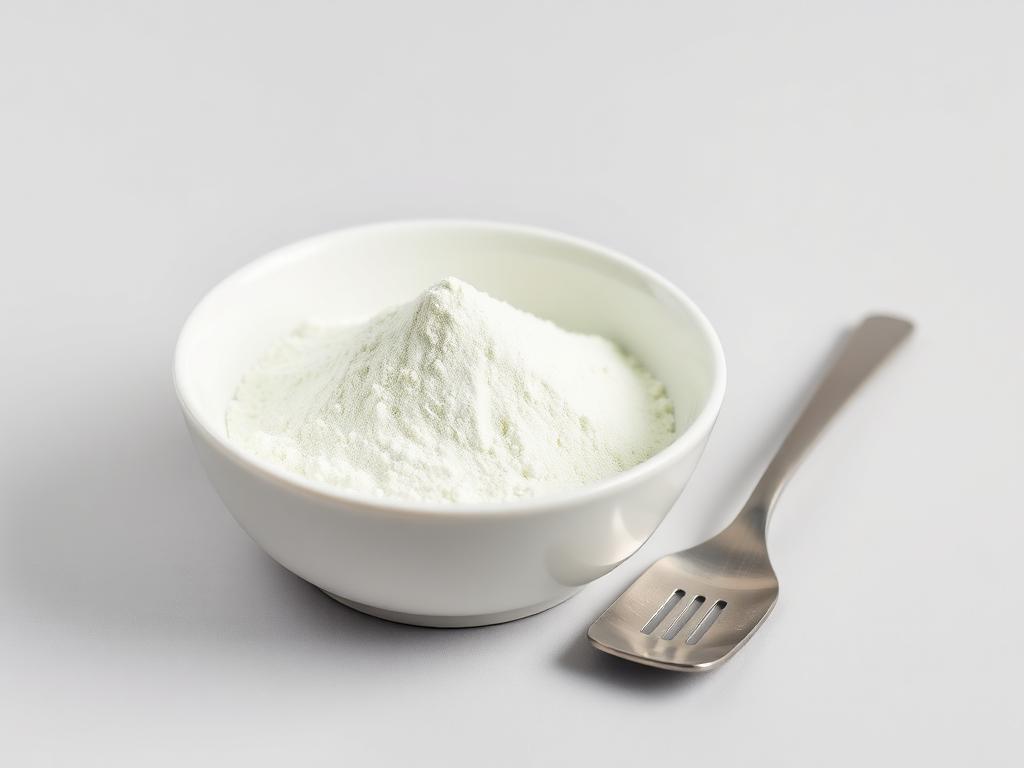
Moulding Alginate
Hand, face and torso lifecasting for sculpture and portrait work
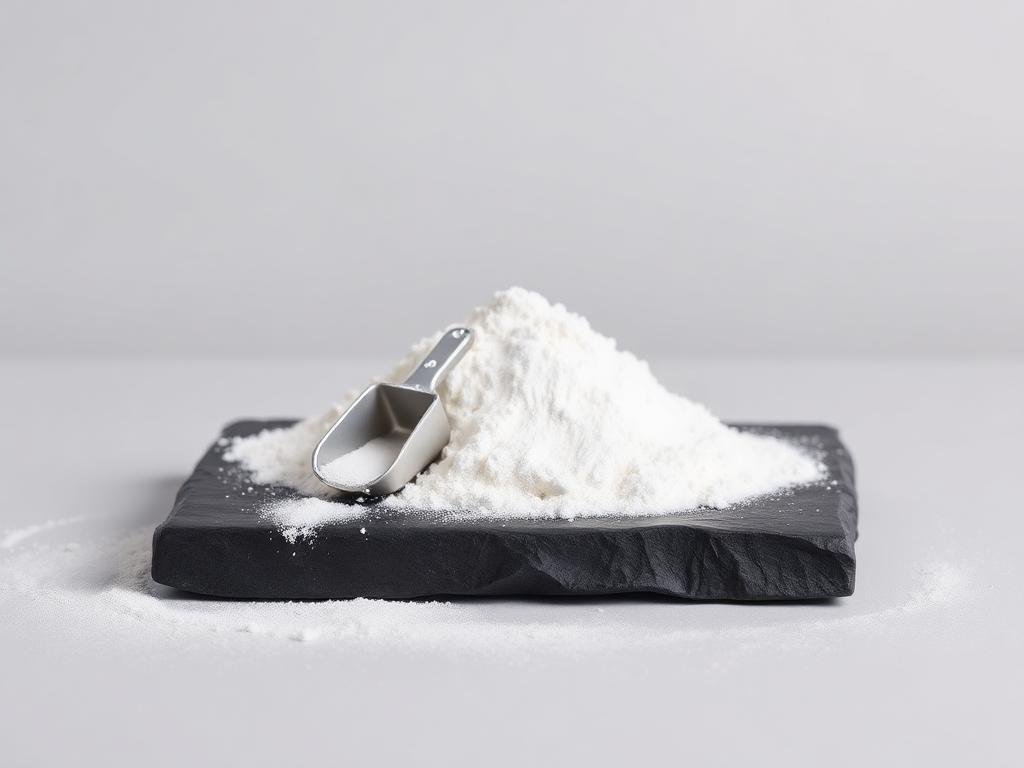
Casting Plaster
Slip casting moulds for ceramic and tableware production
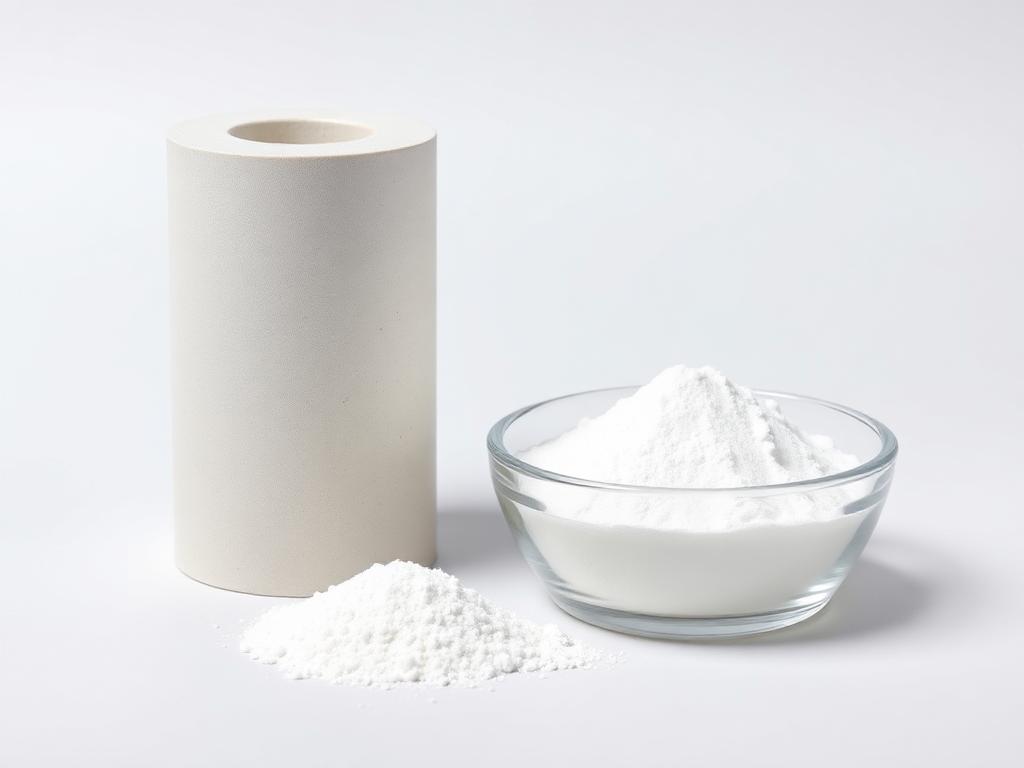
Alpha Gypsum
Hard, detailed positives cast from silicone and alginate negatives

Tin Cure Silicone Mould Rubber
Production moulds for cast stone, concrete and GFRC elements
Need a quote on Plaster Bandage?
Request pricing, TDS/SDS and available documentation. We usually acknowledge enquiries within one business day; samples are subject to supplier availability and product classification.