
Maltodextrin — Food Grade
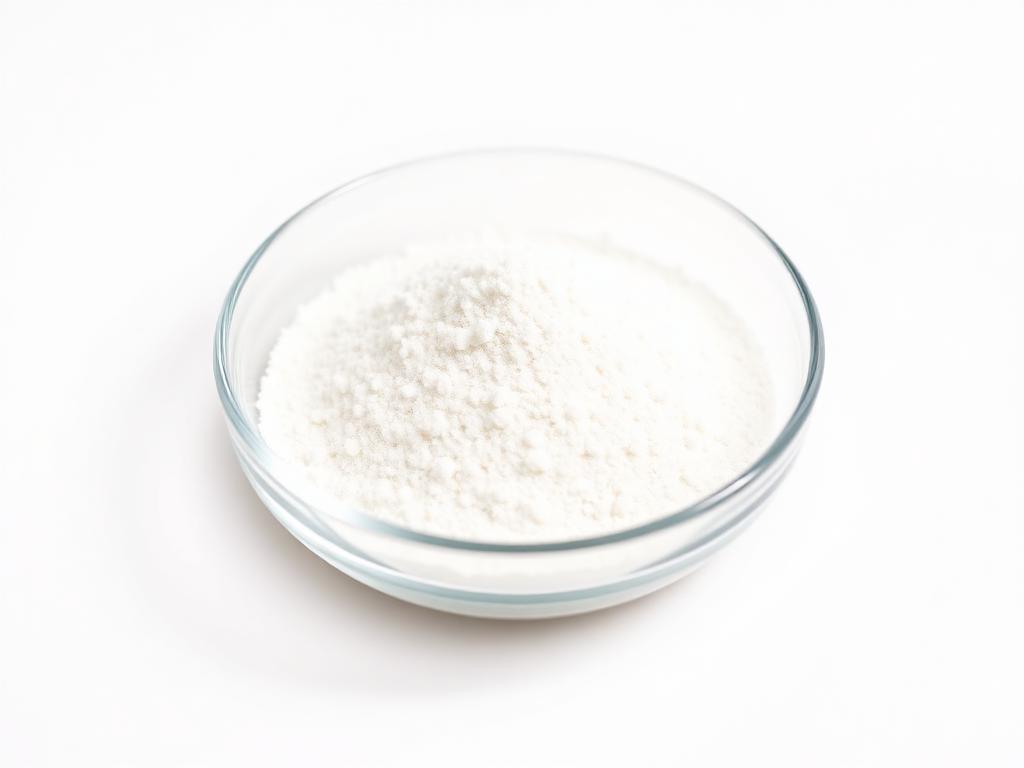
Allzone Trading supplies food grade maltodextrin to food, sauce, seasoning and beverage manufacturers in Ontario, Quebec and across Canada. Maltodextrin is a starch hydrolysate used as a carrier, bulking agent and texture builder. Dextrose equivalent (DE), botanical source and solubility differ between grades and are confirmed against supplier documentation at quotation.
At a glance
- Product
- Maltodextrin
- Grades
- Food Grade
- Typical applications
- Sauces, gravies and dry seasoning blends · Soup, ready-meal and prepared-food powders · Spray-dried flavour, colour and fat carriers
- Packaging
- Packaging confirmed at quotation
- • Certificate of Analysis is provided against the confirmed shipment, grade and batch.
- • Manufacturer TDS and SDS are subject to grade and supplier confirmation and are available on request.
- • Grades, packaging and origin above are indicative sourcing options and are confirmed at quotation.
Available grades from container-direct sourcing
Food Grade
Specification confirmed against supplier technical data sheet at quotation.
Typical applications
- Sauces, gravies and dry seasoning blends
- Soup, ready-meal and prepared-food powders
- Spray-dried flavour, colour and fat carriers
- Beverage and nutritional powders
- Bakery, confectionery and coating systems
Why Canadian buyers choose us
- Container-direct sourcing coordinated through our Ontario logistics partner
- Supplier documentation (TDS, SDS, COA) requested and shared before order confirmation
- Specifications confirmed in writing at quotation stage — no assumed values
- LTL and FTL freight across Ontario, Quebec and Western Canada
- Quantities reviewed per enquiry, from smaller lots to full container loads
Typical industries served
Material identity
Maltodextrin — identifiers and the names buyers use
- CAS
- 9050-36-6
- Definition
- Starch hydrolysate below DE 20
- Common sources
- Corn, tapioca, wheat, potato
Also searched as
Abbreviations
Industry terminology
Identifiers are published for material identification. The exact specification of any offered grade is confirmed against supplier documentation at quotation.
Buyer intent coverage
Maltodextrin — what it is, where it is used, how it is chosen
Maltodextrin is defined by its dextrose equivalent: low-DE grades bulk, film and carry with little sweetness, higher-DE grades dissolve faster and taste sweeter. Almost every specification argument about maltodextrin is really a DE and source argument. It is one of the highest-tonnage ingredients in Ontario and Quebec food manufacturing — beverage powders, seasoning blends, dairy and bakery — and a standard carrier in Greater Toronto Area supplement and premix production.
Primary uses
- Carrying flavours, colours and actives in spray-dried powders
- Bulking dry mixes and reduced-sugar systems
- Providing rapidly available carbohydrate in sports nutrition
- Controlling texture, film formation and freeze behaviour
Applications
- Beverage powders and instant drink bases
- Seasoning, soup and sauce dry blends
- Spray-dried flavour and fat powders
- Sports and clinical nutrition products
- Confectionery, bakery and dairy systems
Advantages
- Highly versatile across carrying, bulking and texture roles
- Neutral flavour at low DE, so it does not distort formulations
- Available from several botanical sources for labelling and allergen needs
- Cost-efficient bulk carbohydrate with reliable supply
Limitations to consider
- DE grades are not interchangeable; hygroscopicity and sweetness change with DE
- High glycaemic profile conflicts with some product positioning
- Wheat-source grades raise allergen declaration questions
- Higher-DE grades cake more readily in humid conditions
How to choose the right grade
- Fix the DE range first — it determines nearly all functional behaviour
- Choose the botanical source on allergen, non-GMO and labelling grounds
- Set solubility, bulk density and particle size for your process
- Confirm agglomerated grades where instant dispersion is needed
Typical grades
- DE 4–7 low
- DE 9–12 standard
- DE 15–19 high
- Agglomerated / instant
- Tapioca or non-GMO corn source
Comparable materials — how Maltodextrin sits against alternatives
- Dextrose — higher sweetness, fully hydrolysed
- Glucose syrup solids — higher DE, different behaviour
- Resistant dextrin — fibre-counting bulking alternative
- Native starches — texture without hydrolysis
Comparable-material reference. Grade selection is confirmed at RFQ against your process.
Procurement coverage
How to specify, order and receive Maltodextrin
Written for procurement, quality and technical buyers in Canada and the United States. No numeric price, MOQ, stock or lead-time value is published — those are confirmed per shipment in the quotation and against the confirmed batch.
How buyers specify at RFQ
- Dextrose equivalent range and botanical source
- Moisture, pH and sulphur dioxide limits
- Bulk density and particle size
- Solubility and dispersion behaviour
- Allergen, non-GMO statements and documentation required
Packaging options (industry-standard)
- Multi-wall paper or PP bag — the standard dry-ingredient format
- Jumbo / FIBC bulk bag for high-volume users
- Fibre drum or carton for oxygen- or moisture-sensitive grades
- Packaging options and available pack sizes are confirmed with each quotation.
Storage & handling
- Store sealed, dry, off the floor and away from strong odours
- Keep food, feed and technical grades physically segregated
- Rotate stock and re-close partial bags immediately after use
Documentation available
- Technical data sheet (TDS) for the exact grade offered
- Safety data sheet (SDS) in the format required for Canadian import
- Certificate of analysis (COA) against the confirmed production batch
- Allergen, non-GMO, Halal and Kosher statements where the grade supports them
- Documentation is confirmed per batch at quotation; availability depends on the grade and supplier offered.
RFQ checklist for maltodextrin-food-grade-canada
Include these fields to receive an accurate Canada-landed quotation
- Grade family and the end use it must be legal for (food, feed, technical)
- The specification parameters you actually control against, with test method
- Annual volume and expected per-shipment quantity
- Packaging format your plant can receive and handle
- Documentation and regulatory statements required per shipment
- Delivery province or port of discharge
- Required DE range
- Botanical source and allergen constraints
Technical & procurement detail
Functional role of maltodextrin+
Maltodextrin is a partially hydrolysed starch made up of short glucose chains. It dissolves readily, contributes bulk and mouthfeel with little sweetness, carries flavours, colours and fats through spray drying, and controls the flow and dispersion of dry blends.
Dextrose equivalent decides behaviour+
A low-DE maltodextrin behaves as a bulking and body-building carbohydrate with almost no sweetness; a high-DE grade is more soluble, more hygroscopic and mildly sweet. Substituting one DE band for another is the usual reason a reformulated sauce or powder changes viscosity or caking behaviour. State the DE your formulation was developed on so the matching grade is quoted.
Botanical source matters to the label+
Maltodextrin is produced from corn, tapioca, wheat or potato starch depending on the producer. Where the ingredient declaration, allergen statement or customer specification requires a particular source, state it in the enquiry and the supplier documentation confirming the source will be requested with the quotation.
Documentation and specification+
Functional values differ between producers and grades. Allzone confirms the applicable grade with the supplier before quoting and shares the technical data sheet and safety data sheet for the exact material offered, so the values you evaluate are the values you receive.
Frequently asked questions
Which DE grade should I request?+
It depends on whether you need bulk and body (lower DE) or solubility and mild sweetness (higher DE). State your application and the DE your process was built on and the matching grade will be requested.
Can you supply non-corn maltodextrin?+
Source availability differs by producer. Tell us the botanical source your specification requires and it will be confirmed in supplier documentation before quotation.
What packaging is available?+
Packaging is confirmed with the supplier at quotation for the grade and quantity discussed.
Can I request a technical data sheet?+
Yes — the supplier technical data sheet and safety data sheet are shared for the exact grade quoted.
Can you deliver to Ontario and Quebec food plants?+
Yes. LTL and FTL freight is arranged across Ontario, Quebec and Western Canada, with container-direct supply for repeat volumes.
Technical knowledge for Maltodextrin Food Grade Supplier — Canada
Engineering and purchasing guidance written for this material — understand it, apply it, compare options, specify a grade, and fix production problems.
Foundation Articles
Related products
Materials commonly quoted alongside Maltodextrin by the same plants.
Need a quote on Maltodextrin?
Request pricing, TDS/SDS and available documentation. We usually acknowledge enquiries within one business day; samples are subject to supplier availability and product classification.