
D-Mannitol — Food Grade
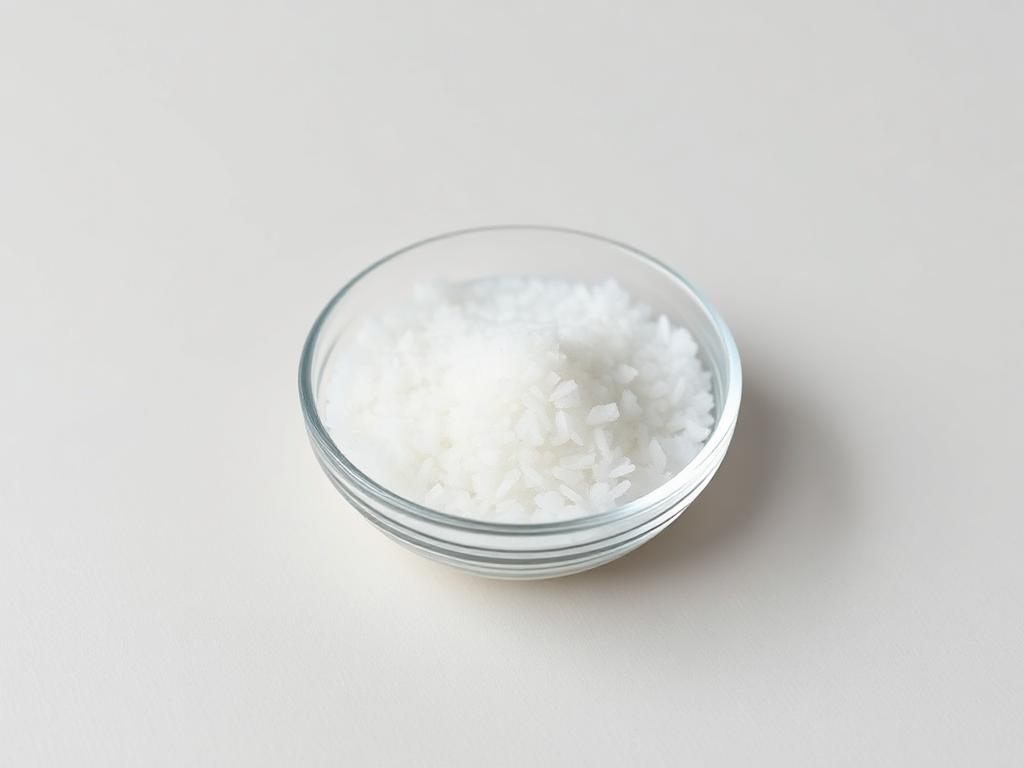
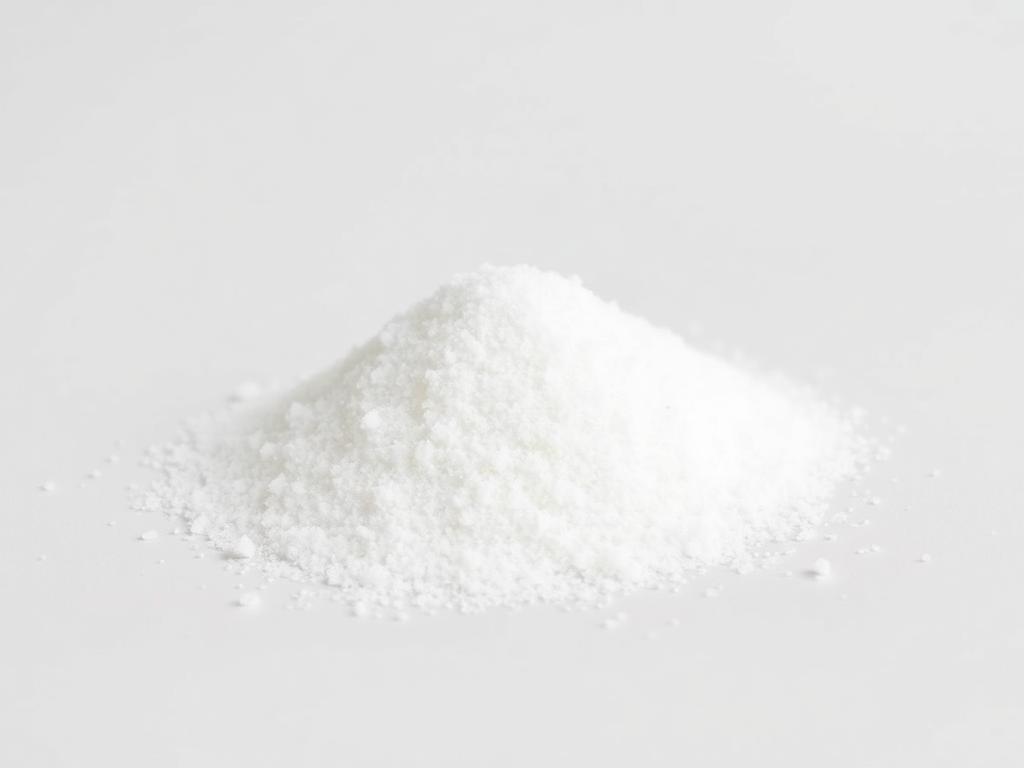
Allzone Trading supplies D-Mannitol as a white crystalline powder or granules to manufacturers and formulators in Canada and international B2B markets. Also referenced as Mannitol, E421, D-mannite. D-Mannitol is a crystalline polyol (sugar alcohol) with a clean, mildly sweet taste, a strong negative heat of solution that produces a cooling sensation, and very low hygroscopicity compared with most other polyols. It is used as a bulk sweetener, a non-caking dusting and anti-sticking agent, and a direct-compression bulking ingredient.
At a glance
- Product
- D-Mannitol
- Grades
- Food Grade
- Typical applications
- Chewable and dispersible tablet bases · Sugar-free confectionery and chewing gum dusting · Powder and sachet formulations requiring low moisture pickup
- Packaging
- Packaging confirmed at quotation
- • Certificate of Analysis is provided against the confirmed shipment, grade and batch.
- • Manufacturer TDS and SDS are subject to grade and supplier confirmation and are available on request.
- • Grades, packaging and origin above are indicative sourcing options and are confirmed at quotation.
Available grades from container-direct sourcing
Food Grade
Assay, physical form and documentation confirmed against supplier technical data sheet at quotation.
Typical applications
- Chewable and dispersible tablet bases
- Sugar-free confectionery and chewing gum dusting
- Powder and sachet formulations requiring low moisture pickup
- Bulk sweetening in reduced-sugar systems
Why Canadian buyers choose us
- Grade, physical form and assay confirmed in writing against supplier documentation before order confirmation
- Technical data sheet, safety data sheet and certificate of analysis requested for the exact material offered
- Specification-led sourcing — no assumed values, no substituted grades
- Export documentation and destination-appropriate paperwork reviewed per enquiry
- Quantities reviewed per enquiry, from sample lots through to full commercial volumes
Typical industries served
Technical & procurement detail
What D-Mannitol is and what it does+
D-Mannitol is a crystalline polyol (sugar alcohol) with a clean, mildly sweet taste, a strong negative heat of solution that produces a cooling sensation, and very low hygroscopicity compared with most other polyols. It is used as a bulk sweetener, a non-caking dusting and anti-sticking agent, and a direct-compression bulking ingredient.
Low hygroscopicity is the reason to choose it+
Where sorbitol or maltitol would pick up moisture and cause tackiness or caking, mannitol stays free flowing. That property, not sweetness, is usually why a formulation specifies it — so a cost-driven swap to another polyol often reintroduces the exact handling problem mannitol was chosen to solve.
Granulated and powdered grades are not interchangeable+
Direct-compression granulated grades, spray-dried grades and milled powders differ in flow, compressibility and dissolution. A tablet formulation validated on a granular grade will not behave the same on a milled powder. Send the grade descriptor and particle distribution your process is validated on.
Digestive tolerance and labelling are formulation constraints+
Polyols carry consumption-level labelling requirements in several markets, and tolerance limits are set by the finished-product serving, not by the ingredient. Confirm the labelling position for your destination market and finished-product category before fixing the inclusion level.
What to put in your specification review+
State the grade type and particle distribution, the assay and reducing-sugar limits you release against, heavy metal and microbiological limits, whether direct-compression performance is required, and the destination market and finished-product category.
Storage and handling summary+
Keep the material sealed, dry, off the floor and away from heat, direct light and strong odours, and re-close partial containers immediately. Confirm the declared shelf life, the storage temperature the shelf life is based on and any re-test interval against the documentation issued for the exact lot supplied.
What is confirmed at RFQ, and what is never assumed+
Allzone Trading is a Canadian B2B sourcing and supply company. Exact grade, specification, packaging, origin, minimum order quantity, lead time, suitability for your application, pricing and supporting documents are confirmed during RFQ review and quotation. Nothing on this page should be read as an offer of a specific grade, potency, certification or availability. The workflow is RFQ, then Allzone customer specification review, then written customer approval, then quotation, then order.
Regulatory status is destination-specific+
Permitted use, permitted level and required labelling for this material differ by country, by product category and by intended claim. Allzone does not represent that the material is approved for your application in your market. Tell us the destination market and the finished-product category, and the available supplier documentation is provided so your regulatory team can complete its own assessment.
Documentation and specification+
Assay, particle size, solvent residue, microbiological limits and heavy-metal limits differ between producers and grades. Allzone confirms the applicable specification with the supplier before quoting and shares the technical data sheet, safety data sheet and certificate of analysis for the exact material offered, so the values you evaluate are the values you receive.
Frequently asked questions
What documentation is provided?+
The supplier technical data sheet, safety data sheet and certificate of analysis for the exact grade quoted. Additional documentation such as allergen, GMO or origin statements is requested where the supplier can support it.
What quantities can be quoted?+
Quantities are reviewed per enquiry, from sample and trial lots through to commercial volumes. Availability, pack size and commercial terms are confirmed at quotation, not before.
Technical knowledge for D-Mannitol Supplier — Food Grade | Allzone Trading
Engineering and purchasing guidance written for this material — understand it, apply it, compare options, specify a grade, and fix production problems.
Foundation Articles
Related products
Materials commonly quoted alongside D-Mannitol by the same plants.
Need a quote on D-Mannitol?
Request pricing, TDS/SDS and available documentation. We usually acknowledge enquiries within one business day; samples are subject to supplier availability and product classification.