
Malic Acid
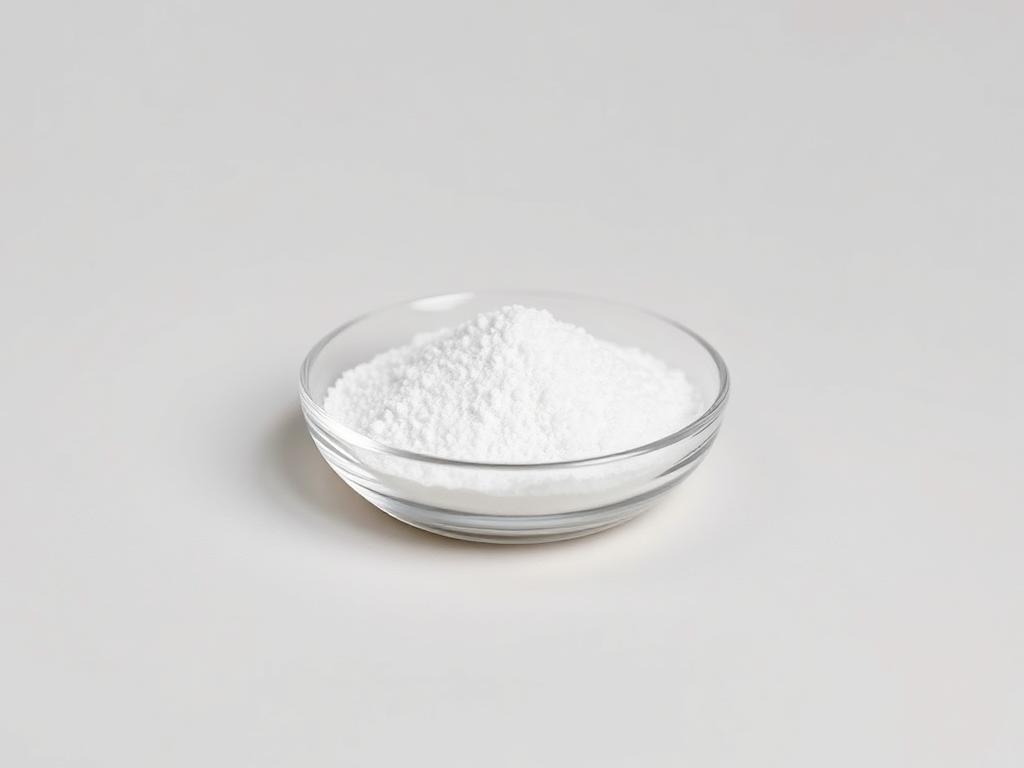
Allzone Trading supplies malic acid to food and beverage manufacturers in Ontario, Quebec and across Canada. Malic acid is used as an acidulant and flavour-modifying ingredient. The applicable grade and documentation are confirmed against supplier technical data sheets at quotation.
At a glance
- Product
- Malic Acid
- Grades
- Grade confirmed at quotation
- Typical applications
- Beverages and drink powders · Confectionery and sour candy · Bakery fillings and fruit preparations
- Packaging
- Crystalline powder or granular — typical 25 kg bags (confirmed at quotation)
- • Certificate of Analysis is provided against the confirmed shipment, grade and batch.
- • Manufacturer TDS and SDS are subject to grade and supplier confirmation and are available on request.
- • Grades, packaging and origin above are indicative sourcing options and are confirmed at quotation.
Available grades from container-direct sourcing
Grade confirmed at quotation
Food-grade malic acid (crystalline powder / granular) is quoted and confirmed against the supplier technical data sheet.
Typical applications
- Beverages and drink powders
- Confectionery and sour candy
- Bakery fillings and fruit preparations
- Savoury seasonings and sauces
- Nutritional and supplement blends
Why Canadian buyers choose us
- Food-grade and industrial-grade enquiries handled as separate specifications
- Grade, concentration and documentation confirmed in writing before order confirmation
- Supplier technical data sheet and safety data sheet provided for the quoted grade
- Freight arranged across Ontario, Quebec and Western Canada
- Quantities reviewed per enquiry, from small lots to container loads
Material identity
Malic acid (DL-malic acid) — identifiers and the names buyers use
- CAS (DL)
- 6915-15-7
- CAS (L)
- 97-67-6
- Food additive number
- E296 / INS 296
- Chemical formula
- C4H6O5
Also searched as
Abbreviations
Industry terminology
Identifiers are published for material identification. The exact specification of any offered grade is confirmed against supplier documentation at quotation.
Buyer intent coverage
Malic acid (DL-malic acid) — what it is, where it is used, how it is chosen
Malic acid is a dry crystalline acidulant with a slower, longer-lasting sourness than citric acid, which is why beverage and confectionery formulators reach for it when a sour note has to persist through the swallow. It is also common in effervescent supplement bases. Demand in Canada is spread across Ontario and Quebec beverage and confectionery production and the Greater Toronto Area supplement sector, where powdered drink and effervescent formats dominate.
Primary uses
- Extending and shaping tartness in beverages and confectionery
- Masking bitterness and off-notes in high-intensity sweetener systems
- Providing acid function in effervescent and powdered drink bases
- Chelating metals to support colour and flavour stability
Applications
- Still and carbonated beverage, and powdered drink mixes
- Sour candy, gummies and coatings
- Effervescent tablets and supplement powders
- Fruit preparations, jams and fillings
- Savoury seasonings and snack coatings
Advantages
- Longer-lasting sourness at equivalent dose than citric acid
- Blends well with high-intensity sweeteners to soften aftertaste
- Low hygroscopicity relative to several other dry acids
- Available in particle sizes suited to coating, tabletting and dry blending
Limitations to consider
- Costs more per unit of acidity than citric acid
- DL and L forms differ in cost, source narrative and sometimes labelling
- Slower dissolution than fine citric in cold liquid systems
- Not a preservative — antimicrobial support comes only through pH depression
How to choose the right grade
- Decide between DL and L form on labelling and cost grounds before comparing offers
- Match particle size to the process — fine for dry blends, granular for tabletting and coating
- Model the acid blend rather than buying malic in isolation
- Confirm the compendial or food-grade reference expected by your customer
Typical grades
- DL food grade fine
- DL food grade granular
- L-malic food grade
- Compendial-referenced grade
Comparable materials — how Malic acid (DL-malic acid) sits against alternatives
- Citric acid — cheaper, brighter and faster-dissolving
- Tartaric acid — sharper and more astringent
- Fumaric acid — the most cost-efficient acidity, but poorly soluble in cold water
- Lactic acid — softer dairy-type sourness in liquid systems
Comparable-material reference. Grade selection is confirmed at RFQ against your process.
Procurement coverage
How to specify, order and receive Malic acid (DL-malic acid)
Written for procurement, quality and technical buyers in Canada and the United States. No numeric price, MOQ, stock or lead-time value is published — those are confirmed per shipment in the quotation and against the confirmed batch.
How buyers specify at RFQ
- Optical form and assay
- Particle size distribution
- Residue on ignition, heavy metals and fumaric acid content
- Packaging and pallet configuration
- Documentation and label statements required
Packaging options (industry-standard)
- Multi-wall paper or PP bag — the standard dry-ingredient format
- Jumbo / FIBC bulk bag for high-volume users
- Fibre drum or carton for oxygen- or moisture-sensitive grades
- Packaging options and available pack sizes are confirmed with each quotation.
Storage & handling
- Store sealed, dry, off the floor and away from strong odours
- Keep food, feed and technical grades physically segregated
- Rotate stock and re-close partial bags immediately after use
Documentation available
- Technical data sheet (TDS) for the exact grade offered
- Safety data sheet (SDS) in the format required for Canadian import
- Certificate of analysis (COA) against the confirmed production batch
- Allergen, non-GMO, Halal and Kosher statements where the grade supports them
- Documentation is confirmed per batch at quotation; availability depends on the grade and supplier offered.
RFQ checklist for malic-acid-canada
Include these fields to receive an accurate Canada-landed quotation
- Grade family and the end use it must be legal for (food, feed, technical)
- The specification parameters you actually control against, with test method
- Annual volume and expected per-shipment quantity
- Packaging format your plant can receive and handle
- Documentation and regulatory statements required per shipment
- Delivery province or port of discharge
- DL or L form
- Particle size for your dosing method
Technical & procurement detail
Where malic acid is used+
Malic acid is used as an acidulant where a specific acid profile and flavour impact are required, particularly in beverages and confectionery. Selection is usually made by sensory evaluation against the finished product target.
Malic acid alongside other acidulants+
Malic acid is frequently compared with citric and tartaric acid during formulation. Share your target profile and we will provide the technical data sheets so the comparison is made on confirmed supplier data.
How specifications are confirmed+
Allzone does not publish assumed purity, concentration or certification values. The grade, specification and documentation are confirmed in writing against supplier technical data sheets before an order is placed. Request the technical data sheet for the exact grade under consideration.
Frequently asked questions
Can I request a technical data sheet?+
Yes — request the technical data sheet and the supplier document for the quoted grade will be provided.
How does malic acid compare with citric acid?+
They deliver different acid profiles and behave differently in a formulation. Share your application and the relevant technical data sheets will be provided so you can compare them against your own trials.
Do you deliver malic acid across Ontario and Quebec?+
Yes. Freight is arranged across Ontario, Quebec and Western Canada, and the delivery method is confirmed with the quotation.
Is a food-grade specification available?+
Food-grade requirements are quoted against food-grade specifications, confirmed with the supplier before order confirmation.
Technical knowledge for Malic Acid Supplier — Canada
Engineering and purchasing guidance written for this material — understand it, apply it, compare options, specify a grade, and fix production problems.
Foundation Articles
Related products
Materials commonly quoted alongside Malic Acid by the same plants.
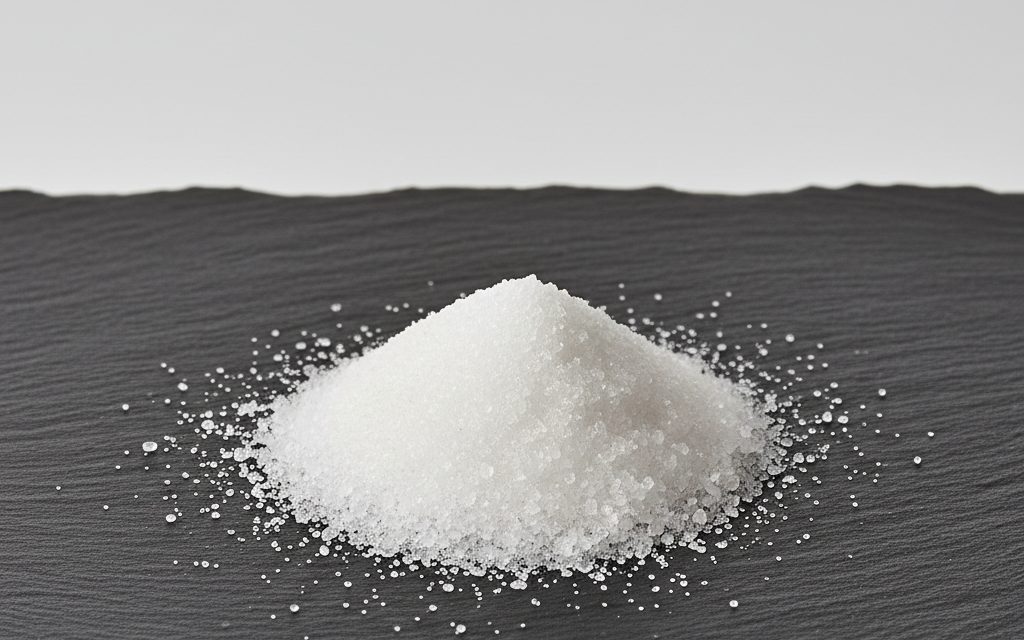
Citric Acid Anhydrous & Monohydrate
Organic acid / acidulant — carbonated and still beverages — acidity regulator
Acetic Acid
Organic acid / acidulant — pH adjustment in process water and formulations
Phosphoric Acid
Mineral acid — acidification and pH control in process streams
Need a quote on Malic Acid?
Request pricing, TDS/SDS and available documentation. We usually acknowledge enquiries within one business day; samples are subject to supplier availability and product classification.