
Potassium Citrate
Allzone Trading supplies potassium citrate to beverage, dairy and prepared-food manufacturers in Ontario, Quebec and across Canada. Potassium citrate is used as a buffering salt and acidity regulator, and as a potassium source where a sodium reduction target rules out sodium citrate. Grade, physical form and documentation are confirmed against supplier technical data sheets at quotation.
At a glance
- Product
- Potassium Citrate
- Grades
- Grade confirmed at quotation
- Typical applications
- Beverage pH buffering and acidity regulation · Sodium-reduced formulations requiring a potassium salt · Dairy and processed cheese buffering systems
- Packaging
- 25 kg bags
- • Certificate of Analysis is provided against the confirmed shipment, grade and batch.
- • Manufacturer TDS and SDS are subject to grade and supplier confirmation and are available on request.
- • Grades, packaging and origin above are indicative sourcing options and are confirmed at quotation.
Available grades from container-direct sourcing
Grade confirmed at quotation
Grade, physical form and specification are quoted and confirmed against the supplier technical data sheet before any order is placed.
Typical applications
- Beverage pH buffering and acidity regulation
- Sodium-reduced formulations requiring a potassium salt
- Dairy and processed cheese buffering systems
- Sports and electrolyte drink formulation
Why Canadian buyers choose us
- Container-direct sourcing coordinated through our Ontario logistics partner
- Supplier documentation (TDS, SDS, COA) requested and shared before order confirmation
- Specifications confirmed in writing at quotation stage — no assumed values
- LTL and FTL freight across Ontario, Quebec and Western Canada
- Quantities from single 25 kg bags to full container loads
Material identity
Potassium citrate — identifiers and the names buyers use
- CAS
- 6100-05-6 (monohydrate)
- E number
- E332
- Formula
- K3C6H5O7
Also searched as
Abbreviations
Industry terminology
Identifiers are published for material identification. The exact specification of any offered grade is confirmed against supplier documentation at quotation.
Buyer intent coverage
Potassium citrate — what it is, where it is used, how it is chosen
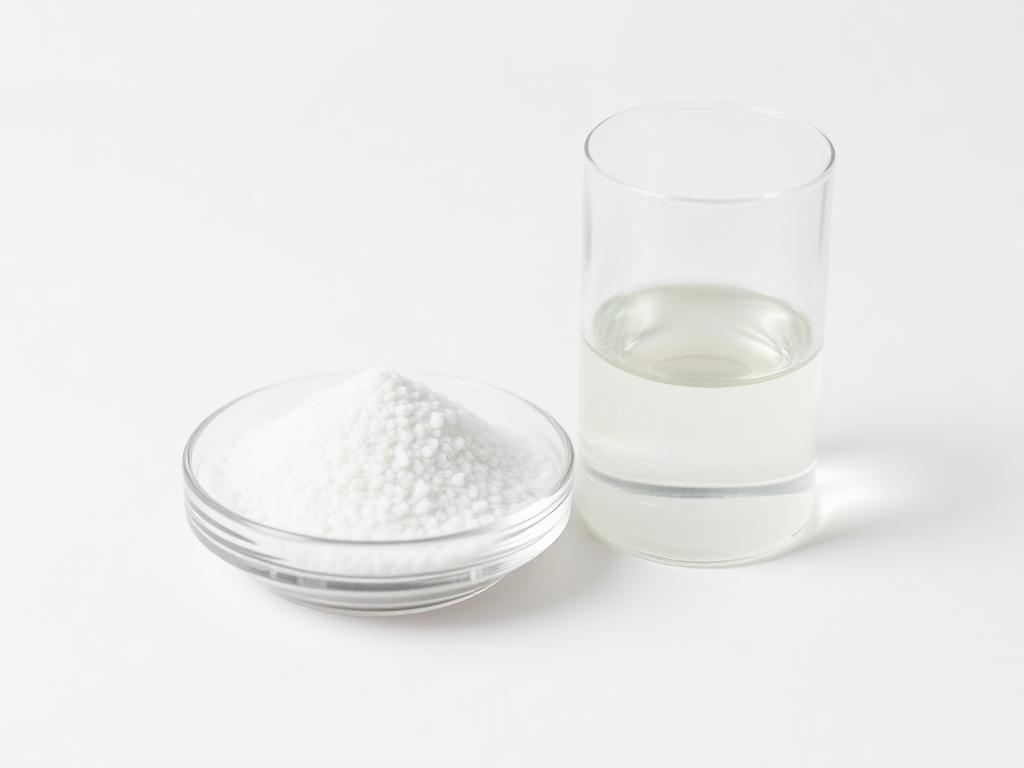
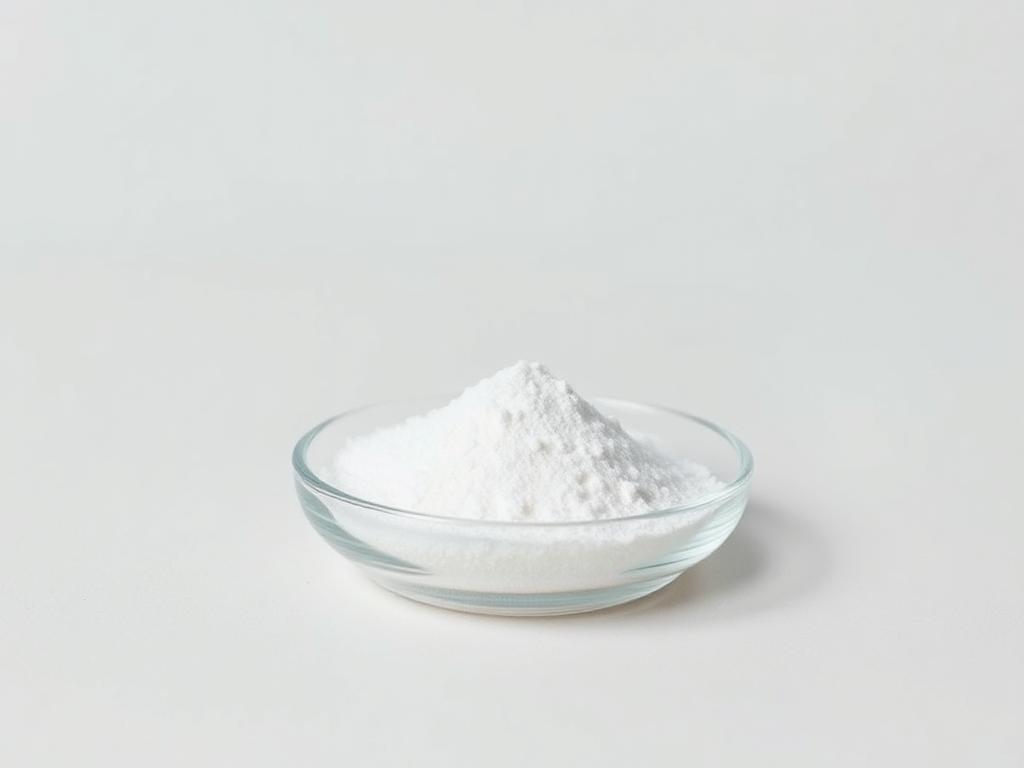
Potassium citrate is the tripotassium salt of citric acid, supplied as a white granular or fine powder that dissolves readily in water. It buffers pH in the mildly acidic to neutral range, chelates metal ions and contributes potassium without sodium, which is why beverage, dairy, processed-cheese and nutrition formulators reach for it when a sodium-reduction target or a stable buffer system is the real problem to solve.
Primary uses
- Buffer and pH control in beverages, dairy and liquid nutrition
- Sodium replacement in reduced-sodium formulations
- Sequestering trace metals that trigger oxidation or haze
- Potassium fortification in electrolyte and clinical nutrition products
Applications
- Sports, electrolyte and functional beverages
- Processed cheese and dairy blends as an emulsifying-salt component
- Meat and poultry brines where potassium replaces part of the sodium load
- Pharmaceutical and nutraceutical formulations requiring a potassium source
- Industrial cleaning and metal-treatment chemistry as a chelating salt
Advantages
- Buffers effectively across the beverage pH window without adding sodium
- High water solubility, so it dissolves in cold batching without a pre-slurry
- Chelates iron and copper traces that would otherwise accelerate oxidation
- Compatible with citric acid systems already in most acid-beverage lines
Limitations to consider
- Hygroscopic — exposed granular material cakes in humid plant conditions
- Contributes a perceptible salty-bitter note at high inclusion rates
- Potassium load must be reviewed against nutritional and clinical limits
How to choose the right grade
- Decide whether the formulation needs buffering, chelation or potassium fortification — the target drives the grade
- Match particle size to your dosing system: fine powder for dry blends, granular for free-flowing volumetric feeders
- Confirm the monohydrate versus anhydrous basis before converting a recipe
- Review the pharmacopoeial standard your customer expects (food, USP or EP class)
Typical grades
- Food grade, granular
- Food grade, fine powder
- Pharmaceutical / pharmacopoeial grade
- Technical grade for industrial chelation
Comparable materials — how Potassium citrate sits against alternatives
- Sodium citrate where sodium is not restricted
- Potassium phosphate buffers where a phosphate system is acceptable
- Potassium chloride for potassium contribution without buffering
Comparable-material reference. Grade selection is confirmed at RFQ against your process.
Procurement coverage
How to specify, order and receive Potassium citrate
Written for procurement, quality and technical buyers in Canada and the United States. No numeric price, MOQ, stock or lead-time value is published — those are confirmed per shipment in the quotation and against the confirmed batch.
How buyers specify at RFQ
- Assay on the dried basis and moisture content
- Monohydrate or anhydrous form
- Particle-size distribution or mesh specification
- Heavy-metal and microbiological limits
- Pharmacopoeial or food-grade compliance standard
Packaging options (industry-standard)
- 25 kg multi-wall paper bag with a moisture barrier — the standard dry-ingredient format
- FIBC bulk bag for high-volume beverage and dairy plants
- Packaging options and available pack sizes are confirmed with each quotation.
Storage & handling
- Store sealed in a dry area; the material picks up ambient moisture once opened
- Keep away from strong acids and oxidisers in the raw-material store
- Rotate stock by batch so the COA on file matches the material in use
Documentation available
- Technical data sheet (TDS) for the offered grade
- Safety data sheet (SDS) in the format required for Canadian import
- Certificate of analysis (COA) against the confirmed batch
- Allergen, non-GMO, Halal and Kosher statements where the grade supports them
- Documentation is confirmed per batch at quotation; availability depends on the grade and supplier offered.
RFQ checklist for potassium-citrate-canada
Include these fields to receive an accurate Canada-landed quotation
- Application and target function (buffer, chelant or potassium source)
- Grade and pharmacopoeial standard required
- Particle size or mesh
- Annual volume and volume per shipment
- Packaging format your plant can receive
- Documentation and regulatory letters required
- Delivery province or port of discharge
Technical & procurement detail
When potassium citrate instead of sodium citrate+
Both salts buffer the same way against citric acid. The decision is usually nutritional rather than functional: a sodium reduction target on the label pushes the formulation to the potassium salt. Potassium citrate can carry a perceptible bitter or metallic note at higher use levels, so the switch is normally trialled at the target dose rather than substituted one-for-one on paper.
Grade confirmation before order+
Anhydrous and monohydrate forms differ in water content and therefore in the weight needed to hit the same active dose. Allzone confirms the form, grade and supplier documentation before quoting.
Frequently asked questions
Anhydrous or monohydrate?+
Both are reviewed per enquiry. Tell us the active dose your formulation is built on and the correct form is confirmed with the supplier.
Can potassium citrate replace sodium citrate directly?+
Functionally the buffering role is comparable, but the molecular weights and the taste contribution differ. A bench trial at your target dose is recommended before a production change.
Can I request a technical data sheet and a safety data sheet?+
Yes. Both are provided on request and should be reviewed before purchase and use.
Do you deliver across Ontario and Quebec?+
Yes. LTL and FTL freight is arranged across Ontario, Quebec and Western Canada.
Technical knowledge for Potassium Citrate Supplier — Canada
Engineering and purchasing guidance written for this material — understand it, apply it, compare options, specify a grade, and fix production problems.
Foundation Articles
Related products
Materials commonly quoted alongside Potassium Citrate by the same plants.
Citric Acid Anhydrous & Monohydrate
Organic acid / acidulant — carbonated and still beverages — acidity regulator
Acetic Acid
Organic acid / acidulant — pH adjustment in process water and formulations
Phosphoric Acid
Mineral acid — acidification and pH control in process streams
Ascorbic Acid (Vitamin C)
Organic acid / acidulant — antioxidant systems in food and beverage production
Need a quote on Potassium Citrate?
Request pricing, TDS/SDS and available documentation. We usually acknowledge enquiries within one business day; samples are subject to supplier availability and product classification.