
L-Threonine — Feed Grade
Allzone Trading supplies feed grade L-threonine to feed mills and premix producers in Ontario, Quebec and across Canada. Declared assay and particle size differ between producers and are confirmed against supplier documentation at quotation.
At a glance
- Product
- L-Threonine
- Grades
- Feed Grade
- Typical applications
- Low crude protein swine diets · Broiler and layer feed · Aquaculture and pet food
- Packaging
- Packaging confirmed at quotation
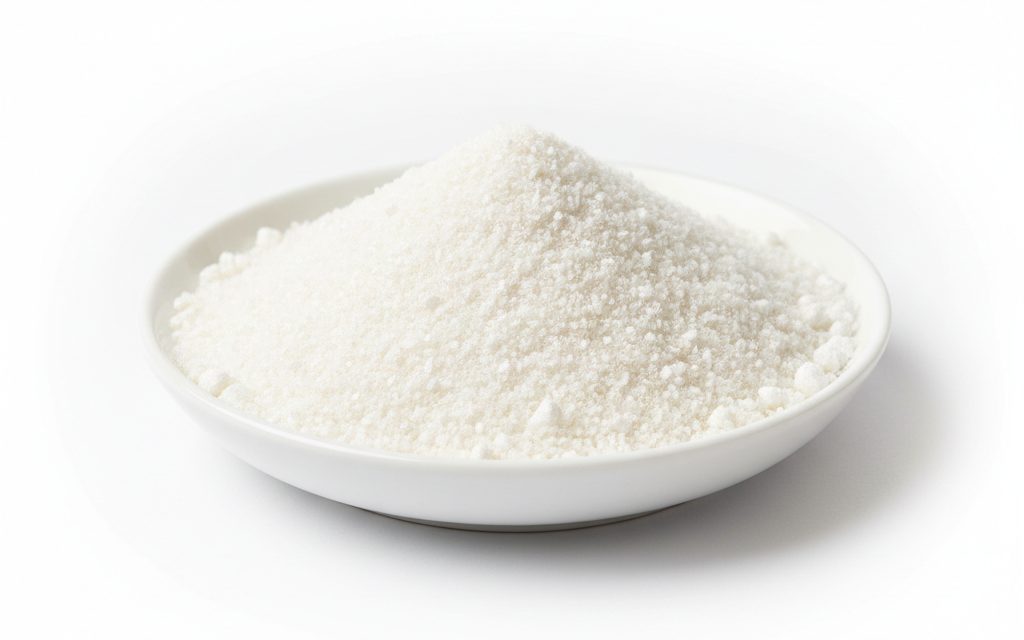
- • Certificate of Analysis is provided against the confirmed shipment, grade and batch.
- • Manufacturer TDS and SDS are subject to grade and supplier confirmation and are available on request.
- • Grades, packaging and origin above are indicative sourcing options and are confirmed at quotation.
Available grades from container-direct sourcing
Feed Grade
Specification confirmed against supplier technical data sheet at quotation.
Typical applications
- Low crude protein swine diets
- Broiler and layer feed
- Aquaculture and pet food
- Amino acid premixes
Why Canadian buyers choose us
- Feed grade enquiries handled as a separate specification from food grade material
- Grade, physical form, carrier and documentation confirmed in writing before order confirmation
- Supplier technical data sheet and safety data sheet provided for the quoted grade
- LTL and FTL freight to feed mills and premix plants across Ontario, Quebec and Western Canada
- Quantities reviewed per enquiry, from smaller lots to full container loads
Typical industries served
Material identity
L-Threonine (feed grade) — identifiers and the names buyers use
- CAS
- 72-19-5
- Typical assay
- ≥ 98.5%
- Chemical name
- (2S,3R)-2-amino-3-hydroxybutanoic acid
Also searched as
Abbreviations
Industry terminology
Identifiers are published for material identification. The exact specification of any offered grade is confirmed against supplier documentation at quotation.
Buyer intent coverage
L-Threonine (feed grade) — what it is, where it is used, how it is chosen
L-Threonine is normally the second or third limiting amino acid in swine and poultry diets and is the enabler for low crude protein formulation once lysine and methionine are covered. Purchasing sits with the same Southwestern Ontario and Quebec swine and poultry mills that drive lysine volume, plus Prairie premix blenders building protein balancers. It is bought against a declared assay and an ideal-protein ratio to lysine rather than as a standalone nutrient.
Primary uses
- Enabling reduced crude protein in swine grower and finisher diets
- Balancing threonine to lysine in broiler and layer rations
- Supporting intestinal mucin and gut integrity nutrition programmes
Applications
- Swine and poultry complete feeds
- Protein balancers and concentrates
- Premix and micro-ingredient blending
Advantages
- Allows further crude protein reduction after lysine and methionine
- Free-flowing crystalline powder that doses reliably
- Widely traded with an established second-source comparison basis
Limitations to consider
- Hygroscopic and prone to caking if storage is damp
- No benefit unless lysine and methionine are already balanced
- Fines can segregate in low-shear blending
How to choose the right grade
- Fix the threonine-to-lysine ratio your nutritionist works to
- Confirm assay and particle size against the dosing equipment
- Check storage conditions at the mill before committing to volume
- Buyers searching for an alternative or second-source supplier should state the incumbent specification they are matching, because a like-for-like comparison depends on declared content, physical form and documentation rather than on the material name alone.
Typical grades
- Feed grade L-threonine 98.5%
- Granular flow-optimised form
Comparable materials — how L-Threonine (feed grade) sits against alternatives
- Higher soybean meal inclusion at the cost of crude protein
- Protein concentrates supplying threonine less precisely
Comparable-material reference. Grade selection is confirmed at RFQ against your process.
Procurement coverage
How to specify, order and receive L-Threonine (feed grade)
Written for procurement, quality and technical buyers in Canada and the United States. No numeric price, MOQ, stock or lead-time value is published — those are confirmed per shipment in the quotation and against the confirmed batch.
How buyers specify at RFQ
- Declared amino acid content and the assay method behind it
- Physical form, particle size and flow behaviour in the dosing system
- Moisture, ash and heavy metal limits
- Feed-ingredient declaration and traceability documentation
- Threonine-to-lysine ratio the formulation targets
Packaging options (industry-standard)
- 25 kg multi-wall paper or PP bag — the standard mill-floor format
- Jumbo / FIBC bulk bag for high-volume mill intake
- Bulk truck or rail where the receiving mill has compatible intake
- Packaging options and available pack sizes are confirmed with each quotation.
Storage & handling
- Store sealed, dry, off the floor and away from heat and direct sunlight
- Keep feed grade physically segregated from food and technical grades
- Rotate stock, re-close partial bags and record batch numbers against each blend
Documentation available
- Technical data sheet (TDS) for the exact feed grade offered
- Safety data sheet (SDS) in the format required for Canadian import
- Certificate of analysis (COA) against the confirmed production batch
- Feed-ingredient declaration and label statements the receiving mill needs
- Documentation is confirmed per batch at quotation; availability depends on the grade and supplier offered.
RFQ checklist for l-threonine-feed-grade-canada
Include these fields to receive an accurate Canada-landed quotation
- Species, production stage and the feed type the ingredient goes into
- Whether the material is used straight at the mill or through a premix or concentrate
- Declared content, activity or potency your formulation matrix assumes
- Annual volume and expected per-shipment quantity
- Packaging format your intake system can receive and handle
- Documentation and feed-labelling statements required per shipment
- Delivery province or port of discharge
- Target ideal-protein ratio
- Blending equipment and dosing accuracy at low inclusion
Technical & procurement detail
Functional role of l-threonine in feed+
Threonine is typically the second or third limiting amino acid after lysine and methionine, and a large share of it is used in gut mucin production rather than muscle deposition. That makes it central to any diet formulated on an ideal protein basis with reduced crude protein.
Specifying the grade+
Declared assay and flow properties are what matter in a mill: a product that bridges in a micro-dosing hopper is a production problem regardless of its analysis. State the dosing equipment and assay basis used in your matrix when requesting a quotation.
Documentation and specification+
Feed grade material is quoted against the specification your mill or premix formulation requires. Allzone confirms grade, declared content, physical form and any carrier or coating with the supplier before quoting, and shares the technical data sheet and safety data sheet for the exact material offered.
Frequently asked questions
Why is threonine used with lysine and methionine?+
Ideal protein formulation balances limiting amino acids in sequence; threonine is commonly the next constraint once lysine and methionine are met.
Is this quoted as feed grade material?+
Yes. Feed grade is quoted as a separate specification from food or technical grade, with its own documentation for the exact material offered.
What packaging is available?+
Packaging is confirmed with the supplier at quotation for the grade and quantity discussed.
Can you deliver to feed mills across Canada?+
Yes. LTL and FTL freight is arranged across Ontario, Quebec and Western Canada, with container-direct supply for repeat volumes.
Technical knowledge for L-Threonine Feed Grade Supplier — Canada
Engineering and purchasing guidance written for this material — understand it, apply it, compare options, specify a grade, and fix production problems.
Foundation Articles
Application Guides
Related products
Materials commonly quoted alongside L-Threonine by the same plants.
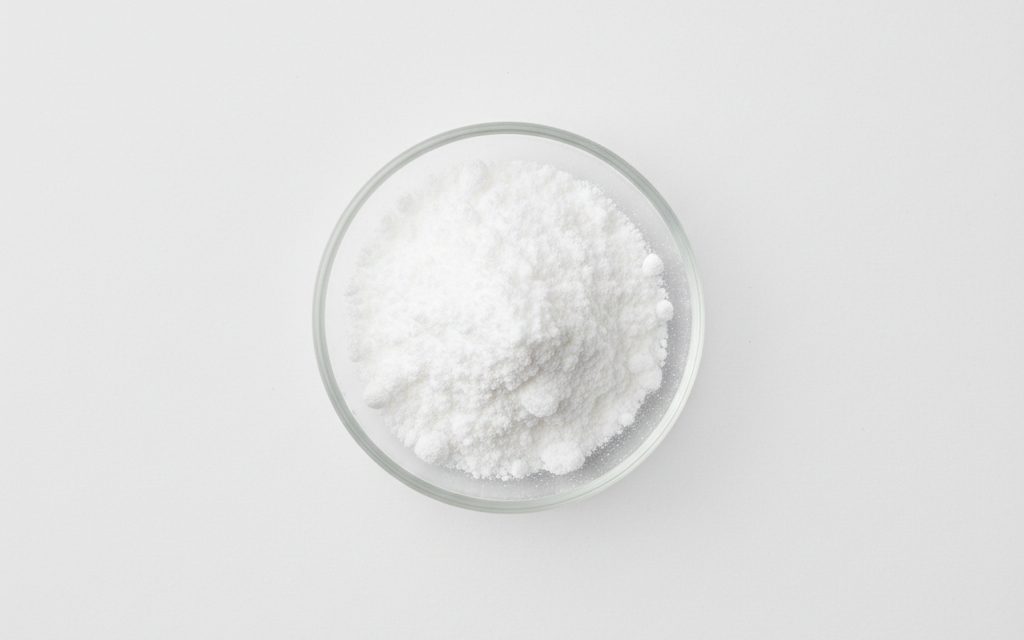
Silicon Dioxide (Feed Grade)
Anti-caking and free-flow agent — free-flow of compound feed and premixes
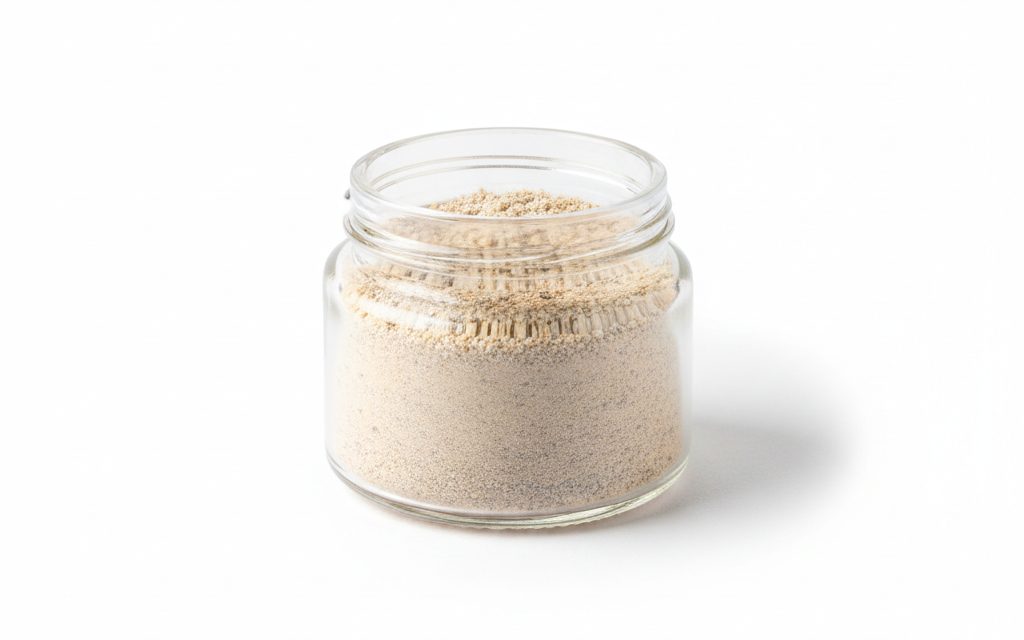
Bentonite
Mineral binder and carrier — free-flow of compound feed and premixes
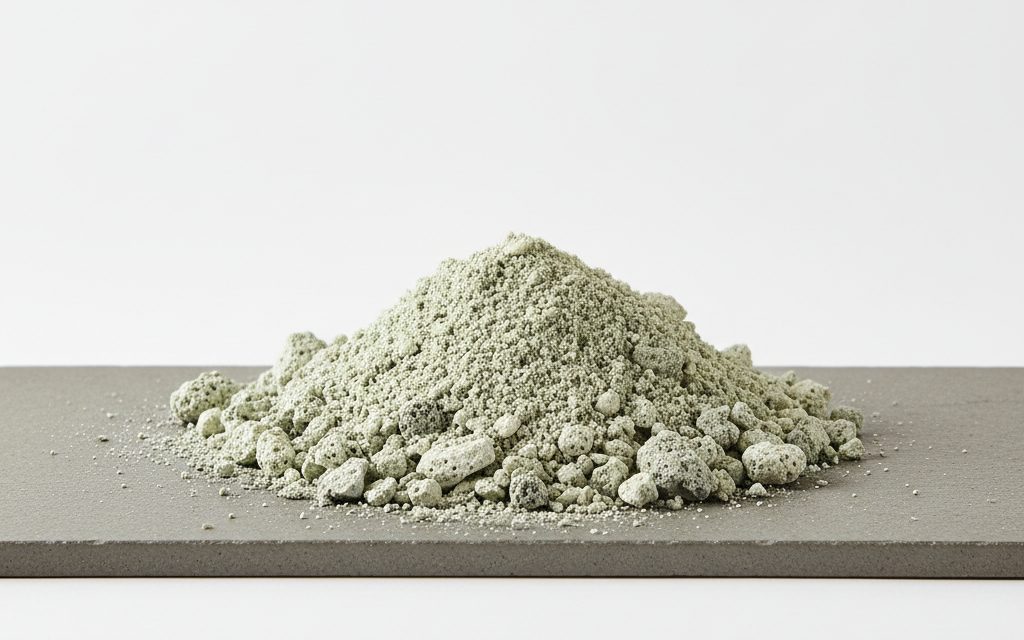
Zeolite
Anti-caking and free-flow agent — free-flow of compound feed and premixes
Need a quote on L-Threonine?
Request pricing, TDS/SDS and available documentation. We usually acknowledge enquiries within one business day; samples are subject to supplier availability and product classification.