Submerged Arc Welding Wire — SAW Wire for Structural, Pipe & Vessel Fabrication
Allzone Trading supplies submerged arc welding wire to structural fabricators, pipe mills, tank builders and pressure vessel manufacturers in Ontario, Quebec and across Canada. Wire type, diameter, matching flux and classification are specified against your welding procedure and confirmed against supplier technical data at quotation.
At a glance
- Product
- Submerged Arc Welding Wire
- Grades
- Submerged arc welding wire
- Typical applications
- Structural steel beams, columns and plate girders · Longitudinal and spiral pipe manufacturing · Storage tank shell, annular and floor welding
- Packaging
- Packaging format and pack weight confirmed against supplier data for the exact grade offered
- • Certificate of Analysis is provided against the confirmed shipment, grade and batch.
- • Manufacturer TDS and SDS are subject to grade and supplier confirmation and are available on request.
- • Grades, packaging and origin above are indicative sourcing options and are confirmed at quotation.
Available grades from container-direct sourcing
Submerged arc welding wire
Wire type (carbon steel or low-alloy), AWS A5.17 / A5.23 classification, diameter, chemical composition, surface condition and packaging format confirmed against supplier technical data at quotation.
Typical applications
- Structural steel beams, columns and plate girders
- Longitudinal and spiral pipe manufacturing
- Storage tank shell, annular and floor welding
- Pressure vessel seam welding
- Heavy plate and shipbuilding fabrication
- Automated fillet welding on fabrication lines
- Surfacing and build-up on heavy fabricated components
Why Canadian buyers choose us
- Enquiries handled against your welding process, base metal and joint requirement — not a fixed stock list
- AWS classification, matching consumable and diameter confirmed in writing before order confirmation
- CWB / CSA W48 and third-party approvals confirmed for the exact manufacturer and grade offered
- Manufacturer TDS, SDS and, where applicable, certificates supplied for the item actually quoted
- LTL and FTL freight to fabricators and distributors across Ontario, Quebec and Western Canada
Typical industries served
Technical & procurement detail
What submerged arc welding wire is+
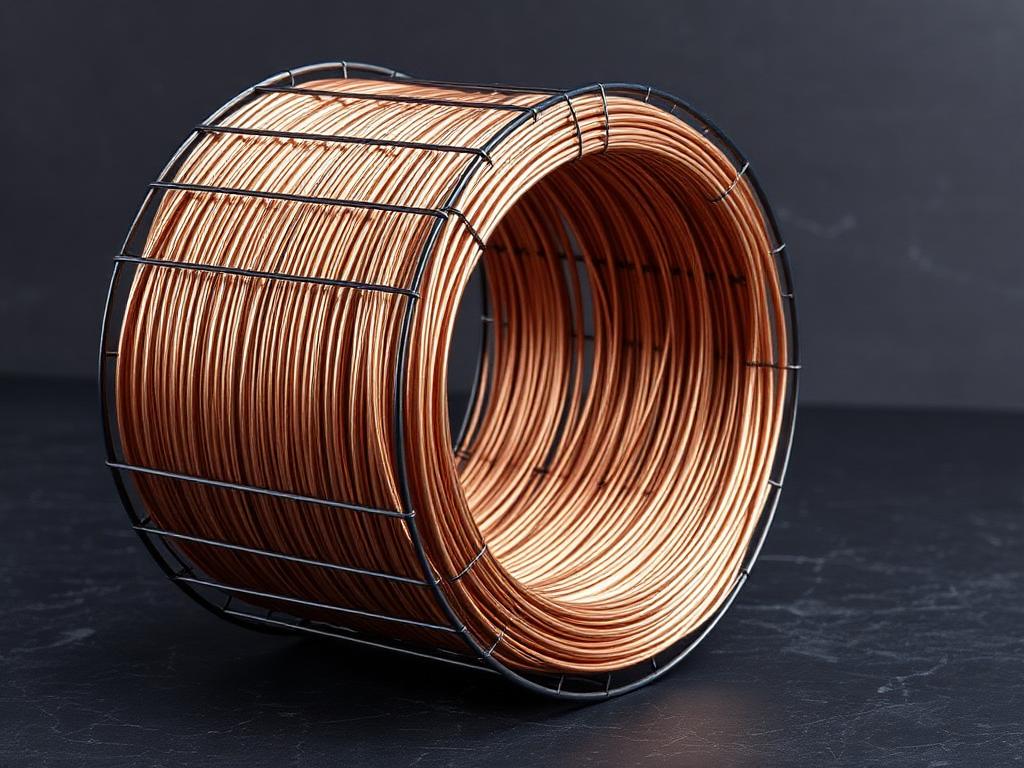
SAW wire is a solid, usually copper-coated welding wire fed continuously into a joint under a blanket of flux. Because the arc is submerged, there is no visible arc or spatter and very high deposition rates are possible, which is why the process dominates long, repeatable welds in structural, pipe, tank and vessel fabrication. The wire supplies the filler metal and most of the deposit chemistry; the flux governs shielding, slag behaviour and — for alloy or active systems — part of the final chemistry. The two are always specified as a pair.
Carbon steel and low-alloy types+
Carbon steel SAW wires are the general fabrication family and are distinguished mainly by manganese and silicon level, which controls deoxidation, bead shape and the strength of the deposit. Low-alloy wires add elements such as nickel, molybdenum or chromium where higher strength, low-temperature toughness or creep and corrosion behaviour is required — typical of pressure equipment and certain pipeline and offshore work. Common carbon-steel designations of the EL, EM and EH families are specification options selected with the flux; they are not separate Allzone products.
Diameter, deposition and procedure+
Wire diameter is chosen against the current range, plate thickness, joint preparation and the number of passes. Larger diameters carry more current and deposit faster on thick sections and single-pass fillets; smaller diameters give better control on thinner material, narrow-gap joints and multi-pass work, and are often preferred where toughness across many passes matters. Deposition rate, travel speed and heat input come from the qualified procedure rather than from a catalogue figure.
Matching wire to flux+
AWS A5.17 (carbon steel) and A5.23 (low-alloy steel) classify the flux and wire together with the resulting deposit properties, in the as-welded or post-weld heat treated condition. That means the correct question at enquiry stage is not 'which wire' but 'which wire-flux system' — the pair has to satisfy the tensile, yield and impact requirements of the procedure. Tell us the flux you run, or the properties you must meet, and the matching system is confirmed with the supplier.
Specification options+
Available specification dimensions include wire family (carbon steel or low-alloy), chemical composition, AWS classification of the wire-flux system, diameter, surface condition (copper-coated or uncoated), cast and helix behaviour for automated feeding, and the packaging format. Manufacturer grade names and codes remain supplier data.
Packaging and handling+
Coils, basket coils, spools and bulk drums are all normal SAW formats, chosen against the feeder on the machine and the run length between changeovers. Net weight per pack, feeding compatibility and any handling or storage requirement are taken from the supplier's data for the item quoted.
Certification and approvals+
CWB / CSA W48 certification, AWS classification and any marine or pressure-equipment approvals (ABS, DNV, LR, CCS and similar) are confirmed for the exact manufacturer, grade and, where applicable, manufacturing location offered. Allzone makes no blanket approval claim on this generic product page, and one supplier's certification is never applied to another supplier's consumable.
Documentation+
Typical documentation — manufacturer technical data sheet, safety data sheet, chemical and mechanical test certificates, impact and diffusible hydrogen data, and certification records where they exist — is provided subject to the exact supplier and grade quoted. Availability is confirmed at quotation rather than assumed.
What to include in your enquiry+
Send the base metal and grade, plate thickness, the flux you use or need matched, any required AWS classification, mechanical property and impact toughness requirements, wire diameter, whether CWB / CSA W48 or another approval is mandatory, the feeder and packaging format you can accept, quantity and delivery location.
Frequently asked questions
How is SAW wire selected?+
It is selected together with the flux, against the base material, required tensile and impact properties, plate thickness, pass count and the current range of the machine. The wire-flux combination — not the wire alone — is what the AWS classification and the welding procedure describe.
What is the difference between carbon steel and low-alloy SAW wire?+
Carbon steel wires differ mainly in manganese and silicon content and cover general fabrication. Low-alloy wires add elements such as nickel, molybdenum or chromium for higher strength, low-temperature toughness or service-specific requirements typical of pressure equipment and pipeline work.
Why is SAW wire copper coated?+
A copper coating improves electrical contact at the tip and helps protect the wire surface during storage and feeding. Uncoated wire is also produced, and the surface condition is confirmed for the grade offered.
Which diameter should be used?+
Diameter follows the current range, plate thickness and joint. Larger diameters suit high-current, high-deposition single-pass and thick-section work; smaller diameters suit thinner material, narrow gaps and multi-pass welding where control and toughness matter.
Is the wire CWB or CSA W48 approved?+
Approval is manufacturer- and grade-specific. CWB / CSA W48 status, AWS classification and any marine society approval are confirmed for the exact grade offered rather than claimed generically.
What packaging formats are available?+
Coils, basket coils, spools and bulk drums are all used, chosen against the feeder and the run length between changeovers. Format and net weight are confirmed for the item quoted.
What quantities are quoted?+
Quantities are reviewed per enquiry, from single pallets to full container programmes for fabricators and distributors.
Technical knowledge for Submerged Arc Welding Wire Supplier — Canada
Engineering and purchasing guidance written for this material — understand it, apply it, compare options, specify a grade, and fix production problems.
Foundation Articles
Related products
Materials commonly quoted alongside Submerged Arc Welding Wire by the same plants.
Submerged Arc Welding Flux
Structural steel fabrication — beams, columns, plate girders and built-up sections
Need a quote on Submerged Arc Welding Wire?
Request pricing, TDS/SDS and available documentation. We usually acknowledge enquiries within one business day; samples are subject to supplier availability and product classification.