
Silicone Masterbatch
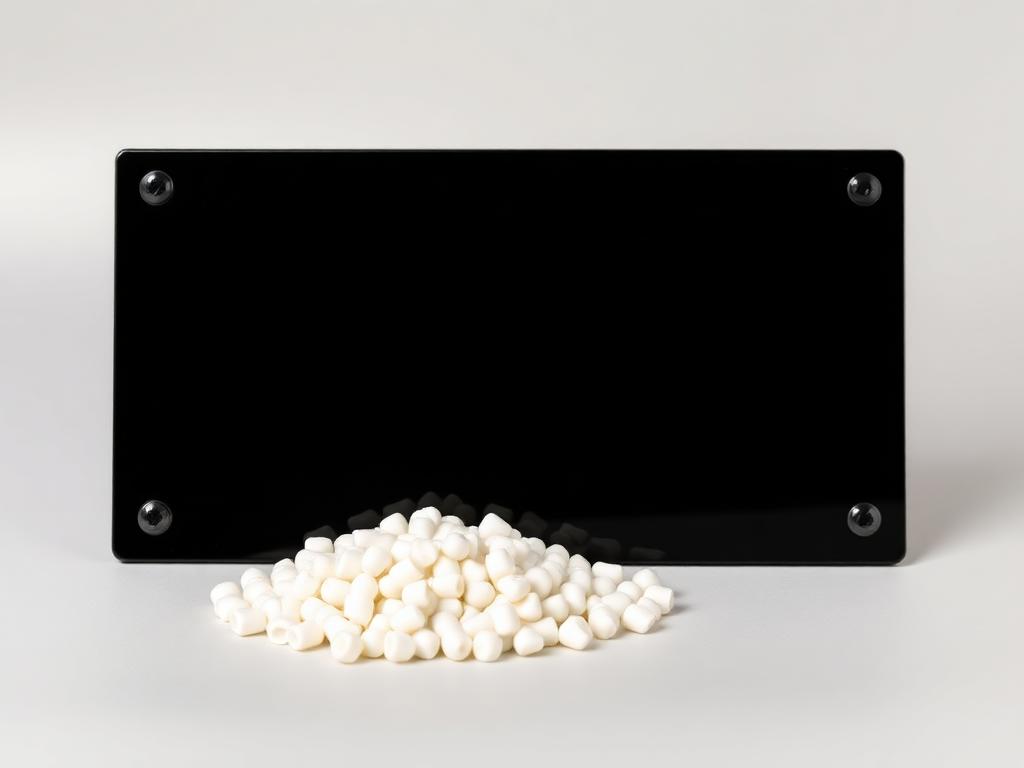
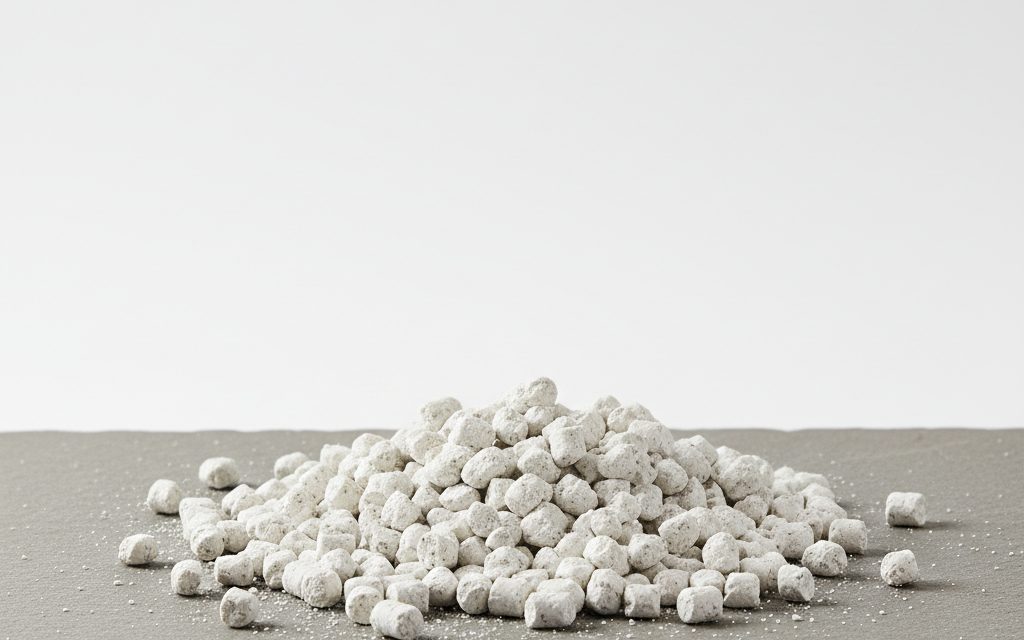
Silicone masterbatch carries an ultra-high-molecular-weight siloxane in a polymer carrier and is used to change surface and flow behaviour without a coating step — lower surface friction, better scratch and mar resistance and, in many cases, easier mould filling. Allzone quotes this material per enquiry: grade, packing, documentation and Incoterm are decided in your quotation, not fixed by this page.
At a glance
- Product
- Silicone Masterbatch
- Grades
- Polyolefin-carrier grades · Engineering-polymer-carrier grades +1 more
- Typical applications
- Scratch and mar resistance on visible mouldings · Squeak and friction reduction in assemblies · Mould filling and flow in thin-wall parts
- Packaging
- Bags on pallet or octabins — pack size agreed at quotation · Moisture-protective packing where the grade requires it · Full-container and part-load presentations reviewed per enquiry
- • Certificate of Analysis is provided against the confirmed shipment, grade and batch.
- • Manufacturer TDS and SDS are subject to grade and supplier confirmation and are available on request.
- • Grades, packaging and origin above are indicative sourcing options and are confirmed at quotation.
Available grades from container-direct sourcing
Polyolefin-carrier grades
For PE and PP articles
Engineering-polymer-carrier grades
For technical mouldings
High-siloxane-content systems
Let-down agreed per enquiry
Typical applications
- Scratch and mar resistance on visible mouldings
- Squeak and friction reduction in assemblies
- Mould filling and flow in thin-wall parts
- Wear resistance in sliding components
Why Canadian buyers choose us
- One RFQ for masterbatch, compounds, additives and resin
- Grade selection reviewed against your polymer, process and finished article
- TDS, SDS and applicable declarations confirmed for the exact grade offered
- Packing, quantity, lead time and Incoterm confirmed at quotation
- Logistics into Ontario, Quebec and the rest of Canada reviewed per enquiry
Typical industries served
Material identity
Silicone masterbatch — identifiers and the names buyers use
- Product class
- Ultra-high-molecular-weight siloxane concentrate
- Carrier polymers
- Polyolefin or engineering polymer carrier — declared per grade
Also searched as
Abbreviations
Industry terminology
Identifiers are published for material identification. The exact specification of any offered grade is confirmed against supplier documentation at quotation.
Buyer intent coverage
Silicone masterbatch — what it is, where it is used, how it is chosen
Silicone masterbatch carries an ultra-high-molecular-weight siloxane in a polymer carrier and is bought to change surface and flow behaviour without a coating step. It lowers surface friction, improves scratch and mar resistance, and often improves mould filling and cycle behaviour at the same time. The recurring caution is downstream: silicone at the surface can interfere with printing, painting and bonding, so those operations must be considered before adoption.
Primary uses
- Improving scratch and mar resistance on visible surfaces
- Reducing surface friction and squeak in assembled parts
- Improving mould filling and flow in thin-wall parts
- Increasing wear resistance in sliding components
Applications
- Automotive interior trim and visible mouldings
- Appliance and consumer product housings
- Cable jacketing and profile extrusion
- Technical parts with sliding or rubbing contact
Advantages
- Delivers a surface improvement without a secondary coating operation
- Often improves processing and surface quality at the same time
- Effective at low addition levels in most polymer families
Limitations to consider
- Surface silicone can compromise printing, painting and adhesive bonding
- Migration can contaminate shared equipment and downstream lines
- Effect varies by polymer and process, so the benefit must be confirmed in production
- Addition rate and performance are established on your own line; the figures quoted in supplier literature are starting points, not a specification.
How to choose the right grade
- Describe the machine, the polymer being run and the problem you are trying to remove
- State the maximum temperature the consumable has to work at
- Confirm whether the finished part has a food-contact, medical or other regulated requirement
- Confirm the physical form your equipment or operators can apply safely
- Check compatibility with the next material or coating that touches the part surface
- Exact specification is confirmed against supplier documentation at quotation.
Typical grades
- Polyolefin carrier grade
- Engineering polymer carrier grade
- High-siloxane-content grade
- Food-contact grade where the application requires it
- Reference grade names are widely used as shorthand in enquiries. They are treated here as search language only: an equivalent is confirmed by comparing declared datasheet values and by a line trial, and no grade is presented as a drop-in replacement for another.
Comparable materials — how Silicone masterbatch sits against alternatives
- Slip additives such as fatty acid amides
- Scratch-resistant coating applied after moulding
- Harder resin grade or surface texture design
- Buyers searching for an alternative or second-source supplier should state the incumbent grade and the property they are matching, because a like-for-like comparison depends on the declared datasheet values and on line trials, not on the material name alone.
Comparable-material reference. Grade selection is confirmed at RFQ against your process.
Procurement coverage
How to specify, order and receive Silicone masterbatch
Written for procurement, quality and technical buyers in Canada and the United States. No numeric price, MOQ, stock or lead-time value is published — those are confirmed per shipment in the quotation and against the confirmed batch.
How buyers specify at RFQ
- Machine type, size and the process being run
- Polymers involved before and after the operation
- Maximum processing temperature the consumable must withstand
- Regulatory status required for the finished part
- Physical form the operation can apply
- Downstream operations such as printing, painting or bonding
Packaging options (industry-standard)
- 25 kg bag or box — the usual format for dosing-unit refills
- Jumbo / FIBC bag for continuous gravimetric feeding on high-output lines
- Moisture-barrier or foil-lined packaging for hygroscopic and oxidation-sensitive actives
- Packaging options and available pack sizes are confirmed with each quotation.
Storage & handling
- Store cool, dry and sealed; heat and humidity degrade both carrier and active
- Keep concentrates in closed containers to avoid contamination of natural or light-colour runs
- Use first-in, first-out rotation and respect any retest or shelf-life date on the batch
Documentation available
- Technical data sheet (TDS) stating the active chemistry, carrier and recommended addition range
- Safety data sheet (SDS) in the format required for Canadian import
- Certificate of analysis (COA) against the confirmed batch
- Food-contact or regulatory declaration where the converted part requires it
- Documentation is confirmed per batch at quotation; availability depends on the grade and supplier offered.
RFQ checklist for silicone-masterbatch-canada
Include these fields to receive an accurate Canada-landed quotation
- Base polymer and the process the material runs on (extrusion, injection, blow moulding, thermoforming)
- Machine type, output rate and the processing temperature window
- End application and whether the finished part is food-contact, potable-water or outdoor
- Annual volume and expected per-shipment quantity
- Packaging format your intake and feeding system can receive
- Documentation required per shipment
- Delivery province or port of discharge
- Machine and process the consumable is used on
- Problem being solved and the current product in use
Technical & procurement detail
What decides the silicone masterbatch you actually need+
The host polymer, whether you are buying surface behaviour or processing behaviour, the part geometry and wall thickness, and above all what happens downstream — printing, painting, welding or bonding are all sensitive to surface silicone — decide which grade and loading fit.
Types and grades inside this record+
The types listed here are the commercial variants Allzone can quote inside this single product identity. They are not stock items and no property value is asserted here — carrier resin, additive loading, colour and let-down ratio are confirmed in the quotation for the exact grade offered.
Check the downstream operations before adopting it+
Silicone at the surface can interfere with printing, painting, welding and adhesive bonding, and can migrate onto shared equipment. Those operations should be trialled before a grade is fixed. This page makes no fragrance, odour or food-contact claim of any kind.
Process context+
Tell us the process it runs on — injection moulding, blown or cast film, sheet extrusion, profile extrusion, blow moulding, fibre spinning, melt-blown or spunbond nonwoven — together with the host polymer, the line conditions and the finished article. Grade selection is reviewed against the process, not against a catalogue line.
Line trial before adoption+
Additive masterbatches behave differently in different polymers, on different lines and at different throughputs. Any effect claimed by a producer document is treated as a starting point for a line trial on your own equipment, not as a guaranteed result on your article.
What this page does not state+
This page asserts no numeric specification, no dosage, no performance value, no service life, no origin, no certification, no approval and no availability. Every value that matters commercially is taken from the producer documentation for the exact grade offered and confirmed in writing before order.
Sourcing+
Allzone sources this material through producer channels and quotes it per enquiry. The grade is selected against your technical requirement, quantity, documentation need and destination, and is stated in the offer rather than fixed by this page.
Documentation supplied with an offer+
Technical data sheet and safety data sheet for the exact grade offered are requested from the producer and shared with the offer. Where a declaration is relevant to your application — food contact, recycled content or any regulatory document — it is confirmed for that specific grade and intended use rather than assumed from this page.
How Allzone quotes this+
Send the host polymer, the process, the article, the quantity and the documentation you need. Several masterbatches and compounds can be listed in one enquiry and reviewed together rather than split across separate requests.
Frequently asked questions
Does Allzone publish a price for Silicone Masterbatch?+
No. Price, minimum quantity, origin, packing and lead time depend on the grade, the volume and the destination, and are confirmed at quotation. Nothing on this page is an offer.
Which types or grades of Silicone Masterbatch can be quoted?+
The types listed here are the commercial variants Allzone can quote inside this single product identity. They are not stock items and no property value is asserted here — carrier resin, additive loading, colour and let-down ratio are confirmed in the quotation for the exact grade offered. Tell us the polymer and process you run and the offer is written against them.
Are performance values published for Silicone Masterbatch?+
This page asserts no numeric specification, no dosage, no performance value, no service life, no origin, no certification, no approval and no availability. Every value that matters commercially is taken from the producer documentation for the exact grade offered and confirmed in writing before order.
What documentation is available for Silicone Masterbatch?+
Technical data sheet and safety data sheet for the exact grade offered are requested from the producer and shared with the offer. Where a declaration is relevant to your application — food contact, recycled content or any regulatory document — it is confirmed for that specific grade and intended use rather than assumed from this page.
Can Silicone Masterbatch be supplied into Ontario and the GTA?+
Delivery and logistics into Ontario, Quebec and the rest of Canada are reviewed per enquiry alongside the rest of the offer. We publish no stock, inventory or delivery-window guarantee on this page.
Technical knowledge for Silicone Masterbatch — Bulk B2B Supply | Allzone
Engineering and purchasing guidance written for this material — understand it, apply it, compare options, specify a grade, and fix production problems.
Application Guides
Comparison Articles
Buying Guides
Related products
Materials commonly quoted alongside Silicone Masterbatch by the same plants.
UV Stabilizers
Heat stabiliser — agricultural and greenhouse film
Anti-Static Additives
Packaging film for electronics
Slip Additives
Reducing coefficient of friction in film
Anti-Block Additives
Anti-caking and free-flow agent — preventing film layers sticking on the roll
Need a quote on Silicone Masterbatch?
Request pricing, TDS/SDS and available documentation. We usually acknowledge enquiries within one business day; samples are subject to supplier availability and product classification.