
Rosemary Extract — Deodorized Food Grade
Allzone Trading supplies deodorized food grade rosemary extract to food manufacturers in Ontario, Quebec and across Canada. Deodorized grades are used where antioxidant performance is required without the herbal aroma of standard extracts. Carnosic acid content, carrier and form differ by producer and are confirmed against supplier documentation at quotation.
At a glance
- Product
- Rosemary Extract
- Grades
- Deodorized Food Grade
- Typical applications
- Edible oils and frying media · Meat, poultry and prepared protein products · Snacks, crackers and fried products
- Packaging
- Packaging confirmed at quotation
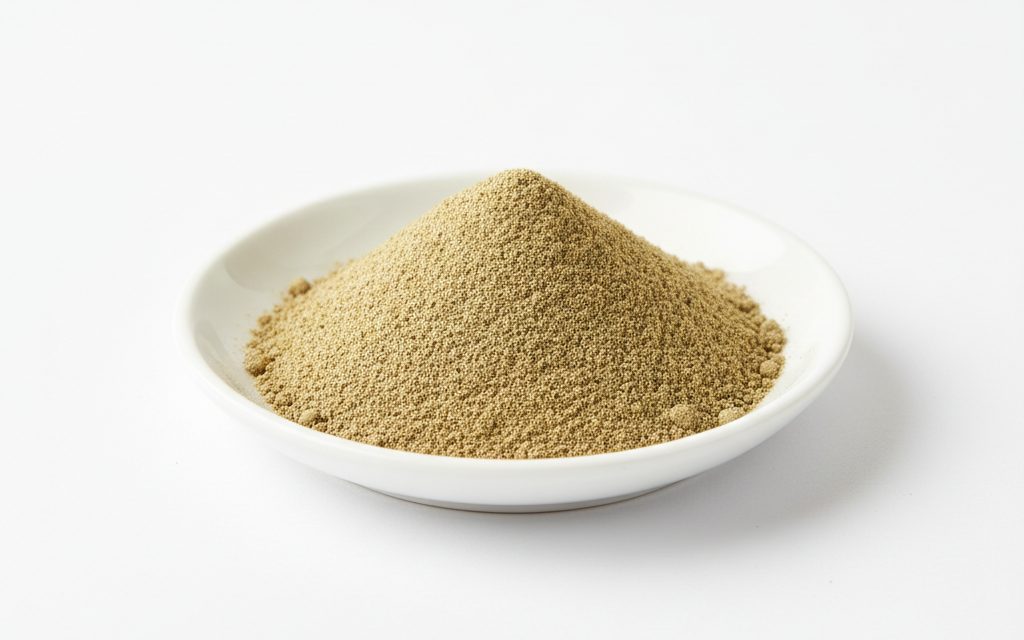
- • Certificate of Analysis is provided against the confirmed shipment, grade and batch.
- • Manufacturer TDS and SDS are subject to grade and supplier confirmation and are available on request.
- • Grades, packaging and origin above are indicative sourcing options and are confirmed at quotation.
Available grades from container-direct sourcing
Deodorized Food Grade
Specification confirmed against supplier technical data sheet at quotation.
Typical applications
- Edible oils and frying media
- Meat, poultry and prepared protein products
- Snacks, crackers and fried products
- Sauces, dressings and emulsions
- Nutritional oil blends
Why Canadian buyers choose us
- Container-direct sourcing coordinated through our Ontario logistics partner
- Supplier documentation (TDS, SDS, COA) requested and shared before order confirmation
- Specifications confirmed in writing at quotation stage — no assumed values
- LTL and FTL freight across Ontario, Quebec and Western Canada
- Quantities reviewed per enquiry, from smaller lots to full container loads
Typical industries served
Material identity
Rosemary extract (deodorised antioxidant) — identifiers and the names buyers use
- Source
- Rosmarinus officinalis leaf
- Actives
- Carnosic acid and carnosol
- Formats
- Oil-soluble, water-dispersible and powder
Also searched as
Abbreviations
Industry terminology
Identifiers are published for material identification. The exact specification of any offered grade is confirmed against supplier documentation at quotation.
Buyer intent coverage
Rosemary extract (deodorised antioxidant) — what it is, where it is used, how it is chosen
Deodorised rosemary extract is the leading natural antioxidant for meat, poultry and fat systems: it delays oxidative rancidity and colour loss without the herb flavour of a culinary extract. Carnosic acid content and format decide performance, and the deodorisation level decides whether it fits a delicate product. Prairie and Ontario meat processors and their further-processing customers are the largest Canadian users, with snack, bakery and pet-food producers close behind.
Primary uses
- Delaying oxidative rancidity in meat, poultry and fat systems
- Protecting colour and flavour in processed and further-processed foods
- Replacing synthetic antioxidants under clean-label programmes
- Stabilising oils, fried snacks and pet-food fats
Applications
- Fresh, cured and further-processed meat and poultry
- Snack frying oils and seasoned coatings
- Bakery fats and fillings
- Pet food fat systems
- Sauces, dressings and prepared meals
Advantages
- Recognised natural antioxidant with strong performance in lipid systems
- Deodorised grades avoid herb flavour carry-over
- Available oil-soluble, water-dispersible and dry for different processes
- Works synergistically with tocopherols and chelating acids
Limitations to consider
- Carnosic acid content varies widely; extracts are not interchangeable
- Higher cost per unit of protection than synthetic antioxidants
- Deodorisation level and colour must be matched to delicate products
- Labelling treatment differs by market — extract versus flavouring
How to choose the right grade
- Specify carnosic acid content and the format your process can dose
- State the sensory tolerance of the finished product
- Consider a tocopherol or chelator synergy rather than rosemary alone
- Confirm how the extract must be declared in your destination market
Typical grades
- Oil-soluble deodorised
- Water-dispersible
- Powder on carrier
- Standard oleoresin
Comparable materials — how Rosemary extract (deodorised antioxidant) sits against alternatives
- Mixed tocopherols — complementary lipid antioxidant
- Green tea extract — polyphenol alternative
- Acerola or ascorbate systems — water-phase protection
- Synthetic antioxidants — higher potency, different labelling
Comparable-material reference. Grade selection is confirmed at RFQ against your process.
Procurement coverage
How to specify, order and receive Rosemary extract (deodorised antioxidant)
Written for procurement, quality and technical buyers in Canada and the United States. No numeric price, MOQ, stock or lead-time value is published — those are confirmed per shipment in the quotation and against the confirmed batch.
How buyers specify at RFQ
- Carnosic acid content and total antioxidant actives
- Format and carrier
- Colour, odour and deodorisation level
- Solubility or dispersibility requirement
- Label declaration and documentation required
Packaging options (industry-standard)
- Drum for smaller and pilot volumes
- IBC tote for regular production draw
- Bulk tanker where the receiving plant has compatible storage
- Packaging options and available pack sizes are confirmed with each quotation.
- Carton or drum for powder formats
Storage & handling
- Store sealed, cool and away from light
- Pre-disperse powder formats to avoid localised over-dosing
- Confirm compatibility with the fat phase before full-scale trials
Documentation available
- Technical data sheet (TDS) for the concentration offered
- Safety data sheet (SDS) with the transport classification for the concentration
- Certificate of analysis (COA) against the confirmed batch
- Documentation is confirmed per batch at quotation; availability depends on the grade and supplier offered.
RFQ checklist for rosemary-extract-deodorized-canada
Include these fields to receive an accurate Canada-landed quotation
- Grade family and the end use it must be legal for (food, feed, technical)
- The specification parameters you actually control against, with test method
- Annual volume and expected per-shipment quantity
- Packaging format your plant can receive and handle
- Documentation and regulatory statements required per shipment
- Delivery province or port of discharge
- Carnosic acid content required
- Oil-soluble, dispersible or powder format
Technical & procurement detail
Functional role of rosemary extract+
Rosemary extract supplies phenolic diterpenes that act as radical scavengers in lipid systems, slowing the development of oxidative off-flavours. Deodorization removes most of the volatile aroma compounds so the extract can be dosed into neutral-tasting products without changing their flavour profile.
Deodorized versus standard extract+
Standard rosemary extract carries a recognisable herbal note that can be acceptable in savoury products and unacceptable in neutral ones. Deodorized grades exist to solve exactly that problem. Tell us which sensory outcome your product requires so the correct grade is quoted rather than assumed.
Form determines where it is dosed+
Oil-dispersible liquids are dosed into the fat phase; powdered and carrier-based forms suit dry blends and seasoning systems. Both are quoted separately, with the carrier declared in supplier documentation.
Documentation and specification+
Functional values differ between producers and grades. Allzone confirms the applicable grade with the supplier before quoting and shares the technical data sheet and safety data sheet for the exact material offered, so the values you evaluate are the values you receive.
Frequently asked questions
Will this add a rosemary flavour to my product?+
Deodorized grades are produced specifically to reduce the herbal aroma. Sensory outcome still depends on dosage and matrix, so trial material and the technical data sheet are provided for evaluation.
Is a liquid or powder form better?+
It depends on where you dose. Liquids suit fat-phase addition, powders suit dry blends. Describe your process and we will request the matching grade.
What packaging is available?+
Packaging is confirmed with the supplier at quotation for the grade and quantity discussed.
Can I request a technical data sheet?+
Yes — the supplier technical data sheet and safety data sheet are shared for the exact grade quoted.
Can you deliver to Ontario and Quebec food plants?+
Yes. LTL and FTL freight is arranged across Ontario, Quebec and Western Canada, with container-direct supply for repeat volumes.
Technical knowledge for Deodorized Rosemary Extract Supplier — Canada
Engineering and purchasing guidance written for this material — understand it, apply it, compare options, specify a grade, and fix production problems.
Foundation Articles
Related products
Materials commonly quoted alongside Rosemary Extract by the same plants.
Need a quote on Rosemary Extract?
Request pricing, TDS/SDS and available documentation. We usually acknowledge enquiries within one business day; samples are subject to supplier availability and product classification.