
Pea Fibre — Food Grade
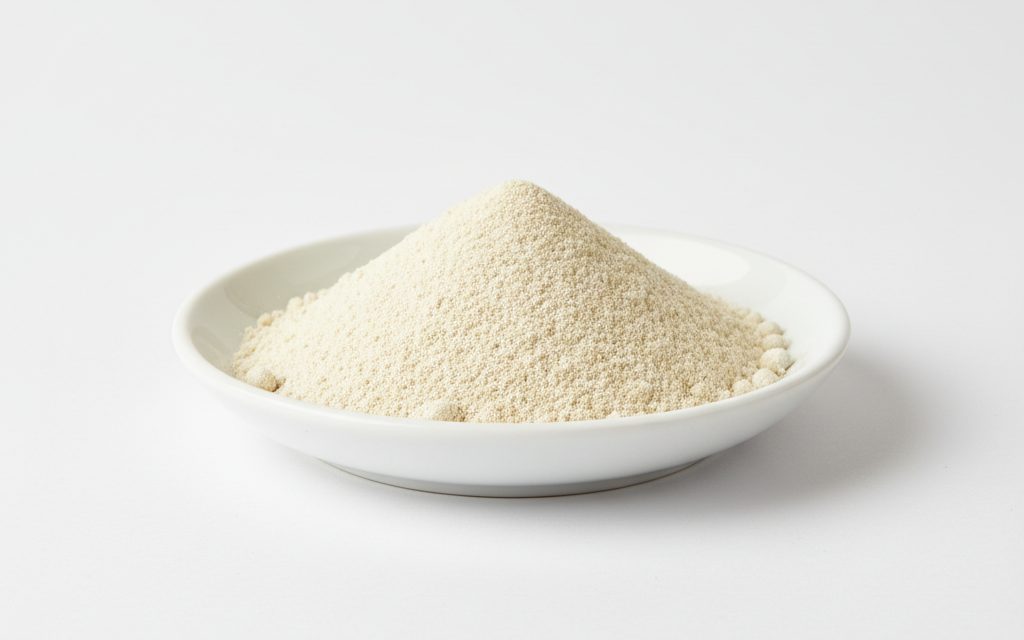
Allzone Trading supplies food grade pea fibre to food manufacturers in Ontario, Quebec and across Canada. Pea fibre is used for water binding, yield improvement and fibre enrichment in bakery, meat and plant-based products. Fibre content, particle size and water-holding capacity differ by grade and are confirmed at quotation.
At a glance
- Product
- Pea Fibre
- Grades
- Food Grade
- Typical applications
- Bakery and extruded cereal products · Meat, poultry and formed protein products · Plant-based meat and dairy alternatives
- Packaging
- Packaging confirmed at quotation
- • Certificate of Analysis is provided against the confirmed shipment, grade and batch.
- • Manufacturer TDS and SDS are subject to grade and supplier confirmation and are available on request.
- • Grades, packaging and origin above are indicative sourcing options and are confirmed at quotation.
Available grades from container-direct sourcing
Food Grade
Specification confirmed against supplier technical data sheet at quotation.
Typical applications
- Bakery and extruded cereal products
- Meat, poultry and formed protein products
- Plant-based meat and dairy alternatives
- Pet food and nutritional formats
- Fibre enrichment of dry mixes
Why Canadian buyers choose us
- Container-direct sourcing coordinated through our Ontario logistics partner
- Supplier documentation (TDS, SDS, COA) requested and shared before order confirmation
- Specifications confirmed in writing at quotation stage — no assumed values
- LTL and FTL freight across Ontario, Quebec and Western Canada
- Quantities reviewed per enquiry, from smaller lots to full container loads
Typical industries served
Material identity
Pea fibre — identifiers and the names buyers use
- Source
- Yellow pea hull and inner fibre fractions
- Composition
- Predominantly insoluble dietary fibre
- Formats
- Hull fibre and inner (cotyledon) fibre
Also searched as
Abbreviations
Industry terminology
Identifiers are published for material identification. The exact specification of any offered grade is confirmed against supplier documentation at quotation.
Buyer intent coverage
Pea fibre — what it is, where it is used, how it is chosen
Pea fibre is a by-product of prairie pulse fractionation, and its supply is tied directly to Canadian yellow pea processing capacity in Saskatchewan, Manitoba and Alberta — which makes it a domestically anchored fibre rather than an imported one. Hull and inner fibre fractions behave differently: hull fibre bulks and structures, inner fibre binds water. Buyers are plant-based, bakery, meat and pet-food manufacturers, many of them close to the same prairie processing base.
Primary uses
- Adding insoluble dietary fibre without strong flavour
- Binding water to improve yield and juiciness in meat and analogues
- Providing structure in gluten-free and high-fibre bakery
- Bulking pet food and extruded products
Applications
- Plant-based meat and dairy analogues
- Processed meat, patties and emulsified products
- Bread, bars and gluten-free bakery
- Extruded snacks and cereals
- Pet food and animal nutrition
Advantages
- Neutral colour and mild flavour compared with several other fibres
- Good water-binding for yield and texture in protein systems
- Supported by an established Canadian pulse processing base
- Non-allergenic positioning relative to wheat and soy fibres
Limitations to consider
- Hull and inner fibre grades are not interchangeable
- Excess addition produces a dry or gritty mouthfeel
- Water-binding capacity varies between suppliers and lots
- Contributes almost no soluble fibre to nutrition targets
How to choose the right grade
- State whether you need hull fibre for structure or inner fibre for binding
- Specify particle size for the mouthfeel your product tolerates
- Set water-binding capacity with the test method you will verify against
- Confirm allergen and non-GMO documentation needs
Typical grades
- Hull fibre standard
- Fine hull fibre
- Inner / cotyledon fibre
- Organic-certified grade where documented
Comparable materials — how Pea fibre sits against alternatives
- Citrus fibre — higher functionality, different labelling and colour
- Bamboo fibre — very neutral insoluble fibre
- Oat fibre — cereal-based insoluble fibre
- Potato fibre — different binding and texture profile
Comparable-material reference. Grade selection is confirmed at RFQ against your process.
Procurement coverage
How to specify, order and receive Pea fibre
Written for procurement, quality and technical buyers in Canada and the United States. No numeric price, MOQ, stock or lead-time value is published — those are confirmed per shipment in the quotation and against the confirmed batch.
How buyers specify at RFQ
- Fibre fraction and total dietary fibre content
- Particle size distribution
- Water-binding capacity with test method
- Protein, starch and ash content
- Certification statements and documentation required
Packaging options (industry-standard)
- Multi-wall paper or PP bag — the standard dry-ingredient format
- Jumbo / FIBC bulk bag for high-volume users
- Fibre drum or carton for oxygen- or moisture-sensitive grades
- Packaging options and available pack sizes are confirmed with each quotation.
Storage & handling
- Store sealed, dry, off the floor and away from strong odours
- Keep food, feed and technical grades physically segregated
- Rotate stock and re-close partial bags immediately after use
Documentation available
- Technical data sheet (TDS) for the exact grade offered
- Safety data sheet (SDS) in the format required for Canadian import
- Certificate of analysis (COA) against the confirmed production batch
- Allergen, non-GMO, Halal and Kosher statements where the grade supports them
- Documentation is confirmed per batch at quotation; availability depends on the grade and supplier offered.
RFQ checklist for pea-fiber-food-grade-canada
Include these fields to receive an accurate Canada-landed quotation
- Grade family and the end use it must be legal for (food, feed, technical)
- The specification parameters you actually control against, with test method
- Annual volume and expected per-shipment quantity
- Packaging format your plant can receive and handle
- Documentation and regulatory statements required per shipment
- Delivery province or port of discharge
- Hull or inner fibre
- Required water-binding capacity and particle size
Technical & procurement detail
Functional role of pea fibre+
Pea fibre is the insoluble cell-wall fraction recovered from pea processing. It binds water, adds bulk and improves cooking yield and structure in formed products, while contributing dietary fibre from a non-cereal, non-soy source.
Water holding is the purchased property+
Pea fibre is generally bought to hold water in a formulation, whether that means yield in a cooked product or moisture retention over shelf life. Grades differ substantially in water-holding capacity, so it is the value to compare when evaluating offers.
Particle size drives mouthfeel+
Coarse grades are efficient but can be detected in smooth products; fine grades are less noticeable. Describe the finished texture you must protect and the matching grade will be requested with its documentation.
Documentation and specification+
Functional values differ between producers and grades. Allzone confirms the applicable grade with the supplier before quoting and shares the technical data sheet and safety data sheet for the exact material offered, so the values you evaluate are the values you receive.
Frequently asked questions
How does pea fibre compare with citrus fibre?+
Pea fibre is primarily an insoluble water-binding fibre; citrus fibre also stabilises emulsions after shear activation. Both are listed and can be quoted together.
Is it suitable for plant-based products?+
It is widely used in plant-based formulations. Suitability for your specific formulation and label should be confirmed against the supplier documentation provided.
What packaging is available?+
Packaging is confirmed with the supplier at quotation for the grade and quantity discussed.
Can I request a technical data sheet?+
Yes — the supplier technical data sheet and safety data sheet are shared for the exact grade quoted.
Can you deliver to Ontario and Quebec food plants?+
Yes. LTL and FTL freight is arranged across Ontario, Quebec and Western Canada, with container-direct supply for repeat volumes.
Technical knowledge for Pea Fibre Food Grade Supplier — Canada
Engineering and purchasing guidance written for this material — understand it, apply it, compare options, specify a grade, and fix production problems.
Foundation Articles
Related products
Materials commonly quoted alongside Pea Fibre by the same plants.
Resistant Dextrin / Soluble Corn Fibre
Clear and acidic fibre-fortified beverages
Need a quote on Pea Fibre?
Request pricing, TDS/SDS and available documentation. We usually acknowledge enquiries within one business day; samples are subject to supplier availability and product classification.