
Cetearyl Alcohol
Allzone Trading supplies cetearyl alcohol to manufacturers, formulators and industrial buyers in Toronto, the GTA, Ontario, Quebec and across Canada. Cetearyl alcohol is a fatty alcohol used as a thickener, co-emulsifier and consistency factor in creams and conditioners. Grade, physical form and documentation are confirmed against supplier technical data sheets at quotation.
At a glance
- Product
- Cetearyl Alcohol
- Grades
- Grade confirmed at quotation
- Typical applications
- Oil-in-water cream and lotion bases · Emulsion stabilisation and consistency control · Body butter and balm formulation
- Packaging
- Packaging confirmed at quotation against the supplier specification

- • Certificate of Analysis is provided against the confirmed shipment, grade and batch.
- • Manufacturer TDS and SDS are subject to grade and supplier confirmation and are available on request.
- • Grades, packaging and origin above are indicative sourcing options and are confirmed at quotation.
Available grades from container-direct sourcing
Grade confirmed at quotation
Grade, physical form and specification are quoted and confirmed against the supplier technical data sheet before any order is placed.
Typical applications
- Oil-in-water cream and lotion bases
- Emulsion stabilisation and consistency control
- Body butter and balm formulation
- Hair conditioner base systems
- Sunscreen and colour cosmetic emulsions
Why Canadian buyers choose us
- Cosmetic, home care and industrial grades handled as separate specifications
- Grade, physical form and documentation confirmed in writing before order confirmation
- Supplier technical data sheet and safety data sheet provided for the quoted grade
- Freight arranged across Ontario, Quebec and Western Canada
- Quantities reviewed per enquiry, from sample lots to container loads
Typical industries served
Material identity
Cetearyl Alcohol — identifiers and the names buyers use
- INCI
- Cetearyl Alcohol
- Chemical family
- Blend of cetyl (C16) and stearyl (C18) fatty alcohols
- C16 : C18 ratio
- UNKNOWN — the ratio drives sensory and consistency and is supplier-declared
- Origin (vegetable or petrochemical)
- UNKNOWN — confirmed against supplier documentation
Also searched as
Industry terminology
Identifiers are published for material identification. The exact specification of any offered grade is confirmed against supplier documentation at quotation.
Buyer intent coverage
Cetearyl Alcohol — what it is, where it is used, how it is chosen
Cetearyl alcohol is the workhorse fatty alcohol of creams and conditioners. In a cationic conditioner it does far more than thicken: with a quaternary it forms the lamellar gel network that gives the product its body and its slip. The C16 to C18 ratio differs between sources and it changes both hardness and feel, which is why a source change can be noticed by a consumer even when the INCI name is identical.
Primary uses
- Consistency and viscosity building in emulsions
- Emulsion stabilisation through the liquid-crystal network
- Rich sensory and cushion
- Opacity contribution
Applications
- Creams, lotions and conditioners
- Hair masks and cationic emulsions
- Barrier and hand creams
- Colour cosmetics with an emulsion base
Advantages
- Builds body and stabilises both cationic and non-ionic emulsions
- Central to the gel network that gives conditioners their characteristic feel
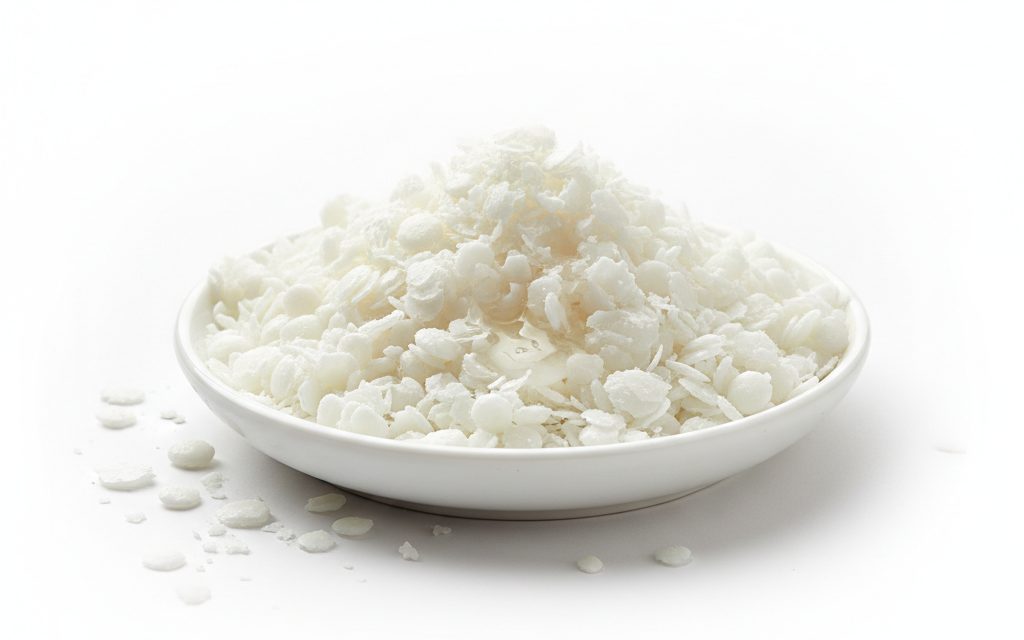
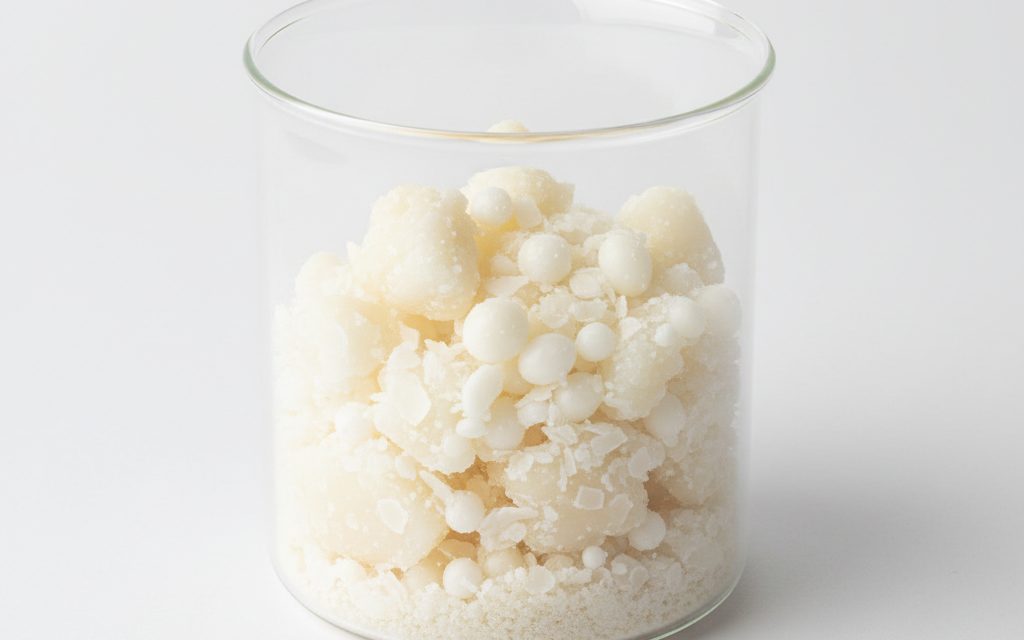
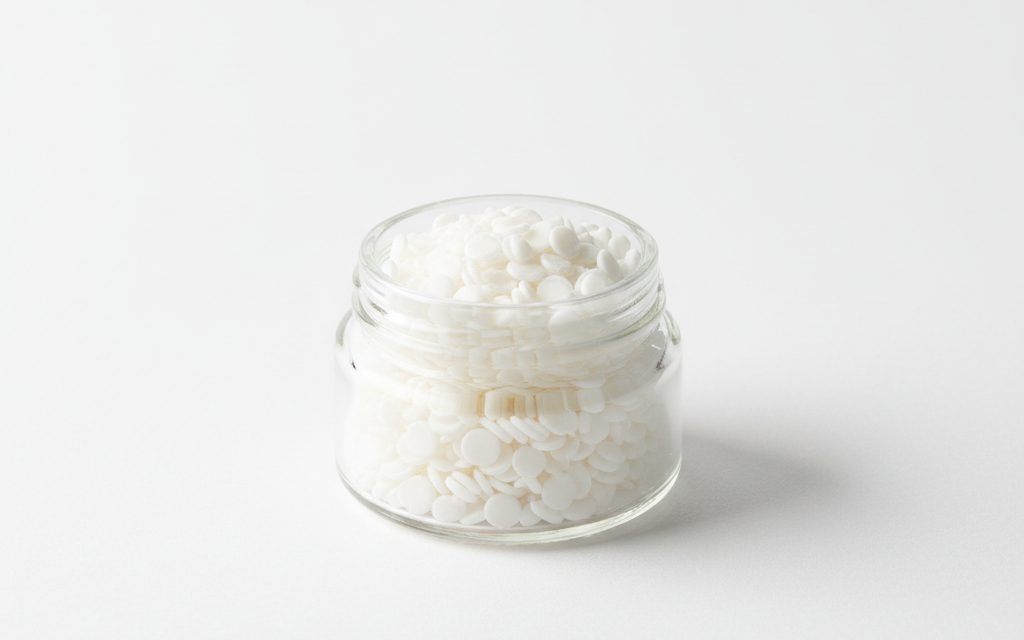
- Available in flake, pastille and prill forms suited to different charging equipment
Limitations to consider
- C16/C18 ratio varies by source and materially changes texture and hardness
- Requires a heated phase; it will not disperse in a cold batch
- Overuse produces a waxy, draggy feel that consumers reject
- Use level is established in your own formulation by bench trial and stability testing. Supplier literature ranges are a starting point for that work, not a specification, and they are not reproduced here as one.
- Colour, odour and sensory behaviour vary between manufacturing sources even where the INCI name is identical, and in personal care those differences are visible to the end consumer. Approve a production-representative sample against your own finished format before the first commercial shipment.
How to choose the right grade
- State the emulsion type you need — oil-in-water, water-in-oil or a cationic conditioning emulsion
- Give the oil phase and its polarity, because emulsifier selection follows the oil rather than the water
- Confirm the processing temperature and cooling profile the plant can hold
- Decide whether the system is a complete emulsifying wax or a pair of components you will balance yourself
- Confirm compatibility with the actives, electrolytes and preservative system already fixed in the formula
- Ask for the declared C16/C18 ratio and match it when qualifying a second source
- Confirm the physical form your charging and melting equipment handles best
- Bench results do not transfer automatically to production. Order of addition, shear, neutralisation and cooling profile all change behaviour at scale, so plan a pilot batch on the intended equipment before committing to a production volume.
- Exact specification is confirmed against supplier documentation at quotation.
Typical grades
- Grades differentiated by declared C16/C18 ratio
- Flake, pastille and prill physical forms
- Buyers search for personal-care, cosmetic and pharmaceutical grade material by name, and those words describe what the buyer needs rather than what is asserted here. Which grade a specific offer corresponds to, and what documentation supports it, is read from the supplier documentation for the exact product quoted.
- Active matter, assay and purity are per-offer values that are declared by the supplier for the exact lot. They change both the use level in the formulation and the true cost per unit of function delivered, so quotations are compared on declared active content rather than on price per kilogram.
- Natural, plant-derived, hypoallergenic, dermatologically tested and similar positioning statements belong to the finished brand and must be supported by the brand owner's own evidence. Any such wording attached to a raw material is treated here as a buyer search term, not as a substantiated property of the material offered.
Comparable materials — how Cetearyl Alcohol sits against alternatives
- Cetyl alcohol
- Stearyl alcohol
- Emulsifying wax NF
- Behenyl alcohol where offered
- Formulators looking for an alternative, replacement or second-source supplier should state the incumbent material, the supplier grade currently approved and the property being matched. Personal-care raw materials are rarely interchangeable on INCI name alone: sensory, rheology, colour, odour and preservative interaction all shift between sources, and a bench trial is the only honest comparison.
Comparable-material reference. Grade selection is confirmed at RFQ against your process.
Procurement coverage
How to specify, order and receive Cetearyl Alcohol
Written for procurement, quality and technical buyers in Canada and the United States. No numeric price, MOQ, stock or lead-time value is published — those are confirmed per shipment in the quotation and against the confirmed batch.
How buyers specify at RFQ
- INCI name and chemical identity of the exact material required
- Physical form supplied and how it is dispersed, dissolved or metered on your equipment
- Active matter or assay as the supplier declares it for that grade
- Colour and odour expectations for the finished format
- Preservation status of the material as supplied, where it is water-containing
- Documentation set required before the material can be used in a batch
- Exact specification is confirmed against supplier documentation at quotation.
Packaging options (industry-standard)
- Bag or fibre-drum format for normal production consumption
- Small sealed pack format for actives and low-use-level materials, which protects both quality and inventory value
- Jumbo / FIBC format only where consumption and handling equipment justify it
- Packaging options and available pack sizes are confirmed with each quotation.
Storage & handling
- Store dry, sealed and off the floor; absorbed moisture causes caking and changes dispersion and dosing behaviour
- Keep fragranced, coloured and odour-sensitive materials segregated, because odour pick-up in storage shows up in the finished product
- Rotate stock first-in-first-out and record lot numbers against each finished batch
- Canadian winter transport and storage matter for this category: several materials freeze, crystallise, cloud or separate at low temperature, and recovery behaviour after freezing is grade-specific. Confirm cold-chain and reconditioning guidance with the supplier documentation before a winter delivery.
Documentation available
- Technical data sheet (TDS) for the exact grade offered, stating the properties as the supplier declares them
- Safety data sheet (SDS) in the format required for Canadian import, in English and French where the receiving site requires it
- Certificate of analysis (COA) against the confirmed production lot
- INCI name and composition statement for finished-product labelling by the brand owner
- Allergen, residual-solvent, heavy-metal or microbiological statements where the finished format requires them and the supplier issues them
- Documentation is confirmed per batch at quotation; availability depends on the grade and supplier offered.
- Cosmetic, drug and household-product ingredients sold into Canada sit under Health Canada requirements including the Cosmetic Ingredient Hotlist, and INCI naming and labelling obligations fall on the finished-product owner. Whether a specific offer carries the documentation a given regulated use needs is confirmed against supplier paperwork at quotation.
- Contract manufacturers and brand owners usually need the documentation pack approved before a raw material can enter a batch record. Ask for the full pack against the exact grade at the enquiry stage rather than after the order, because documentation availability differs by supplier and by manufacturing site.
RFQ checklist for cetearyl-alcohol-canada
Include these fields to receive an accurate Canada-landed quotation
- The finished format the material goes into — rinse-off, leave-on, oral care, household or industrial cleaning
- The function you need it to perform, and the property you are matching if you are replacing an incumbent
- Annual volume and expected quantity per shipment
- Pack format your warehouse and production floor can actually receive and handle
- Documentation required per shipment, including anything your quality system needs before a batch record can open
- Delivery province and site receiving arrangements
- Whether a production-representative sample is needed for approval before the first commercial order
- The oil phase and its approximate proportion in the formulation
- Processing temperature and cooling capability on the intended equipment
- Whether the emulsion is cationic, anionic or non-ionic in character
- Landed cost in Canada is driven by pack format, delivery province and receiving arrangements as much as by unit price, and dilute aqueous materials are largely water by weight. Quotations are compared delivered to your plant rather than ex-works.
Technical & procurement detail
Where cetearyl alcohol is used+
Cetearyl alcohol is a fatty alcohol used as a thickener, co-emulsifier and consistency factor in creams and conditioners. Allzone reviews the intended formulation or process with the supplier before quoting so the correct grade is offered.
Formulation grades are quoted separately+
Personal care, home care and industrial grades of the same chemistry are treated as distinct specifications and are not presented as interchangeable. State the finished product type, use level and pH range in your enquiry so the correct grade is reviewed with the supplier.
How specifications are confirmed+
Allzone does not publish assumed purity, active content, particle size, moisture, origin, certification, regulatory approval, packaging or price values. Grade, specification and documentation are confirmed in writing against supplier technical data sheets and safety data sheets before an order is placed.
Frequently asked questions
What grade of cetearyl alcohol do you supply?+
The grade and specification are confirmed at quotation against the supplier technical data sheet. No purity, specification or certification value is published in advance.
Can I request a technical data sheet and a safety data sheet?+
Yes. Both the supplier technical data sheet and the safety data sheet for the quoted grade are provided on request and should be reviewed before purchase and use.
Do you deliver cetearyl alcohol across Ontario and Quebec?+
Yes. Freight is arranged across Toronto, the GTA, Ontario, Quebec and Western Canada, and the delivery method is confirmed with the quotation.
What quantities can you supply?+
Quantities are reviewed per enquiry, from smaller lots to container loads.
Technical knowledge for Cetearyl Alcohol Supplier — Ontario & Canada
Engineering and purchasing guidance written for this material — understand it, apply it, compare options, specify a grade, and fix production problems.
Foundation Articles
Application Guides
Comparison Articles
Troubleshooting Guides
Related products
Materials commonly quoted alongside Cetearyl Alcohol by the same plants.
Glyceryl Stearate
Emollient and structuring agent — oil-in-water cream and lotion bases
PEG-100 Stearate
Emollient and structuring agent — oil-in-water cream and lotion bases
Cetyl Alcohol
Fatty alcohol co-emulsifier — oil-in-water cream and lotion bases
Need a quote on Cetearyl Alcohol?
Request pricing, TDS/SDS and available documentation. We usually acknowledge enquiries within one business day; samples are subject to supplier availability and product classification.