
ATMP
Allzone Trading supplies atmp to water treatment, industrial and municipal customers in Toronto, the GTA, Ontario, Quebec and across Canada. ATMP is an organophosphonate used to inhibit scale formation and to sequester metal ions in circulating water systems. Concentration and form are confirmed with the supplier at quotation.
At a glance
- Product
- ATMP
- Grades
- Grade confirmed at quotation
- Typical applications
- Cooling water scale inhibition · Calcium carbonate scale control · Corrosion inhibitor formulations
- Packaging
- Packaging confirmed at quotation against the supplier specification
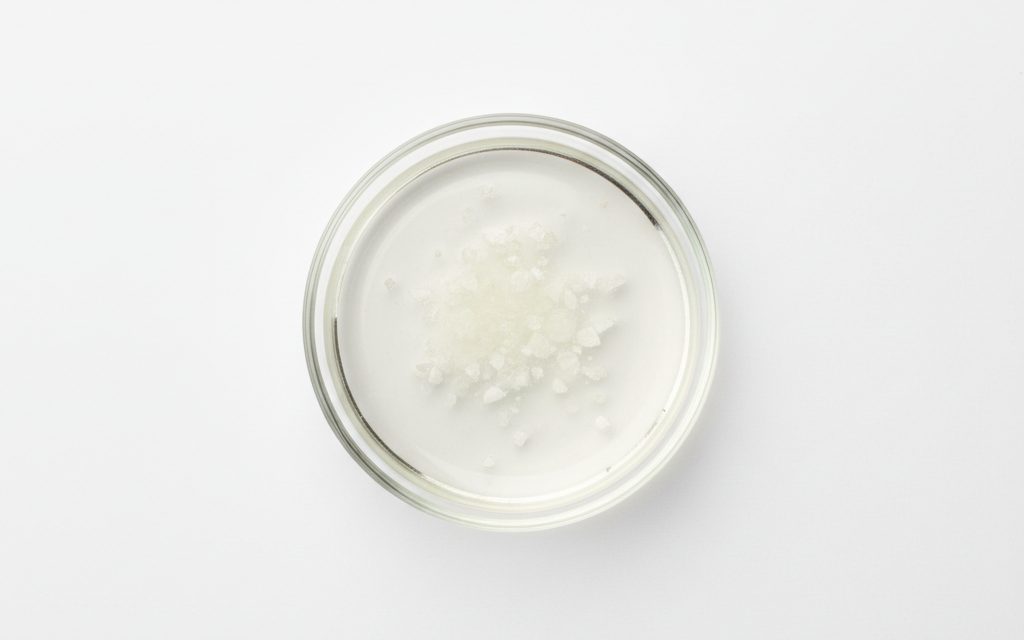
- • Certificate of Analysis is provided against the confirmed shipment, grade and batch.
- • Manufacturer TDS and SDS are subject to grade and supplier confirmation and are available on request.
- • Grades, packaging and origin above are indicative sourcing options and are confirmed at quotation.
Available grades from container-direct sourcing
Grade confirmed at quotation
Grade, concentration and active content are quoted and confirmed against the supplier technical data sheet before any order is placed.
Typical applications
- Cooling water scale inhibition
- Calcium carbonate scale control
- Corrosion inhibitor formulations
- Oilfield and process water treatment
- Cleaning chemical formulation
Why Canadian buyers choose us
- Municipal, industrial, wastewater, boiler/cooling, RO and pool duties quoted as separate specifications
- Grade, concentration and active content confirmed in writing before order confirmation
- Supplier technical data sheet and safety data sheet provided for the quoted grade
- Freight arranged across Toronto, the GTA, Ontario, Quebec and Western Canada
- Quantities reviewed per enquiry, from smaller lots to container loads
Typical industries served
Material identity
ATMP scale inhibitor — identifiers and the names buyers use
- Chemical identity
- Amino trimethylene phosphonic acid, supplied as solution or solid
- Function
- Phosphonate scale inhibitor and chelant
- Concentration / active content
- UNKNOWN — declared per product on supplier documentation at quotation
- Dose
- UNKNOWN — set by the water chemistry and operating conditions of the system treated
Also searched as
Abbreviations
Industry terminology
Identifiers are published for material identification. The exact specification of any offered grade is confirmed against supplier documentation at quotation.
Buyer intent coverage
ATMP scale inhibitor — what it is, where it is used, how it is chosen
ATMP is a phosphonate chosen for strong chelating power and good general scale inhibition, often blended with other phosphonates rather than used alone. Formulators reach for it where metal ion control matters as much as scale threshold effect. It is less chlorine-stable than HEDP, which is the practical reason a cooling programme with continuous oxidant dosing may favour a different active or a blend.
Primary uses
- Scale inhibition in cooling and process water programmes
- Metal ion chelation in industrial formulations
- Corrosion control as one component of a blended programme
- Scale control in oilfield water systems
Applications
- Industrial cooling water treatment
- Formulated water-treatment product manufacture
- Oil and gas produced-water systems
- Industrial cleaning formulations
Advantages
- Strong chelating capability alongside threshold scale inhibition
- Effective across a broad range of scaling waters
- Commonly blended, so it fits established formulation practice
Limitations to consider
- Less stable to chlorine than HEDP, which matters in oxidising programmes
- Adds phosphorus to the discharge
- Can form calcium phosphonate precipitate in very hard water
- Rarely used alone, so performance depends on the whole formulation
- Dose is established on your own water by jar test, coupon monitoring or a controlled plant trial. Supplier literature values are starting points for that trial, not a specification.
- Many treatment chemicals are regulated in transport and have specific storage, containment and personal-protection requirements. The SDS for the exact product offered is the governing document, and it should be reviewed before the delivery is scheduled rather than after it arrives.
How to choose the right grade
- Start from a full water analysis and the operating conditions: temperature, cycles of concentration, holding time and metallurgy
- Say whether the duty is pH correction, scale inhibition, corrosion inhibition or a combination, because those are different products
- Confirm the metallurgy actually present, including any copper alloys, since inhibitor selection follows it
- Confirm whether the system feeds a potable, food-contact or membrane application, which restricts what can be used
- Confirm the discharge conditions, since phosphorus and metals limits can rule out otherwise suitable chemistry
- Confirm what is already dosed: interactions between programmes cause more failures than the chemicals themselves
- Scale and corrosion programmes are designed against the water chemistry and the operating conditions of the specific system — hardness, alkalinity, silica, temperature, cycles of concentration and metallurgy. A product that performs well in one cooling tower can be the wrong choice in the next one down the street.
- Exact specification is confirmed against supplier documentation at quotation.
Typical grades
- Solution grades at active content declared per offer
- Solid and sodium salt grades where offered
- Solution strength and active content are per-offer values, and they change the dose and the true cost per unit of water treated. Compare quotations on active content delivered, not on price per litre or per kilogram, and read the value from the supplier documentation for the exact product offered.
- Drinking-water and food-contact applications require certification held for the specific product and manufacturing site. Whether the product offered carries it is confirmed against supplier documentation at quotation and is never presented here as a held approval.
Comparable materials — how ATMP scale inhibitor sits against alternatives
- HEDP
- DTPMP
- PBTC
- Polymeric dispersants
- Buyers looking for an alternative or second-source supplier should state the incumbent product and the property being matched. Treatment chemicals are rarely interchangeable on name alone: comparison depends on declared documentation and on a controlled trial in the running system.
Comparable-material reference. Grade selection is confirmed at RFQ against your process.
Procurement coverage
How to specify, order and receive ATMP scale inhibitor
Written for procurement, quality and technical buyers in Canada and the United States. No numeric price, MOQ, stock or lead-time value is published — those are confirmed per shipment in the quotation and against the confirmed batch.
How buyers specify at RFQ
- Product identity and the function it performs in the programme
- Active content or assay as the supplier declares it for the exact product offered
- Physical form and the feed or make-down equipment it requires
- Thermal and pH stability limits as the supplier states them
- Compatibility with other products already dosed in the same system
- Certification or regulatory status where the water reaches a regulated use
Packaging options (industry-standard)
- Drum or pail format sized to the dosing pump and the service interval
- IBC / tote format where consumption justifies it
- Format matched to the dosing skid already installed, since changing container type usually means changing hardware
- Packaging options and available pack sizes are confirmed with each quotation.
Storage & handling
- Confirm tank, pipework, gasket and pump material compatibility against the SDS before the first delivery — the wrong elastomer fails quickly on treatment chemicals
- Provide secondary containment sized to the largest vessel, and keep incompatible chemicals in separate bunds
- Protect from Canadian winter conditions: several treatment solutions crystallise, freeze or separate at low temperature, and heat tracing or indoor storage may be needed
- Chemical incompatibility in storage and dosing is a genuine safety issue on treatment sites. Confirm segregation distances, separate containment, dedicated fill points and clearly distinct connections before a new product is introduced alongside an existing one.
Documentation available
- Technical data sheet (TDS) naming the function, the recommended control range and the tests used to monitor it
- Safety data sheet (SDS) in the format required for Canadian import
- Certificate of analysis or batch conformance statement against the confirmed lot
- Regulatory registration or membrane-compatibility documentation where the application requires it
- Documentation is confirmed per batch at quotation; availability depends on the grade and supplier offered.
RFQ checklist for atmp-scale-inhibitor-canada
Include these fields to receive an accurate Canada-landed quotation
- The system being treated and what it does — drinking water, effluent, cooling, boiler, process or recreational water
- The problem you are trying to solve, and the limit or target you have to meet
- A current water or effluent analysis, since it decides what will actually work
- Annual volume and expected per-shipment quantity
- Packaging format your receiving and dosing installation can accept
- Documentation required per shipment, including any potable-service certification
- Delivery province and site receiving arrangements
- Full water analysis including hardness, alkalinity, silica, chloride and pH
- Operating temperature, cycles of concentration and system metallurgy
- The existing treatment programme and any product being replaced
- Discharge limits that apply to the blowdown or effluent
- Dilute treatment solutions are largely water by weight, so freight distance, delivery format and discharge arrangements move landed cost as much as the chemical price does. Quotations are compared delivered to your plant, not ex-works.
- Whatever is dosed has to be measured. Confirm which residual, index or coupon test the programme is controlled against, and that your team has the instruments and reagents to run it, before the chemistry is changed.
Technical & procurement detail
Where atmp is used+
ATMP is an organophosphonate used to inhibit scale formation and to sequester metal ions in circulating water systems. Concentration and form are confirmed with the supplier at quotation.
Application areas are quoted separately+
Municipal water, industrial process water, wastewater, boiler and cooling water, reverse osmosis and swimming pool applications are treated as distinct specifications. Products supplied for one of these duties are not presented as interchangeable with another. State the intended application in your enquiry so the correct specification is reviewed with the supplier.
How specifications are confirmed+
Allzone does not publish assumed purity, concentration, active content, packaging, origin, certification or regulatory approval values. The grade, specification and documentation are confirmed in writing against supplier technical data sheets and safety data sheets before an order is placed. Request the technical data sheet and safety data sheet for the exact grade under consideration.
Frequently asked questions
What grade of atmp do you supply?+
The grade and specification are confirmed at quotation against the supplier technical data sheet. No purity, concentration or certification value is published in advance.
Can I request a technical data sheet and a safety data sheet?+
Yes. Both the supplier technical data sheet and the safety data sheet for the quoted grade are provided on request and should be reviewed before purchase and use.
Do you deliver atmp across Ontario and Quebec?+
Yes. Freight is arranged across Toronto, the GTA, Ontario, Quebec and Western Canada, and the delivery method is confirmed with the quotation.
What quantities can you supply?+
Quantities are reviewed per enquiry, from smaller lots to container loads.
Technical knowledge for ATMP Supplier — Ontario & Canada
Engineering and purchasing guidance written for this material — understand it, apply it, compare options, specify a grade, and fix production problems.
Foundation Articles
Comparison Articles
Related products
Materials commonly quoted alongside ATMP by the same plants.
HEDP
Scale and corrosion inhibitor — cooling water scale and corrosion inhibition
PBTC
Scale and corrosion inhibitor — cooling water scale and corrosion control
Sodium Hexametaphosphate (SHMP)
Threshold scale inhibition in water systems
Need a quote on ATMP?
Request pricing, TDS/SDS and available documentation. We usually acknowledge enquiries within one business day; samples are subject to supplier availability and product classification.