
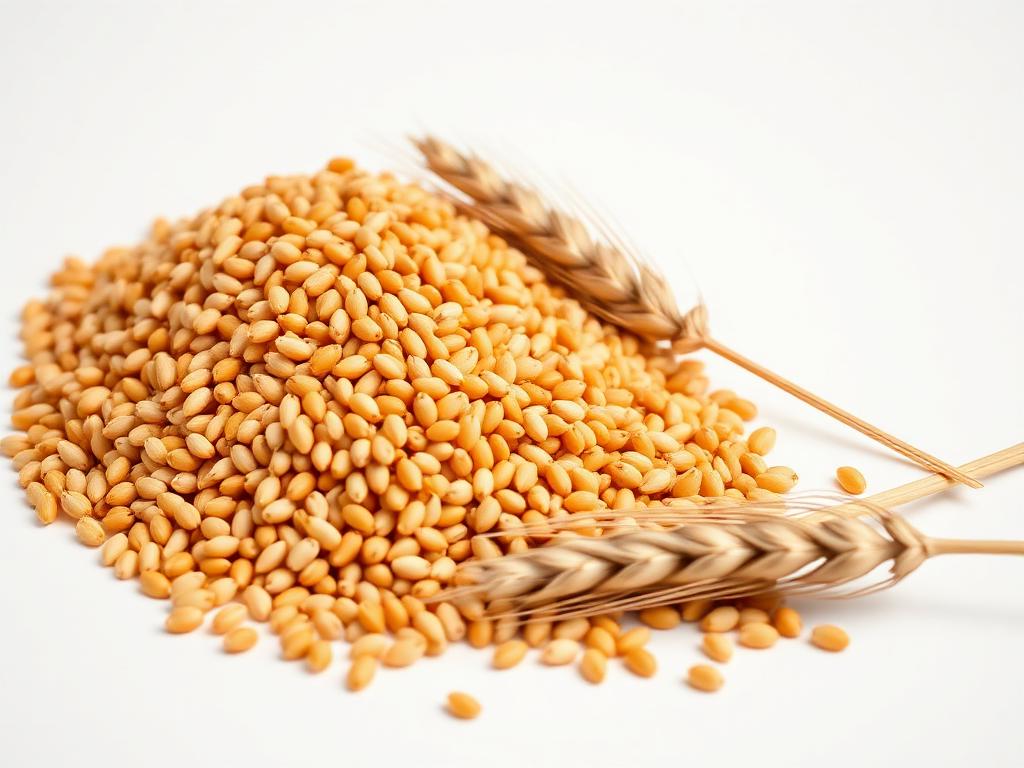
Wheat
Durum and spring wheat classes, quoted on protein and falling number.
Indicative HS heading: 1001
Prices are quoted per enquiry. Availability, origin and certification are confirmed per shipment.
Product overview
Wheat is not one product. Durum is grown for pasta and couscous, where semolina yield, vitreous kernel content and yellow pigment decide the value. Hard red spring wheat is grown for bread, where protein content and gluten strength decide whether a mill can hold its flour specification through a season. A mill buying the wrong class is not saving money — it is buying a product that cannot do the job.
Three numbers carry most of a wheat contract. Protein sets the baking or pasta performance. Falling number reports sprout damage: a low value means alpha-amylase activity that will wreck dough handling and loaf structure, and no amount of blending fully repairs it. Test weight is the crude but reliable indicator of kernel soundness and milling yield.
Add moisture and a maximum for foreign material and heat-damaged kernels, and you have a contract that a miller can actually work with.
Canadian supply context
Canada grows and exports wheat under a formal class system, with hard red spring and amber durum the best-known export classes. Grain moves from prairie elevators by rail to west and east coast terminals, where it is graded and loaded under an established inspection regime.
For buyers this means the class designation is meaningful rather than decorative: it describes an agreed set of physical and functional characteristics. The lot-level values still have to be confirmed on a certificate of analysis for each shipment.
Types, grades and variants
All variants of Wheat are supplied from this single product record — there is no separate page or separate specification to chase.
Amber durum
Pasta and couscous milling; semolina yield and vitreous kernels drive value.
Hard red spring wheat
Bread milling; bought on protein and gluten strength.
Milling wheat, general purpose
Blending and general bakery flour applications.
Feed wheat
Energy source for compound feed; graded on soundness rather than baking quality.
Key specifications
Indicative ranges for the commodity. Lot values are confirmed on the certificate of analysis for each shipment.
- Protein
- Typically quoted between 11.5 % and 14.5 %; confirmed per lot
- Moisture
- Normally 13.5 % maximum at loading
- Test weight
- Stated in kg/hl per contract
- Falling number
- Minimum agreed per contract — key sprout-damage indicator
- Foreign material
- Maximum stated per contract, with separate limits for damaged kernels
Applications
- Pasta and couscous production (durum)
- Bread and bakery flour milling
- Flour blending to a fixed protein target
- Semolina production
- Compound animal feed (feed grade)
Packaging & supply options
- Bulk vessel parcels
- Bulk in lined shipping containers
- 50 kg bags on request for smaller programmes
- 1,000 kg bulk bags for niche volumes
Export & commercial notes
- Bulk vessel business is contracted on a volume and laycan basis; container programmes suit smaller mills.
- Specify protein and falling number minimums explicitly — they are the two clauses that get argued at discharge.
- Quoted FOB, CFR or CIF against a defined crop position.
Documentation
Commonly relevant documents. Availability is confirmed per order and destination.
- Certificate of Analysis
- Phytosanitary Certificate
- Certificate of Origin
- Grade and weight certificate at load port
- Fumigation certificate where required
Related industries
Related export products
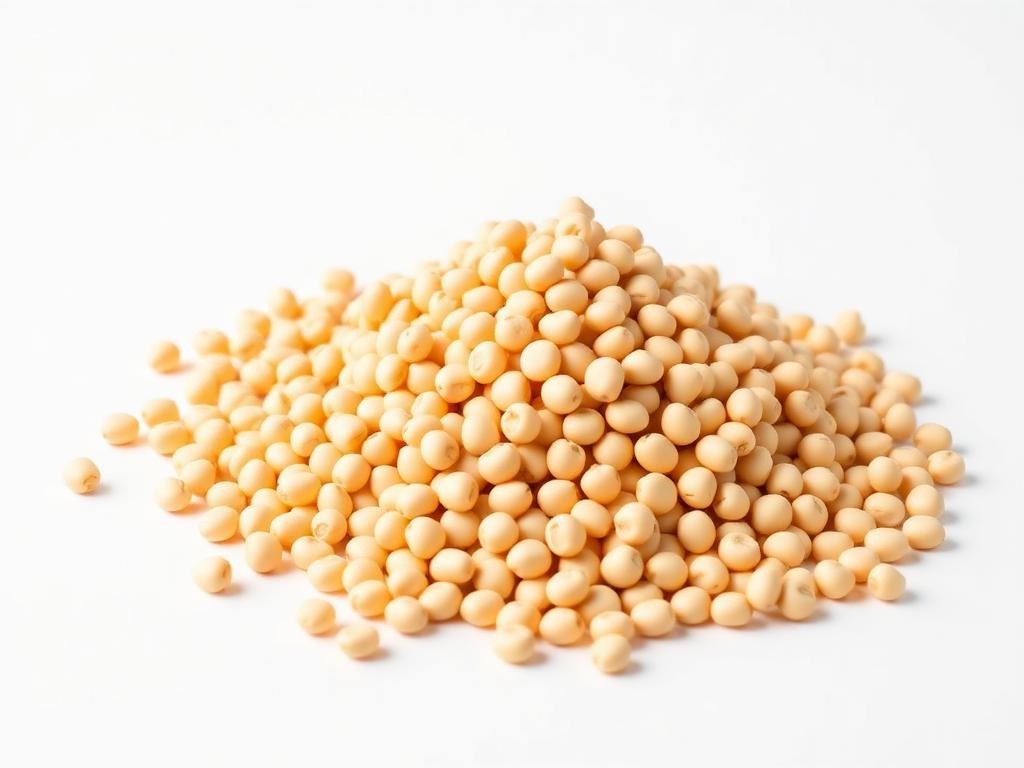
Soybeans
Food-grade and crushing soybeans, including identity-preserved non-GMO programmes.
View product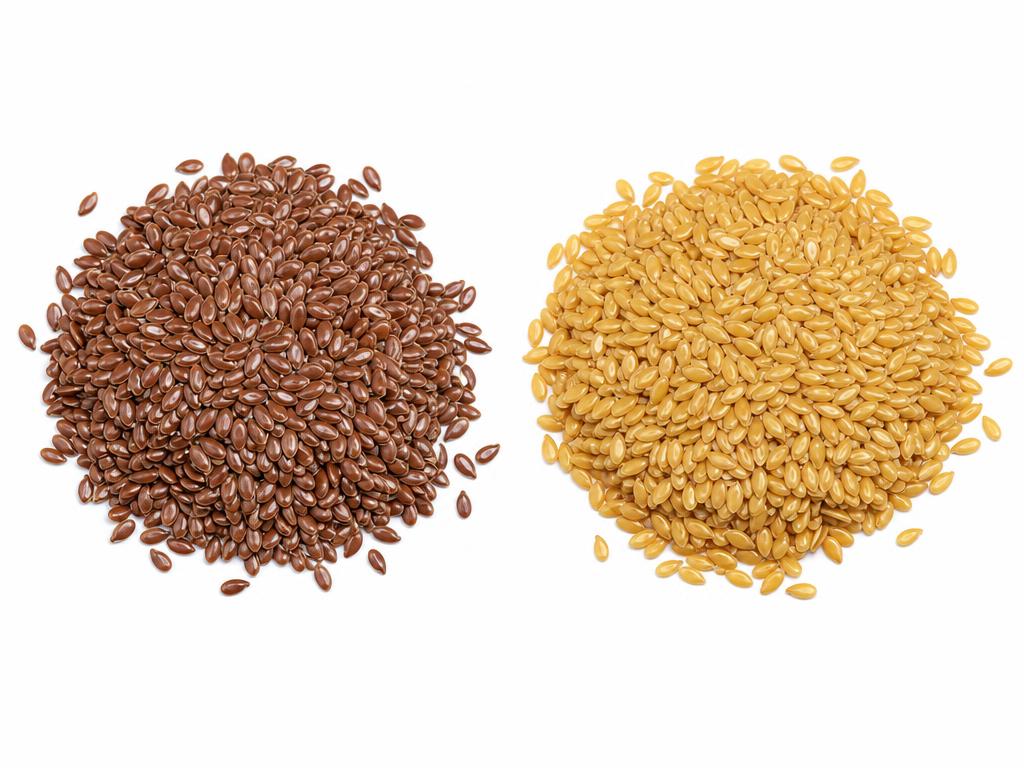
Flaxseed
Brown and golden flaxseed for food, feed, milling and industrial linseed oil.
View product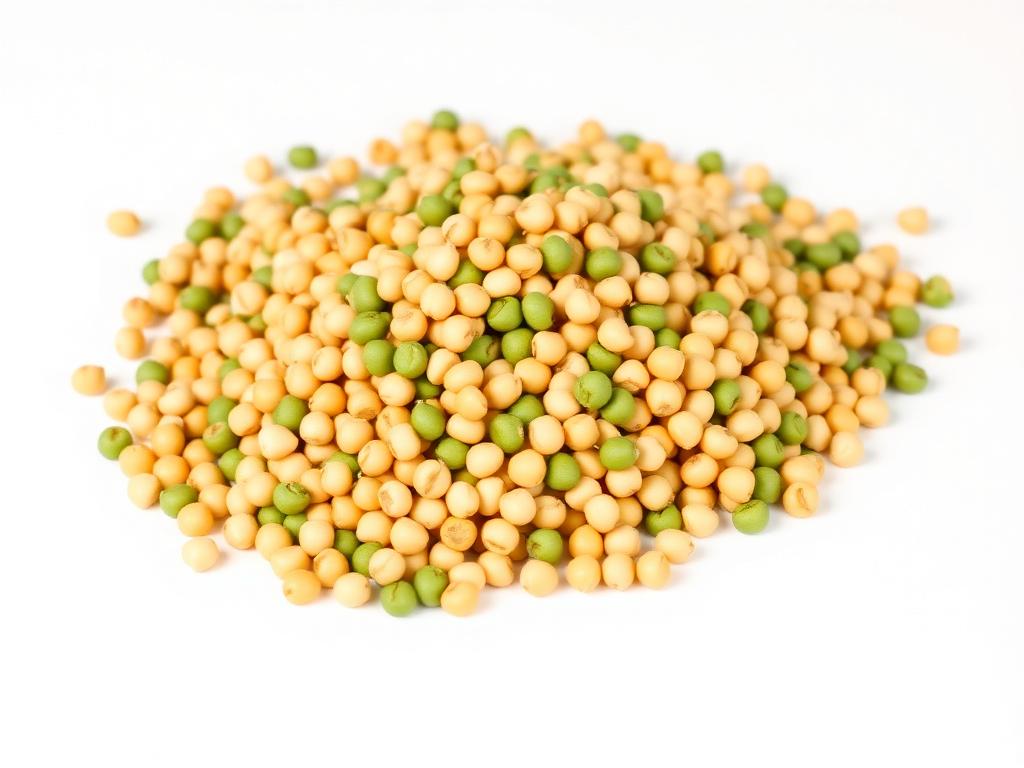
Dry Peas
Yellow and green field peas — whole or split, for food, feed and fractionation.
View productReady to price Wheat?
Send the specification you already have — even a single line is enough to start. Attach a previous datasheet, tender document or purchase specification if you have one.