
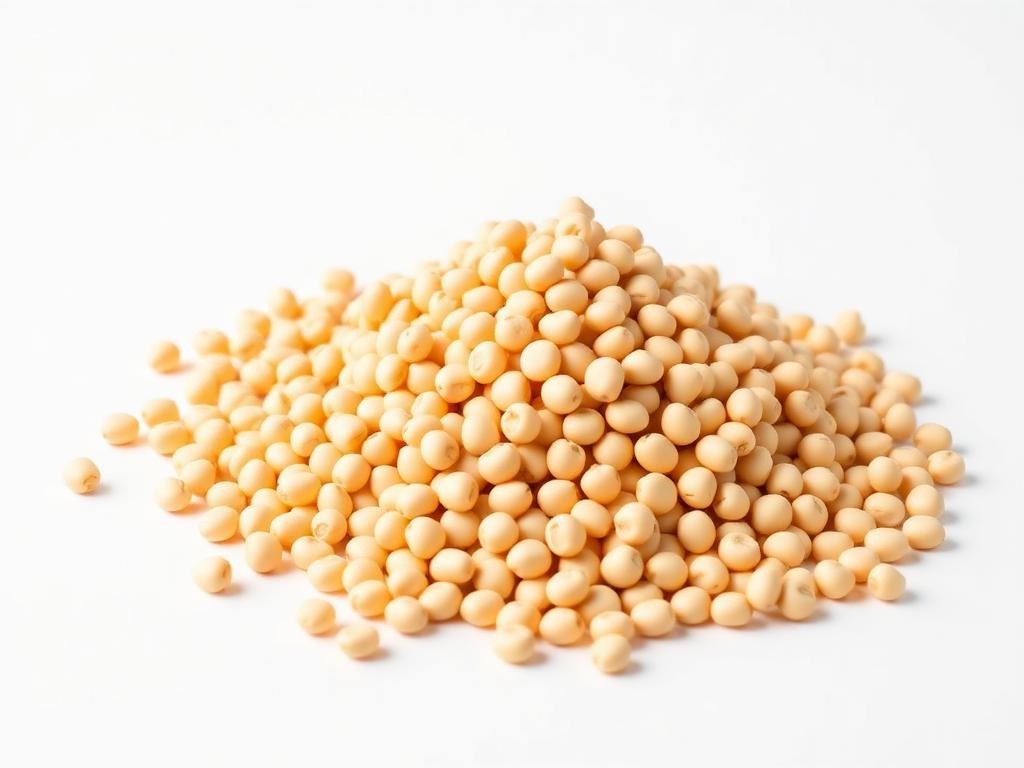
Soybeans
Food-grade and crushing soybeans, including identity-preserved non-GMO programmes.
Indicative HS heading: 1201.90
Prices are quoted per enquiry. Availability, origin and certification are confirmed per shipment.
Product overview
Soybeans split into two commercial worlds. Crushing beans are bought as a source of oil and meal, valued on oil content and protein, and handled in bulk with no identity requirement. Food-grade beans — for tofu, soymilk, natto and miso — are a different business entirely: the buyer needs a specific seed size, a clear hilum, high protein, and above all a documented identity-preserved chain proving the beans are what the label says.
Identity preservation is a logistics discipline, not a certificate. It means segregated handling from farm through elevator, cleaning plant and container, with sampling at each transfer. That segregation is what costs money and what an IP premium actually pays for.
For tofu processors, protein content and water absorption govern yield; for natto, small seed size is the whole specification. State the finished product and the specification follows.
Canadian supply context
Canada produces soybeans mainly in Ontario, Quebec and Manitoba, and has a long-standing food-grade and identity-preserved export trade serving Asian tofu, soymilk and natto manufacturers.
Non-GMO and IP programmes are contracted with defined segregation and documentation. Where a buyer needs that assurance, it must be specified at contracting — it cannot be applied retroactively to a commodity lot.
Types, grades and variants
All variants of Soybeans are supplied from this single product record — there is no separate page or separate specification to chase.
Food-grade soybeans
Clear hilum, high protein; tofu and soymilk manufacture.
Identity-preserved non-GMO
Segregated handling with documentation through the chain.
Small-seeded types
Natto and sprouting applications.
Crushing soybeans
Bought on oil and protein for oil and meal production.
Key specifications
Indicative ranges for the commodity. Lot values are confirmed on the certificate of analysis for each shipment.
- Protein
- Commonly 38–42 % on a dry basis for food grade; confirmed per lot
- Moisture
- Normally 13–14 % maximum at loading
- Oil content
- Stated for crushing lots
- Damaged and splits
- Maximum agreed per contract; tighter for food grade
- GMO status
- Declared; IP programmes carry segregation documentation
Applications
- Tofu, soymilk and bean curd production
- Natto, miso and fermented soy foods
- Soybean crushing for oil and meal
- Compound animal feed (meal stream)
- Sprouting and specialty food use
Packaging & supply options
- 25 kg and 50 kg bags
- 1,000 kg bulk bags
- Bulk in lined containers; vessel parcels for crushing volumes
Export & commercial notes
- IP and non-GMO requirements must be stated at enquiry stage — they change the sourcing route and the price basis.
- Food-grade programmes usually run on annual or seasonal contracts rather than spot bookings.
- Quoted FOB, CFR or CIF.
Documentation
Commonly relevant documents. Availability is confirmed per order and destination.
- Certificate of Analysis
- Phytosanitary Certificate
- Certificate of Origin
- Non-GMO / IP documentation where contracted
- Independent survey certificate on request
Related industries
Related export products
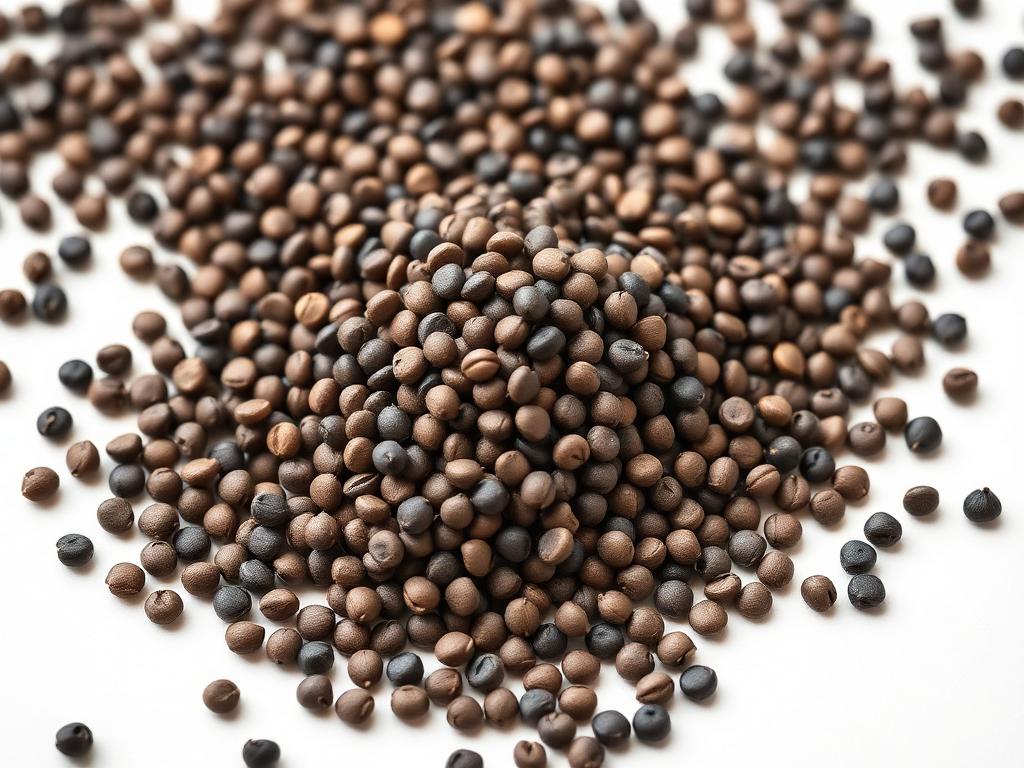
Canola Seed
Double-low oilseed for crushing — quoted on oil content, moisture and impurity.
View product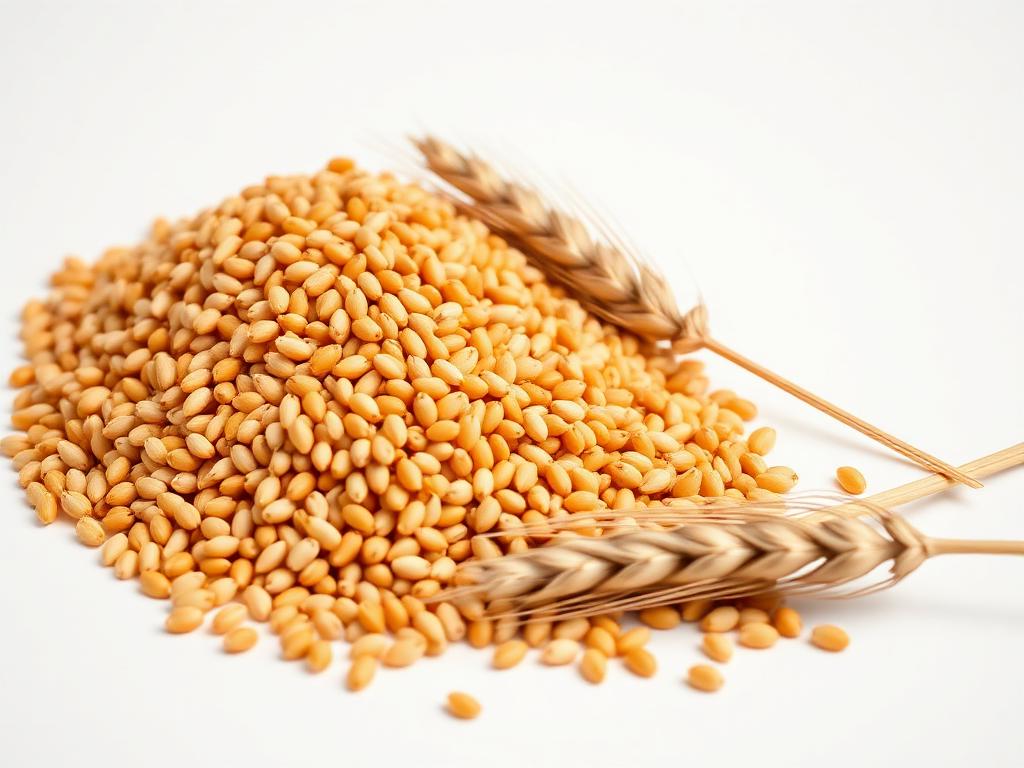
Wheat
Durum and spring wheat classes, quoted on protein and falling number.
View product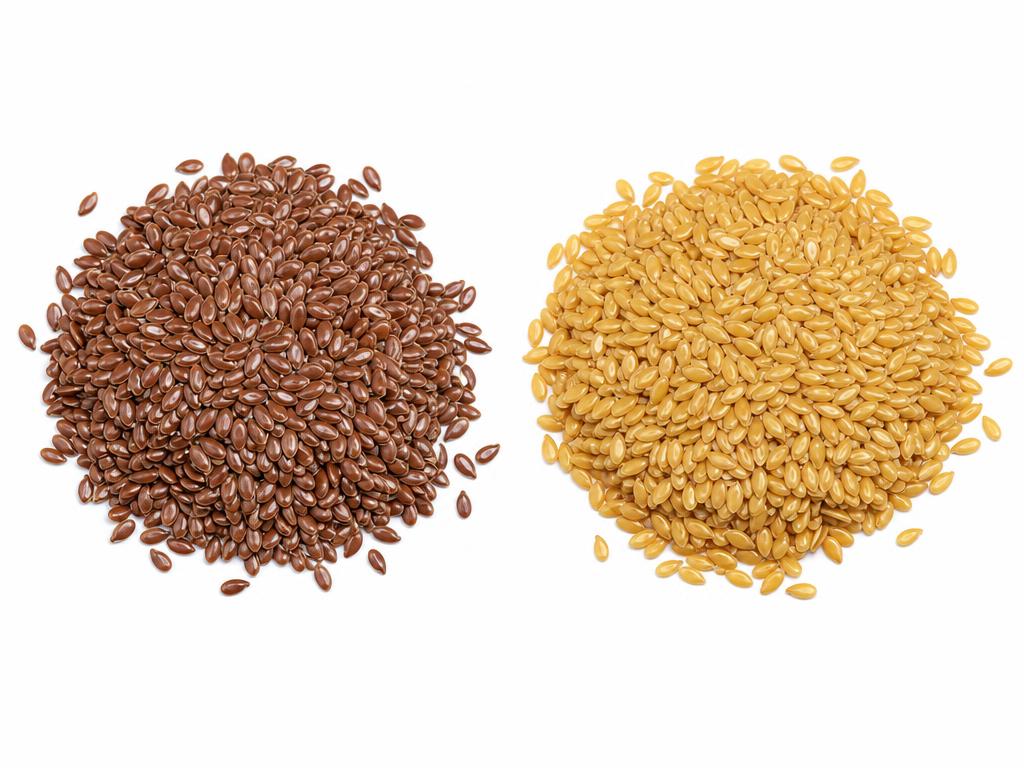
Flaxseed
Brown and golden flaxseed for food, feed, milling and industrial linseed oil.
View productReady to price Soybeans?
Send the specification you already have — even a single line is enough to start. Attach a previous datasheet, tender document or purchase specification if you have one.