
Mustard Seed
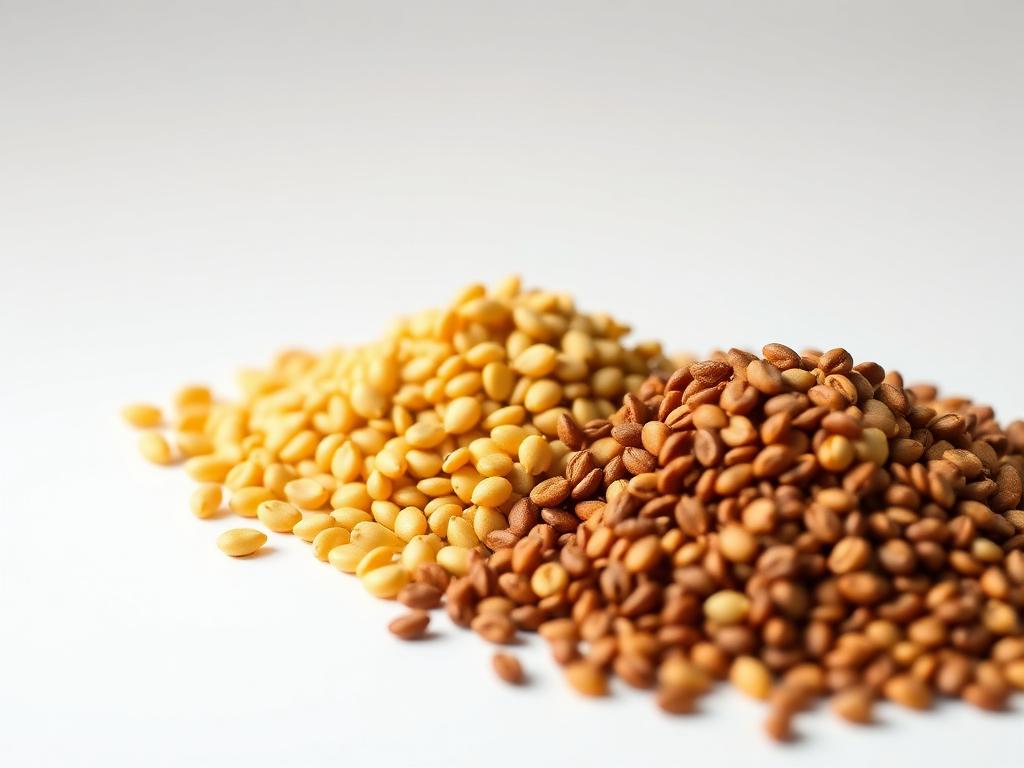
Yellow, brown and oriental mustard seed — three types, three different jobs.
Indicative HS heading: 1207.50
Prices are quoted per enquiry. Availability, origin and certification are confirmed per shipment.
Product overview
Mustard is bought by type because the three types are chemically different products. Yellow (white) mustard is the mild condiment base used in table mustard and as a natural emulsifier and binder in processed meat. Brown mustard carries the sharp pungency associated with Dijon-style and Asian condiments. Oriental mustard is grown largely for oil and for high-heat condiment work.
Pungency in the brown and oriental types comes from glucosinolate content, and it is heat- and moisture-sensitive — badly stored seed loses the very property the buyer is paying for. Yellow mustard, by contrast, is valued for its mucilage and water-binding behaviour, which is why it appears in formulations that never taste of mustard at all.
Cleanliness is the other half of the specification. Mustard is a small seed and cleaning plants are judged on their ability to remove other small seeds and inert matter without loss.
Canadian supply context
Canada is a major origin in world mustard seed trade, with production concentrated in Saskatchewan and Alberta. All three commercial types are grown, and cleaning and grading capacity is established close to the growing regions.
Because the three types serve different industries, they are contracted separately and their availability does not move in step. State the type in the enquiry — 'mustard seed' alone cannot be quoted accurately.
Types, grades and variants
All variants of Mustard Seed are supplied from this single product record — there is no separate page or separate specification to chase.
Yellow (white) mustard
Mild; condiment base, emulsifier and binder in food formulation.
Brown mustard
Pungent; Dijon-style and Asian condiment production.
Oriental mustard
Oil extraction and high-pungency condiment use.
Milled / ground presentations
Available against confirmed demand and agreed particle specification.
Key specifications
Indicative ranges for the commodity. Lot values are confirmed on the certificate of analysis for each shipment.
- Purity
- Typically 99 %+ after cleaning
- Moisture
- Normally 10 % maximum at loading
- Admixture
- Other seeds and inert matter limited per contract
- Oil content
- Type dependent; stated per lot where relevant to the application
- Heat damage
- Maximum agreed per contract — affects pungency retention
Applications
- Table mustard and condiment manufacture
- Processed meat binding and emulsification
- Spice blends and pickling
- Mustard oil extraction
- Sauce and dressing formulation
Packaging & supply options
- 25 kg and 50 kg woven polypropylene bags
- 1,000 kg bulk bags
- Bulk in lined containers
Export & commercial notes
- Contract by type and by intended use; pungency-critical buyers should agree a testing method in advance.
- Keep transit temperature exposure in mind for pungency-sensitive lots on long tropical routes.
- Quoted FOB, CFR or CIF.
Documentation
Commonly relevant documents. Availability is confirmed per order and destination.
- Certificate of Analysis
- Phytosanitary Certificate
- Certificate of Origin
- Pesticide residue report on request
Related industries
Related export products
Flaxseed
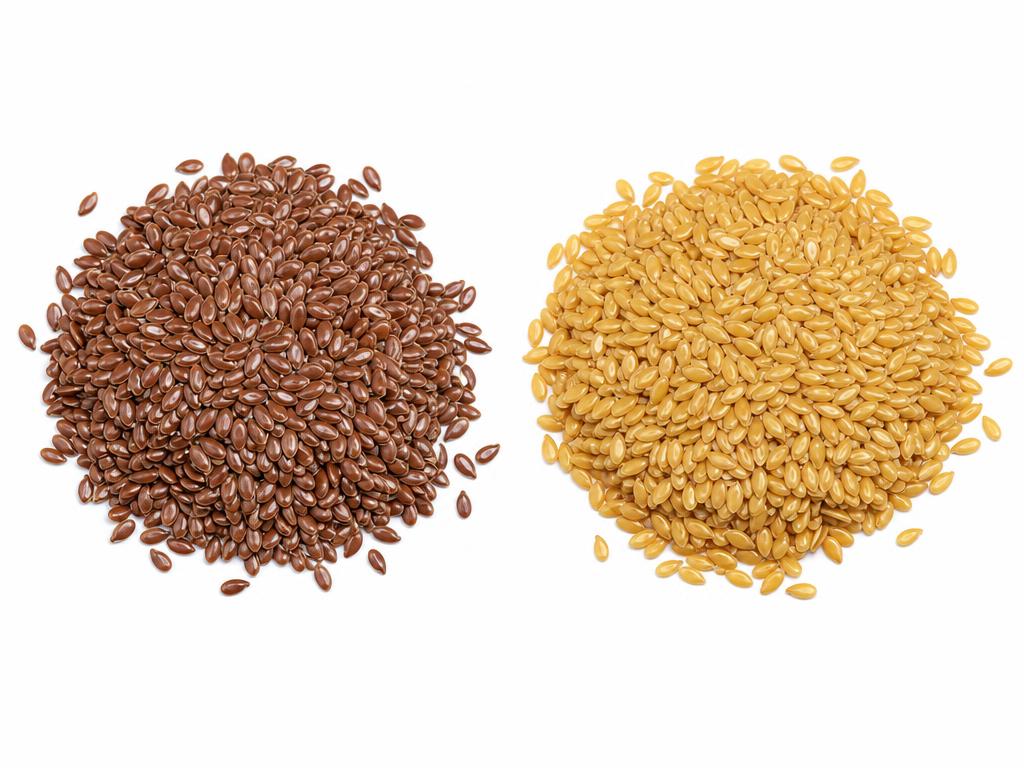
Brown and golden flaxseed for food, feed, milling and industrial linseed oil.
View product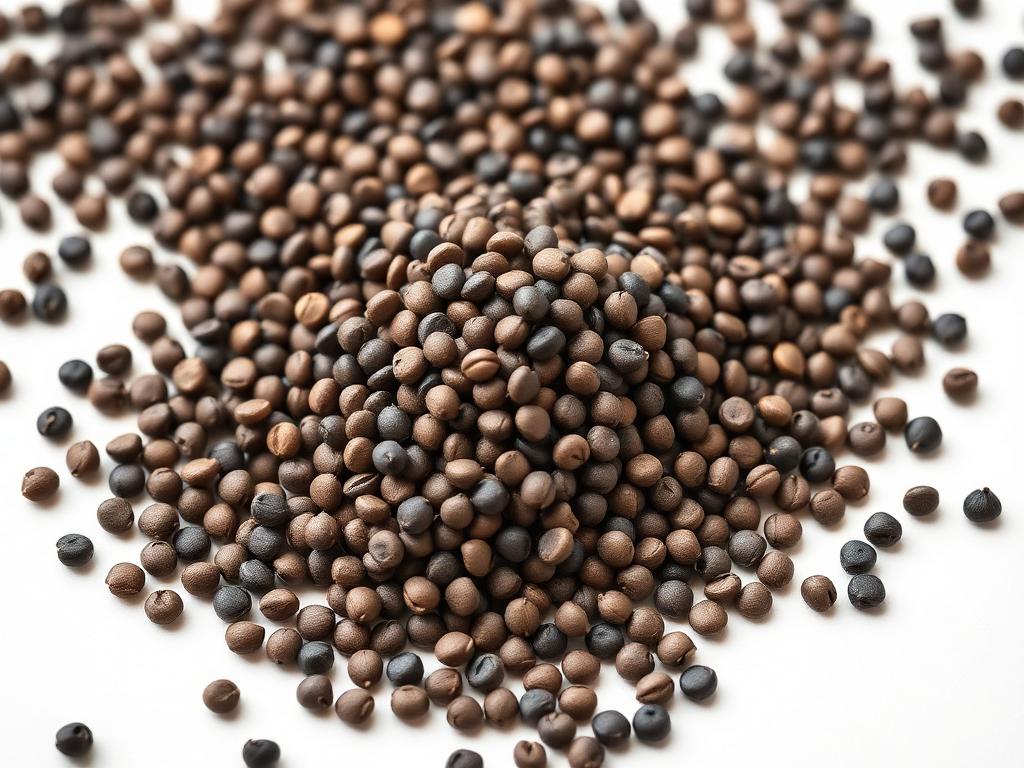
Canola Seed
Double-low oilseed for crushing — quoted on oil content, moisture and impurity.
View product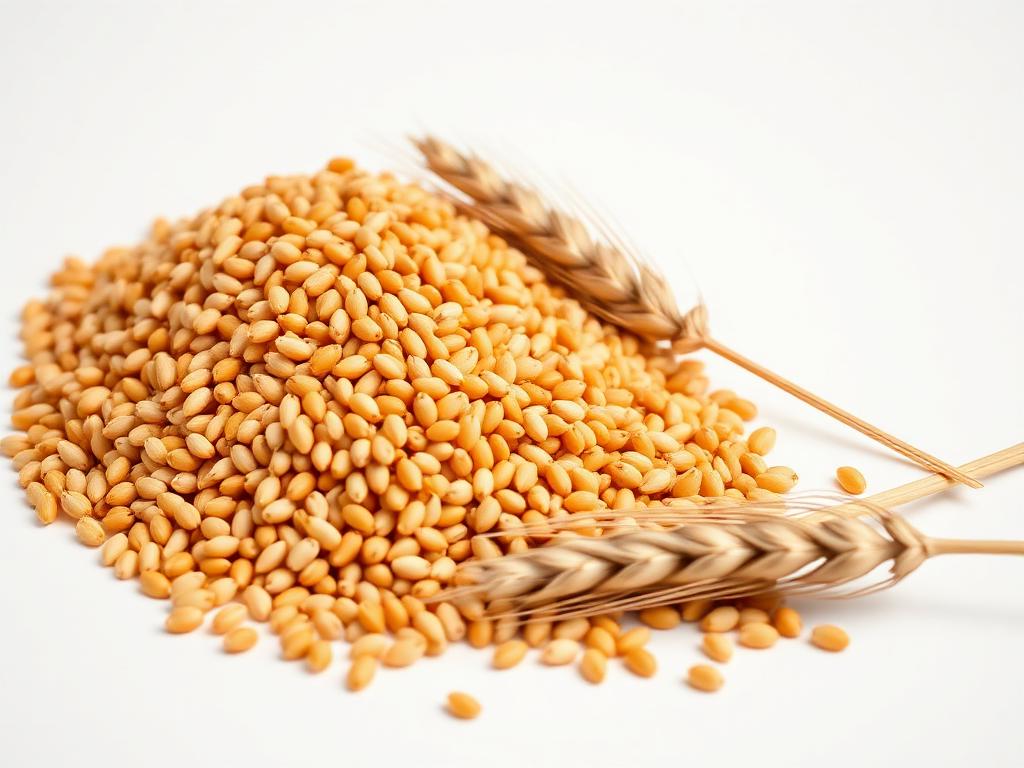
Wheat
Durum and spring wheat classes, quoted on protein and falling number.
View productReady to price Mustard Seed?
Send the specification you already have — even a single line is enough to start. Attach a previous datasheet, tender document or purchase specification if you have one.