
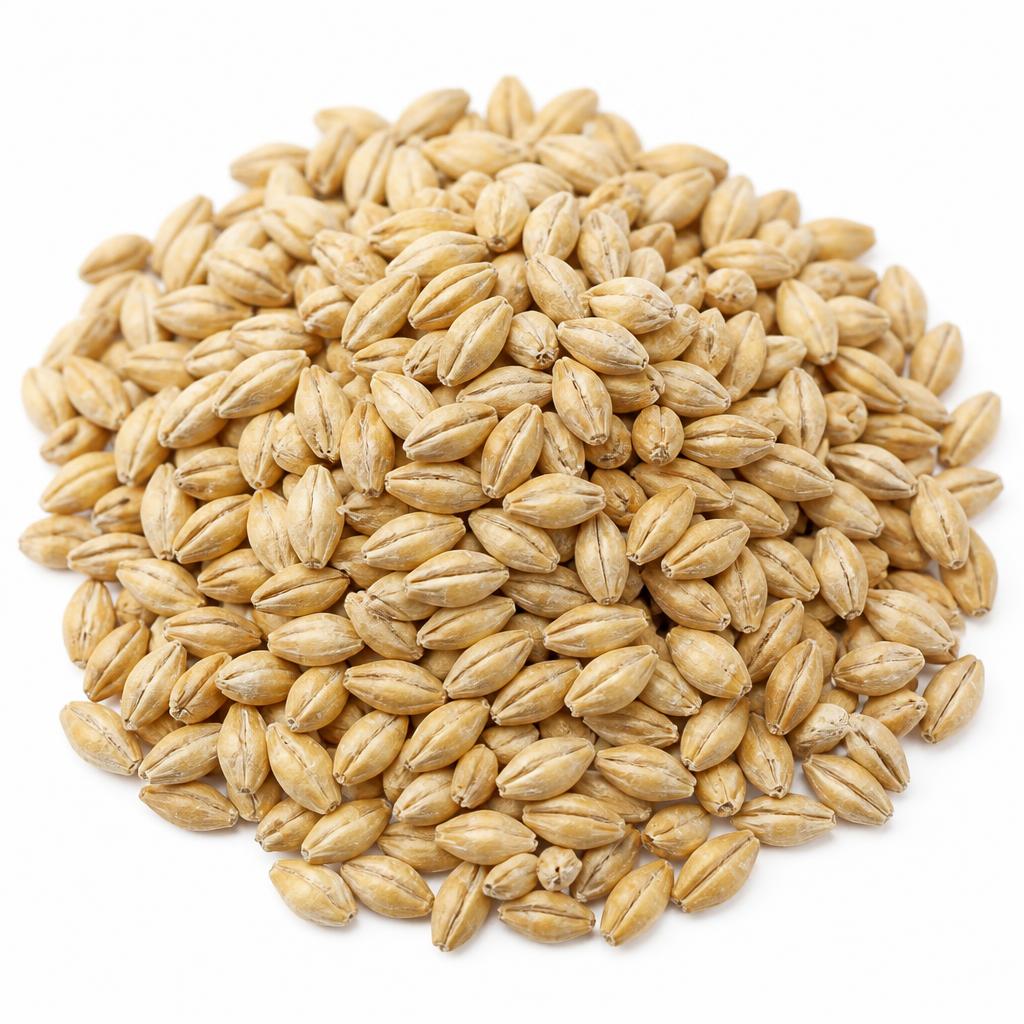
Barley
Feed and malting barley, quoted on test weight, protein and germination.
Indicative HS heading: 1003
Prices are quoted per enquiry. Availability, origin and certification are confirmed per shipment.
Product overview
Barley splits commercially into two streams that share a field but not a specification. Feed barley is bought as an energy and fibre source for compound feed, where test weight, soundness and moisture carry the contract. Malting barley is bought as a living seed: it must germinate uniformly in the steep, so germination percentage, protein window, kernel plumpness and freedom from pre-germination or skinning matter far more than raw bulk density.
The protein requirement runs in opposite directions between the two uses. A feed buyer generally welcomes higher protein. A maltster does not — protein above the agreed ceiling reduces extract yield and creates haze and filtration problems downstream, so malting contracts state both a floor and a ceiling. This is the single most common reason a lot offered as malting quality is downgraded to feed.
State the intended use, the variety class you can accept and your protein window in the enquiry. Barley quoted without a declared end use is quoted as feed by default, and re-quoting to malting terms later usually changes both the origin and the price.
Canadian supply context
Canada is a long-established barley origin, with production concentrated in Alberta, Saskatchewan and Manitoba and both feed and malting streams handled through the prairie elevator and rail system to west coast terminals. Domestic malting capacity and the feedlot sector absorb a large share of the crop, and exportable surplus varies with harvest quality in a given year.
Practical consequence for buyers: malting-quality selection is a seasonal and lot-level outcome, not a guaranteed attribute of Canadian origin. Feed barley availability is generally broader. Malting selection depends on the crop year, the accepted variety list and the results on the individual lot.
Types, grades and variants
All variants of Barley are supplied from this single product record — there is no separate page or separate specification to chase.
Feed barley
Used primarily in livestock feed and feed formulations; graded on test weight, soundness and moisture rather than germination.
Malting barley
Used for malt production and brewing applications, subject to applicable quality specifications — germination, protein window and plumpness are assessed per lot. Not every Canadian barley lot is suitable for malting.
Two-row barley
Plumper, more uniform kernels; the usual base for malting selection.
Six-row barley
Higher enzyme potential and commonly used in feed and adjunct brewing programmes.
Hulless barley
Food and specialty use where the hull is not wanted; supplied against confirmed demand.
Key specifications
Indicative ranges for the commodity. Lot values are confirmed on the certificate of analysis for each shipment.
- Test weight
- Stated in kg/hl per contract; a core feed-grade acceptance criterion
- Moisture
- Normally 13.5 % maximum at loading
- Protein
- Feed: typically 10–13 %. Malting: a stated floor and ceiling, commonly around 10–12.5 %
- Germination
- Malting only — minimum agreed per contract, tested on the lot
- Plumpness / sizing
- Screen retention stated for malting selection
- Foreign material
- Maximum per contract, with separate limits for damaged and skinned kernels
Applications
- Compound feed for cattle, swine and poultry
- Feedlot rations and on-farm energy blending
- Malt production for brewing and distilling (malting grade)
- Food barley — pearled, flaked and flour applications
- Industrial fermentation feedstock
Packaging & supply options
- Bulk vessel parcels
- Bulk in lined shipping containers
- 1,000 kg bulk bags for smaller programmes
- 50 kg woven polypropylene bags on request
Export & commercial notes
- Established Canadian barley export destinations include China, Japan, Saudi Arabia and the United States; supply to any specific destination is confirmed per enquiry rather than assumed.
- Declare feed or malting use at enquiry stage — the two are contracted on different clauses and different quality certificates.
- Quoted FOB, CFR or CIF against a defined crop position; container lining and transit protection are specified in the contract.
Documentation
Commonly relevant documents. Availability is confirmed per order and destination.
- Certificate of Analysis
- Phytosanitary Certificate
- Certificate of Origin
- Grade and weight certificate at load port
- Germination report for malting-grade contracts
- Fumigation certificate where required
Related industries
Related export products
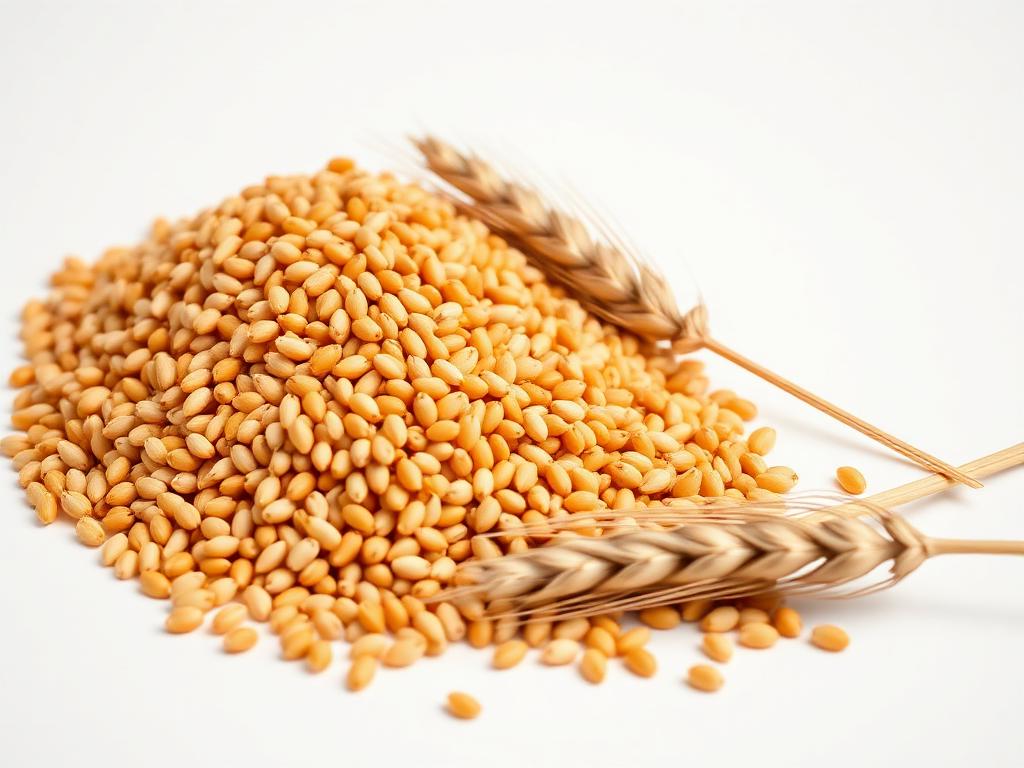
Wheat
Durum and spring wheat classes, quoted on protein and falling number.
View product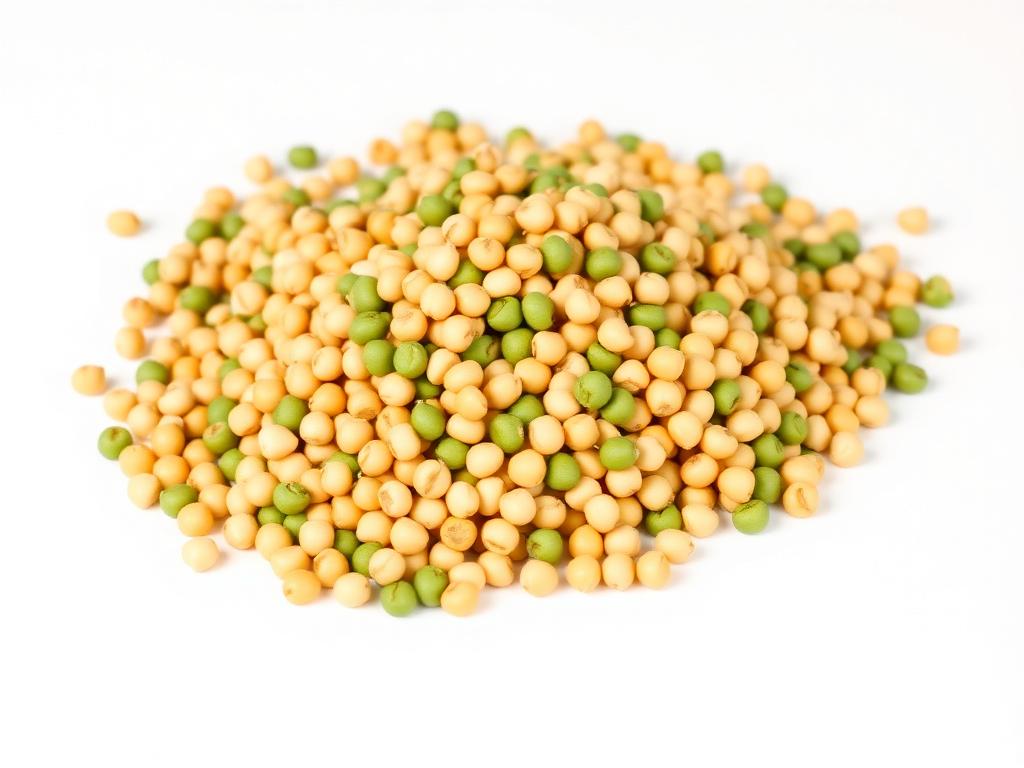
Dry Peas
Yellow and green field peas — whole or split, for food, feed and fractionation.
View product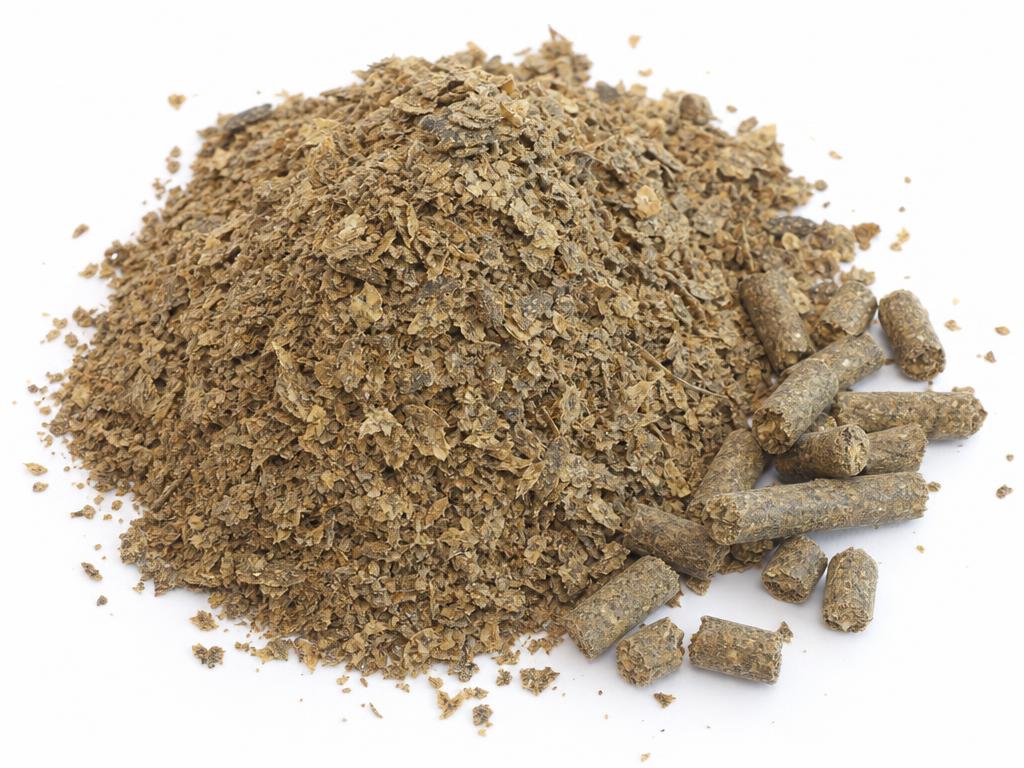
Canola Meal
Protein meal for dairy, poultry and aquafeed — bought on protein, fibre and fat.
View productReady to price Barley?
Send the specification you already have — even a single line is enough to start. Attach a previous datasheet, tender document or purchase specification if you have one.