
Trichloroisocyanuric Acid (TCCA 90%)
Allzone Trading supplies trichloroisocyanuric acid to water treatment, industrial and municipal customers in Toronto, the GTA, Ontario, Quebec and across Canada. TCCA is a stabilised chlorine donor supplied as tablets, granules or powder for sustained chlorination. The declared active chlorine content and tablet format are confirmed against supplier documentation at quotation.
At a glance
- Product
- Trichloroisocyanuric Acid (TCCA 90%)
- Grades
- Grade confirmed at quotation
- Typical applications
- Swimming pool and spa chlorination · Cooling tower biological control · Industrial water disinfection
- Packaging
- Packaging confirmed at quotation against the supplier specification
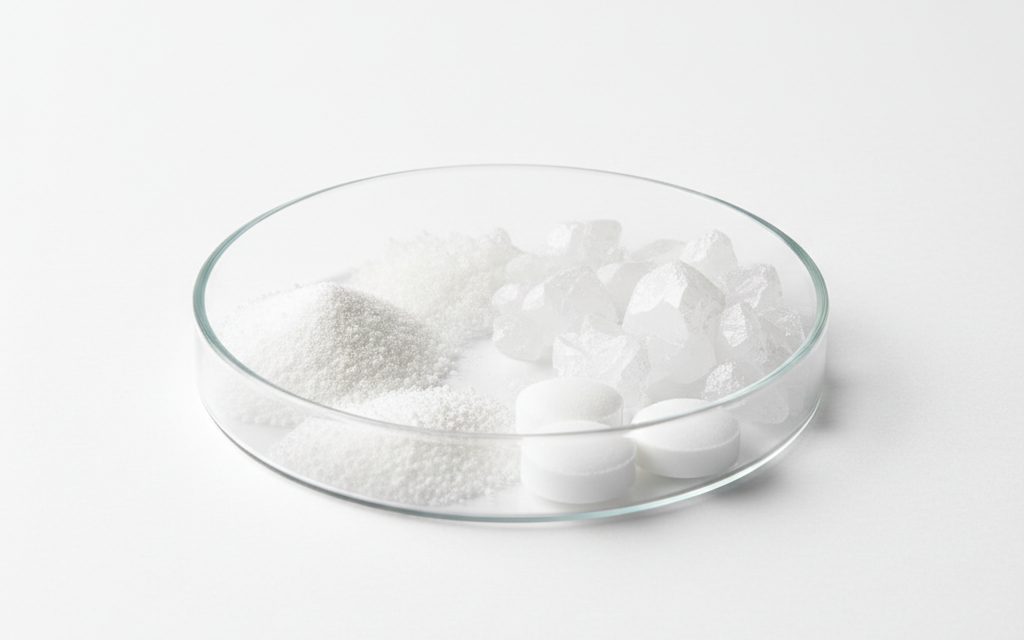
Handling notice. This product requires review of the supplier technical data sheet and safety data sheet before purchase and use. Request both documents for the exact grade under consideration.
- • Certificate of Analysis is provided against the confirmed shipment, grade and batch.
- • Manufacturer TDS and SDS are subject to grade and supplier confirmation and are available on request.
- • Grades, packaging and origin above are indicative sourcing options and are confirmed at quotation.
Available grades from container-direct sourcing
Grade confirmed at quotation
Grade, concentration and active content are quoted and confirmed against the supplier technical data sheet before any order is placed.
Typical applications
- Swimming pool and spa chlorination
- Cooling tower biological control
- Industrial water disinfection
- Surface sanitation formulations
- Water storage tank treatment
Why Canadian buyers choose us
- Municipal, industrial, wastewater, boiler/cooling, RO and pool duties quoted as separate specifications
- Grade, concentration and active content confirmed in writing before order confirmation
- Supplier technical data sheet and safety data sheet provided for the quoted grade
- Freight arranged across Toronto, the GTA, Ontario, Quebec and Western Canada
- Quantities reviewed per enquiry, from smaller lots to container loads
Typical industries served
Material identity
Trichloroisocyanuric acid (TCCA) — identifiers and the names buyers use
- Chemical identity
- Trichloroisocyanuric acid, supplied as tablets, granules or powder
- Function
- Stabilised solid chlorine source that also contributes cyanuric acid
- Strength / active content
- UNKNOWN — declared per product on supplier documentation at quotation
- Dose and contact time
- UNKNOWN — set by the demand of the water being treated and the standard being met
Also searched as
Abbreviations
Industry terminology
Identifiers are published for material identification. The exact specification of any offered grade is confirmed against supplier documentation at quotation.
Buyer intent coverage
Trichloroisocyanuric acid (TCCA) — what it is, where it is used, how it is chosen
TCCA is solid chlorine with the stabiliser built in, which is why it dominates tablet-fed pool and small-system chlorination. It dissolves slowly in a feeder and holds a residual with very little operator attention, and that convenience is what is being bought. The two facts that decide whether it suits a site are that it depresses pH as it dissolves, and that every tablet adds cyanuric acid that never leaves.
Primary uses
- Tablet-fed chlorination of recreational water
- Routine disinfection of small and remote water systems
- Cooling-tower and irrigation-line microbiological control where a solid feeder is used
- Sanitising duty in agriculture and general-purpose applications
Applications
- Aquatic facilities and pool service companies
- Small water systems, camps and remote installations
- Agricultural and greenhouse water lines
- Industrial cooling systems using solid feeders
Advantages
- Long shelf life and compact shipping compared with liquid chlorine
- Slow, self-regulating release through an erosion feeder needs little operator input
- Built-in stabilisation reduces chlorine loss to sunlight
Limitations to consider
- Depresses pH, so alkali correction usually becomes part of the programme
- Continuously adds cyanuric acid, which builds until dilution is required
- A strong oxidiser: contact with other pool chemicals, especially calcium hypochlorite, is dangerous and segregated storage is mandatory
- Not suitable everywhere; some potable and food applications exclude isocyanurates
- Dose is established on your own water by jar test, coupon monitoring or a controlled plant trial. Supplier literature values are starting points for that trial, not a specification.
- Many treatment chemicals are regulated in transport and have specific storage, containment and personal-protection requirements. The SDS for the exact product offered is the governing document, and it should be reviewed before the delivery is scheduled rather than after it arrives.
How to choose the right grade
- Say what you are trying to kill or oxidise, and the standard or permit condition you have to satisfy
- State the system: potable water, wastewater, cooling tower, process water, pool or clean-in-place
- Confirm whether the application is regulated for potable or food-contact service, because that decides the documentation before it decides the chemistry
- Consider how the product is dosed and measured — a solid oxidant and a bulk liquid oxidant need different hardware and different operator routines
- Confirm demand in the water: organics, ammonia, iron and manganese all consume oxidant before any residual is available
- Confirm storage turnover, since oxidant strength falls in storage and a large infrequent delivery can be worse value than a small frequent one
- Oxidants lose strength in storage, and the rate depends on temperature, light and time since manufacture. The value that matters commercially is the strength at the point of use, not the strength on the day it was made, so delivery frequency and turnover should be part of the buying decision.
- Exact specification is confirmed against supplier documentation at quotation.
Typical grades
- Tablet grade for erosion feeders
- Granular grade for direct dosing
- Powder grade where offered
- Solution strength and active content are per-offer values, and they change the dose and the true cost per unit of water treated. Compare quotations on active content delivered, not on price per litre or per kilogram, and read the value from the supplier documentation for the exact product offered.
- Drinking-water and food-contact applications require certification held for the specific product and manufacturing site. Whether the product offered carries it is confirmed against supplier documentation at quotation and is never presented here as a held approval.
Comparable materials — how Trichloroisocyanuric acid (TCCA) sits against alternatives
- Calcium hypochlorite
- Sodium hypochlorite with separate stabiliser
- Dichloroisocyanurate products where offered
- Buyers looking for an alternative or second-source supplier should state the incumbent product and the property being matched. Treatment chemicals are rarely interchangeable on name alone: comparison depends on declared documentation and on a controlled trial in the running system.
Comparable-material reference. Grade selection is confirmed at RFQ against your process.
Procurement coverage
How to specify, order and receive Trichloroisocyanuric acid (TCCA)
Written for procurement, quality and technical buyers in Canada and the United States. No numeric price, MOQ, stock or lead-time value is published — those are confirmed per shipment in the quotation and against the confirmed batch.
How buyers specify at RFQ
- Product identity and the oxidising or biocidal species actually delivered
- Declared strength or active content for the exact product offered, as stated on supplier documentation
- Physical form supplied and the feed equipment it requires
- Stability, storage-life and temperature guidance as the supplier states them
- Registration or certification status for the intended service, where the use is regulated
- Incompatibilities that govern storage layout and dosing-line separation
Packaging options (industry-standard)
- Bag format for manual make-up and small dosing systems
- Jumbo / FIBC bag where consumption is continuous and the site has lifting and discharge equipment
- Bulk or container load where silo or bulk intake exists
- Packaging options and available pack sizes are confirmed with each quotation.
Storage & handling
- Store dry, sealed and off the floor; absorbed moisture causes caking and changes the way the product feeds and dissolves
- Segregate oxidisers, acids and reducing agents; storing them together is the most common cause of serious incidents with these products
- Rotate stock and record lot numbers against each treatment period for traceability
- Chemical incompatibility in storage and dosing is a genuine safety issue on treatment sites. Confirm segregation distances, separate containment, dedicated fill points and clearly distinct connections before a new product is introduced alongside an existing one.
Documentation available
- Technical data sheet (TDS) for the exact grade offered, stating assay, form and particle size as the supplier reports them
- Safety data sheet (SDS) in the format required for Canadian import, including dust and incompatibility guidance
- Certificate of analysis (COA) against the confirmed batch
- Food, feed or potable-service declaration where the end use sits under a regulated framework
- Documentation is confirmed per batch at quotation; availability depends on the grade and supplier offered.
RFQ checklist for tcca-trichloroisocyanuric-acid-canada
Include these fields to receive an accurate Canada-landed quotation
- The system being treated and what it does — drinking water, effluent, cooling, boiler, process or recreational water
- The problem you are trying to solve, and the limit or target you have to meet
- A current water or effluent analysis, since it decides what will actually work
- Annual volume and expected per-shipment quantity
- Packaging format your receiving and dosing installation can accept
- Documentation required per shipment, including any potable-service certification
- Delivery province and site receiving arrangements
- The organism, contaminant or oxidant demand you are targeting, and how you measure success
- Existing dosing and residual-monitoring equipment on site
- Storage turnover and acceptable delivery frequency
- The incumbent product, if you are second-sourcing rather than changing programme
- Dilute treatment solutions are largely water by weight, so freight distance, delivery format and discharge arrangements move landed cost as much as the chemical price does. Quotations are compared delivered to your plant, not ex-works.
- Whatever is dosed has to be measured. Confirm which residual, index or coupon test the programme is controlled against, and that your team has the instruments and reagents to run it, before the chemistry is changed.
Technical & procurement detail
Where trichloroisocyanuric acid is used+
TCCA is a stabilised chlorine donor supplied as tablets, granules or powder for sustained chlorination. The declared active chlorine content and tablet format are confirmed against supplier documentation at quotation.
Application areas are quoted separately+
Municipal water, industrial process water, wastewater, boiler and cooling water, reverse osmosis and swimming pool applications are treated as distinct specifications. Products supplied for one of these duties are not presented as interchangeable with another. State the intended application in your enquiry so the correct specification is reviewed with the supplier.
How specifications are confirmed+
Allzone does not publish assumed purity, concentration, active content, packaging, origin, certification or regulatory approval values. The grade, specification and documentation are confirmed in writing against supplier technical data sheets and safety data sheets before an order is placed. Request the technical data sheet and safety data sheet for the exact grade under consideration.
Frequently asked questions
What grade of trichloroisocyanuric acid do you supply?+
The grade and specification are confirmed at quotation against the supplier technical data sheet. No purity, concentration or certification value is published in advance.
Can I request a technical data sheet and a safety data sheet?+
Yes. Both the supplier technical data sheet and the safety data sheet for the quoted grade are provided on request and should be reviewed before purchase and use.
Do you deliver trichloroisocyanuric acid across Ontario and Quebec?+
Yes. Freight is arranged across Toronto, the GTA, Ontario, Quebec and Western Canada, and the delivery method is confirmed with the quotation.
What quantities can you supply?+
Quantities are reviewed per enquiry, from smaller lots to container loads.
Technical knowledge for Trichloroisocyanuric Acid Supplier — Ontario & Canada
Engineering and purchasing guidance written for this material — understand it, apply it, compare options, specify a grade, and fix production problems.
Foundation Articles
Comparison Articles
Related products
Materials commonly quoted alongside Trichloroisocyanuric Acid (TCCA 90%) by the same plants.
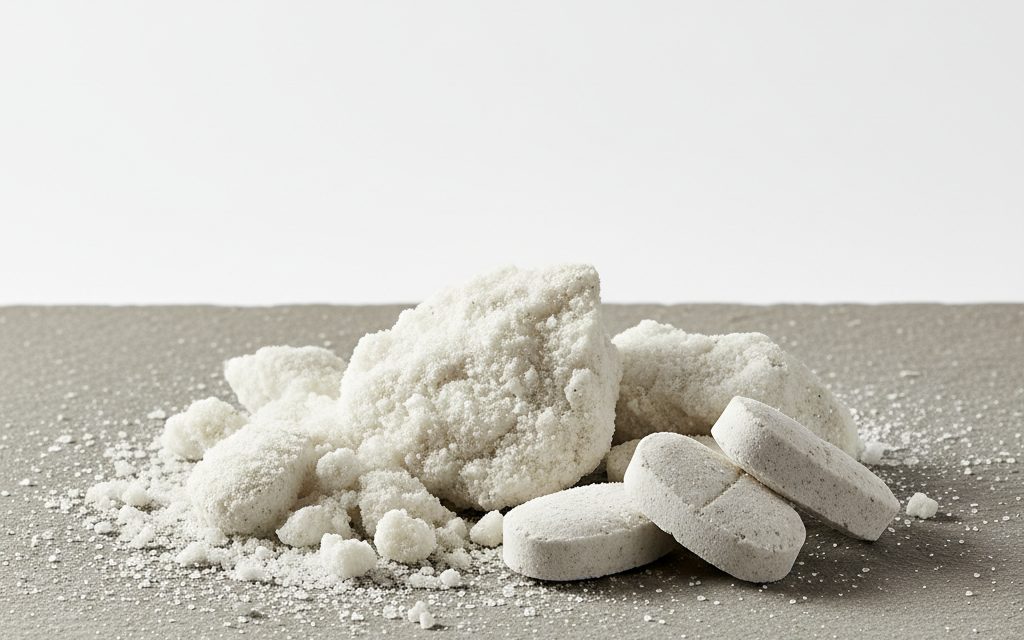
Calcium Hypochlorite
Chlorine disinfectant — swimming pool and spa water disinfection
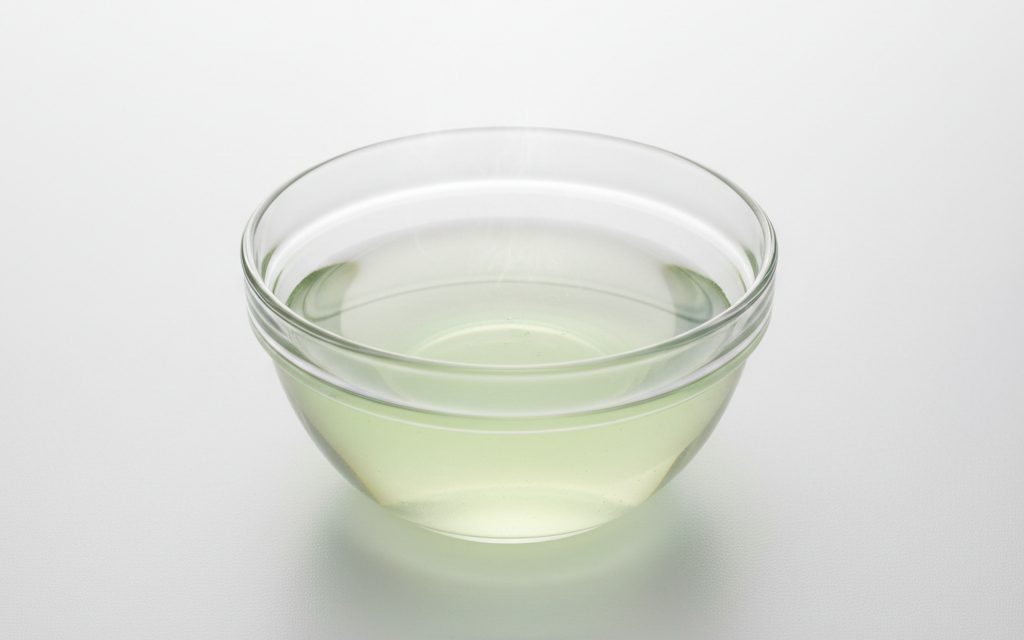
Sodium Hypochlorite
Chlorine disinfectant — municipal drinking water disinfection systems
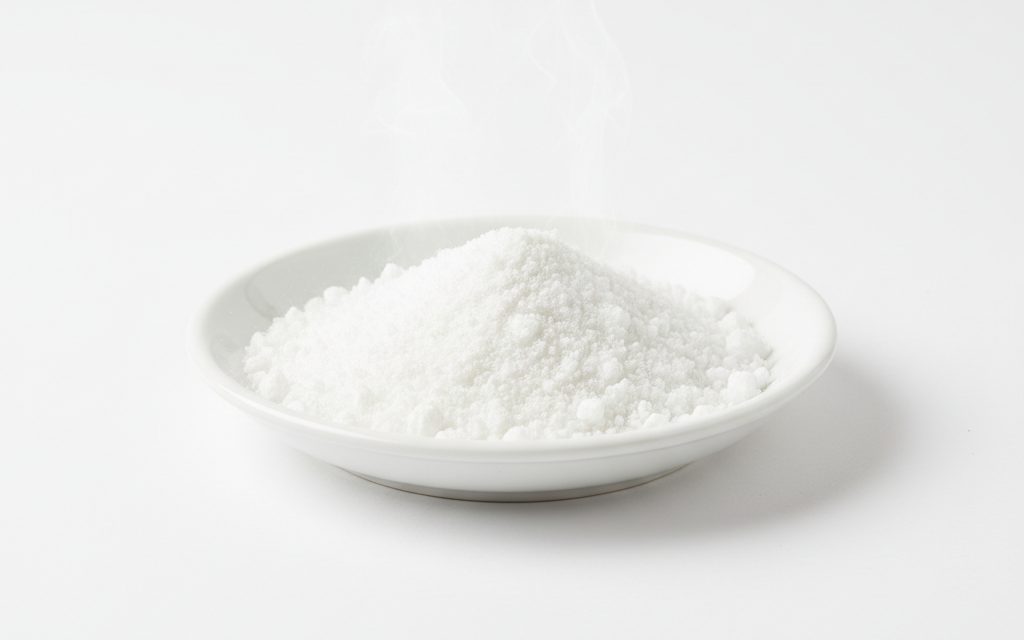
Sodium Dichloroisocyanurate (SDIC)
Chlorine disinfectant — rapid-dissolving pool and spa chlorination
Need a quote on Trichloroisocyanuric Acid (TCCA 90%)?
Request pricing, TDS/SDS and available documentation. We usually acknowledge enquiries within one business day; samples are subject to supplier availability and product classification.