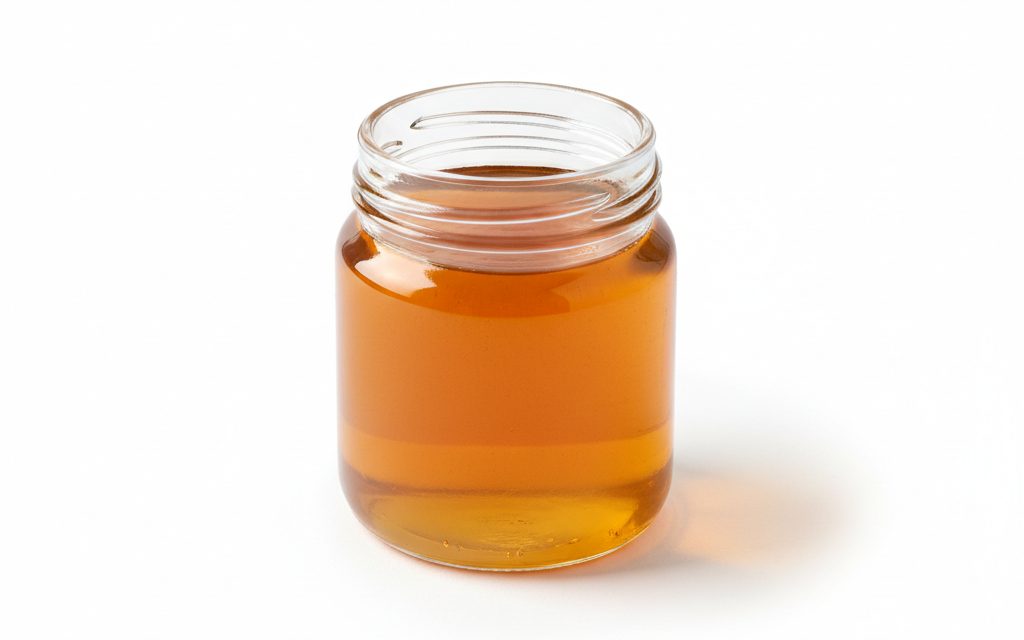
PolyDADMAC — Cationic Coagulant
PolyDADMAC is a high-charge-density cationic polyelectrolyte used as a primary coagulant and charge-neutralisation aid in municipal, industrial and paper mill water systems. Allzone supplies it to Canadian treatment plants and mills with the grade confirmed against supplier documentation before quotation.
At a glance
- Product
- PolyDADMAC
- Grades
- Cationic Coagulant
- Typical applications
- Primary coagulation in municipal drinking water clarification · Colour and organic removal in surface water treatment · Charge neutralisation ahead of flocculant dosing in industrial wastewater
- Packaging
- Packaging confirmed at quotation
- • Certificate of Analysis is provided against the confirmed shipment, grade and batch.
- • Manufacturer TDS and SDS are subject to grade and supplier confirmation and are available on request.
- • Grades, packaging and origin above are indicative sourcing options and are confirmed at quotation.
Available grades from container-direct sourcing
Cationic Coagulant
Grade and specification confirmed against supplier technical data sheet at quotation.
Typical applications
- Primary coagulation in municipal drinking water clarification
- Colour and organic removal in surface water treatment
- Charge neutralisation ahead of flocculant dosing in industrial wastewater
- Retention and drainage programmes in paper mill white water
Why Canadian buyers choose us
- Container-direct sourcing coordinated through our Ontario logistics partner
- Supplier documentation (TDS, SDS, COA) requested and shared before order confirmation
- Specifications confirmed in writing at quotation stage — no assumed values
- LTL and FTL freight across Ontario, Quebec and Western Canada
- Quantities reviewed per enquiry, from smaller lots to full container loads
Typical industries served
Material identity
PolyDADMAC coagulant — identifiers and the names buyers use
- Chemical identity
- Poly(diallyldimethylammonium chloride), a cationic quaternary ammonium polymer
- Charge type
- Cationic
- Strength / active content
- UNKNOWN — declared per product on supplier documentation at quotation
- Dose
- UNKNOWN — established by jar test on the water being treated
Also searched as
Abbreviations
Industry terminology
Identifiers are published for material identification. The exact specification of any offered grade is confirmed against supplier documentation at quotation.
Buyer intent coverage
PolyDADMAC coagulant — what it is, where it is used, how it is chosen
PolyDADMAC is the organic answer to a metal-salt problem. It neutralises charge without adding aluminium or iron, so it produces far less sludge and it does not eat alkalinity or push pH down. Plants usually reach for it when sludge haulage cost or alkalinity loss has become the binding constraint, and many run it alongside a reduced inorganic dose rather than replacing the inorganic coagulant outright.
Primary uses
- Primary or supplementary coagulation in drinking water
- Industrial effluent and dissolved air flotation clarification
- Charge control and retention in paper-mill systems
- Mining process-water clarification
Applications
- Municipal drinking-water plants using organic coagulant programmes
- Food, beverage and rendering plant DAF units
- Pulp and paper machine systems
- Mine process-water circuits
Advantages
- Substantially lower sludge volume than a metal-salt-only programme
- Does not consume alkalinity or depress pH
- Effective at low dose, which reduces handling and storage volumes
Limitations to consider
- Cost per litre is higher than inorganic coagulants; the saving sits in sludge and alkalinity, so the comparison must be made on total cost
- Overdosing reverses charge and makes clarity worse, so control is less forgiving
- Viscous solution: dilution and dosing equipment need to be suited to it
- Dose is established on your own water by jar test, coupon monitoring or a controlled plant trial. Supplier literature values are starting points for that trial, not a specification.
- Many treatment chemicals are regulated in transport and have specific storage, containment and personal-protection requirements. The SDS for the exact product offered is the governing document, and it should be reviewed before the delivery is scheduled rather than after it arrives.
How to choose the right grade
- Start from a current water or effluent analysis: alkalinity, pH, turbidity, temperature and the contaminant you are actually targeting
- State whether the duty is drinking water, wastewater, industrial effluent or process-water reuse, because the certification requirement follows from it
- Say what sludge volume and disposal cost you can live with — it often decides between inorganic and organic chemistry
- Confirm the coldest water temperature the plant sees, since winter performance in Canada is the real design case
- Confirm what dosing, make-down and storage equipment already exists before changing product family
- Coagulant and flocculant selection is decided by a jar test on your own water, not by a product name. Two plants treating water that looks identical on paper often land on different chemistry and very different doses.
- Exact specification is confirmed against supplier documentation at quotation.
Typical grades
- Low, medium and high molecular-weight bands as the supplier defines them
- Industrial grade
- Drinking-water grade where the supplier holds the certification
- Solution strength and active content are per-offer values, and they change the dose and the true cost per unit of water treated. Compare quotations on active content delivered, not on price per litre or per kilogram, and read the value from the supplier documentation for the exact product offered.
- Drinking-water and food-contact applications require certification held for the specific product and manufacturing site. Whether the product offered carries it is confirmed against supplier documentation at quotation and is never presented here as a held approval.
Comparable materials — how PolyDADMAC coagulant sits against alternatives
- Polyamine coagulant
- Polyaluminium chloride (PAC)
- Aluminium sulfate (alum)
- Ferric chloride
- Buyers looking for an alternative or second-source supplier should state the incumbent product and the property being matched. Treatment chemicals are rarely interchangeable on name alone: comparison depends on declared documentation and on a controlled trial in the running system.
Comparable-material reference. Grade selection is confirmed at RFQ against your process.
Procurement coverage
How to specify, order and receive PolyDADMAC coagulant
Written for procurement, quality and technical buyers in Canada and the United States. No numeric price, MOQ, stock or lead-time value is published — those are confirmed per shipment in the quotation and against the confirmed batch.
How buyers specify at RFQ
- Product identity and family — inorganic metal salt, organic coagulant or polyacrylamide flocculant
- Solution strength or active content as the supplier declares it for the exact product
- Charge type and charge behaviour where the product is a polymer
- Physical form supplied and the make-down or dilution equipment it requires
- Freezing point and cold-weather handling behaviour for liquids
- Certification status for the intended service, where the application is regulated
Packaging options (industry-standard)
- Drum format for low-throughput and remote dosing points
- IBC / tote format for the majority of plant dosing installations
- Bulk tanker delivery where the site has receiving tankage, containment and a controlled fill point
- Packaging options and available pack sizes are confirmed with each quotation.
Storage & handling
- Confirm tank, pipework, gasket and pump material compatibility against the SDS before the first delivery — the wrong elastomer fails quickly on treatment chemicals
- Provide secondary containment sized to the largest vessel, and keep incompatible chemicals in separate bunds
- Protect from Canadian winter conditions: several treatment solutions crystallise, freeze or separate at low temperature, and heat tracing or indoor storage may be needed
- Chemical incompatibility in storage and dosing is a genuine safety issue on treatment sites. Confirm segregation distances, separate containment, dedicated fill points and clearly distinct connections before a new product is introduced alongside an existing one.
Documentation available
- Technical data sheet (TDS) for the exact product offered, stating the solution strength or active content as the supplier declares it
- Safety data sheet (SDS) in the format required for Canadian import, including transport classification and incompatibility guidance
- Certificate of analysis (COA) against the confirmed production lot
- Drinking-water or potable-service certification where the application requires it and the supplier holds it for that product
- Documentation is confirmed per batch at quotation; availability depends on the grade and supplier offered.
RFQ checklist for polydadmac-coagulant-canada
Include these fields to receive an accurate Canada-landed quotation
- The system being treated and what it does — drinking water, effluent, cooling, boiler, process or recreational water
- The problem you are trying to solve, and the limit or target you have to meet
- A current water or effluent analysis, since it decides what will actually work
- Annual volume and expected per-shipment quantity
- Packaging format your receiving and dosing installation can accept
- Documentation required per shipment, including any potable-service certification
- Delivery province and site receiving arrangements
- Current water or effluent analysis, including alkalinity, pH and temperature range
- The incumbent product and dose, if you are replacing or second-sourcing one
- Sludge handling and disposal route, since coagulant choice changes both
- Dilute treatment solutions are largely water by weight, so freight distance, delivery format and discharge arrangements move landed cost as much as the chemical price does. Quotations are compared delivered to your plant, not ex-works.
- Whatever is dosed has to be measured. Confirm which residual, index or coupon test the programme is controlled against, and that your team has the instruments and reagents to run it, before the chemistry is changed.
Technical & procurement detail
Functional role of polydadmac+
PolyDADMAC neutralises the negative surface charge carried by suspended colloids, allowing fine particles that will not settle on their own to destabilise and agglomerate. Because it is an organic coagulant it adds no metal hydroxide sludge to the process, which is why plants under sludge-disposal pressure use it in place of, or alongside, a metal salt.
Selecting the right grade+
Grades differ mainly in charge density, molecular weight and active solids. Low molecular weight grades favour charge neutralisation in clarification duty; higher molecular weight grades give more bridging in sludge and paper applications. Jar test data, raw water character and the existing coagulant programme determine which grade is quoted.
Documentation and specification+
Properties differ between producers and between grades of the same material. Allzone confirms the applicable grade with the supplier before quoting and shares the technical data sheet and safety data sheet for the exact material offered, so the values you evaluate are the values you receive.
Frequently asked questions
How does PolyDADMAC differ from polyacrylamide?+
PolyDADMAC is a low-to-medium molecular weight coagulant that works by charge neutralisation; polyacrylamide is a high molecular weight flocculant that works by bridging destabilised particles into settleable flocs. Many plants dose both, in that order.
Which grade will I be quoted?+
The grade is set by your specification. Share the target performance, process conditions and any customer or regulatory requirement in the RFQ and the matching grade is confirmed with the supplier before quotation.
What packaging is available?+
Packaging is confirmed with the supplier at quotation for the grade and quantity discussed.
Can you deliver across Ontario and Quebec?+
Yes. LTL and FTL freight is arranged across Ontario, Quebec and Western Canada, with container-direct supply for repeat volumes.
Technical knowledge for PolyDADMAC Coagulant Supplier — Canada
Engineering and purchasing guidance written for this material — understand it, apply it, compare options, specify a grade, and fix production problems.
Foundation Articles
Comparison Articles
Related products
Materials commonly quoted alongside PolyDADMAC by the same plants.
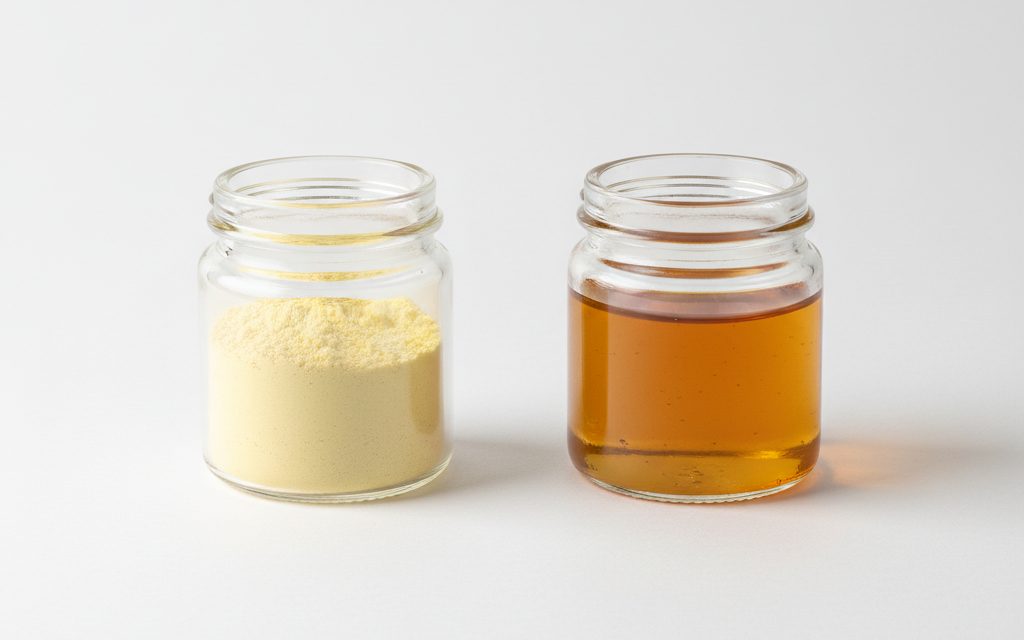
Poly Aluminium Chloride (PAC)
Coagulant / flocculant — municipal drinking water clarification

Ferric Sulfate
Coagulant / flocculant — drinking water and wastewater coagulation
Need a quote on PolyDADMAC?
Request pricing, TDS/SDS and available documentation. We usually acknowledge enquiries within one business day; samples are subject to supplier availability and product classification.