
Pea Protein
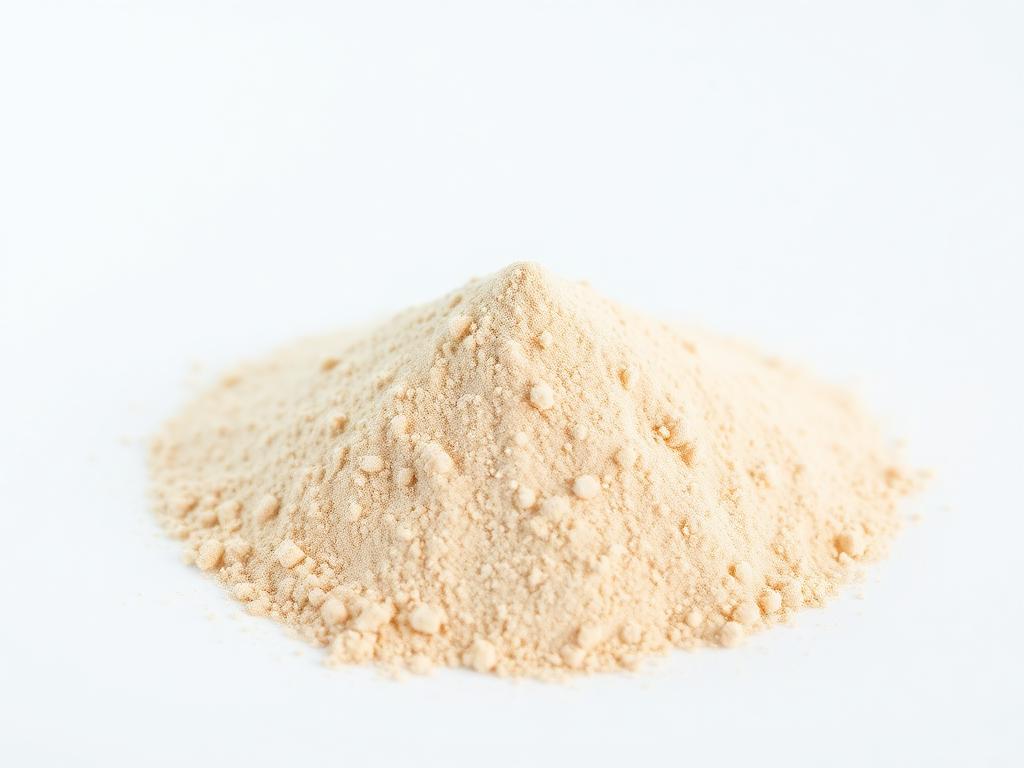
Isolate and concentrate from yellow peas — allergen-friendly plant protein. Pea protein exists commercially in two tiers. Isolate typically runs around 80 % protein or higher and is used where protein density and relatively clean flavour are needed — beverages, sports nutrition, bars. Concentrate sits lower in protein with more residual starch and fibre, and is used where cost per kilogram of formulation matters more than protein density, often in extruded meat alternatives and bakery.
At a glance
- Product
- Pea Protein
- Grades
- Pea protein isolate (~80 %+) · Pea protein concentrate (~50–60 %) +2 more
- Typical applications
- Plant-based beverages and dairy alternatives · Meat alternative and extruded protein products · Protein bars and sports nutrition
- Packaging
- 20 kg or 25 kg multi-wall paper bags with food-grade liner · Bulk bags on confirmed volume · Palletised and stretch-wrapped for container loading
- • Certificate of Analysis is provided against the confirmed shipment, grade and batch.
- • Manufacturer TDS and SDS are subject to grade and supplier confirmation and are available on request.
- • Grades, packaging and origin above are indicative sourcing options and are confirmed at quotation.
Available grades from container-direct sourcing
Pea protein isolate (~80 %+)
High protein density; beverages, bars and sports nutrition.
Pea protein concentrate (~50–60 %)
Cost-efficient protein with residual starch and fibre.
Textured pea protein
Extruded formats for meat alternatives; supplied against confirmed specification.
Organic pea protein
Available where certification is contracted in advance.
Typical applications
- Plant-based beverages and dairy alternatives
- Meat alternative and extruded protein products
- Protein bars and sports nutrition
- Bakery and snack fortification
- Clinical and senior nutrition formulations
Why Canadian buyers choose us
- Enquiries quoted against your specification — class, grade and presentation, not a fixed stock list
- Specification, origin, availability and certification confirmed in writing at quotation
- Supplier documentation (COA, SDS, technical data) provided for the grade actually offered
- One point of contact from enquiry through documents, packing and shipment
- Quantities reviewed per enquiry, from bagged lots to full container and vessel programmes
Typical industries served
Material identity
Pea protein (isolate / concentrate) — identifiers and the names buyers use
- CAS
- 222400-29-5
- Source
- Yellow pea (Pisum sativum)
- Formats
- Isolate, concentrate and textured
Also searched as
Abbreviations
Industry terminology
Identifiers are published for material identification. The exact specification of any offered grade is confirmed against supplier documentation at quotation.
Buyer intent coverage
Pea protein (isolate / concentrate) — what it is, where it is used, how it is chosen
Pea protein is Canada's flagship plant protein: prairie yellow pea supply and Saskatchewan and Manitoba fractionation capacity make it a domestically anchored ingredient rather than an import. Isolates carry the highest protein and best solubility, concentrates cost less and behave differently in texture work, and textured grades serve analogue manufacturing. Sensory profile differs sharply between suppliers, which is why buyers trial rather than buy on specification alone.
Primary uses
- Fortifying beverages, bars and powders with plant protein
- Building structure in plant-based meat and dairy analogues
- Replacing dairy and egg protein in formulations
- Emulsifying and gelling in protein-continuous systems
Applications
- Protein beverages, shakes and powders
- Plant-based burgers, sausages and analogues
- Dairy-alternative beverages and yoghurts
- Nutrition bars and cereals
- Pet nutrition and aquaculture feed
Advantages
- Non-GMO and free of the major dairy, soy and gluten allergens
- Supported by a large domestic prairie supply base
- Good emulsification and gelation performance for analogue systems
- Available as isolate, concentrate and textured formats
Limitations to consider
- Characteristic pea off-notes require masking in delicate systems
- Solubility varies with pH and can be poor near the isoelectric point
- Colour and flavour vary meaningfully between suppliers and lots
- Higher cost than commodity protein sources in several applications
How to choose the right grade
- State the functional target — solubility, gelation or texture — before comparing protein figures
- Trial the sensory profile at pilot scale; specification will not predict it
- Set the protein basis and the analytical factor to be used
- Confirm non-GMO, allergen and certification documentation needs
Typical grades
- Isolate (high protein)
- Concentrate
- Textured pea protein
- Organic-certified grade where documented
Comparable materials — how Pea protein (isolate / concentrate) sits against alternatives
- Soy protein isolate — established performance, allergen declaration required
- Fava or chickpea protein — alternative pulse proteins
- Rice protein — complementary amino profile
- Dairy proteins — different nutrition and labelling positioning
Comparable-material reference. Grade selection is confirmed at RFQ against your process.
Procurement coverage
How to specify, order and receive Pea protein (isolate / concentrate)
Written for procurement, quality and technical buyers in Canada and the United States. No numeric price, MOQ, stock or lead-time value is published — those are confirmed per shipment in the quotation and against the confirmed batch.
How buyers specify at RFQ
- Protein content on a dry basis and the nitrogen factor used
- Solubility profile across the relevant pH range
- Gelation and emulsification data
- Colour, flavour and particle size
- Microbiological limits, certification statements and documentation required
Packaging options (industry-standard)
- Multi-wall paper or PP bag — the standard dry-ingredient format
- Jumbo / FIBC bulk bag for high-volume users
- Fibre drum or carton for oxygen- or moisture-sensitive grades
- Packaging options and available pack sizes are confirmed with each quotation.
Storage & handling
- Store sealed, dry, off the floor and away from strong odours
- Keep food, feed and technical grades physically segregated
- Rotate stock and re-close partial bags immediately after use
Documentation available
- Technical data sheet (TDS) for the exact grade offered
- Safety data sheet (SDS) in the format required for Canadian import
- Certificate of analysis (COA) against the confirmed production batch
- Allergen, non-GMO, Halal and Kosher statements where the grade supports them
- Documentation is confirmed per batch at quotation; availability depends on the grade and supplier offered.
RFQ checklist for pea-protein
Include these fields to receive an accurate Canada-landed quotation
- Grade family and the end use it must be legal for (food, feed, technical)
- The specification parameters you actually control against, with test method
- Annual volume and expected per-shipment quantity
- Packaging format your plant can receive and handle
- Documentation and regulatory statements required per shipment
- Delivery province or port of discharge
- Isolate, concentrate or textured
- Functional target and sensory tolerance
Technical & procurement detail
What this product is and what decides quality+
Pea protein exists commercially in two tiers. Isolate typically runs around 80 % protein or higher and is used where protein density and relatively clean flavour are needed — beverages, sports nutrition, bars. Concentrate sits lower in protein with more residual starch and fibre, and is used where cost per kilogram of formulation matters more than protein density, often in extruded meat alternatives and bakery. The properties that decide whether a given protein works in your product are functional, not nutritional: solubility across the pH range you operate in, gelation behaviour, emulsification capacity, and dispersibility in cold water. Two isolates with identical protein content can behave completely differently in a beverage. Flavour is the honest constraint. Pea protein carries characteristic notes that formulators mask with flavour systems; anyone claiming a completely neutral pea isolate is overselling. Sampling before commitment is the sensible route, and we quote on that basis.
Types, classes and grades+
Pea protein isolate (~80 %+): High protein density; beverages, bars and sports nutrition. Pea protein concentrate (~50–60 %): Cost-efficient protein with residual starch and fibre. Textured pea protein: Extruded formats for meat alternatives; supplied against confirmed specification. Organic pea protein: Available where certification is contracted in advance.
Specification basis+
Protein content — Isolate typically 80 %+; concentrate typically 50–60 % (dry basis). Moisture — Normally 8 % maximum. Ash — Stated per specification. Particle size — Sieve specification agreed per application. Microbiology — Total plate count, yeast, mould, Salmonella and E. coli limits per food standard. Values vary by grade, crop year and supplier and are confirmed against supplier documentation at quotation.
Supply and origin context+
Canada's large yellow pea crop supports a growing domestic pulse fractionation industry that separates the seed into protein, starch and fibre streams. This is why pea protein is exportable from Canada as a finished ingredient rather than only as raw seed. Buyers should note that protein, starch and fibre come from the same fractionation run. Demand for one stream affects the availability of the others, which is worth understanding when planning long-term supply. Origin, availability, grade and certification are confirmed at quotation for the lot actually offered — origin is a supply attribute, never an assumed property of the product.
Commercial and shipping notes+
Request samples and run your own functional trials before contracting volume — solubility and flavour decide the outcome. · Confirm which certifications your market requires (non-GMO, organic, Halal, Kosher) at enquiry stage. · Quoted FOB, CFR or CIF.
Documentation+
Commonly relevant documentation: Certificate of Analysis with full microbiological panel · Specification sheet and allergen statement · Certificate of Origin · Non-GMO declaration · Halal / Kosher / organic certification where contracted. Availability is confirmed per order and per destination.
Frequently asked questions
What should the first enquiry for pea protein include?+
State the quantity, the destination, the presentation you need and the parameters you buy on — protein content, moisture, ash, particle size, microbiology. With those in the enquiry we can return a quotation instead of a list of questions.
Which types or grades of pea protein are available?+
Pea protein isolate (~80 %+), Pea protein concentrate (~50–60 %), Textured pea protein, Organic pea protein. All of these are grades of the same product rather than separate products; the grade is fixed at quotation.
What packaging options are available?+
20 kg or 25 kg multi-wall paper bags with food-grade liner · Bulk bags on confirmed volume · Palletised and stretch-wrapped for container loading. Packaging is confirmed at quotation, because it affects both protection in transit and freight cost.
Where does the material originate?+
Origin, availability, grade and certification are confirmed at quotation for the lot actually offered — origin is a supply attribute, never an assumed property of the product.
Technical knowledge for Pea Protein — Isolate & Concentrate | Allzone
Engineering and purchasing guidance written for this material — understand it, apply it, compare options, specify a grade, and fix production problems.
Foundation Articles
Related products
Materials commonly quoted alongside Pea Protein by the same plants.
Need a quote on Pea Protein?
Request pricing, TDS/SDS and available documentation. We usually acknowledge enquiries within one business day; samples are subject to supplier availability and product classification.