
L-Carnitine — Food & Nutritional Grade
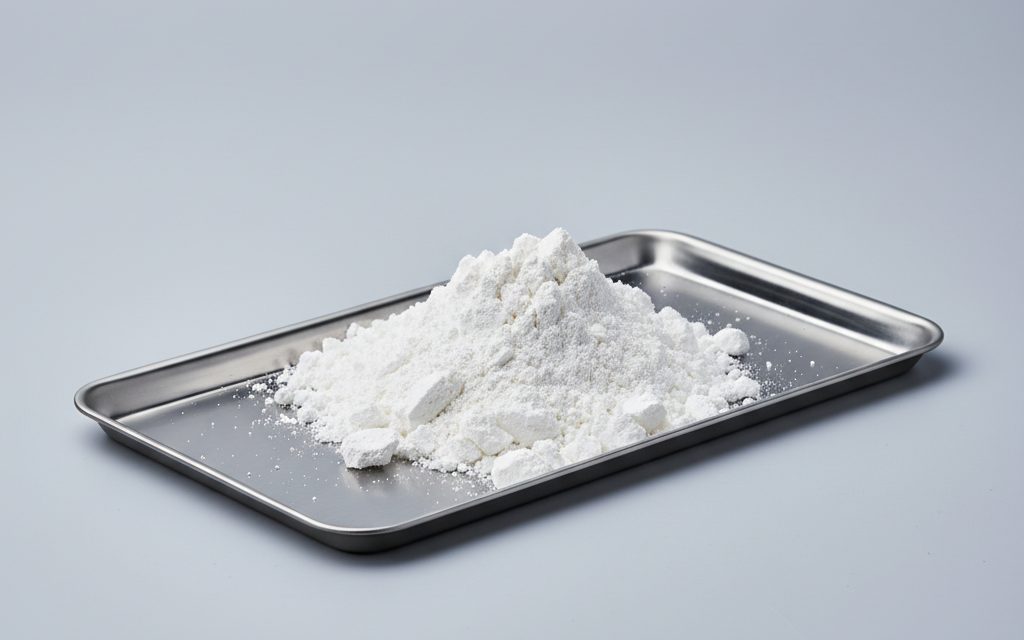
Allzone Trading supplies food and nutritional grade L-carnitine to supplement, beverage and nutrition manufacturers in Ontario, Quebec and across Canada. L-carnitine is supplied in base and salt forms with different handling behaviour, and every enquiry is quoted against confirmed supplier documentation.
At a glance
- Product
- L-Carnitine
- Grades
- Food & Nutritional Grade
- Typical applications
- Sports nutrition powders and drinks · Capsules, tablets and sachets · Functional beverages
- Packaging
- Packaging confirmed at quotation
- • Certificate of Analysis is provided against the confirmed shipment, grade and batch.
- • Manufacturer TDS and SDS are subject to grade and supplier confirmation and are available on request.
- • Grades, packaging and origin above are indicative sourcing options and are confirmed at quotation.
Available grades from container-direct sourcing
Food & Nutritional Grade
Specification confirmed against supplier technical data sheet at quotation.
Typical applications
- Sports nutrition powders and drinks
- Capsules, tablets and sachets
- Functional beverages
- Nutritional premixes
- Animal and pet nutrition formats
Why Canadian buyers choose us
- Container-direct sourcing coordinated through our Ontario logistics partner
- Supplier documentation (TDS, SDS, COA) requested and shared before order confirmation
- Specifications confirmed in writing at quotation stage — no assumed values
- LTL and FTL freight across Ontario, Quebec and Western Canada
- Quantities reviewed per enquiry, from smaller lots to full container loads
Typical industries served
Material identity
L-carnitine — identifiers and the names buyers use
- CAS (base)
- 541-15-1
- CAS (L-carnitine L-tartrate)
- 36687-82-8
- Chemical formula (base)
- C7H15NO3
Also searched as
Abbreviations
Industry terminology
Identifiers are published for material identification. The exact specification of any offered grade is confirmed against supplier documentation at quotation.
Buyer intent coverage
L-carnitine — what it is, where it is used, how it is chosen
L-carnitine is supplied as a very hygroscopic free base or as the far more manageable tartrate salt, and choosing between them is the first decision in any enquiry — the base is difficult to handle in humid plants, while the salt is stable and tablets well. Greater Toronto Area supplement and sports-nutrition manufacturers are the main Canadian buyers, with beverage and animal-nutrition producers taking smaller volumes.
Primary uses
- Formulating sports and weight-management nutrition products
- Supplying carnitine in clinical and specialised nutrition
- Fortifying functional beverages and powders
- Supplementing animal and aquaculture feed
Applications
- Capsules, tablets and powder supplements
- Functional and sports beverages
- Clinical nutrition formats
- Infant nutrition where permitted
- Animal feed and pet nutrition
Advantages
- Well-characterised nutrient with established supplement demand
- Tartrate salt is stable, free-flowing and suitable for tabletting
- Highly water soluble in both common forms
- Available in compendial grades for regulated formats
Limitations to consider
- Free base is extremely hygroscopic and needs humidity-controlled handling
- Forms differ in carnitine content, so dosing must be corrected
- Higher cost per kilogram than commodity nutrients
- Permitted levels and claims differ by market
How to choose the right grade
- Choose base or tartrate on handling and dosing grounds first
- Correct the dose for the carnitine content of the chosen form
- Confirm compendial reference where the format requires it
- Confirm humidity control in your plant before specifying the base
Typical grades
- L-carnitine base
- L-carnitine L-tartrate
- Acetyl-L-carnitine
- Feed grade
Comparable materials — how L-carnitine sits against alternatives
- Acetyl-L-carnitine — different positioning and cost
- Creatine and amino acid actives — different mechanisms, not substitutes
- Choline salts — related metabolic positioning in feed
Comparable-material reference. Grade selection is confirmed at RFQ against your process.
Procurement coverage
How to specify, order and receive L-carnitine
Written for procurement, quality and technical buyers in Canada and the United States. No numeric price, MOQ, stock or lead-time value is published — those are confirmed per shipment in the quotation and against the confirmed batch.
How buyers specify at RFQ
- Form and carnitine content
- Assay, optical purity and heavy metals
- Moisture, particle size and flow behaviour
- Compendial reference where applicable
- Certification statements and documentation required
Packaging options (industry-standard)
- Multi-wall paper or PP bag — the standard dry-ingredient format
- Jumbo / FIBC bulk bag for high-volume users
- Fibre drum or carton for oxygen- or moisture-sensitive grades
- Packaging options and available pack sizes are confirmed with each quotation.
Storage & handling
- Store sealed, dry, off the floor and away from strong odours
- Keep food, feed and technical grades physically segregated
- Rotate stock and re-close partial bags immediately after use
- Handle the free base under controlled humidity and re-seal immediately
Documentation available
- Technical data sheet (TDS) for the exact grade offered
- Safety data sheet (SDS) in the format required for Canadian import
- Certificate of analysis (COA) against the confirmed production batch
- Allergen, non-GMO, Halal and Kosher statements where the grade supports them
- Documentation is confirmed per batch at quotation; availability depends on the grade and supplier offered.
RFQ checklist for l-carnitine-food-grade-canada
Include these fields to receive an accurate Canada-landed quotation
- Grade family and the end use it must be legal for (food, feed, technical)
- The specification parameters you actually control against, with test method
- Annual volume and expected per-shipment quantity
- Packaging format your plant can receive and handle
- Documentation and regulatory statements required per shipment
- Delivery province or port of discharge
- Base or tartrate form
- Humidity control available in your plant
Technical & procurement detail
Functional role of l-carnitine+
L-carnitine is a quaternary amino acid derivative used in nutritional formulations. The base form is strongly hygroscopic, which is why salt forms such as the tartrate are frequently specified for dry blends and tableting where moisture pickup would otherwise cause caking.
Base or salt form is the first decision+
The two forms are not interchangeable on a weight basis, because a salt form contributes counter-ion mass and delivers less carnitine per kilogram. State which form your formulation and label calculation are built on so the correct material is quoted.
Hygroscopicity affects storage and dosing+
Where the base form is required, humidity control during weighing and storage becomes part of the specification discussion. Describe your plant conditions so the supplier can advise on the appropriate form and packaging approach.
Documentation and specification+
Functional values differ between producers and grades. Allzone confirms the applicable grade with the supplier before quoting and shares the technical data sheet and safety data sheet for the exact material offered, so the values you evaluate are the values you receive.
Frequently asked questions
Do you supply L-carnitine tartrate?+
Salt forms including the tartrate are available from suppliers and are quoted as separate specifications with their own documentation.
Which form is better for tableting?+
Salt forms are generally preferred in dry formats due to lower moisture pickup, but the choice depends on your dosage and label basis.
What packaging is available?+
Packaging is confirmed with the supplier at quotation for the grade and quantity discussed.
Can I request a technical data sheet?+
Yes — the supplier technical data sheet and safety data sheet are shared for the exact grade quoted.
Can you deliver to Ontario and Quebec food plants?+
Yes. LTL and FTL freight is arranged across Ontario, Quebec and Western Canada, with container-direct supply for repeat volumes.
Technical knowledge for L-Carnitine Food Grade Supplier — Canada
Engineering and purchasing guidance written for this material — understand it, apply it, compare options, specify a grade, and fix production problems.
Foundation Articles
Related products
Materials commonly quoted alongside L-Carnitine by the same plants.
Need a quote on L-Carnitine?
Request pricing, TDS/SDS and available documentation. We usually acknowledge enquiries within one business day; samples are subject to supplier availability and product classification.