
Canola Oil
Crude degummed and fully refined canola oil, in flexitank, drum or IBC. Canola oil is bought in two distinct states. Crude degummed oil goes to refiners who will neutralise, bleach and deodorise it themselves; they buy on free fatty acid, phosphorus and moisture-and-impurities, because those three set their refining loss. RBD (refined, bleached, deodorised) oil goes straight into food manufacture and is judged on colour, peroxide value, flavour neutrality and oxidative stability.
At a glance
- Product
- Canola Oil
- Grades
- Crude degummed canola oil · RBD canola oil +2 more
- Typical applications
- Frying and cooking oil for food manufacture · Bakery, sauce and dressing formulation · Margarine and shortening production
- Packaging
- Flexitank (typically 20–24 tonnes per container) · IBC totes · 190–200 kg steel drums
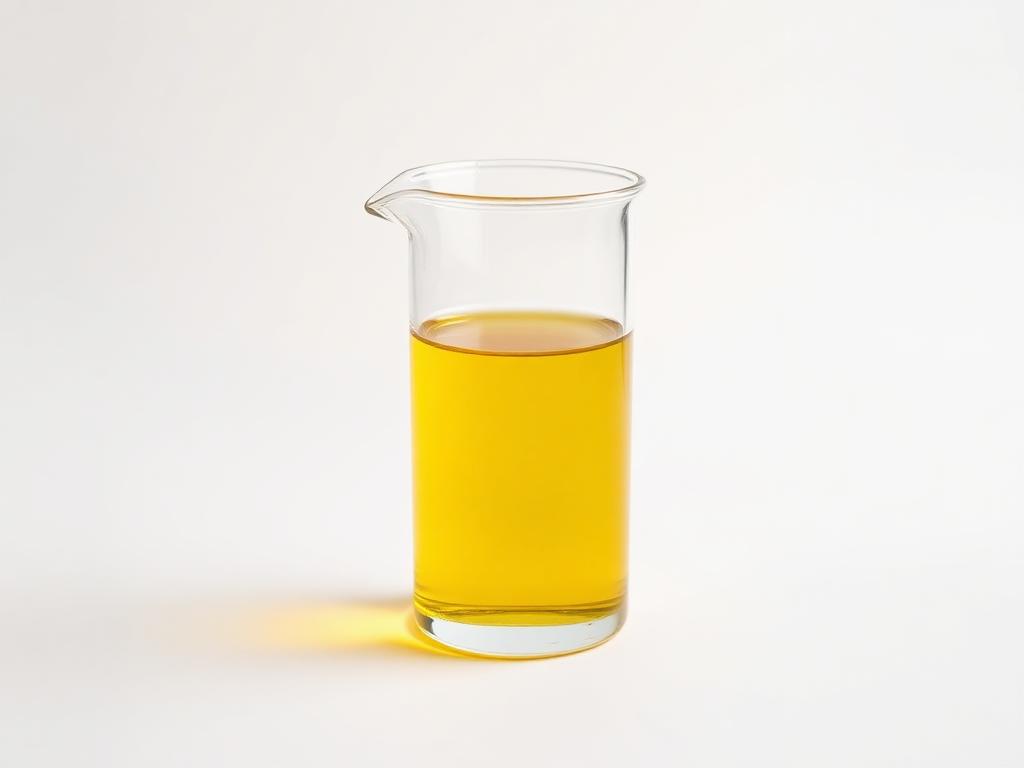
- • Certificate of Analysis is provided against the confirmed shipment, grade and batch.
- • Manufacturer TDS and SDS are subject to grade and supplier confirmation and are available on request.
- • Grades, packaging and origin above are indicative sourcing options and are confirmed at quotation.
Available grades from container-direct sourcing
Crude degummed canola oil
For buyers with their own refining capacity.
RBD canola oil
Refined, bleached, deodorised — ready for food manufacture.
High-oleic canola oil
Extended fry life; supplied against confirmed programmes.
Non-GMO canola oil
Available where a segregated programme is contracted.
Typical applications
- Frying and cooking oil for food manufacture
- Bakery, sauce and dressing formulation
- Margarine and shortening production
- Refinery feedstock (crude degummed)
- Biodiesel and oleochemical feedstock
Why Canadian buyers choose us
- Enquiries quoted against your specification — class, grade and presentation, not a fixed stock list
- Specification, origin, availability and certification confirmed in writing at quotation
- Supplier documentation (COA, SDS, technical data) provided for the grade actually offered
- One point of contact from enquiry through documents, packing and shipment
- Quantities reviewed per enquiry, from bagged lots to full container and vessel programmes
Typical industries served
Material identity
Canola oil — identifiers and the names buyers use
- CAS
- 120962-03-0
- Source
- Brassica napus / rapa seed, low erucic acid
- Common types
- RBD, high-oleic, expeller-pressed
Also searched as
Abbreviations
Industry terminology
Identifiers are published for material identification. The exact specification of any offered grade is confirmed against supplier documentation at quotation.
Buyer intent coverage
Canola oil — what it is, where it is used, how it is chosen
Canola is the workhorse liquid oil of Canadian food manufacturing: neutral in flavour, low in saturated fat and produced at scale from prairie crushing capacity, which shapes both availability and freight logic across the country. High-oleic types are bought for frying stability, standard RBD for general formulation, and technical volumes feed biodiesel, lubricant and industrial users in the same corridor.
Primary uses
- Frying and cooking in industrial food production
- Formulating dressings, sauces, bakery and snack products
- Serving as a neutral carrier oil in blends and coatings
- Feeding biodiesel and industrial oleochemical processes
Applications
- Industrial frying and snack production
- Bakery, sauce and dressing manufacture
- Dairy alternatives and emulsified systems
- Foodservice and repack programmes
- Biodiesel, lubricant and technical uses
Advantages
- Neutral flavour that does not interfere with formulations
- Favourable fatty-acid profile relative to many commodity oils
- High-oleic types deliver strong fry-life
- Large domestic crushing base supports year-round availability
Limitations to consider
- Standard RBD has limited fry-life compared with high-oleic types
- Prices track a volatile agricultural and energy complex
- Cold-weather handling requires attention to cloud behaviour in bulk
- Identity-preserved, non-GMO and organic claims require documented chains
How to choose the right grade
- Decide standard RBD versus high-oleic on fry-life and cost, not habit
- Set free fatty acid, peroxide and colour limits with test methods
- Confirm bulk, tote or drum delivery against your receiving capability
- State any identity-preserved or non-GMO documentation your customer requires
Typical grades
- RBD food grade
- High-oleic
- Expeller-pressed
- Technical / industrial grade
Comparable materials — how Canola oil sits against alternatives
- Soybean oil — comparable commodity neutral oil
- Sunflower oil — similar profile, different supply base
- High-oleic sunflower oil — comparable fry stability
- Palm olein — different melting and stability behaviour
Comparable-material reference. Grade selection is confirmed at RFQ against your process.
Procurement coverage
How to specify, order and receive Canola oil
Written for procurement, quality and technical buyers in Canada and the United States. No numeric price, MOQ, stock or lead-time value is published — those are confirmed per shipment in the quotation and against the confirmed batch.
How buyers specify at RFQ
- Oil type and oleic content
- Free fatty acid, peroxide value and colour
- Cold test and oxidative stability index
- Delivery format — bulk, tote or drum
- Documentation and claim statements required
Packaging options (industry-standard)
- Drum for smaller and pilot volumes
- IBC tote for regular production draw
- Bulk tanker where the receiving plant has compatible storage
- Packaging options and available pack sizes are confirmed with each quotation.
Storage & handling
- Store in clean, dedicated tanks protected from air and light
- Control temperature to limit oxidation and cold-weather clouding
- Maintain tank cleaning and rotation records for food use
Documentation available
- Technical data sheet (TDS) for the concentration offered
- Safety data sheet (SDS) with the transport classification for the concentration
- Certificate of analysis (COA) against the confirmed batch
- Documentation is confirmed per batch at quotation; availability depends on the grade and supplier offered.
RFQ checklist for canola-oil
Include these fields to receive an accurate Canada-landed quotation
- Grade family and the end use it must be legal for (food, feed, technical)
- The specification parameters you actually control against, with test method
- Annual volume and expected per-shipment quantity
- Packaging format your plant can receive and handle
- Documentation and regulatory statements required per shipment
- Delivery province or port of discharge
- Standard or high-oleic
- Bulk, tote or drum receiving capability
Technical & procurement detail
What this product is and what decides quality+
Canola oil is bought in two distinct states. Crude degummed oil goes to refiners who will neutralise, bleach and deodorise it themselves; they buy on free fatty acid, phosphorus and moisture-and-impurities, because those three set their refining loss. RBD (refined, bleached, deodorised) oil goes straight into food manufacture and is judged on colour, peroxide value, flavour neutrality and oxidative stability. Buying RBD when you own a refinery wastes the margin you built the refinery to capture. Buying crude when you do not have refining capacity leaves you with an oil you cannot legally sell into food. The choice is about your plant, not about price per tonne. Fatty acid profile is what makes canola attractive in the first place: low saturated fat, high monounsaturated content and a useful high-heat performance in standard grades.
Types, classes and grades+
Crude degummed canola oil: For buyers with their own refining capacity. RBD canola oil: Refined, bleached, deodorised — ready for food manufacture. High-oleic canola oil: Extended fry life; supplied against confirmed programmes. Non-GMO canola oil: Available where a segregated programme is contracted.
Specification basis+
Free fatty acid — Low for RBD; stated maximum for crude degummed lots. Moisture and impurities — Maximum agreed per contract. Phosphorus — Key crude degummed parameter; stated per lot. Peroxide value — Maximum specified for refined oil at loading. Colour — Lovibond values stated for refined grades. Values vary by grade, crop year and supplier and are confirmed against supplier documentation at quotation.
Supply and origin context+
Canada has significant domestic canola crushing and refining capacity, and processed canola oil is exported alongside raw seed. Both crude degummed and fully refined presentations are traded internationally. Delivered form drives the logistics choice: flexitank suits full-container liquid volumes, IBCs and drums suit smaller or multi-grade programmes, and bulk parcels suit refinery-scale buyers. Origin, availability, grade and certification are confirmed at quotation for the lot actually offered — origin is a supply attribute, never an assumed property of the product.
Commercial and shipping notes+
Confirm whether your destination requires food-contact certification for the packaging as well as the oil. · Long tropical transits favour refined oil with a stated peroxide value ceiling at load. · Quoted FOB, CFR or CIF.
Documentation+
Commonly relevant documentation: Certificate of Analysis · Certificate of Origin · Health / free sale certificate where required · Halal or Kosher certification where contracted · Non-GMO declaration where applicable. Availability is confirmed per order and per destination.
Frequently asked questions
What should the first enquiry for canola oil include?+
State the quantity, the destination, the presentation you need and the parameters you buy on — free fatty acid, moisture and impurities, phosphorus, peroxide value, colour. With those in the enquiry we can return a quotation instead of a list of questions.
Which types or grades of canola oil are available?+
Crude degummed canola oil, RBD canola oil, High-oleic canola oil, Non-GMO canola oil. All of these are grades of the same product rather than separate products; the grade is fixed at quotation.
What packaging options are available?+
Flexitank (typically 20–24 tonnes per container) · IBC totes · 190–200 kg steel drums · Bulk parcels for refinery-scale programmes. Packaging is confirmed at quotation, because it affects both protection in transit and freight cost.
Where does the material originate?+
Origin, availability, grade and certification are confirmed at quotation for the lot actually offered — origin is a supply attribute, never an assumed property of the product.
Technical knowledge for Canola Oil — Crude Degummed & RBD | Allzone
Engineering and purchasing guidance written for this material — understand it, apply it, compare options, specify a grade, and fix production problems.
Foundation Articles
Related products
Materials commonly quoted alongside Canola Oil by the same plants.

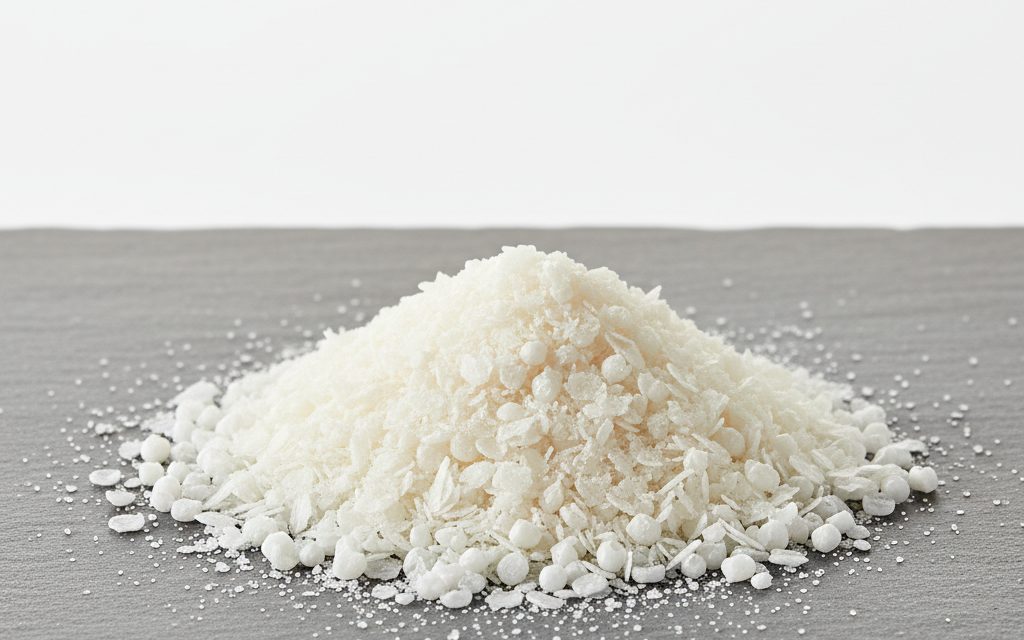
Glyceryl Monostearate (GMS)
Lubricant and flow aid — bread and cake crumb softening
Need a quote on Canola Oil?
Request pricing, TDS/SDS and available documentation. We usually acknowledge enquiries within one business day; samples are subject to supplier availability and product classification.